
Proper scrap tire disposal is a vital environmental concern that communities and industries must address to minimize pollution and health risks. With millions of tires discarded annually worldwide, finding sustainable, effective ways to manage scrap tires reduces landfill waste, decreases fire hazards, and promotes recycling efforts. This article explores the most effective scrap tire disposal methods designed to protect the environment while supporting circular economy principles.
Understanding the Environmental Impact of Scrap Tire Disposal
Before delving into disposal methods, it’s important to recognize why scrap tire disposal requires careful management. Tires are made from synthetic rubber, oils, steel, and fabric, all of which do not easily break down. When improperly discarded:
- They occupy large landfill spaces, taking decades or longer to degrade.
- Scrap tire piles become breeding grounds for mosquitoes and pests, increasing the risk of disease.
- Tire stockpiles are fire hazards and can produce toxic smoke when burned.
- Tires leach harmful chemicals into soil and groundwater.
These environmental threats underscore the need for responsible disposal solutions that reduce risks and recover materials for reuse or energy generation.
Common Methods for Scrap Tire Disposal
Several scrap tire disposal methods have become established as both effective and environmentally sound. Each approach balances cost, environmental benefit, and local feasibility.
1. Tire Recycling
Tire recycling is one of the most widely encouraged scrap tire disposal methods. It involves transforming scrap tires into useful products, such as:
- Crumb rubber for playground surfaces or athletic fields
- Rubberized asphalt for road construction
- Molded products like mats, tiles, and shoe soles
Recycling minimizes landfill use and prevents environmental hazards associated with tire piles. According to the Rubber Manufacturers Association, approximately 80% of scrap tires collected in the U.S. are recycled each year (source).
2. Retreading
Retreading extends the usable life of scrap tires by replacing worn tread with new tread material. This method substantially reduces the number of tires discarded without compromising vehicle safety.
Benefits of retreading include:
- Conserving raw materials and energy
- Lower costs compared to buying new tires
- Decreasing environmental footprint from tire production
Retreaded tires are especially common for commercial trucks and aircraft, where durability and cost-efficiency are essential.
3. Pyrolysis and Thermal Recovery
Pyrolysis is a chemical recycling technique applying heat in the absence of oxygen to break down scrap tires into oil, gas, carbon black, and steel. This energy recovery process provides multiple recycled materials that can be reused industrially.
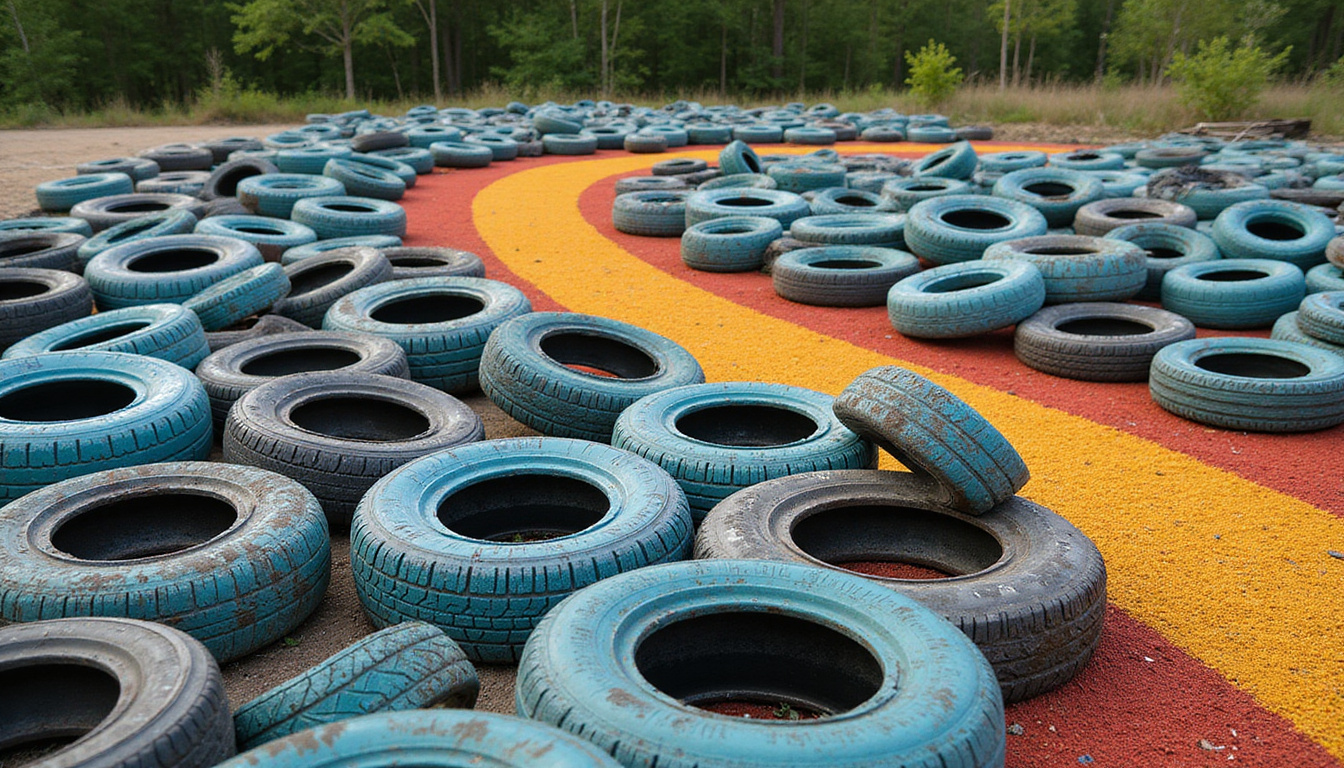
Similarly, thermal recovery channels scrap tires to produce energy through controlled combustion in cement kilns or power plants. Both approaches reduce tire mass while generating alternative fuels but require advanced technology to control emissions and byproducts.
4. Landfilling – A Last Resort
While landfilling is the least preferred method, some tire waste ends up in landfills when other options are unavailable. Modern landfill sites may use scrap tires in engineered applications such as drainage layers, but stockpiling whole tires in landfills is discouraged due to space and fire risks.
Strict regulations often require tires to be shredded or processed before landfill disposal, mitigating environmental hazards.
Best Practices for Environmentally Responsible Scrap Tire Disposal
To maximize environmental protection, communities and businesses can follow these key practices:
- Prioritize recycling, retreading, or energy recovery over landfill disposal.
- Support local tire collection and recycling programs to streamline handling.
- Collaborate with certified tire processors who comply with environmental regulations.
- Educate the public and industry workers about the risks of illegal dumping and open burning.
- Encourage product innovation using recycled tire materials.
Benefits of Proper Scrap Tire Disposal
Choosing responsible scrap tire disposal methods offers numerous environmental and economic advantages:
- Reduces landfill overcrowding and conserves land resources.
- Limits toxic runoff and prevents contamination of water sources.
- Mitigates fire and pest hazards associated with tire stockpiles.
- Encourages resource recovery, cutting the demand for virgin raw materials.
- Creates green jobs in recycling industries and related sectors.
- Supports sustainability goals and promotes cleaner communities.
Frequently Asked Questions about Scrap Tire Disposal
What is the most environmentally friendly scrap tire disposal method?
Recycling scrap tires into new products or using pyrolysis to recover materials are among the most environmentally friendly approaches, as they reduce waste and prevent pollution.
Can scrap tires be safely disposed of in landfills?
While landfilling scrap tires is possible, it is generally discouraged unless processed (e.g., shredded). Whole tires in landfills can cause environmental and safety issues.
How can I recycle scrap tires near me?
Many local governments or recycling centers offer scrap tire collection services. Check with your municipality or environmental agency to find certified tire recycling facilities.
Conclusion: Support Sustainable Scrap Tire Disposal Today
Proper scrap tire disposal is no longer optional but essential for environmental stewardship and public safety. By embracing recycling, retreading, and energy recovery methods, we can significantly reduce the ecological footprint of discarded tires. Investing in innovative disposal technologies and community education will foster a circular economy that transforms scrap tires from waste into valuable resources. Take action now—participate in local tire recycling programs or support policies promoting sustainable scrap tire management to protect the environment for future generations. Together, we can turn the tire disposal challenge into an opportunity for greener growth.
Junk Guys Inland Empire
Phone: 909-253-0968
Website: www.junkguysie.com
Email: junkguysie@gmail.com