
Decluttering an old television? Whether it’s a cracked CRT or a flat-screen that still works, TV recycling can turn a hassle into cash, convenience, and environmental good. Smart choices — from resale and trade-ins to certified recycling — help you profit, avoid improper disposal, and keep toxic materials out of landfills.
Why TV recycling matters
Old televisions contain valuable materials like copper, aluminum, and rare earth elements, but they also hold hazardous substances such as lead, mercury, and brominated flame retardants. When TVs are dumped or broken apart improperly, those chemicals can contaminate soil and water. Responsible TV recycling recovers useful materials and prevents environmental harm, while often following local laws that forbid throwing electronics in the trash. The EPA provides guidance on electronics recycling and safe disposal practices (source).
Decide whether to sell, donate, or recycle
Before you commit to recycling, consider whether the TV has resale or reuse value. A working flat-screen, even a decade old, may attract buyers on local marketplaces or be accepted in trade-in programs. Non-working sets still have value for parts or metal salvage. Choosing the right path — sell, donate, trade in, or recycle — maximizes return and minimizes e-waste.
How to profit from TV recycling: practical routes
- Sell it privately: List a working TV on Facebook Marketplace, Craigslist, OfferUp, or local buy/sell groups. Clean it, take good photos, and be honest about specs and condition.
- Trade-in or manufacturer programs: Companies and retailers sometimes offer store credit for newer models. Check manufacturer take-back options for brand-specific rebates.
- Repair and refurbish: Minor fixes (bad capacitors, loose connectors) can yield a higher resale price than selling for parts.
- Part-out or scrap: Non-working TVs can be disassembled to sell components (speakers, boards, power supplies) or sent to scrap yards for metal value.
- Bulk and B2B channels: If you have multiple units, contact refurbishers, repair shops, or certified e-waste companies that buy lots.
Preparing your TV for sale or recycling
Follow these steps to secure value and ensure a safe handoff:
- Inspect and test: Power it up, check picture and sound, note defects.
- Research model value: Search completed listings to set a fair price.
- Clean and photograph: Wipe the screen and casing; take clear photos from multiple angles.
- Remove personal data: For smart TVs, perform a factory reset and remove linked accounts.
- Disconnect and pack: Remove cables and accessories; pack with bubble wrap or original box if available.
- Choose the right outlet: Sell, donate, trade in, or bring to a certified recycler depending on condition.
Bulleted list — quick checklist before dropping off a TV
- Unplug and inspect for glass breakage or leaking components.
- Perform a factory reset on smart TVs to erase personal data.
- Remove detachable items (remote, stands, cables) to include with a sale.
- Measure weight and dimensions for transport or pickup estimates.
- Confirm whether your local recycler accepts CRTs or requires special arrangements.
Where to recycle a TV safely
Not all recycling facilities accept televisions, especially bulky cathode-ray tube (CRT) models that require special handling. Municipal recycling centers, hazardous waste events, certified e-waste recyclers, and retailer take-back programs are common options. Many cities run periodic electronics collection days; check your local government website for schedules and rules. For broader searches, resources like Earth911 can locate nearby recyclers, and the EPA offers best practices and tips for electronics recycling (source).
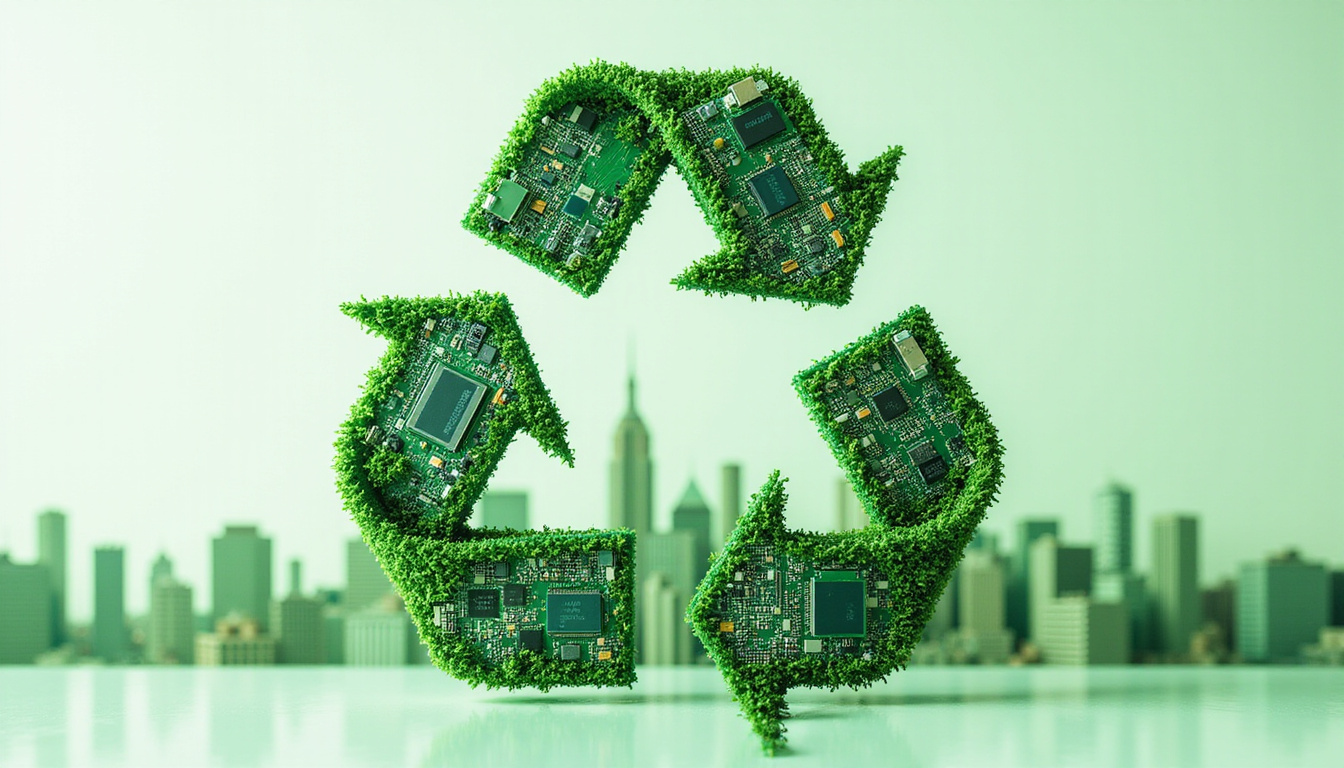
Special considerations by TV type
- CRT TVs: Heavy and containing leaded glass, CRTs often incur disposal fees and typically require drop-off at designated facilities or special collection events. Never break a CRT at home.
- LCD/LED/Plasma: Lighter and easier to transport, but still contain circuit boards and backlight components that should be recycled properly.
- Smart TVs: Erase personal information with a factory reset and unlink accounts before handing them off.
Costs and incentives
Some recyclers charge fees for TV drop-off, especially for CRTs, while others provide free pickup or even pay you for working sets. Manufacturer trade-in programs and retail promotions sometimes offer store credit. Check all options: fees vary by region and landfill regulations. If profit is your goal, compare selling privately versus trade-in values against any recycler fees.
Safety and data privacy
- Handle with care: TVs, especially older models, can be heavy, fragile, and contain hazardous glass. Use proper lifting techniques and get help for bulky units.
- Protect your data: Smart TVs, streaming devices, and connected peripherals can store accounts and viewing histories. Always perform a hard reset and remove linked devices.
- Verify recyclers: Look for certifications such as e-Stewards or R2 to ensure responsible handling and that the recycler follows export and data-security guidelines.
Environmental impact and responsibility
Choosing reuse over disposal drastically reduces environmental impact. Refurbishing or donating a functional TV extends its life and prevents unnecessary manufacturing of new units. Recycling recovers metals and plastics and ensures hazardous components are treated safely. By prioritizing reuse and certified recycling, you contribute to circular electronics economy efforts and reduce the burden on landfills.
How to find the best recycling partner
When researching a recycler or program, ask:
- Are you certified (e-Stewards, R2)?
- Do you provide receipts or documentation of recycling?
- Will my TV be refurbished, dismantled for parts, or exported?
- Are there any fees or pickup options?
Documenting the transaction can help you prove proper disposal and may be required by local regulations.
FAQ — quick answers with helpful variations
Q: How to recycle a TV if it’s broken?
A: If your TV is broken, first remove any personal data (if applicable), then check for local electronics collection events, certified recyclers, or scrap yards that accept non-working sets. CRTs often require special handling and may have a fee. Consider parting out components for resale if you have the tools.
Q: Where can I find TV recycling near me?
A: Search municipal waste websites, ask local retailers about take-back programs, or use resources like Earth911 and the EPA electronics recycling guidance to locate nearby certified recyclers and scheduled e-waste drop-off events (source).
Q: What is the TV recycling process and what materials are recovered?
A: The TV recycling process typically involves sorting, safe removal of hazardous components, shredding or disassembly, and separation of metals, glass, and plastics for reuse. Recoverable materials include copper, aluminum, circuit boards, and plastics; hazardous items like mercury and lead are handled separately to prevent contamination.
One authoritative resource to check
For trusted recommendations on electronics recycling and disposal, see the U.S. Environmental Protection Agency’s electronics recycling guidelines (source).
Final checklist before you act
- Decide: sell, donate, trade-in, or recycle.
- Prep: clean, reset, and document.
- Compare: private sale value vs. trade-in or recycler fees.
- Choose a certified recycler or reputable buyer.
- Keep receipts or certificates of recycling.
Conclusion — take action now
Old televisions are more than bulky junk — they’re an opportunity. By following smart TV recycling steps, you can recoup value, protect your privacy, and help reduce hazardous e-waste. Start by evaluating your TV’s condition, choosing the best route (sell, donate, trade, or recycle), and contacting a certified recycler or trusted buyer today. Ready to turn that old set into cash or responsibly dispose of it? Look up local options now, book a pickup or list your TV for sale, and be part of the solution to reduce e-waste.
Junk Guys Inland Empire
Phone: 909-253-0968
Website: www.junkguysie.com
Email: junkguysie@gmail.com