
Concrete removal is one of those home projects that looks straightforward until you start swinging a sledgehammer. Whether you’re replacing a driveway, removing a patio, or prepping a site for landscaping, smart planning can significantly reduce both time and expense. This guide walks you through practical, expert tips for efficient concrete removal so you save money without cutting corners.
Why planning matters before removal
A little planning before you begin concrete removal can prevent costly mistakes. Start by assessing the slab: how thick is it, does it contain rebar, and are there nearby utilities? Call 811 to have utilities marked before digging. Also check local permit requirements—some municipalities require permits for concrete demolition and disposal. Knowing these details up front helps you choose the right method and avoid fines.
Compare removal methods: choose the right approach
There are several ways to handle concrete removal, and selecting the right method affects both cost and speed.
- Manual removal: For small, thin slabs, pry bars, sledgehammers, and a bit of elbow grease may be enough. This is labor-intensive but can be the cheapest option if you’re physically able.
- Mechanical removal: For thicker or reinforced concrete, jackhammers, small excavators, or skid steers with breakers are faster. Renting equipment can cut rental costs if you plan carefully.
- Saw cutting: If you need clean edges (e.g., for a replacement slab), a concrete saw lets you score and remove sections precisely.
- Hydro-demolition and specialty methods: For delicate work or unusual conditions, contractors sometimes use hydro-demolition or chemical demolition. These are typically more expensive but may be necessary in specific situations.
Equipment rental vs. professional hire
Deciding whether to rent tools and do the work yourself or hire a contractor depends on the scale and complexity of the project. Renting a jackhammer or mini-excavator is cost-effective for medium-sized jobs if you’re comfortable operating equipment. For large slabs, reinforced concrete, or when the site has tricky access or underground utilities, hiring experienced professionals often saves money in the long run by reducing time and avoiding costly mistakes.
How to cut disposal costs
Disposal can be a major part of concrete removal costs. Here are proven ways to reduce what you pay:
- Reuse or recycle on-site: Crushed concrete makes excellent aggregate for base layers in driveways or backfill. If you can crush and reuse the material on-site, you may eliminate disposal fees.
- Find local recyclers: Many facilities accept concrete for recycling at lower costs than landfill tipping fees. Some municipalities even have free drop-off days.
- Reduce hauling distance: Choose a recycling facility or landfill that is close to the job site to lower hauling costs.
- Rent a roll-off dumpster: For projects producing a lot of debris, renting a dumpster can be cheaper than multiple trips to the landfill.
Practical cost-saving strategies (numbered)
- Break the job into phases. Remove sections in manageable pieces to avoid equipment overkill.
- Rent only what you need. Compare rental rates for different tool sizes and pick the smallest machine that will do the job efficiently.
- Enlist help. Labor costs can be reduced by recruiting friends or hiring day labor for manual tasks like hauling.
- Salvage materials. If any pads, bricks, or stones are intact, save them for reuse.
- Bundle services. Some contractors offer discounts if you combine removal with hauling and crushing.
Safety and environmental considerations
Safety should always be the top priority during concrete removal. Wear eye and ear protection, heavy-duty gloves, steel-toed boots, and a dust mask or respirator. Be mindful of silica dust, which is a health hazard when cutting or breaking concrete—wet cutting and dust suppression reduce exposure. For authoritative guidance on worker protection and silica exposure, consult OSHA (https://www.osha.gov) (source).
Permits, codes, and neighbor relations
Before starting, check with local building departments about permits and disposal requirements. You may also need to notify neighbors, especially if you’ll park equipment on the street or create noise. Polite communication can prevent complaints and potential delays.
When to crush and recycle on-site
If you have space and access to a concrete crusher, on-site crushing can save big money. Crushed concrete can serve as a base for new slabs, driveways, or paths. Even if you don’t own a crusher, some contractors offer mobile crushing services that process debris on-site and leave you with usable aggregate—often yielding cost savings compared to paying hauling and tipping fees.
Common pitfalls and how to avoid them
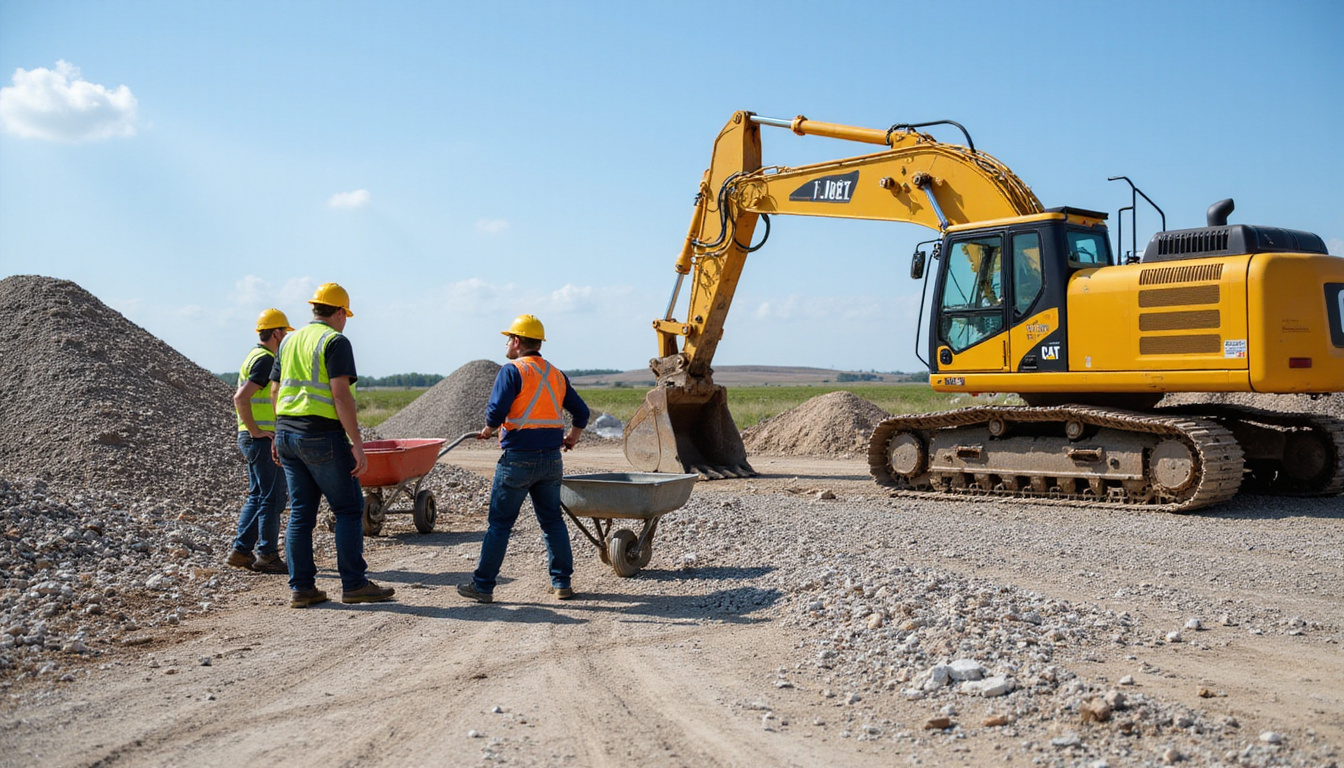
- Underestimating thickness: Slabs are often thicker than they look. Measure depth in multiple spots to avoid surprises.
- Ignoring rebar: Rebar increases removal difficulty. If you find significant reinforcement, consider mechanical removal or a pro.
- Skipping utility checks: Damaging utilities is expensive and dangerous—always call before you dig.
- Over-renting: Don’t rent equipment for more days than you’ll use. Schedule pickups and returns precisely to avoid extra fees.
Budgeting examples
Here’s a rough cost snapshot to set expectations (prices vary by region):
- Small slab (up to 100 sq ft) DIY: $50–$250 in tools and disposal fees.
- Medium slab (100–500 sq ft) DIY with rentals: $300–$1,500 including equipment rental.
- Large slab or professional removal (driveway-size): $1,000–$4,000+ depending on thickness, rebar, and disposal.
These figures are estimates—get local quotes for accurate budgeting. For nationwide cost ranges and contractor reviews, resources like HomeAdvisor provide helpful averages (https://www.homeadvisor.com) (source).
Eco-friendly disposal tips
- Donate intact concrete features to community garden projects.
- Use crushed concrete as permeable base to reduce stormwater runoff.
- Avoid burning or improperly dumping concrete—use licensed recyclers to minimize environmental impact.
DIY vs. hiring contractors: a quick guide
DIY might save money if:
- The slab is small and thin.
- You’re comfortable with physical labor and equipment operation.
- You can handle disposal logistics yourself.
Hire a contractor if:
- The slab is thick or heavily reinforced.
- The site has limited access, nearby utilities, or sensitive landscaping.
- You value speed, safety, and guaranteed cleanup.
Checklist before you begin concrete removal (bulleted)
- Measure slab area and thickness.
- Call 811 to mark utilities.
- Check local permit and disposal rules.
- Get at least three contractor quotes.
- Arrange disposal or recycling.
- Rent needed equipment and safety gear.
- Notify neighbors about schedule and noise.
FAQ — Short Q&A with keyword variations
Q: How much does concrete removal cost per square foot?
A: Concrete removal cost per square foot varies widely by region, slab thickness, reinforcement, and disposal fees. Expect anywhere from $2 to $6 per square foot for simple jobs, with higher rates for reinforced or hard-to-access slabs.
Q: Can I do DIY concrete removal safely?
A: Yes, you can do DIY concrete removal if you have the right tools, safety gear, and preparedness. For cutting or breaking concrete, use appropriate PPE and consider wet cutting to control silica dust. For large or reinforced slabs, hiring a professional is often safer and more efficient.
Q: What do concrete removal services include?
A: Concrete removal services typically include demolition, hauling, disposal or recycling, and site cleanup. Some contractors also offer crushing services to convert debris into reusable aggregate, which can reduce your net disposal costs.
Authoritative resources and final tips
Before starting, review OSHA’s guidance on construction safety and silica exposure to ensure compliance and protect worker health (https://www.osha.gov) (source). Keep receipts and take before-and-after photos for records and permit inspections. If cost is a top concern, prioritize reuse and recycling, get multiple quotes, and consider phased removal to spread expenses.
Conclusion and call to action
Concrete removal doesn’t have to be expensive or overwhelming. With a clear plan, the right equipment, and knowledge of disposal options, you can significantly cut costs and complete your project efficiently. Ready to get started? Measure your slab, call 811 for utility marking, and compare a few local contractor quotes or rental rates. If you’d like, send a photo and dimensions of your project and I’ll recommend the most cost-effective removal method and a checklist tailored to your site.
Junk Guys Inland Empire
Phone: 909-253-0968
Website: www.junkguysie.com
Email: junkguysie@gmail.com