
If you’ve ever looked at a dated dresser or a worn-out chair and wondered whether it’s worth saving, you’re already halfway to understanding the power of furniture recycling. With a bit of strategy, creativity, and market know-how, those “junk” pieces can become a steady side income—or even a full-time business.
This guide walks you through how to turn old furniture into profit, from finding inventory and choosing what to upcycle, to pricing, selling, and scaling your operation.
Why Furniture Recycling Is a Smart Business Move
Furniture is expensive to buy new, bulky to throw away, and often built to last. That combination makes furniture recycling uniquely profitable and sustainable.
The environmental and market advantages
- Less waste, more value: According to the EPA, furniture and furnishings account for millions of tons of waste in landfills each year (source: U.S. EPA). Every piece you rescue and resell keeps valuable materials in circulation.
- High demand for character pieces: Many buyers prefer solid wood, vintage, or “farmhouse” style pieces over flat-pack furniture that wears out quickly.
- Low starting costs: With some basic tools, space to work, and time, you can start with minimal investment.
Sourcing Old Furniture for Maximum Profit
Your margin is largely set the moment you buy (or acquire) a piece. Smart sourcing is the backbone of profitable furniture recycling.
Where to find great pieces
-
Curbside and bulk trash pickup
Drive around on bulk trash days in higher-income neighborhoods. People often leave high-quality solid wood furniture on the curb simply because it doesn’t match their décor. -
Thrift stores and charity shops
- Look for “50% off” days or color tag sales.
- Check the back or side areas where damaged items may be discounted.
-
Estate sales and garage sales
Arrive early for the best selection and late for the best prices. Estate sales, in particular, can yield mid-century and solid wood pieces for a fraction of their resale value. -
Online marketplaces
- Facebook Marketplace
- Craigslist
- Nextdoor
Filter for “free,” “must pick up today,” or “moving sale” and be prepared to move quickly.
-
Business and office clear-outs
Offices replacing desks, cabinets, and chairs often sell off old inventory cheaply. Check local business classifieds or liquidation sales.
What to look for (and what to avoid)
Focus on:
- Solid wood (check the weight, grain, and underside of the furniture)
- Sturdy frames with no major wobbling or structural cracks
- Classic shapes (dressers, sideboards, dining tables, nightstands, coffee tables)
- Real dovetail joints in drawers (a sign of higher quality)
Be cautious of:
- Extensive water damage, swelling, or mold
- Cheap particleboard or heavily damaged veneer
- Strong cigarette, pet urine, or mildew odors that don’t fade
- Complex mechanism items (like recliners) that barely work
Choosing the Right Strategy: Refurbish, Upcycle, or Flip As-Is
Not every item needs a full makeover. In furniture recycling, choosing the right level of work for each piece is what protects your profit.
1. Simple clean-and-flip
Some pieces only need:
- A deep clean with mild soap and water
- Touch-up marker on scratches
- New knobs or hardware
These are ideal for quick, low-effort profit. Photograph well and resell.
2. Restoration for high-value items
If you find quality mid-century modern, antique, or designer pieces:
- Gently clean and feed the wood with oil or conditioner
- Repair loose joints with wood glue and clamps
- Refinish only when necessary; original finish can be more valuable
Research the brand and era before sanding or painting; you may be holding a collectible piece.
3. Creative upcycling for style-focused buyers
Upcycling adds new life and new value. Examples:
- Painting a dated dresser in a trending color with modern brass pulls
- Turning an old door into a farmhouse-style dining table
- Converting a sideboard into a bathroom vanity
Upcycled pieces tend to sell well to décor-conscious buyers who want “unique” items.
Essential Tools and Materials for Furniture Recycling
You don’t need a professional workshop to start, but a few basics will save time and improve your results.
Basic toolkit
- Screwdrivers, hammer, pliers
- Electric drill/driver
- Orbital sander and sanding blocks (various grits)
- Putty knife and chisels
- Clamps for gluing repairs
- Measuring tape and level
Refinishing and painting
- Wood filler and wood glue
- Degreaser or TSP substitute for cleaning
- Primer (bonding primer for glossy surfaces)
- Quality brushes and foam rollers
- Paint (latex, chalk-style, or enamel depending on your style)
- Clear topcoat (polyurethane or polycrylic)
Soft goods and details
- Staple gun and staples (for reupholstery projects)
- Fabric and foam (for chair seats, benches, ottomans)
- Replacement hardware: knobs, pulls, hinges, sliders
Start small and expand your toolkit as your projects grow more complex.
Design Secrets That Help Pieces Sell Faster
The difference between “I’ll think about it” and “I’ll take it” often comes down to design choices. Here’s how to make pieces that move quickly.
Follow (but don’t chase) trends
- Timeless neutrals: Whites, grays, blacks, and wood tones rarely go out of style.
- Soft colors: Sage green, navy, and greige are popular for farmhouse and modern homes.
- Two-tone looks: Painted bodies with stained wood tops are consistently in demand.
Browse Pinterest, Instagram, and local resale listings to see what styles are selling in your area.
Focus on function and modern living
- Dressers and buffets with smooth-gliding drawers
- Desks with cable management or a drilled hole for cords
- TV stands with open backs for electronics
- Entryway benches with storage underneath
The more practical the piece, the easier it is to sell.
Add affordable “wow” factors
- Upgrade hardware with stylish knobs and pulls
- Line drawers with peel-and-stick wallpaper
- Add soft-close mechanisms on high-end pieces
- Use stencils or light distressing—sparingly—to add character
Pricing Your Recycled Furniture for Profit
Pricing is where many new furniture recyclers either leave money on the table or scare off buyers.
How to research and set prices
-
Analyze local listings
Filter Facebook Marketplace, OfferUp, Craigslist by category, and sort by “Sold” or “Recently Sold” when possible. Note what actually moves, not just what’s listed. -
Consider your costs and time
Track:
- Purchase cost (or free)
- Materials (paint, hardware, sandpaper, filler, etc.)
- Your time (set an hourly rate, even if just for reference)
-
Aim for a healthy margin
A common target: 3–5x your total costs for most pieces, more if you’re efficient or your design work is in demand.
Psychological pricing tips
- Use round but not whole-number prices: $195 instead of $200, $245 instead of $250.
- Mention original retail value if you know it.
- Offer bundle discounts: “Buy any two pieces, take $50 off.”
Where and How to Sell Recycled Furniture
The best platform for your furniture recycling business depends on your location, style, and volume.
Online local marketplaces
- Facebook Marketplace: Massive reach, easy messaging, and local pickup.
- Craigslist: Still valuable in many regions for larger items.
- Nextdoor: Great for neighborhood sales with low competition.
Tips:
- Use clear, bright, well-composed photos (natural light is ideal).
- Show multiple angles and close-ups.
- Include basic measurements in the description.
- Be upfront about any flaws; honesty builds trust.
Physical selling options
- Booth in an antique mall or vendor market
Monthly rent plus commission; good for exposure and regular sales. - Consignment shops
They show and sell your pieces; you split the final price. - Pop-up markets and fairs
Great for branded upcycled items in trendy styles.
Offer add-on services
Once you’re more experienced, consider:
- Custom refinishes on clients’ existing furniture
- Sourcing specific pieces on request
- Delivery for a fee (or partner with a local mover)
These services can significantly increase your income per customer.
Marketing Yourself as a Furniture Recycling Pro
Branding doesn’t need to be complicated, but having a recognizable identity helps you stand out.
Simple steps to build your brand
- Choose a business name that reflects your style (e.g., “Urban Grain Reworks” or “Vintage Revival Studio”).
- Create a consistent look for your photos: similar backgrounds, lighting, and staging.
- Use a simple logo and repeat it on your listings, social media, and any labels or tags.
Use social media strategically
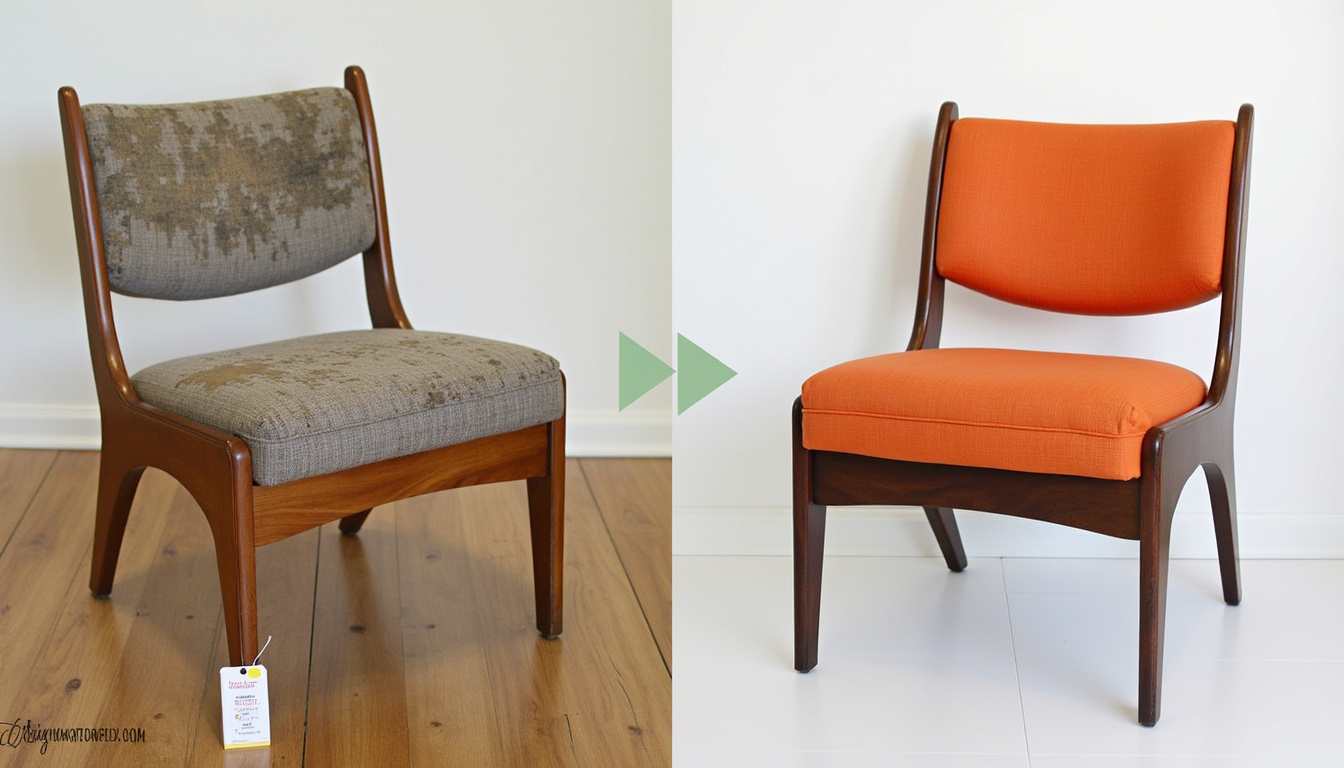
- Post before-and-after transformations—they’re highly shareable.
- Share short work-in-progress videos or step-by-step reels.
- Encourage happy buyers to send photos of your pieces in their homes.
Platforms like Instagram, TikTok, and Pinterest can drive buyers to your marketplace listings or shop.
Managing Time, Space, and Safety
Furniture recycling can creep into every room of your house if you’re not careful. Set up systems early.
Organize your workflow
- Limit how many projects you work on at once.
- Group tasks: one day for sanding, one for painting, one for hardware.
- Keep a simple spreadsheet of:
- Purchase date and cost
- Materials used
- Hours spent
- Listing price and sale date
Prioritize safety
- Wear a mask or respirator when sanding or spraying.
- Work in a well-ventilated area, especially with oil-based products.
- Be cautious with very old painted furniture; old finishes may contain lead. If you suspect lead, research safe handling or consult a professional (source: EPA Lead Information).
Common Mistakes Beginners Make (and How to Avoid Them)
Learning from others’ missteps accelerates your success.
- Over-sanding veneers: Veneer is thin; once you go through it, repairs are difficult. Sand gently and use chemical strippers when needed.
- Skipping prep: Paint sticks to clean, dull, properly prepped surfaces. Rushing cleaning or priming leads to peeling.
- Choosing overly bold colors on big pieces: These can take much longer to sell. Save bold experiments for small accent items at first.
- Underpricing due to self-doubt: Check your local market and price confidently if your work is solid and your photos are strong.
FAQ About Furniture Recycling and Reselling
Q1: Is furniture upcycling profitable as a side hustle?
Yes. With smart sourcing and efficient processes, furniture upcycling can yield strong margins. Many sellers start part-time, reinvest profits into better tools and materials, and gradually scale into a steady income stream.
Q2: What’s the easiest type of furniture to recycle for beginners?
Small to medium solid-wood pieces are ideal: nightstands, side tables, simple dressers, and coffee tables. They require less material, are easier to move, and sell quickly because they fit in most homes.
Q3: Where can I learn more about sustainable furniture reuse?
Look for local workshops, community maker spaces, and online tutorials focused on sustainable design, reuse, and circular economy practices. Many environmental organizations and city waste departments publish guidelines and case studies on furniture reuse and recycling programs.
Turn Your Next “Junk” Piece into Income
That wobbly chair, scratched dresser, or dated coffee table isn’t just clutter—it’s potential cash and a chance to reduce waste at the same time. With the right sourcing, design choices, pricing, and sales strategy, furniture recycling can become a reliable, creative, and environmentally responsible income stream.
Start with what you have (or what’s available for free), complete one transformation from beginning to end, and list it for sale. Use that first sale as your blueprint, refine your process, and then repeat.
If you’re ready to turn old pieces into profit, pick a single item this week, map out your plan, and commit to getting it listed. The market is waiting—and so are all those unloved pieces that deserve a second life.
Junk Guys Inland Empire
Phone: 909-253-0968
Website: www.junkguysie.com
Email: junkguysie@gmail.com