
Paper Shredding Mistakes That Put Your Identity and Finances at Risk
Paper shredding seems simple: feed documents in, empty the bin, and move on with your day. But when it comes to protecting your identity and your money, small mistakes in paper shredding can leave big openings for fraudsters. Thieves still comb through trash, mail, and recycling to find sensitive information they can use to steal identities, open accounts, or drain bank balances. Avoiding common paper shredding errors is one of the easiest ways to safeguard your financial life.
Below are the most dangerous paper shredding mistakes—and how to fix them fast.
Why Paper Shredding Still Matters in a Digital World
Even with online banking and cloud storage, a surprising volume of sensitive information still appears on paper. According to the FTC, identity theft remains one of the most common consumer complaints, with millions of reports filed every year (source). Much of this starts with simple access to personal data.
Documents that can be misused include:
- Bank and credit card statements
- Medical records and explanation of benefits (EOBs)
- Tax documents and pay stubs
- Pre-approved credit offers and loan letters
- Utility and cell phone bills
- Insurance policies and claim forms
If these aren’t shredded properly, a criminal doesn’t need hacking skills—just access to your trash or recycling.
Mistake #1: Only Shredding “Obviously Sensitive” Documents
Many people only shred a few things: old credit cards, bank statements, maybe a tax form. Everything else goes straight into the bin. That’s a major risk.
Why this is dangerous
Fraudsters can stitch together your identity from multiple “harmless” documents. A leftover utility bill has your name, address, and account number. A shipping label shows your phone number and email. A magazine label might show partial billing details.
Over time, scammers can gather:
- Full name and address
- Date of birth hints (from mailers or promotions)
- Account numbers and partial card numbers
- Email addresses and phone numbers
- Signatures from delivery slips, checks, or forms
What to shred instead
As a rule of thumb: Shred anything with personal, financial, or account information, including:
- Envelopes and junk mail with your name and address
- Prescription labels and medical paperwork
- Boarding passes and luggage tags
- Receipts with the last 4 digits of your card
- School or employment documents
- Insurance cards and policy letters
If it could help someone pretend to be you, it should go through the shredder.
Mistake #2: Using the Wrong Type of Shredder
Not all paper shredding is equal. That cheap strip-cut shredder you bought years ago might not be up to the job anymore.
Strip-cut vs. cross-cut vs. micro-cut
- Strip-cut shredders: Slice pages into long vertical strips. These are the easiest for someone to reassemble. Think of them as “privacy” shredding, not true security.
- Cross-cut shredders: Cut paper into small rectangular or diamond-shaped pieces. Reassembly is much harder and usually impractical.
- Micro-cut shredders: Turn documents into confetti-like particles. This is the highest level of protection for consumer shredders.
The risk of old or low-security shredders
If you’re dealing with financial records, legal papers, or anything with Social Security numbers, strip-cut shredding isn’t enough. With time and motivation, strips can be pieced together. While that might sound far-fetched, it’s exactly the kind of task that organized thieves or data brokers may take on.
Fix: Upgrade to at least a cross-cut shredder for home use and micro-cut if you regularly handle highly sensitive documents.
Mistake #3: Not Shredding Non-Paper Items
Many people forget that sensitive data lives beyond paper. Limiting paper shredding to just documents leaves other items intact and exploitable.
Items you should never toss whole
- Credit and debit cards (expired or replaced)
- ID cards (old employee badges, gym cards, school IDs)
- Luggage tags and boarding passes
- CDs/DVDs with data (old backups, tax records, account exports)
- Prescription labels on bottles and packaging
Some modern shredders can handle credit cards and CDs. If yours doesn’t, cut these items manually into multiple small pieces, especially cutting through magnetic stripes, chips, barcodes, and printed card numbers.
Mistake #4: Throwing Shredded Paper Straight Into the Trash
After a paper shredding session, many people dump the shreds into a garbage bag and set it out on the curb. That’s better than whole documents, but not foolproof.
Why this is risky
- Shreds can be blown away or spilled, leaving readable bits exposed.
- An opportunistic thief could still grab your bag of shreds and try to piece them together.
- Trash and recycling are often publicly accessible before collection.
Safer disposal options
To reduce risk even further:
- Mix shreds with non-sensitive trash (food waste, coffee grounds, etc.)
- Split shreds across multiple bags and different pick-up days
- Recycle if appropriate: Cross-cut and micro-cut shreds can sometimes be recycled; check your local guidelines
- Use a shredding service: For high volumes, especially for businesses, use a NAID-certified shredding company for secure destruction.
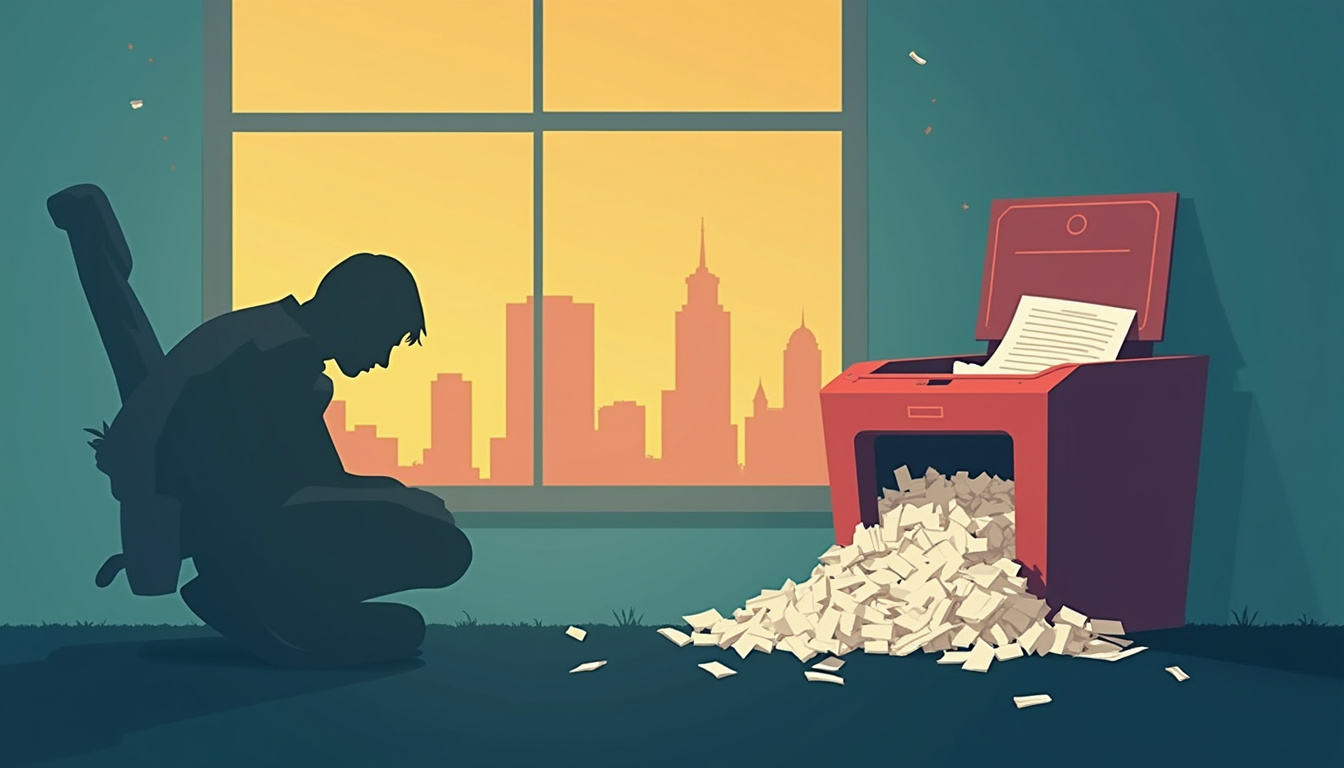
Mistake #5: Not Having a Paper Shredding Routine
Identity thieves count on inconsistency. If you only shred “once in a while” when you remember, a lot of dangerous paper can pile up in between.
The problem with “someday shredding”
- Documents sit around on desks, in bags, in cars, or in open bins.
- Visitors, contractors, or roommates may see or snap photos of sensitive data.
- Papers get mixed with regular trash accidentally.
Create a simple shredding habit
A basic routine could look like this:
- Designate a “to shred” bin near where you open mail.
- Shred daily or weekly, depending on mail volume.
- Schedule quarterly deep cleans for files and archives.
- After tax season, shred unneeded drafts, worksheets, and duplicate copies (keep required originals as advised by your tax professional).
A consistent system keeps sensitive documents from ever being left out in the open.
Mistake #6: Keeping Old Financial and Medical Records Forever
Saving every statement and document “just in case” is common—but risky. The more old paperwork you hold on to, the bigger the target if someone gets access to your home or office.
What you should keep (and for how long)
General guidelines (always confirm with a tax or legal professional):
- Tax returns and supporting documents: 3–7 years, depending on your situation
- Bank and credit card statements: 1 year (longer if needed for tax or legal reasons)
- Pay stubs: 1 year, until reconciled with your W-2 or annual statement
- Medical bills and insurance EOBs: 1–3 years, or until disputes are resolved
- Home purchase/sale, major loan documents: For the life of the loan and several years after
Everything else—especially duplicates and outdated records—should go through the shredder.
Mistake #7: Ignoring Business Paper Shredding Risks
For small businesses and freelancers, paper shredding isn’t just smart—it’s often legally required under privacy and data protection laws.
Business documents that demand secure shredding
- Customer and client records
- Employee files and payroll records
- Copies of IDs (driver’s licenses, passports, Social Security cards)
- Invoices, purchase orders, and contracts
- Health or medical-related information (HIPAA-covered entities in the U.S.)
Home offices are a particular weak spot. If you work remotely with sensitive data, you need clear policies for how paper is stored, handled, and shredded—especially if others share your living space.
Consider professional shredding services
For businesses or heavy document users:
- Use locked collection consoles in the office.
- Schedule on-site or off-site shred pickups.
- Request Certificates of Destruction for your records.
Look for providers who are NAID AAA–certified or compliant with applicable data protection laws in your region.
Mistake #8: Forgetting About Labels, Envelopes, and Packaging
Even when people are diligent about shredding statements, they often leave the envelopes intact. This can be enough to start building a profile.
Information hidden in plain sight
- Return addresses reveal banks, hospitals, or lenders you use.
- Barcodes, tracking numbers, and routing codes may hold data.
- Shipping labels show phone numbers, emails, and full names.
Best practice: Tear or shred mailing labels, barcodes, and any section that shows your name, address, or account references—before recycling or throwing packaging away.
Mistake #9: Relying Only on Digital Protection
Strong passwords and multi-factor authentication are critical, but they don’t replace secure paper shredding. Many fraud cases begin offline: a stolen bag with printed statements, a mailbox raid, or trash-picking.
For maximum protection, combine:
- Digital security: Password managers, 2FA, up-to-date software
- Physical security: Locked mailbox, safe storage for key documents
- Consistent paper shredding: For all sensitive printed materials
Identity theft often happens where people are least vigilant. Paper is still a very weak link.
Quick Checklist: Smarter Paper Shredding Habits
Use this list to tighten your day-to-day habits:
- Shred anything with your name, address, account numbers, or signatures
- Use a cross-cut or micro-cut shredder, not strip-cut, for sensitive documents
- Don’t forget credit cards, ID badges, labels, and boarding passes
- Never leave “to shred” piles lying around for days or weeks
- Shred outdated financial, medical, and legal records regularly
- For businesses, follow formal retention and destruction policies
- Mix shredded paper with other trash, and consider professional services for large volumes
FAQ: Common Questions About Paper Shredding and Identity Theft
Do I really need a paper shredder at home?
Yes, if you receive any kind of financial, legal, or medical mail. Home paper shredding is one of the simplest defenses against identity theft. Even if you opt out of many paper statements, you’ll still get bills, notices, and offers that reveal sensitive details.
What documents should I shred instead of just tossing?
Shred bank and credit card statements, tax documents you no longer need, medical records, insurance letters, pay stubs, pre-approved credit offers, anything with your Social Security number, and even everyday mail that shows your name, address, and account references. If you’re unsure, lean toward shredding.
Are professional paper shredding services more secure than doing it myself?
For high volumes of sensitive documents—especially for businesses—professional paper shredding services can be more secure and efficient. Certified providers use industrial-grade shredders, locked containers, and documented chains of custody, reducing the chances of a security gap in your destruction process.
Protecting your identity and finances doesn’t have to be complicated or expensive. With a better shredder, a clear routine, and a more cautious eye for what goes in the trash, you can close one of the easiest doors thieves use to walk into your life.
If you’re ready to upgrade your paper shredding practices, start today: review what’s piling up in your home or office, invest in the right equipment or a trusted shredding partner, and put a simple schedule in place. A few small changes now can save you from massive headaches, lost time, and financial damage down the road.
Junk Guys Inland Empire
Phone: 909-253-0968
Website: www.junkguysie.com
Email: junkguysie@gmail.com