
Appliance donation is one of the most effective ways to clear space in your home, support families in need, and reduce landfill waste—all at the same time. Whether you’re upgrading a fridge, replacing a washer, or remodeling an entire kitchen, donating working appliances can turn your clutter into real community impact and potential tax savings.
This guide explains where to donate appliances, how donation pickups work, what to do before pickup, and how to document your gift for possible tax deductions.
Why consider appliance donation instead of disposal?
Donating appliances goes far beyond getting rid of bulky items. It can:
- Help low-income families access affordable or free appliances
- Support nonprofit programs, housing initiatives, and job training
- Keep heavy, metal-rich items out of landfills and reduce environmental impact
- Possibly qualify you for a charitable tax deduction if you itemize
If your appliance still works safely—or can be easily repaired—appliance donation is usually a better option than hauling it to the dump.
What appliances can typically be donated?
Most organizations that accept appliance donation will specify what they can and cannot take. In general, they look for:
-
Major appliances
- Refrigerators and freezers
- Stoves and ranges (gas and electric)
- Ovens and microwaves
- Dishwashers
- Washers and dryers
- Air conditioners (often window units; central A/C is less common)
-
Small appliances
- Coffee makers
- Toasters and toaster ovens
- Blenders and mixers
- Vacuum cleaners
- Space heaters (safety-checked and relatively new)
Most donation centers require that major appliances be:
- In working condition or needing only minor repair
- Clean and free of major rust, mold, and excessive wear
- Modern enough to be energy-efficient and safe
If an item is broken, very old, or recalled, they may decline it or direct you to a recycling-only option instead.
Where to donate appliances: Top options
1. National charitable organizations
Many large nonprofits accept appliances (policies can vary by location).
Habitat for Humanity ReStore
Habitat ReStores often accept gently used major and small appliances, then resell them to fund affordable housing projects. Many locations also offer pickup for large items. Check your local store’s appliance donation policy on their website or via phone.
The Salvation Army
Some Salvation Army locations accept working appliances and offer free pickup, but acceptance guidelines can vary widely. Call ahead to confirm which items they can take and whether they serve your area.
Goodwill
Many Goodwill stores primarily accept small appliances; some may accept large items depending on space and safety guidelines. They generally require everything to be in good working condition.
2. Local thrift stores and community nonprofits
Smaller, local charities can be excellent partners for appliance donation. Consider:
- Community thrift stores that support shelters, food banks, or youth programs
- Faith-based organizations that furnish apartments for families in crisis
- Transitional housing programs that set up full kitchens and laundry areas
- Refurbish-and-resell shops run by nonprofits
Because smaller organizations have limited storage and transport, they often appreciate a quick call, photos, or dimensions before agreeing to accept large appliances.
3. Housing, shelter, and reentry programs
Organizations that help people move from homelessness or incarceration into permanent housing often need functional appliances to furnish units. Look for:
- Homeless shelters expanding into permanent supportive housing
- Domestic violence shelters helping survivors establish new homes
- Reentry programs that provide housing to those leaving incarceration
- Veterans’ housing programs
These groups may accept stoves, fridges, microwaves, and sometimes washers/dryers that can go directly into apartments.
4. Schools, community centers, and training programs
Some vocational programs and community facilities welcome appliance donation for training or communal use:
- Trade schools with appliance repair or HVAC programs
- Culinary schools in need of commercial or residential kitchen equipment
- Community centers or churches with shared kitchens
- Makerspaces or repair cafés
Even older, non-perfect appliances can be helpful for hands-on trade training when they’re safe to operate.
5. Online local platforms (direct-to-recipient donation)
If nonprofits in your area have limited capacity, use local networks to find individuals who can use your appliance:
- Buy Nothing groups (often via Facebook)
- Freecycle
- Local Facebook Marketplace “free” section
- Nextdoor neighborhood groups
- Local community boards or listservs
When you list the item, be clear about:
- Condition and any quirks
- Dimensions and weight
- Pickup requirements (stairs, need truck, etc.)
Direct community-based appliance donation helps you connect your surplus with someone’s real need, often within hours or days.
Preparing your appliance for donation
To increase the odds your appliance is accepted and to make pickup or drop-off smoother, follow these steps:
-
Confirm acceptance first
Before moving anything, call or check the website of your intended charity to confirm the exact items they take, condition requirements, and whether they offer pickup. -
Thoroughly clean the appliance
- Wipe surfaces inside and out
- Remove food residue, lint, and dust
- Deodorize fridges and freezers
- Remove personal items or magnets from exteriors
-
Check safety and function
- Test basic functions (cooling, heating, spinning, etc.)
- Ensure cords are intact and plugs are undamaged
- Confirm gas lines or hookups are safe and not leaking
- Stop using and do not donate recalled or unsafe models
-
Defrost refrigerators and freezers
Unplug 24 hours before pickup; place towels to absorb water. Wipe dry so there’s no mold or standing water during transport. -
Gather manuals and accessories
If you still have the owner’s manual, installation kits, hoses, shelves, or trays, donate them along with the appliance.
Appliance donation pickup: How it works and what to expect
Many organizations offer free appliance pickup, especially for large, heavy items. Policies differ, but here’s what typically happens:
Scheduling a pickup
- Contact the organization via online form or phone
- Provide photos, brand, model, and age, plus any issues
- Share pickup details: address, stairs/elevator, parking situation
- Get a date and time window (often a 2–4 hour window)
Larger charities sometimes schedule appliance donation pickups several days to weeks in advance, depending on demand.
Preparing your home for the pickup team
To keep things safe and efficient:
- Clear a path from the appliance to the exit
- Move rugs, breakables, and obstacles out of the way
- Secure pets in another room
- Ensure parking access for a box truck or large van
Disconnection and moving
Policies vary:
- Some organizations require appliances to be disconnected (water, gas, or electrical hardwiring) before they arrive.
- Others may disconnect standard plug-in or hose connections but often will not handle gas lines for liability reasons.
If you’re unsure, ask when scheduling and, if needed, hire a professional to disconnect gas appliances before pickup day.
Tax savings from appliance donation
Appliance donation can potentially reduce your tax bill if you:
- Donate to a qualified 501(c)(3) charity
- Receive no goods or services in return (beyond incidental pickup)
- Itemize deductions on your tax return
Determining the fair market value
The IRS generally allows you to deduct the fair market value (FMV)—what a willing buyer would pay for the item in its current used condition, not the original purchase price.
You can estimate FMV by:
- Checking prices for similar used appliances locally or online
- Using valuation guides provided by large charities
- Considering age, condition, brand, and energy efficiency
For higher-value donations (over certain thresholds), the IRS may require additional documentation or an appraisal. Always verify current rules in IRS Publication 526 and 561 or with a tax professional (IRS source).
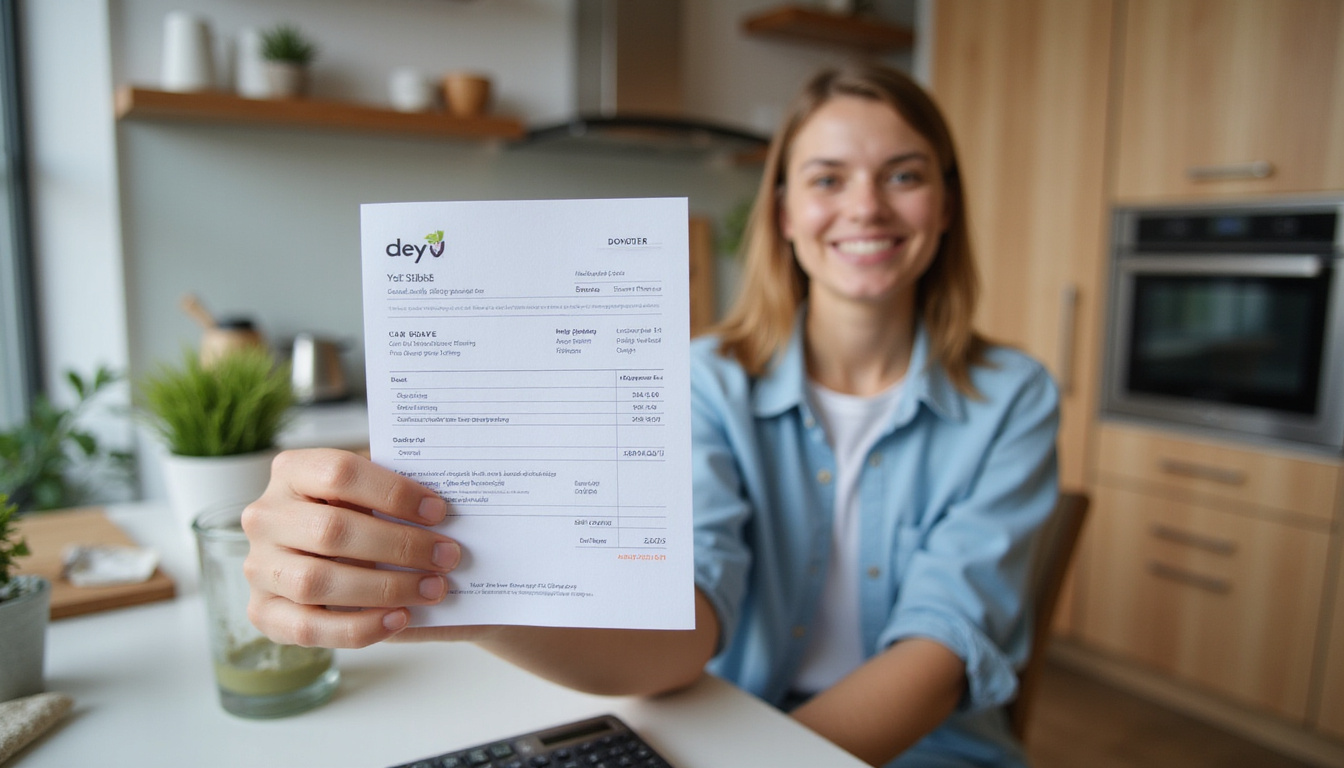
Getting a donation receipt
Ask the charity for a written acknowledgment that includes:
- Organization’s name and confirmation of tax-exempt status
- Date and general description of the appliance
- Statement that no goods or services were received in return (if applicable)
Most organizations will not assign a dollar value; that’s your responsibility as the donor. Keep your own records of:
- Model and serial numbers
- Photos before donation
- Estimated FMV and how you calculated it
- Any professional appraisals for high-value items
When tax savings might not apply
You may not get a tax benefit from appliance donation if:
- You take the standard deduction instead of itemizing
- You donate to individuals directly (e.g., via Facebook) instead of to a qualified charity
- The organization is not recognized as tax-exempt
Tax rules can change, so consult a tax advisor for personalized guidance.
When recycling is better than appliance donation
Not every appliance is a good candidate for donation. Consider recycling if:
- The item is non-working, unsafe, or heavily damaged
- It is very old and highly inefficient, especially fridges or AC units
- It has been recalled or poses a safety hazard
- Repair costs would exceed its remaining value
Many municipalities, utility companies, and retailers run appliance recycling programs, sometimes offering rebates for old fridges, freezers, or air conditioners. These programs typically:
- Safely remove refrigerants
- Recycle metals and plastics
- Provide responsible disposal that meets environmental standards
Check your city’s waste management website or utility company for current programs.
Simple checklist for a smooth appliance donation
Use this quick list to streamline the process:
- Confirm your appliance is safe and in working condition
- Research local charities and confirm they accept your specific item
- Decide between drop-off and pickup
- Clean and (if needed) defrost the appliance thoroughly
- Safely disconnect water, gas, or power lines
- Clear a path and prepare your home for movers
- Get and save a donation receipt for tax purposes
- Take photos and note the model, age, and condition for your records
FAQ about appliance donation
1. Where can I donate used appliances near me?
Search “appliance donation near me” along with your city to find nearby options. Start with national charities like Habitat for Humanity ReStore, Salvation Army, and Goodwill, then look for local thrift stores, shelters, and housing nonprofits. If charities can’t take your item, use local groups like Freecycle, Buy Nothing, or neighborhood boards to connect directly with someone who needs it.
2. Does Goodwill take appliances, and are they tax-deductible?
Many Goodwill locations accept small appliances, and some accept larger items depending on space and condition. Each location sets its own rules, so call ahead. If you donate to Goodwill or another qualified nonprofit and itemize your deductions, your appliance donation may be tax-deductible at its fair market value.
3. Can I get a free pickup for appliance donation?
Yes, many charities offer free pickup for large, working appliances. Availability depends on your location, the organization’s resources, and the condition of your item. Habitat ReStores and some Salvation Army chapters frequently provide free appliance donation pickup. Always confirm when scheduling whether pickup is free, what they’ll take, and whether you’ll receive a donation receipt.
Don’t let usable appliances sit idle in your garage or end up in a landfill. Turn your old fridge, stove, washer, or microwave into practical help for a neighbor in need—and possibly into a tax deduction for your household. Start by identifying a local nonprofit or community group that accepts appliance donation, schedule a pickup or drop-off, and document the gift properly. Taking an hour to donate today can free up your space, support vital programs, and give your appliance a meaningful second life.
Junk Guys Inland Empire
Phone: 909-253-0968
Website: www.junkguysie.com
Email: junkguysie@gmail.com