
Furniture Pickup Hacks to Save Time, Money, and Hassle
If you’ve ever tried to arrange furniture pickup—whether for a new purchase, a move across town, or getting rid of old pieces—you know how quickly it can turn into a time-consuming, expensive headache. Between measuring, scheduling, lifting, and dealing with delays or surprise fees, the process can feel overwhelming. The good news: with the right strategy and a few smart hacks, you can simplify the entire experience and keep more money in your pocket.
This guide walks you through practical, real-world tactics to make furniture pickup faster, cheaper, and far less stressful.
1. Plan Your Furniture Pickup Backwards from the Deadline
Most people start with the question: “When can I get this picked up?” A better approach is to work backward from when you truly need the furniture gone or delivered.
Define your “must-be-done-by” date
Before you even book a service or borrow a truck, clarify:
- The exact date you need the piece out of your home (end of lease, renovation start, new item arriving).
- Any time constraints (elevator reservations, HOA rules, work schedule).
- Backup options if pickup is delayed (garage, storage unit, spare room).
Then, schedule your furniture pickup at least 2–7 days before that hard deadline. This buffer:
- Lets you handle unexpected delays or vehicle issues.
- Gives you time to fix access problems (parking, elevator reservations).
- Avoids costly last-minute, “rush” fees from movers or junk haulers.
2. Measure Once, Move Once: Avoid Delivery and Pickup Nightmares
Nothing causes more day-of chaos than a sofa that doesn’t fit through the door or a wardrobe that won’t clear the stairwell. Ten minutes of measuring can save you hours of struggle and hundred-dollar fees.
Measure three things (not just the furniture)
-
The furniture
- Height, width, and depth
- Any removable parts (legs, cushions, shelves)
-
Your current space
- Doorways (especially the narrowest one)
- Hallways, stairwells, and tight turns
- Elevator dimensions (if applicable)
-
The destination space (if you’re having something picked up for delivery elsewhere)
- Entry and key turns
- Low ceilings or bulkheads
- Path from door to room
Pro tip: Take photos of tight spots and send them to your mover or pickup service. This helps them plan the right crew and tools, and can prevent “we can’t do this without extra charges” conversations on arrival.
3. Compare Your Real Options: DIY vs Pickup Services vs Store Delivery
Not all furniture pickup choices cost the same—or come with the same risk or effort. Before deciding, do a quick comparison using time, money, and risk as your criteria.
Option A: DIY with a borrowed or rented vehicle
Best for:
- Short distances
- Lighter pieces
- Budget-conscious moves
Pros:
- Lowest direct cost (especially if borrowing a vehicle)
- Full control over timing
- Easy to coordinate with multiple stops
Cons:
- You’re doing the lifting (injury risk, property damage)
- Potential for scratching walls, floors, or the furniture
- Need to source blankets, straps, and tools
Option B: On-demand pickup and delivery services
These are app-based or local services that specialize in one-off pickups.
Best for:
- Single-item moves
- Facebook Marketplace / Craigslist purchases
- People without trucks
Pros:
- Usually cheaper than full-service movers
- Faster scheduling, often same-day
- You can track the driver and communicate easily
Cons:
- Less predictability on who shows up
- May have limited help with disassembly/reassembly
- Extra charges for stairs, long carries, or heavy items
Option C: Retailer delivery and haul-away
When buying new, many stores offer delivery and old furniture haul-away.
Best for:
- New purchases replacing old items
- Large appliances or big-box furniture orders
Pros:
- One visit covers drop-off and removal
- Often discounted when bundled with purchase
- Less coordination on your part
Cons:
- Delivery windows can be large (4–8 hours)
- Haul-away may have restrictions (condition, type of item)
- Fees can be higher than specialized removal services
To truly save money, price out at least two options. Include your own time in the calculation; a “cheap” DIY day that eats 6 hours and strains your back might not be the best deal.
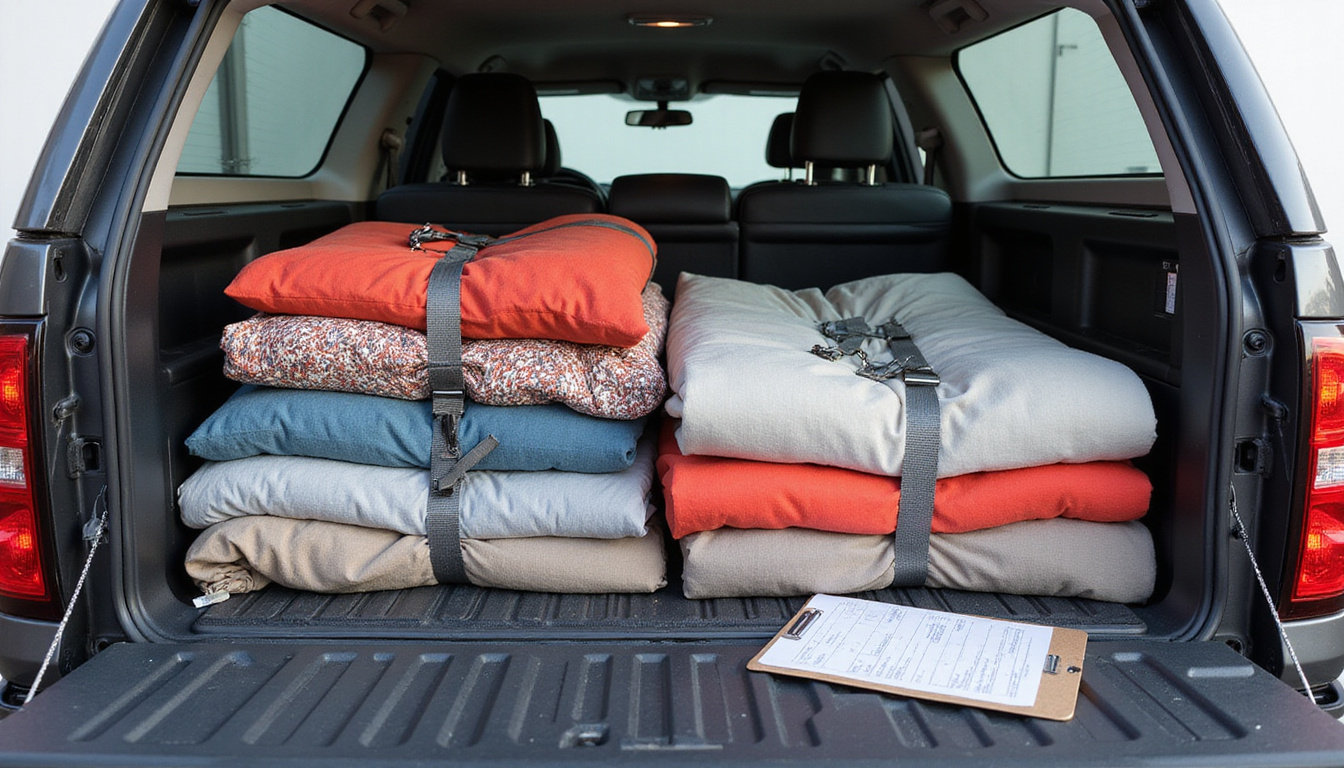
4. Pre-Disassemble Smartly to Cut Time and Costs
Disassembling furniture before pickup can significantly lower the time your helpers or movers spend on-site—and time is usually what you’re billed for.
Disassemble the right way
Focus on:
- Beds: Remove mattresses, slats, and headboards. Keep screws and brackets in a labeled bag taped to the frame.
- Tables: Take off legs if possible. It makes moving through doors far easier.
- Sectional sofas: Separate sections, remove feet, and stack cushions.
- Shelving units: Remove glass shelves and doors; secure remaining parts with tape or straps.
Avoid taking apart complex items (like certain IKEA wardrobes) more than necessary; sometimes partial disassembly is enough. Check manufacturer instructions if available—many are online.
5. Bundle Pickups and Drops for Maximum Savings
Every trip costs someone money—fuel, labor, and vehicle wear. When you can bundle trips, you often get better rates.
How to bundle effectively
- Consolidate items: Have all items headed to donation, recycling, or storage ready at the same time.
- Coordinate with neighbors or friends: If multiple people in a building or street need furniture pickup, see if a local hauler will give a group rate.
- Plan multi-stop routes: If you’re renting a truck, pick up/store/deliver everything in one loop instead of multiple days.
Ask haulers or movers directly: “If I add one or two more items to this pickup, can you give me a better total rate?” Many will say yes, especially if items are in the same location.
6. Use Free and Low-Cost Furniture Pickup Options First
Before paying for removal, explore options that might cost little or nothing—especially for usable pieces.
Explore these channels
- Local charities and nonprofits: Many offer free furniture pickup for donations that meet their standards. Check organizations like Habitat for Humanity ReStore (source: Habitat for Humanity).
- Buy Nothing and local Facebook groups: Post items as “must pick up by [date].” You handle coordination, but the recipient does the heavy lifting.
- College move-in/out times: Near campuses, students are often looking for low-cost or free furniture and can arrange their own pickup.
- Municipal bulk pickup days: Many cities offer scheduled bulk collection; some require advance booking or small fees.
These options work best for items in decent, safe condition. For broken or heavily stained furniture, you’ll likely need junk removal or self-haul to the dump.
7. Prepare Your Space for Fast In-and-Out
Time wasted navigating cluttered rooms, locking up pets, or clearing snow can directly add to your bill or frustrate volunteers.
Get “pickup-ready” before anyone arrives
- Clear a wide pathway from the item to the exit—no boxes, shoes, or rugs to trip on.
- Remove doors from hinges if you already know clearance is tight.
- Reserve elevators or loading docks if your building requires it.
- Secure pets in another room so nobody has to pause to wrangle them.
- Protect floors with cardboard, blankets, or drop cloths—cheaper than repairing scratches.
When pros or helpers walk in and see everything perfectly laid out, your appointment moves quicker and with fewer surprises.
8. Pack, Wrap, and Label to Prevent Damage (and Disputes)
Skimping on basic protection can cost you more in repairs or replacements than the entire furniture pickup service.
Simple protection tactics
- Use moving blankets, thick towels, or comforters to wrap wooden or glass surfaces.
- Secure wrapping with tape or stretch wrap; avoid tape directly on finished wood.
- Label parts and hardware in clear bags—for example: “Dining table screws” or “Sofa feet.”
- For drawers, either remove them or secure them shut with stretch wrap.
If you’re hiring a service, ask in advance: “Do you provide pads and straps? Is there an extra cost?” Then you can decide if you want to prep your own.
9. Time Your Pickup for Better Availability and Pricing
Timing can impact both the cost and the quality of service you get.
Best times to schedule furniture pickup
- Mid-week (Tuesday–Thursday): Often cheaper and less booked than weekends or Mondays.
- Non-peak times of month: Avoid end-of-month crunch when many people are moving.
- Morning slots: Fewer delays from earlier jobs, and crews are less rushed.
If you have flexibility, tell the provider: “I’m flexible on day and time—what’s your cheapest window?” They may offer a discount if they can fit you into an existing route.
10. Vet Your Furniture Pickup Provider to Avoid Hassles
When using paid services, a little homework protects you from damaged items, no-shows, and surprise charges.
Quick vetting checklist
- Read recent reviews (last 3–6 months) for mentions of:
- Communication and punctuality
- Care for property
- Handling of issues or damages
- Confirm what’s included in the quote:
- Stairs? Long carries? Disassembly?
- Dump or disposal fees?
- Fuel or “environmental” surcharges?
- Ask about:
- Insurance or liability coverage
- What happens if they damage a wall or item
- Their cancellation and rescheduling policy
For bigger jobs or valuable furniture, get written confirmation (email or text) summarizing what you agreed on, including price and scope.
11. Document Before and After—Just in Case
Photos take seconds and can save you from disputes.
- Take clear pictures of each piece before pickup (all sides, any existing damage).
- Photograph tight spaces and hallways in case there’s a claim about scuffs or damage.
- If the pickup involves disposal, snap an image of the loaded truck for your records.
Most of the time you’ll never need these, but when something goes wrong, you’ll be glad you have them.
FAQ: Common Furniture Pickup Questions
1. How much does furniture pickup and removal usually cost?
Furniture pickup and removal costs vary depending on your location, type and number of items, and access (stairs, distance to truck). For a single item, you might pay anywhere from $50–$150. Multiple items or full-room clear-outs can range from $150–$500 or more. Get at least two quotes and ask what’s included (labor, disposal fees, surcharges).
2. Can I get free furniture pickup for old but usable items?
Yes, many charities and reuse centers offer free furniture pickup services for items that are clean, safe, and resellable. Availability and criteria vary by organization and city, so check local nonprofits, Habitat for Humanity ReStores, and charity shops in your area. Posting on Buy Nothing or local community groups can also connect you with people willing to pick items up at no cost.
3. What’s the best way to prepare for a same-day furniture pickup?
For same-day furniture pickup, prepare by clearing a path to the door, pre-disassembling large items, wrapping delicate surfaces, and having everything near the exit if possible. Take quick measurements to ensure the item fits through your doorways, and keep pets out of the way. If you’re using an on-demand service, send accurate photos and descriptions so they send the right vehicle and crew.
Make Your Next Furniture Pickup the Easiest One Yet
With a bit of planning and a few strategic hacks, furniture pickup doesn’t have to be a dreaded chore. Start by working backward from your deadline, measure carefully, and choose the right type of service for your budget and effort level. Then boost your savings by bundling items, exploring free or low-cost options, and preparing your space and furniture so the pickup itself is fast and trouble-free.
If you’re ready to clear space, upgrade your home, or move without the usual stress, put these tips into action on your next pickup. Compare a couple of local services today, ask the right questions, and schedule a well-planned, hassle-free furniture pickup that saves you both time and money.
Junk Guys Inland Empire
Phone: 909-253-0968
Website: www.junkguysie.com
Email: junkguysie@gmail.com