
If your home was built before the late 1980s, asbestos removal should be on your radar before you start any renovation. Asbestos-containing materials were widely used in insulation, flooring, roofing, wall systems, and more. When disturbed, they can release invisible fibers that pose serious health risks. Understanding what asbestos is, where it may be in your home, and how to deal with it safely can protect your family’s health and your renovation budget.
What Is Asbestos and Why Is It Dangerous?
Asbestos is a group of naturally occurring minerals made up of tiny, durable fibers that resist heat, fire, and chemicals. For decades, these properties made asbestos popular in construction materials, especially in homes built between the 1940s and 1980s.
The danger arises when asbestos-containing materials are cut, sanded, drilled, or broken, releasing microscopic fibers into the air. When inhaled, these fibers can become trapped in the lungs and, over time, cause serious diseases, including:
- Asbestosis – Scarring of lung tissue causing breathing problems
- Lung cancer – Significantly higher risk, especially for smokers
- Mesothelioma – A rare, aggressive cancer of the lining of the lungs or abdomen, almost exclusively linked to asbestos exposure (source: U.S. EPA)
These illnesses typically develop many years after exposure, which is why safe asbestos removal and handling today is so critical.
Where Asbestos Might Be Hiding in Your Home
You usually can’t tell by looking whether a material contains asbestos. Still, certain building components and eras are more likely to harbor it.
Common places asbestos may be found include:
-
Flooring materials
- Vinyl sheet flooring (especially with felt backing)
- Vinyl floor tiles (often 9′ x 9′ tiles, but also some 12′ x 12′)
- Adhesives and mastics used under tile or linoleum
-
Ceilings and walls
- “Popcorn” (acoustic) ceiling textures and spray-on coatings
- Joint compound and some plasters
- Cement wallboard and backing boards around fireplaces or stoves
-
Insulation
- Pipe insulation on hot water or steam pipes
- Boiler and furnace insulation
- Vermiculite attic insulation (particularly from certain historic sources)
-
Roofing and exterior
- Asphalt roofing shingles and felt
- Cement shingles or siding
- Some exterior stucco and cement panels
-
Other components
- Old caulking, sealants, or window putties
- Fire doors and fire-resistant boards
- Backing boards for electrical panels or heaters
If your home or building was constructed or renovated before about 1990, consider the possibility of asbestos before doing demolition, sanding, or cutting.
Disturbing vs. Leaving Asbestos in Place
Not all asbestos is an immediate emergency. The key factor is whether the material is friable or non-friable:
- Friable asbestos: Can be easily crumbled by hand (e.g., some sprayed-on insulation or old pipe wrap). This is high-risk because fibers are easily released.
- Non-friable asbestos: Bound tightly in another material, like vinyl tile or cement siding. Lower risk when intact; risk rises during cutting, sanding, or demolition.
In many cases, intact asbestos-containing materials can be managed in place (left undisturbed and in good condition) rather than removed. However, if you’re planning renovations that will disturb these materials, you must address them safely—often through professional asbestos removal or encapsulation.
Legal and Safety Considerations Before Renovating
Regulations on asbestos removal and handling vary by country, state, and sometimes by municipality, but several common themes apply:
- Notification requirements: Many jurisdictions require you or your contractor to notify environmental or building authorities before disturbing asbestos.
- Licensed professionals: In most areas, only licensed asbestos abatement contractors can remove certain types and amounts of asbestos.
- Disposal rules: Asbestos waste must be sealed, labeled, and taken to approved disposal facilities.
Before starting your project:
- Check your local regulations (environmental agency, health department, or building authority).
- Verify that any contractor you hire is properly licensed and insured for asbestos work.
- Understand that DIY asbestos removal may be restricted or prohibited in your area.
Ignoring legal requirements can result in fines, project delays, or costly cleanup orders—not to mention potential health hazards.
When and How to Test for Asbestos
If you suspect asbestos, don’t guess. Testing is the only way to confirm its presence.
When to test
Order asbestos testing before you:
- Remove old flooring, especially vinyl or linoleum
- Scrape popcorn ceilings or textured paints
- Cut into plaster, cement board, or old drywall
- Demolish walls, ceilings, or built-ins in pre-1990 homes
- Disturb any suspicious insulation, especially around pipes or in attics
How testing works
You have two main options:
-
Hire a certified asbestos inspector
- They visually assess your home and safely collect bulk samples.
- Samples are sent to an accredited laboratory for analysis.
- You receive a report detailing what materials contain asbestos and in what concentration.
-
DIY sample collection (where allowed)
- Only do this if your local regulations permit and you follow safety guidelines:
- Wear proper PPE (respirator, disposable coveralls, gloves).
- Turn off HVAC systems to reduce fiber spread.
- Lightly mist the material before cutting a small piece.
- Double-bag and label the sample as directed.
- Send the sample to an accredited lab.
- Only do this if your local regulations permit and you follow safety guidelines:
Because sample collection itself can disturb fibers, hiring a professional is often the safest choice, especially for friable materials like popcorn ceilings or pipe insulation.
Professional Asbestos Removal vs. Encapsulation
Once asbestos is confirmed, your options usually fall into three categories:
1. Removal
Professional asbestos removal means taking all asbestos-containing material out of the home. This is often chosen when:
- Materials are badly damaged or deteriorating
- Renovations require full demolition of affected areas
- Future disturbance is likely (e.g., frequent maintenance or remodeling)
Removal is invasive and can be expensive, but it permanently eliminates the source.
2. Encapsulation
Encapsulation involves coating or sealing asbestos-containing materials so fibers cannot escape. Examples:
- Applying a sealant over asbestos-containing floor tiles
- Encasing old pipe insulation with protective jackets
- Painting or sealing intact popcorn ceilings (without scraping them off)
This can be more cost-effective and less disruptive than removal, but it leaves the asbestos in place. Any future renovation must account for it.
3. Enclosure
Less common in homes but sometimes used: building a barrier around asbestos materials (for example, boxing in a pipe run). Like encapsulation, asbestos remains but is isolated.
A licensed asbestos contractor can explain which method is appropriate based on material type, condition, and your renovation plans.
What Professional Asbestos Removal Looks Like
Knowing what to expect helps you plan your renovation timeline and budget.
A typical professional asbestos removal project includes:
-
Site preparation
- Establishing a regulated work area
- Sealing openings with plastic sheeting and tape
- Setting up negative air pressure machines with HEPA filtration
- Turning off HVAC systems to prevent fiber spread
-
Worker protection
- Use of respirators, disposable suits, gloves, and eye protection
- Decontamination units or areas for workers to safely remove gear
-
Careful removal
- Wetting materials to minimize dust
- Gently removing, not breaking, asbestos materials where possible
- Avoiding power tools that create dust unless equipped with special controls
-
Containment and disposal
- Double-bagging waste in 6-mil plastic bags
- Labeling and sealing all asbestos waste
- Transporting it to approved hazardous waste or asbestos disposal facilities
-
Final cleaning and clearance
- HEPA vacuuming and wet-wiping all surfaces
- Air monitoring or clearance testing (in many jurisdictions)
- Removing containment only after air tests meet safety standards
This process protects not only your household but also neighbors and future occupants.
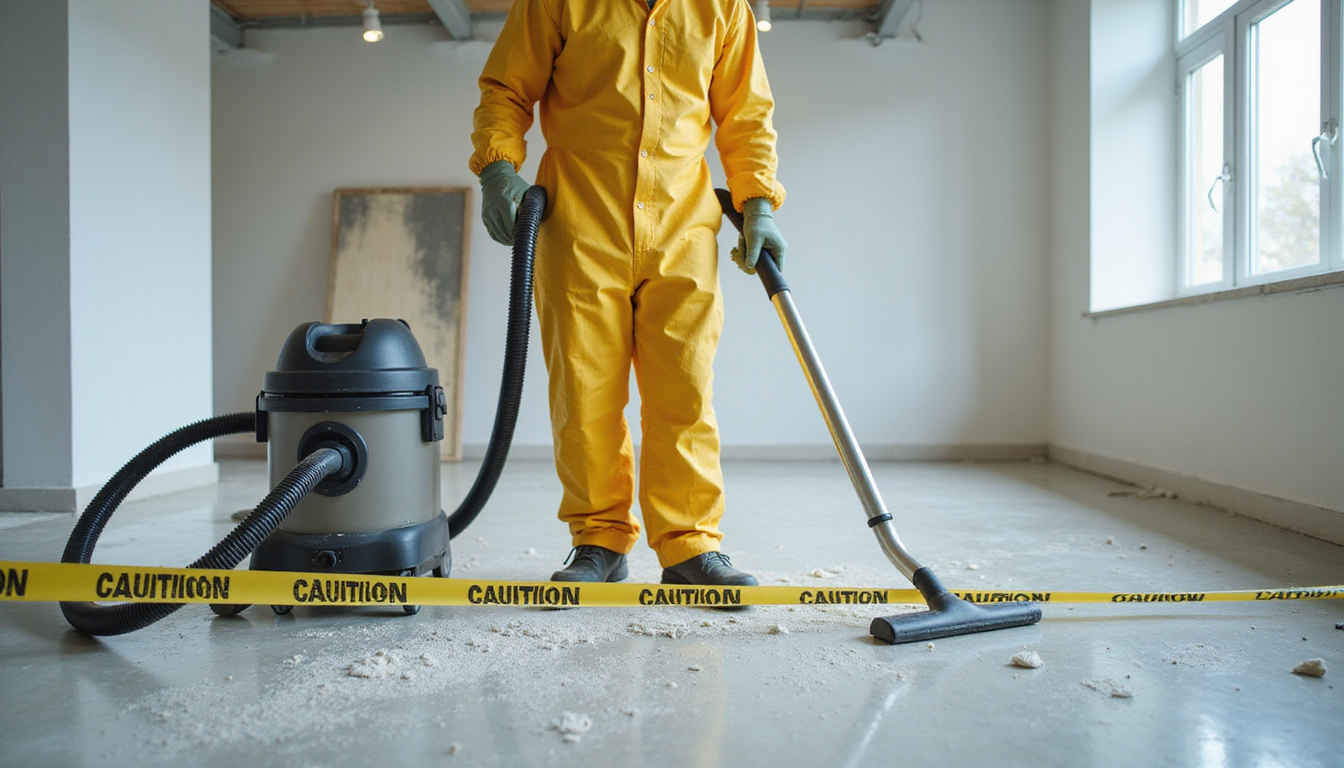
Can You Do DIY Asbestos Removal?
From a safety perspective, DIY asbestos removal is rarely a good idea, and from a legal perspective, it may not even be allowed.
Even with protective gear, homeowners typically lack:
- Proper containment and negative air systems
- Training in safe removal techniques
- Access to approved disposal sites in some areas
If your local laws do permit limited DIY asbestos work, it’s usually restricted to very small, non-friable jobs (like a few intact vinyl tiles) and still requires careful handling and disposal.
In most cases, especially where children, pets, or neighbors could be exposed, hiring a licensed asbestos abatement contractor is the responsible and safest choice.
Cost Factors in Asbestos Removal
The cost of asbestos removal can vary widely, but several factors drive the price:
- Type of material – Friable materials (like popcorn ceilings or pipe insulation) are generally more expensive to remove than non-friable (like floor tile).
- Extent and location – Larger areas or hard-to-reach places (crawl spaces, high ceilings) add labor and time.
- Access and setup – Multi-story buildings or complex containment needs increase costs.
- Testing and clearance – Pre-removal testing and post-removal air monitoring are additional line items.
- Local regulations – Permit fees, disposal costs, and strict compliance standards can raise the total.
While the upfront cost can seem high, proper asbestos removal can prevent far more expensive health, legal, and remediation problems down the line—especially if a poorly handled project contaminates the rest of the house.
How to Choose a Qualified Asbestos Removal Contractor
Selecting the right professional is critical. Use this quick checklist when evaluating asbestos removal companies:
-
Licensing and certification
- Are they licensed or certified for asbestos abatement in your state/province?
- Can they provide license numbers and documentation?
-
Insurance
- Do they carry general liability and environmental/pollution liability coverage?
- Are workers’ compensation policies in place?
-
Experience and references
- How many similar residential projects have they completed?
- Can they share references or reviews from past clients?
-
Detailed written proposal
- Does the estimate outline the scope, containment methods, disposal, and cleanup?
- Are testing and clearance procedures included or clearly addressed?
-
Compliance and communication
- Will they handle permits and notifications?
- Do they clearly explain risks, timelines, and what you need to do (e.g., vacating the home)?
A transparent, safety-first contractor is far more valuable than the cheapest bid.
FAQs About Asbestos Removal and Renovation
Q1: Do I always need asbestos abatement before home renovations?
Not always. If testing shows no asbestos, or if known asbestos-containing materials will remain intact and undisturbed, full abatement might not be necessary. However, any work that involves demolition, sanding, cutting, or drilling into suspect materials should be preceded by testing and, if positive, a proper asbestos abatement plan.
Q2: How long does residential asbestos removal usually take?
The duration depends on the size and complexity of the project. Small asbestos removal jobs—like a single room of vinyl tile—might be completed in a day. Larger projects, such as whole-house popcorn ceiling removal or extensive pipe insulation abatement, can take several days to a couple of weeks, including setup, removal, and clearance testing.
Q3: Can I live in my home during asbestos remediation?
Sometimes, but not always. For minor asbestos remediation work contained to a small, isolated area, you may be able to remain in the house, staying well away from the work zone. For bigger projects—especially those involving central areas or multiple rooms—many homeowners choose to move out temporarily until clearance tests confirm the space is safe.
Protect Your Home, Health, and Investment
Before picking up a sledgehammer or calling in a renovation crew, take asbestos removal seriously. Hidden asbestos can turn a simple remodel into a health hazard and financial burden if not handled correctly.
Start by identifying potential risk areas in your home, arranging professional asbestos testing where needed, and consulting with a licensed abatement contractor about the safest options—removal, encapsulation, or a combination.
If you’re planning a renovation on a pre-1990 property, now is the time to act. Reach out to a qualified local asbestos inspection and removal specialist to evaluate your home, design a safe plan, and give you peace of mind so you can renovate with confidence and protect the people who matter most.
Junk Guys Inland Empire
Phone: 909-253-0968
Website: www.junkguysie.com
Email: junkguysie@gmail.com