
Pallet removal is one of the fastest, lowest-cost ways to free up warehouse space without expanding your building or adding racking. Yet in many facilities, old pallets pile up behind docks, in corners, and along walls, quietly eating up valuable square footage and creating safety risks. With a strategic approach, you can turn that clutter into clear aisles, safer operations, and sometimes even a new revenue stream.
Below are 10 smart, practical ways to manage pallet removal more efficiently and reclaim your warehouse space.
1. Start With a Pallet Audit
Before you change anything, you need to know what you’re dealing with.
Walk your facility and document:
- How many pallets are idle or damaged
- Where they tend to accumulate
- What types you have (stringer, block, CHEP, Euro, plastic, specialty)
- Which suppliers are generating the most waste pallets
This simple pallet audit often reveals patterns: certain inbound loads that always leave behind non-standard pallets, or staging areas where pallets pile up because there’s no defined removal process.
From this audit, classify pallets into three main categories:
- Reuse in-house
- Return to supplier or pooling provider
- Remove (sell, recycle, or dispose)
A clear picture of your pallet inventory is the foundation for every other pallet removal strategy.
2. Implement a “Pallet Home” Policy
Uncontrolled stacking is a major driver of clutter. Many warehouses have pallets in every corner because there’s no single, defined storage location for empties.
Create a “pallet home” policy:
- Designate one or more centralized pallet collection zones
- Prohibit ad hoc stacks in aisles, corners, and dock edges
- Mark zones clearly on the floor with paint or tape
- Set maximum stack heights (e.g., 15–20 pallets) for safety
Then train your team that all empty pallets must be moved to these zones by the end of each shift. This simple policy ensures pallets don’t sprawl into valuable storage or travel lanes and makes pallet removal by vendors or recyclers much faster and safer.
3. Separate Reusable Pallets From Scrap
Treat pallets like any other inventory: separate usable stock from waste.
Set up two clearly labeled areas:
- “Good Pallets – Reuse”: Structurally sound, standard size, clean
- “Scrap Pallets – Removal”: Cracked stringers, broken boards, non-standard sizes, contaminated pallets
Train your team on quick visual checks:
- Broken or split stringers
- Missing or loose deck boards
- Excessive warping
- Signs of contamination (chemicals, mold, pests)
By separating good from bad at the point of collection, you reduce handling touches later and make downstream pallet removal partners more likely to accept your loads (and possibly pay for them).
4. Establish Regular Pallet Removal Pickups
Ad-hoc pickups lead to inconsistent piles and last-minute scrambles to clear space. Instead, schedule pallet removal like any other recurring service.
Consider:
- Weekly or biweekly pickups for moderate volumes
- On-call plus minimum volume agreements for variable flows
- Seasonal adjustments if your business has strong peaks
Work with local pallet recyclers, waste haulers, or specialized pallet removal companies to define:
- Minimum quantity for free pickup
- Types they accept (e.g., standard 48×40 only)
- Any fees for mixed loads or heavily damaged pallets
Consistent pickups prevent backlog, keep your “pallet home” zones manageable, and give your team a predictable process to follow.
5. Monetize Pallets Through Resale or Buy-Back
Many companies still treat pallets as pure waste, but standard sizes in decent condition often have resale value. Smart pallet removal can become a small but meaningful revenue stream.
Options include:
-
Local pallet recyclers and refurbishers
- Buy standard 48×40 GMA pallets by the truckload
- May also accept certain Euro or block pallets
- Often offer tiered pricing based on condition
-
Supplier or carrier buy-back programs
- Some vendors will pay you back for pallets returned in good condition
- Particularly common in closed-loop or dedicated logistics networks
-
Online marketplaces or B2B platforms
- Useful if you generate consistent volumes of specific pallet types
Even modest returns can offset waste disposal and handling costs. Just ensure you separate saleable pallets from scrap so you’re not paying someone to haul away what you could sell.
6. Use Pallet Pooling and Return Programs
One of the most effective ways to reduce the need for pallet removal is to avoid accumulating stray pallets in the first place.
Pallet pooling or return programs allow you to:
- Receive product on pallets that are owned by a pooling provider
- Track and return those pallets through a managed network
- Avoid managing repair, storage, or disposal of those assets
Widely used pooling systems (e.g., CHEP, PECO) operate extensive networks to collect and reuse pallets, reducing waste and improving unit load consistency (source: CHEP).
Where full pooling isn’t feasible, consider:
- Return agreements with key suppliers
- Reversible freight programs where carriers take empties back
- Shared pallet standards across partners to simplify returns
Fewer mismatched pallets entering your facility means less pallet removal work downstream.
7. Optimize On-Site Pallet Storage
Even with a good pallet removal program, you’ll always have some pallets on-site. Poor storage methods waste space and create hazards.
To optimize:
- Store pallets in tall, stable stacks to minimize floor footprint
- Orient stacks away from overhead sprinklers and emergency equipment
- Use pallet stacking frames or racks for higher, safer stacks where appropriate
- Keep stacks a safe distance from walls to allow inspection and pest control
- Enforce clear maximum stack heights and train staff on safe stacking techniques
When pallets are neatly consolidated and properly stacked, your removal partners can load them faster, and your teams spend less time moving unnecessary stacks out of the way.
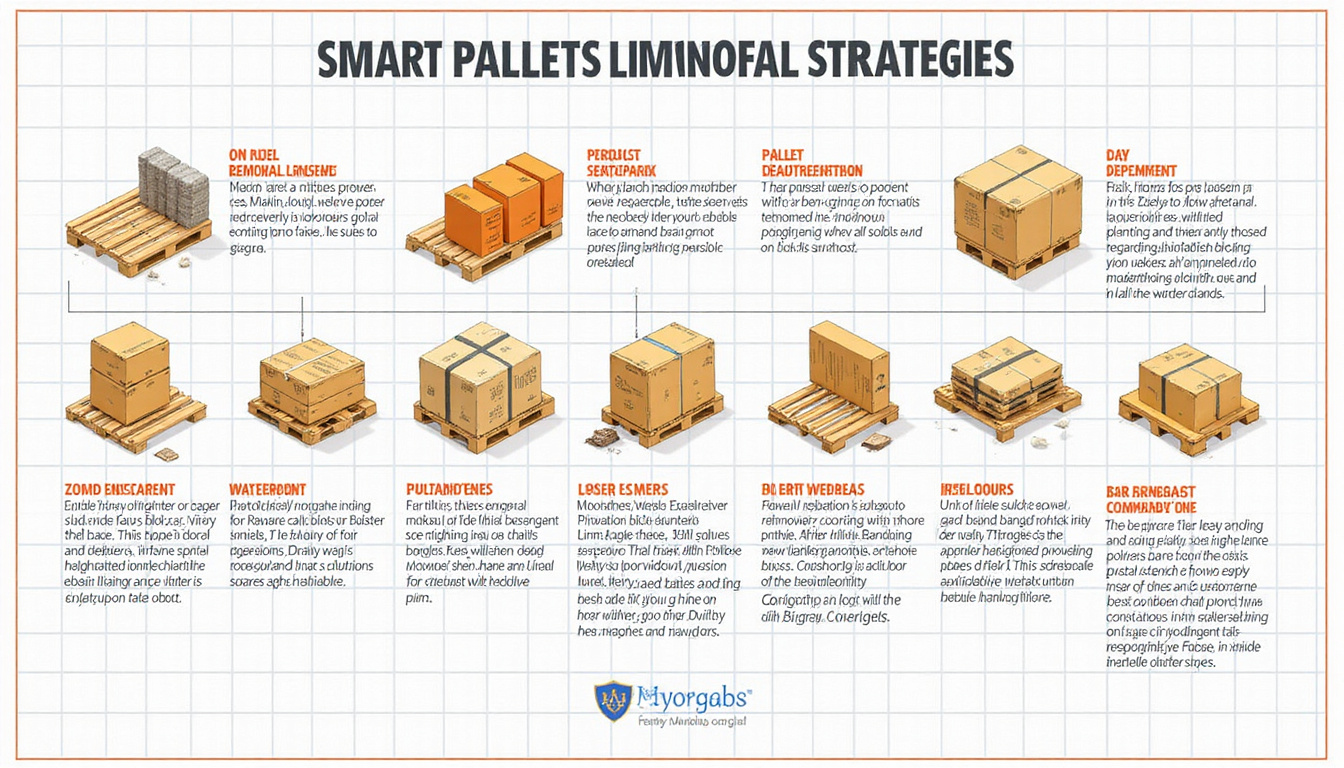
8. Turn Damaged Pallets Into Repaired Stock
Not every damaged pallet needs to be scrapped. With basic repair processes, you can extend pallet life, reduce waste, and spend less on new pallets.
Consider:
- Setting up a small repair station with pry bars, nail guns, spare deck boards, and stringers
- Training one or two team members to handle simple repairs
- Creating a “Repair Queue” area so that damaged pallets are evaluated rather than immediately discarded
Alternatively, some pallet recyclers offer:
- On-site repair services
- Swap programs (you send broken pallets, they return repaired ones)
Repairing pallets reduces the volume that requires full pallet removal, while ensuring you maintain a healthy pool of safe, usable pallets for internal operations.
9. Track Pallet Flows Like Any Other Asset
Pallets may be low-value individually, but at scale, they represent real money and space. Treating pallet removal and movement as a tracked process can reveal hidden inefficiencies.
You can:
- Add pallet counts to existing warehouse KPIs
- Track pallets in and out by supplier, lane, or dock door
- Use simple barcode tags or manual logs for higher-value or proprietary pallets
- Monitor average on-site pallet inventory over time
The goal isn’t complex software as much as visibility. If you see that a particular vendor or process generates excess scrap, you can address the root cause: poor pallet quality, rough handling, or misaligned pallet standards.
Better tracking = fewer surprises and more controlled pallet removal cycles.
10. Integrate Pallet Removal Into Lean and Safety Programs
Pallet clutter isn’t just a housekeeping issue—it’s a safety hazard and a barrier to lean flow.
Fold pallet management into your existing initiatives:
-
5S / Lean
- “Sort” out scrap pallets daily
- “Set in order” by defining pallet homes and clear labels
- “Shine” and “standardize” through visual controls and audits
-
Safety programs
- Include pallet stack inspections in regular safety walks
- Train operators on safe lifting and stacking practices
- Remove protruding nails, broken boards, and trip hazards immediately
By making pallet removal part of your continuous improvement culture, you avoid backsliding into old habits where pallets quietly accumulate until they become a problem again.
Practical Checklist: Streamlined Pallet Removal Program
Use this quick list to design or refine your approach:
- Conduct a warehouse-wide pallet audit.
- Define centralized pallet collection zones (“pallet homes”).
- Separate reusable pallets from scrap at the source.
- Set clear stack height and location rules for safety.
- Partner with a pallet recycler or removal service and schedule regular pickups.
- Explore resale and buy-back options for standard, good-condition pallets.
- Use pooling or return programs with key suppliers where feasible.
- Create a basic repair process for lightly damaged pallets.
- Track pallet volumes and flows as a basic KPI.
- Embed pallet control into your 5S, lean, and safety routines.
Even implementing half of these items will significantly reduce clutter and free up usable warehouse space.
FAQ: Pallet Removal & Warehouse Space
How often should pallet removal services visit a warehouse?
Frequency depends on your volume, but many warehouses benefit from weekly or biweekly pallet removal. The key is consistency—schedule pickups before stacks encroach on aisles, docks, or storage lanes, and adjust seasonally if your throughput changes.
Can pallet waste removal actually save money?
Yes. Efficient pallet waste removal reduces disposal fees, frees up storage locations for revenue-generating inventory, and can even produce income if you sell standard pallets to recyclers. It also lowers the risk of damage, injuries, and operational delays caused by cluttered floors.
What’s the best way to manage wooden pallet disposal vs. recycling?
Whenever possible, prioritize reuse and recycling over disposal. Set aside intact pallets for internal reuse or resale, send broken pallets to recyclers who can reclaim lumber or repair them, and use landfill disposal only for contaminated or non-recyclable pallets. This approach is usually cheaper and more sustainable than treating all pallets as trash.
Take Control of Pallet Removal and Unlock Hidden Space
Every square foot of your warehouse costs money—rent, utilities, and labor to move around in it. When that space is occupied by random stacks of old pallets, you’re losing capacity and efficiency every single day.
By auditing your pallet flows, centralizing collection, partnering with reliable pallet removal or recycling services, and integrating these steps into your standard work, you can quickly transform cluttered floors into usable storage or safer travel aisles. In many cases, you’ll not only free up space but also reduce waste costs and capture extra value from pallets you once treated as garbage.
Now is the ideal time to review your current pallet removal practices. Identify your hotspots, talk to local recyclers or pooling providers, and implement at least two of the strategies above in the next 30 days. Your future warehouse—more spacious, safer, and more efficient—starts with how you handle your pallets today.
Junk Guys Inland Empire
Phone: 909-253-0968
Website: www.junkguysie.com
Email: junkguysie@gmail.com