
If you’re upgrading your laundry room or moving house, washer dryer removal can feel like a big, messy job. These machines are heavy, awkward, and full of metal, plastic, and sometimes hazardous materials that shouldn’t go into a landfill. The good news: with a little planning, you can clear space quickly while staying eco-friendly and safe.
Below is a practical guide to getting rid of your old washer and dryer the right way—without wasting time, money, or resources.
Why Washer Dryer Removal Needs a Plan
Washing machines and dryers are more than just bulky junk. They contain:
- Recyclable metals (steel, aluminum, copper)
- Electronics and wiring
- Plastic components
- Potentially hazardous materials, like oils or refrigerants (for combo units or heat pump dryers)
Throwing these appliances straight into a dumpster can:
- Contribute to landfill waste
- Waste valuable raw materials
- Risk non-compliance with local disposal or e-waste laws
Planning your washer dryer removal ensures you:
- Stay compliant with local regulations
- Protect the environment
- Potentially save money or even earn money through resale or scrap
Step 1: Decide Your Goal – Remove, Reuse, or Resell?
Before you move anything, decide what you want out of the process:
-
Quickest possible removal?
Hire a professional junk or appliance removal service. -
Most eco-friendly approach?
Prioritize donation, reuse, and certified recycling. -
Want to recover some value?
Look into selling or scrapping the units.
This goal will guide which option below is best for your washer dryer removal strategy.
Step 2: Safety First – Preparing the Appliances
Whether you’re moving them yourself or hiring help, you should prepare the units properly:
-
Unplug the power
Turn off the breaker if needed and unplug both machines. -
Turn off and disconnect water (washer)
- Shut off the hot and cold valves.
- Disconnect hoses from the back of the washer.
- Drain excess water into a bucket or sink.
-
Disconnect the drain hose
Remove it from the wall drain or standpipe and let remaining water drain out. -
Disconnect gas (if applicable)
For gas dryers, turn off the gas valve and disconnect the gas line. If you aren’t confident, have a licensed technician do this. -
Unhook the vent (dryer)
Loosen the clamp and remove the vent hose from the wall and dryer. -
Secure cords and hoses
Tape or tie them to the body of the machines to prevent tripping or snagging. -
Protect floors and walls
Use moving blankets, sliders, or cardboard under the feet of the machines to avoid scratches.
This prep work makes washer dryer removal safer, faster, and less likely to cause damage.
Option 1: Trade-In or Haul-Away with the New Appliance
Many appliance retailers and big-box stores offer haul-away services when you buy new units. This can be one of the simplest eco-friendly washer dryer removal solutions.
What to expect:
- They pick up your old washer and dryer when delivering the new ones.
- Units are often taken to a recycling facility or refurbishing partner.
- There may be a small fee or sometimes it’s included as a promotion.
How to use this option effectively:
- Ask ahead of time:
- Do you recycle the units?
- Is haul-away included or extra?
- Confirm whether they accept non-working machines.
This is ideal when you want a fast, low-effort solution and are already purchasing new appliances.
Option 2: Donate for Reuse (If They Still Work)
If your washer and dryer are still in good working condition, donation is one of the most eco-friendly washer dryer removal methods. It extends the life of the appliances and supports people in need.
Possible donation outlets:
- Local charities and thrift organizations (e.g., Habitat for Humanity ReStore, Goodwill, Salvation Army – check your local branch)
- Shelters, community centers, or churches
- Non-profits that help low-income families set up housing
Tips for donating:
- Clean the units (inside and out) and remove personal items.
- Test them: note any minor issues honestly.
- Call ahead to confirm:
- Do they accept large appliances?
- Do they offer pickup?
- Are there age or condition limits?
Donation keeps large items out of landfills and provides a real benefit to your community.
Option 3: Sell or Give Away Locally
Functional or repairable machines can often find a second life through local resale or free giveaway platforms.
Where to list:
- Online marketplaces (Facebook Marketplace, Craigslist, OfferUp, Nextdoor)
- Local classifieds
- Community bulletin boards
How to do this efficiently:
- Include:
- Brand, model, age
- Condition and any issues
- Whether it’s gas or electric (dryer)
- Add clear photos from multiple angles.
- Set a realistic price or list it as “Free – You Haul” if you mainly want it gone quickly.
This washer dryer removal route can earn you some cash or at least ensure fast pickup without hauling it yourself.
Option 4: Scrap Metal and Recycling Centers
If your machines are broken or very old, metal recycling is a responsible and often quick removal option.
Most washers and dryers are primarily steel, with copper and aluminum components. These materials can be recycled into new products, conserving energy and resources (source: U.S. Environmental Protection Agency).
How to recycle:
-
Search for:
- “Appliance recycling near me”
- “Scrap metal yard washers dryers”
- “White goods recycling”
-
Call ahead to ask:
- Do they accept full appliances?
- Is there a drop-off fee, or do they pay by weight?
- Do they offer pickup for multiple units?
-
Prepare for drop-off:
- Remove any loose items or detergent.
- Make sure they’re fully disconnected and drained.
Some municipalities also host bulk metal collection days where you can place appliances curbside for recycling.
Option 5: Hire a Professional Washer Dryer Removal Service
If you don’t have the time, vehicle, or ability to move heavy appliances, hiring professionals is often worth it.
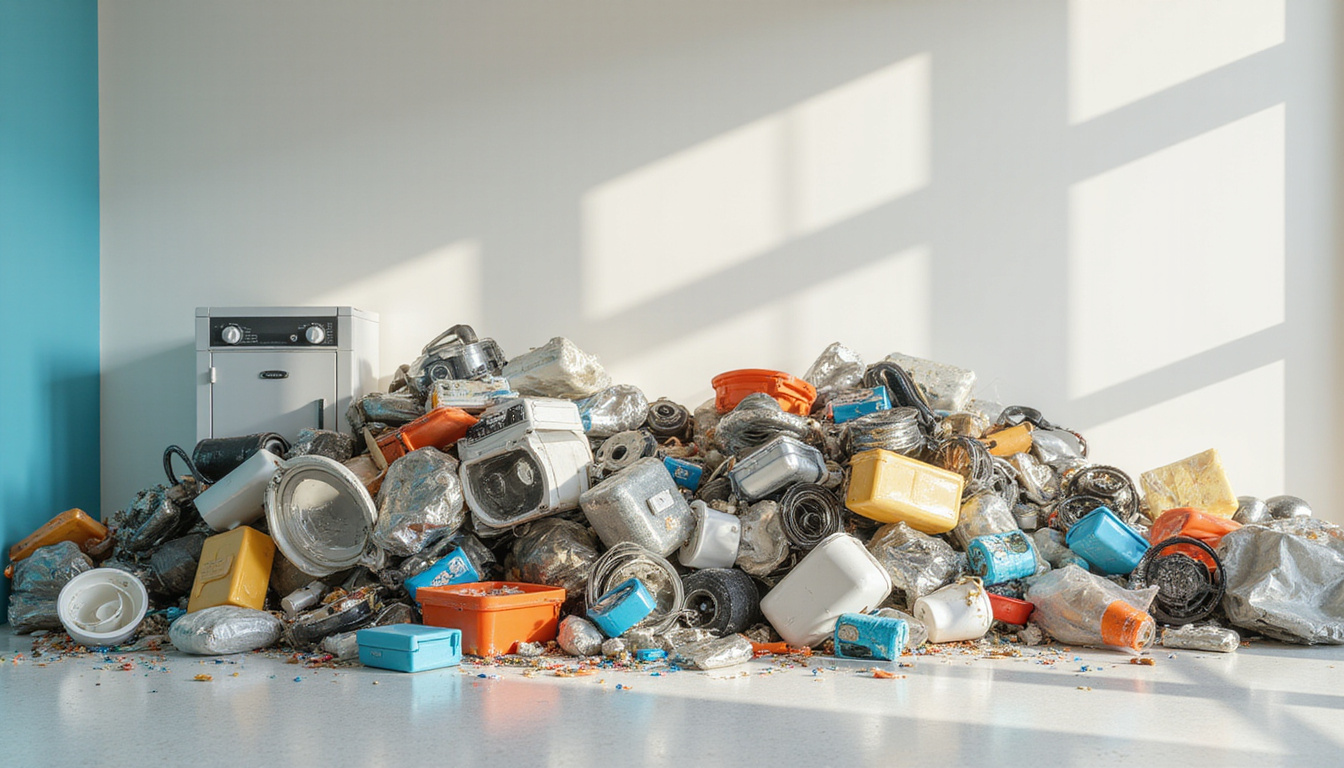
What a removal service typically offers
- Two or more workers to handle heavy lifting
- Proper equipment (dollies, straps, floor protection)
- Transportation and responsible disposal or recycling
- Sometimes same-day or next-day appointments
Choosing an eco-friendly service
When you call, ask:
- Do you recycle appliances whenever possible?
- Do you work with certified recycling facilities?
- What percentage of items do you divert from landfill?
Look for transparent recycling or donation policies on their website.
This option costs more than DIY, but it’s the fastest and least physically demanding way to handle washer dryer removal, especially in apartments, tight stairwells, or homes with limited access.
Option 6: Municipal Bulk Pickup or Drop-Off
Many cities and counties offer bulk trash pickup or special appliance drop-off programs.
How to use city services
- Check your city or county’s solid waste or sanitation department website.
- Look for:
- “Bulky item pickup”
- “Appliance disposal”
- “White goods collection”
- Review:
- Accepted items list
- Pickup schedule or appointment system
- Any fees or sticker requirements
- Rules for preparing items (e.g., doors removed, units drained)
Some local programs ensure that appliances are recycled or processed safely, particularly those containing refrigerants or hazardous components.
Eco-Friendly Priorities: What to Avoid
To keep washer dryer removal as green as possible, try not to:
- Dump appliances illegally in vacant lots, alleys, or natural areas.
- Send working machines to landfill when they could be donated or sold.
- Disregard rules about refrigerant-containing appliances (like some combo units or older systems).
- Break apart the units yourself without proper knowledge and personal protective equipment.
Each washer or dryer kept out of the landfill or extended for a few more years through reuse significantly reduces its overall environmental footprint.
Quick Comparison: Your Main Washer Dryer Removal Options
Here’s a simple way to compare your choices:
-
Fastest:
- Retailer haul-away
- Professional removal service
-
Most eco-friendly:
- Donation
- Resale/giveaway
- Certified recycling center
-
Cheapest / can earn money:
- Sell locally
- Scrap metal yard (sometimes pays by weight)
- Free curbside municipal pickup (where available)
Match your choice to what matters most: speed, sustainability, or savings.
Simple Checklist Before Your Washer Dryer Leaves
Use this quick list to make sure you’re ready:
- [ ] Power unplugged and water/gas turned off
- [ ] Hoses disconnected, drained, and secured
- [ ] Dryer vent unhooked
- [ ] Machines cleaned and emptied
- [ ] Pathway cleared of obstacles
- [ ] Floor and walls protected for moving
- [ ] Pickup or drop-off time confirmed
- [ ] Donation/sale paperwork or receipts ready (if applicable)
This small amount of planning can prevent damage, delays, or unsafe conditions during washer dryer removal.
FAQ: Washer Dryer Removal and Disposal
Q1: How much does washer dryer removal cost?
Costs vary by method. Retailer haul-away services might range from free to a modest fee per appliance. Professional junk or appliance removal often charges based on volume or per item; expect anywhere from $50 to over $150 depending on your area, stairs, and access. Municipal bulk pickup is sometimes free or low-cost, while recycling centers may charge a small fee or occasionally pay for metal.
Q2: Can I leave my old washer and dryer on the curb for pickup?
Some cities allow curbside appliance pickup on designated bulk collection days or by appointment. However, not all areas support curbside washer and dryer disposal. Always check your local waste management guidelines first; leaving appliances out without approval can result in fines or code violations.
Q3: What is the most environmentally friendly washer and dryer disposal method?
The best eco-friendly hierarchy is:
- Reuse through donation or resale
- Recycling through certified appliance or metal recyclers
- Disposal via municipal or professional services that prioritize landfill diversion
Choosing donation or recycling over trash significantly reduces waste and recovers valuable materials.
Clearing out old laundry machines doesn’t have to be stressful or wasteful. With a clear plan, safe preparation, and the right partners, washer dryer removal can be quick, eco-friendly, and even cost-effective. Whether you opt for donation, recycling, or professional pickup, acting thoughtfully today frees up your space and keeps valuable materials in use—not in a landfill.
If you’re ready to reclaim your laundry room and want the job done safely and sustainably, schedule your washer dryer removal now with a reputable, eco-focused service in your area. A single call can clear your space, protect the environment, and make way for the efficient new appliances you’ve been waiting for.
Junk Guys Inland Empire
Phone: 909-253-0968
Website: www.junkguysie.com
Email: junkguysie@gmail.com