
When the holidays wind down, Christmas tree removal becomes the last big task standing between you and a clean, reset home. Whether you’ve got a real fir shedding needles everywhere or an artificial tree with a maze of tangled lights, how you handle removal can impact your home’s cleanliness, your safety, and even the environment.
This guide walks you through fast, low-stress, and eco-friendly options for getting your tree out the door—without leaving a trail of needles or creating unnecessary waste.
1. Before You Start: Prep for a Smooth Christmas Tree Removal
A little preparation makes Christmas tree removal faster, cleaner, and safer.
Clear the area
- Move furniture, rugs, and decor out of the path from the tree to the door.
- Lay an old sheet, drop cloth, or large trash bag under and around the tree.
- Keep pets and kids away while you’re working, especially if you’re using tools like pruners or a saw.
Remove all decorations
Thoroughly clear the tree before moving it:
- Ornaments and hooks
- Tinsel and garlands
- Lights and extension cords
- Tree topper
- Any ribbons, tags, or leftover packaging
Leftover metal hooks, plastic, or glass shards can contaminate recycling programs and harm wildlife, so double-check branches and the stand.
Protect your floors and walls
For a real tree that’s dropping needles:
- Wrap the tree in an old sheet, tree disposal bag, or large tarp.
- If you don’t have those, large contractor trash bags sliced open and taped together can work as a makeshift wrap.
- Wear long sleeves and gloves to avoid scratches and sap.
2. Eco-Friendly Christmas Tree Removal Options for Real Trees
Real trees are natural and biodegradable, which means you have several green options—often right in your neighborhood.
Curbside Christmas tree collection
Many cities offer curbside Christmas tree removal for a limited period after the holidays:
- Check your municipality or waste hauler website for dates, rules, and preparation requirements.
- Typically, trees must be:
- Free of decorations, lights, and stands
- Not in plastic bags (unless local rules say otherwise)
- Cut into shorter lengths if they exceed a set height
These trees are often turned into mulch or compost by local facilities instead of going to the landfill.
Drop-off recycling sites
If curbside pickup isn’t available:
- Look for local tree recycling or “tree-cycling” programs run by:
- City or county public works
- Parks departments
- Garden centers or nurseries
- Nonprofit organizations
- Many programs turn trees into wood chips used in parks, trails, or community gardens.
A good starting point is your city’s solid waste department site or your county government page. You can also check nationwide resources and your local recycling locator (source: US EPA).
Turn your tree into mulch at home
If you have a yard and basic tools, you can upcycle your tree yourself:
-
Mulch the branches
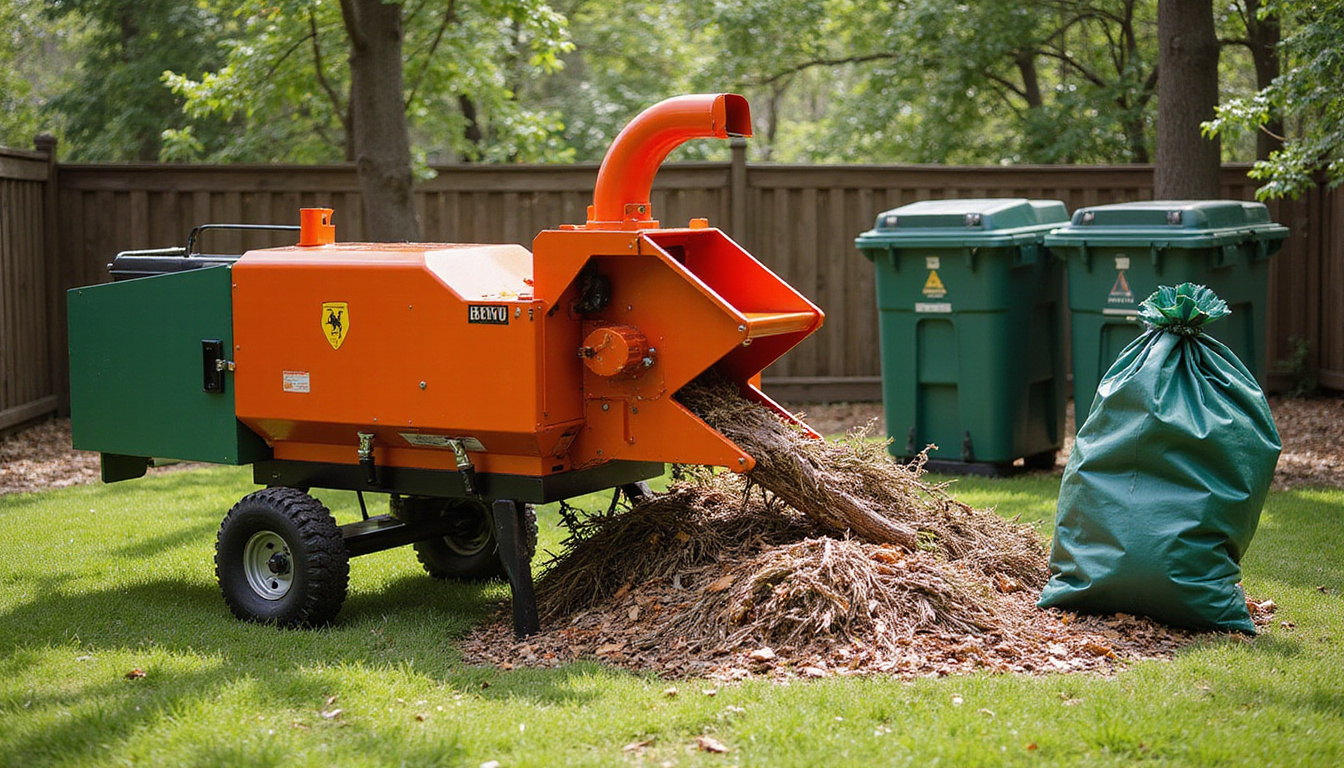
- Use a rented chipper/shredder or hire a local service to chip branches into mulch.
- Spread mulch around trees, shrubs, and garden beds (keeping a few inches away from trunks and stems).
-
Use small branches as garden insulation
- Lay cut boughs over sensitive perennials to protect them from frost.
- Use branches as temporary ground cover on muddy or high-traffic areas.
Create wildlife habitats
Your former Christmas tree can provide shelter and protection for local wildlife:
- Place the undecorated tree in your backyard or garden as a natural habitat.
- Anchor it securely so it doesn’t blow over.
- Birds may use it for cover in bad weather; small animals can nest underneath.
Avoid using trees that have been heavily sprayed with artificial snow (“flocking”) or glitter, as these residues may not be safe for wildlife.
3. What NOT to Do with Your Real Christmas Tree
Avoid these common mistakes that can harm the environment or create safety hazards:
-
Don’t burn the tree indoors
- Dry evergreen trees burn fast and hot, increasing the risk of chimney fires.
- The sap and resins can cause dangerous flare-ups and deposit creosote.
-
Don’t toss it in wild or protected areas
- Dumping in forests, parks, or wetlands is considered illegal dumping in many areas.
- It can introduce pests and disrupt natural decomposition cycles.
-
Don’t leave plastic, tinsel, or hooks attached
- These can contaminate mulch and compost streams and harm animals that come into contact with them.
4. Christmas Tree Removal for Artificial Trees
Artificial trees can last many years, but eventually they need replacing. Because they’re made from mixed materials—plastic, metal, sometimes fiber optics—they’re rarely accepted in regular recycling programs.
Extend the life of your artificial tree
The most sustainable choice is to keep using it as long as possible:
- Store it in a cool, dry place in a sturdy box or tree bag.
- Remove lights gently and label sections by color or number.
- Repair loose branches and fix or replace faulty light strands.
Donate or give away a usable tree
If your artificial tree is still in decent shape:
-
Donate it to:
- Thrift stores or charity shops
- Churches, schools, or community centers
- Nursing homes or shelters (call first to confirm they accept them)
-
Offer it for free on:
- Local “Buy Nothing” groups
- Neighborhood apps
- Online marketplaces under the “Free” category
This keeps it out of the landfill and helps someone else decorate affordably.
How to dispose of a worn-out artificial tree
If donation isn’t an option:
-
Remove all lights and stand
- Detach metal stand, screws, and any detachable hardware.
- Some metal parts can be recycled separately if your local program accepts scrap metal (check guidelines).
-
Check specialty recycling centers
- A few facilities accept bulky plastics or mixed-material items; contact them directly to ask about artificial trees.
Most of the time, though, artificial trees end up as regular trash. That’s why maximizing their lifespan and considering donation are so important.
5. Fast, Low-Mess Tree Removal from Your Home
Beyond the eco-friendly angle, you probably just want your tree gone quickly without trashing your floors. Here’s a simple process for fast cleanup.
Step-by-step: Taking down a real tree with minimal mess
-
Spread a ground cover
- Place a large bedsheet, painter’s tarp, or tree bag under the tree.
-
Remove decorations systematically
- Start at the top and work your way down.
- Place ornaments in containers or divided boxes as you go to avoid breakage.
-
Detach the tree from the stand
- Loosen the screws or clamps carefully.
- Have one person stabilize the trunk while another loosens the stand.
-
Wrap the tree
- Tip the tree onto its side onto the sheet or tarp.
- Wrap tightly around the branches to trap needles.
- Secure the bundle with tape, rope, or bungee cords.
-
Carry it out slowly
- Move through your cleared path to the door.
- If it’s heavy, have a second person lift the opposite end.
-
Sweep and vacuum
- Sweep up larger branches and needles.
- Use a vacuum’s hose attachment for fine needles. Avoid running big piles through the beater bar; they can clog it.
DIY disassembly: Cutting the tree into smaller pieces
If your tree is very large or stairwells and doorways are tight:
- Use pruning shears or a hand saw.
- Cut off branches in manageable sections, then cut the trunk into short pieces.
- Place pieces directly into yard waste bins or bags as you go to reduce cleanup.
This approach can be easier on your back and safer than hauling one huge, heavy tree.
6. Handling the Tree Stand, Water, and Accessories
The job isn’t finished when the tree is out. Stands, water, and leftover supplies need attention too.
Tree stand
-
Reusable stands:
- Empty remaining water into a sink, tub, or outside (avoid dumping on walkways where it can freeze).
- Wash with mild soap to remove sap and residue.
- Dry thoroughly before storing to prevent rust and mold.
-
Damaged or low-quality stands:
- If metal, check if your recycling program accepts scrap metal.
- If plastic and broken, it likely must go in regular trash unless a specialized recycler accepts it.
Water spills and sap
- Blot any tree water spills quickly to prevent stains or warping.
- Remove sap from floors or furniture using:
- A little rubbing alcohol or hand sanitizer (test on a small area first).
- Ice cubes to harden sap on some surfaces, then gently scrape with a plastic card.
Lights, hooks, and decor
- Untangle lights and test them before storing.
- Coil each strand separately and secure with twist ties or Velcro.
- Store ornament hooks in a small container so they don’t end up loose in boxes or embedded in carpet.
7. Special Situations: Apartments, Condos, and No-Yard Homes
If you live in a smaller space or don’t have curbside services, Christmas tree removal takes a bit more planning.
-
Ask your property manager
- Many buildings schedule a specific day for bulk Christmas tree pickup.
- Use designated areas or times to avoid fines or clutter.
-
Use building-provided tree bags
- Some complexes offer large plastic bags specifically for needle control.
-
Book a junk removal or hauling service
- If no local recycling or pickup options exist, consider a professional service.
- Look for companies that advertise eco-friendly disposal or recycling.
8. Simple Checklist for Post-Holiday Tree Cleanup
Use this quick list to make sure you’ve covered everything:
- [ ] Removed all ornaments, lights, hooks, tinsel, and garlands
- [ ] Cleared a path from tree to exit
- [ ] Protected floors with a sheet, tarp, or disposal bag
- [ ] Wrapped or cut the tree for easy removal
- [ ] Chosen an eco-friendly disposal option (curbside, drop-off, mulch, or habitat)
- [ ] Cleaned up needles and checked for water or sap damage
- [ ] Stored decorations and lights neatly for next year
FAQ: Christmas Tree Removal and Disposal
Q1: How do I dispose of a Christmas tree responsibly?
Look for local Christmas tree disposal or recycling programs offered by your city or waste hauler. Most accept bare, undecorated real trees for mulching or composting. If no program exists, consider home mulching, creating wildlife habitat, or hiring a hauling service that recycles.
Q2: Can I recycle my Christmas tree with regular yard waste?
In many areas, yes—real trees can be placed with Christmas tree recycling or green waste, as long as they’re free of decorations and cut to size if required. Check your local guidelines; some require trees to be unbagged, while others ask you to use specific compostable bags.
Q3: What is the best way to get rid of an artificial Christmas tree?
The most responsible Christmas tree disposal for artificial trees is donation or reuse. Offer it to charities, schools, or neighbors if it’s still functional. If it’s worn out, separate metal parts (for potential recycling) from the plastic body, then dispose of the remainder in regular trash if no specialized recycler is available.
Wrap Up: Make Christmas Tree Removal Part of a Greener Holiday Tradition
The end of the season doesn’t have to mean bags of trash and a week of sweeping needles. With a bit of planning, you can handle Christmas tree removal quickly, protect your home from damage, and make sure your tree gets a second life—whether as mulch, wildlife shelter, or holiday cheer for another family.
As you plan for next year’s celebrations, build eco-conscious cleanup into your tradition. Check your local recycling options, set a reminder for curbside pickup dates, and keep your removal supplies (tree bag, tarp, gloves) stored with your decorations.
If you’re ready to simplify your post-holiday cleanup even more, explore local tree recycling programs or eco-friendly hauling services now—so when the lights go off and the ornaments come down, your Christmas tree removal is as effortless and sustainable as the rest of your holiday season should be.
Junk Guys Inland Empire
Phone: 909-253-0968
Website: www.junkguysie.com
Email: junkguysie@gmail.com