
Stump removal is one of those outdoor jobs homeowners tend to postpone—until it becomes impossible to ignore. That old stump in the yard can attract pests, trip guests, damage lawn equipment, and lower curb appeal. The good news: you don’t have to spend a fortune or rent every tool at the hardware store to get rid of it. With the right strategy, you can choose a stump removal method that’s fast, affordable, and safe for your property.
Below, you’ll find a practical breakdown of the best options—from DIY hacks to pro-level solutions—so you can pick the approach that fits your time, budget, and comfort level.
Why Bother With Stump Removal at All?
Before you invest any time or money, it helps to understand why stump removal is worth doing properly instead of just letting the wood decay naturally.
Key reasons to remove a stump:
- Safety hazards: Stumps and exposed roots are easy to trip over, especially at night or when grass hides them.
- Pest magnet: Rotting wood can attract termites, carpenter ants, beetles, fungi, and even rodents.
- Regrowth problems: Some trees (like poplar, willow, maple) send up new shoots from a stump, leading to an ugly clump of saplings.
- Lawn equipment damage: Stumps and roots can damage mower blades and make routine maintenance a hassle.
- Curb appeal and resale value: A clean, open yard looks larger, better maintained, and more attractive to buyers.
In short, proper stump removal helps protect your home, beautify your landscape, and prevent future headaches.
Choosing the Right Stump Removal Method
Not every stump requires the same solution. Before you decide how to remove it, consider these factors:
- Stump size and species: Softwoods (pine, spruce) and small-diameter stumps are easier to remove than large, dense hardwoods (oak, maple).
- Age and condition: Older, decaying stumps are usually easier to grind or dig out than fresh, solid ones.
- Location: Proximity to structures, fences, septic lines, or underground utilities may rule out some methods.
- Your budget and time: Renting a grinder for a day vs. paying a pro vs. a slow-but-cheap chemical or manual approach.
- Your physical ability and tools: Some methods are labor-intensive and not ideal if you have back or joint issues.
Once you understand these variables, you can pick from the main categories below.
Fastest Professional Method: Stump Grinding
For most homeowners, stump grinding is the sweet spot between speed, cost, and minimal yard disruption. Instead of fully uprooting the stump, a machine called a stump grinder shreds it into wood chips.
How Stump Grinding Works
A stump grinder uses a rotating cutting wheel with hardened teeth to systematically chew away at the stump and surface roots. The operator lowers the wheel, moves it back and forth over the stump, and grinds it down below ground level—usually 4–12 inches deep, depending on your plans for the area.
Pros of Stump Grinding
- Fast: Many stumps can be handled in under an hour.
- Less invasive: Minimal disturbance to surrounding soil and landscaping compared to full uprooting.
- Versatile: Works for small to large stumps; can maneuver around certain obstacles.
- Reuses material: The wood chips can be used as mulch or compost.
Cons of Stump Grinding
- Not total removal: Large roots remain underground and will decompose over time.
- Requires equipment: You’ll either need to rent a grinder or hire a professional.
- Debris cleanup: You’ll have a pile of chips and soil to manage afterward.
DIY vs. Hiring a Pro
- DIY rental: Daily rentals for a small to mid-sized grinder often range from around $75–$200, depending on size and your area. You’re responsible for transport, safety, and operation.
- Hiring a pro: Typically costs $100–$400 per stump, depending on size, access, and local rates (source: HomeAdvisor). This usually includes cleanup and is much less physically demanding.
If you’re dealing with multiple large hardwood stumps or tricky locations, hiring a professional stump removal service is often the most cost-effective and safest option.
Most Affordable Hands-On Option: Manual Stump Removal
If your primary goal is to save money and the stump is modest in size (generally under 10–12 inches in diameter), manual stump removal can work—though it’s labor-intensive.
Tools You’ll Need
- Long-handled shovel
- Mattock or pickaxe
- Hand saw or reciprocating saw
- Loppers
- Sturdy digging bar
- Heavy-duty work gloves and safety glasses
Step-by-Step Manual Stump Removal
- Cut the stump low: Use a chainsaw or hand saw to cut the stump as close to the ground as safely possible.
- Expose the roots: Dig a trench around the stump, 1–2 feet out from the base, to expose major roots.
- Sever roots: Use a saw or loppers to cut through smaller roots; use a reciprocating saw or axe for larger ones.
- Leverage the stump: Insert a digging bar under the stump and pry upward, cutting additional roots as they reveal themselves.
- Remove stump: Once loosened, rock the stump back and forth and pull it out of the hole.
- Backfill: Refill the hole with soil and tamp it down to prevent sinking.
When Manual Removal Makes Sense
- Stumps from small ornamental trees or shrubs
- Softwood species with shallow root systems
- Homeowners with good physical strength and time
- Situations where heavy equipment can’t access the area
For large, deep-rooted, or multiple stumps, manual work can quickly become overwhelming; consider mixing this with another stump removal method.
Low-Cost, Low-Effort: Chemical Stump Removal
Chemical stump removal won’t give you overnight results, but it can significantly accelerate decay with a relatively small amount of labor.
How Chemical Removal Works
Commercial stump removers typically contain high concentrations of potassium nitrate or similar compounds. These chemicals help break down lignin and cellulose in the wood, making the stump soft and spongy over several weeks to months.
Step-by-Step Chemical Stump Removal
- Cut the stump low: Trim it as close to ground level as possible.
- Drill holes: Use a ½–1 inch drill bit to make vertical holes in the top, spaced a few inches apart and as deep as you can safely go.
- Add angled side holes (optional): Drill some additional holes at a 45-degree angle from the sides to meet the vertical holes.
- Apply stump remover: Fill the holes with the chemical product according to label directions.
- Add water: Pour water into each hole to help dissolve and carry the product into the wood fibers.
- Cover and wait: Cover the stump with a tarp to keep it moist and reduce washout. Over weeks or months, the stump will soften.
- Finish the job: Once the stump is crumbly, you can break it apart with an axe, shovel, or pry bar, or burn it where legal and safe.
Pros and Cons of Chemical Methods
Pros:
- Minimal physical labor
- Inexpensive materials
- Works well on stubborn hardwood stumps
Cons:
- Slow—often 4–12 weeks or longer
- You still need to remove or burn the softened stump
- Some products may be harmful to pets or nearby plants if misused; always follow the label
If you’re not in a rush and want a low-effort stump removal approach, chemicals can be a smart middle ground.
Burning a Stump: Proceed With Caution
Burning is sometimes suggested as a “quick fix” for stump removal, but it’s rarely as simple—or as fast—as it sounds, and it carries safety and legal concerns.
Considerations Before Burning
- Check local regulations: Many municipalities restrict open burning or require permits.
- Fire risk: Nearby structures, dry vegetation, and wind can turn a controlled burn into a serious hazard.
- Incomplete burn: Stumps are often dense and moist; they can smolder for days and still leave a large portion intact.
Safer Approaches to Burning
If burning is legal in your area and you choose to incorporate it:
- Use the chemical softening method first to make the wood more flammable and porous.
- Contain the burn with a metal barrel or ring set over the stump.
- Have water, a hose, and a fire extinguisher nearby.
- Stay with the fire at all times and ensure it’s completely out before leaving.
When compared to grinding or professional stump removal services, burning often ends up more complicated and less predictable—use it carefully and only where appropriate.
Natural and Eco-Friendly Stump Removal Methods
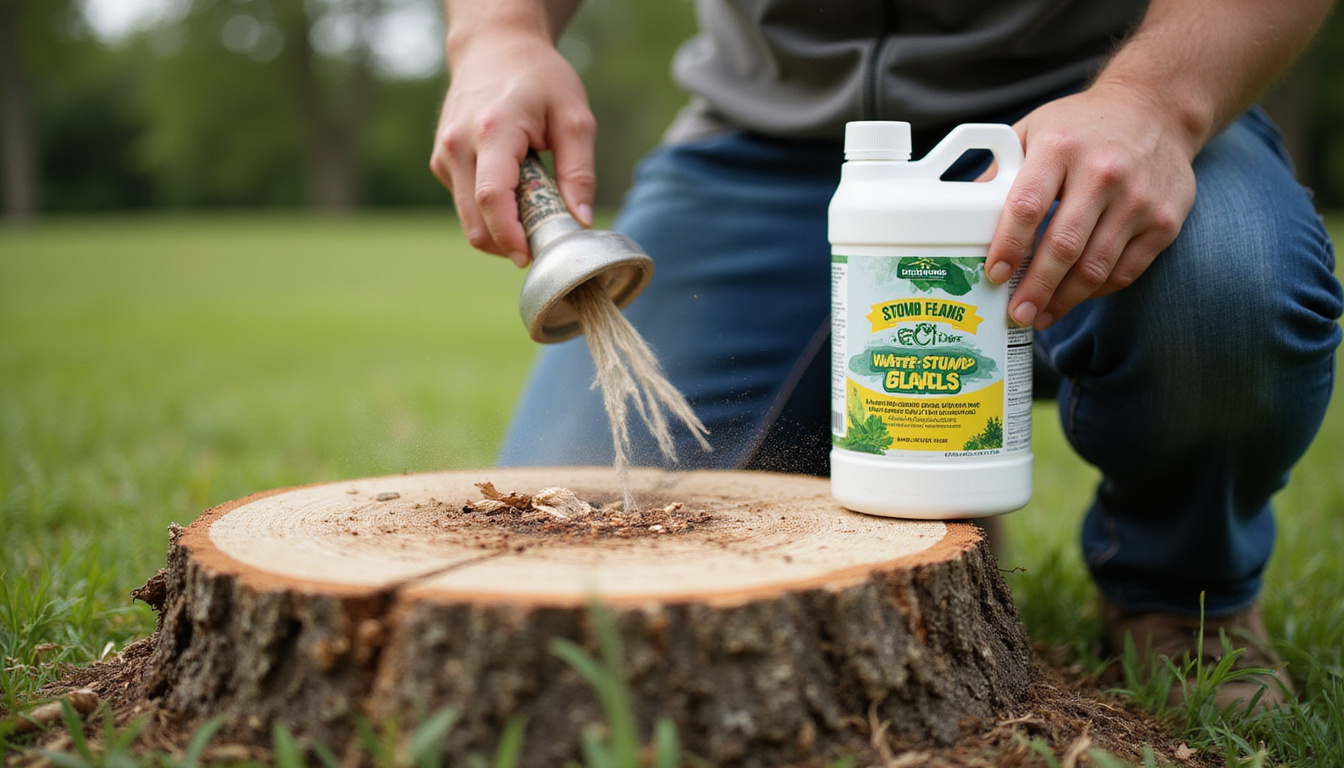
If you prefer to avoid synthetic chemicals and heavy equipment, a few slower, more natural options can help a stump break down over time.
Accelerated Natural Decay
You can speed up natural rot by:
- Drilling holes into the stump (similar to chemical methods).
- Keeping it moist: Rot fungi love moisture; avoid letting the stump dry out.
- Adding high-nitrogen materials: Compost, manure, or even nitrogen-rich fertilizer can feed the microorganisms that break down wood.
- Covering with soil and mulch: This creates a micro-environment for fungi and bacteria to thrive.
This approach can take many months to years, but it’s low-risk and gentle on the ecosystem.
Turning the Stump Into a Feature
Sometimes the cheapest stump removal strategy is not removing it at all, but transforming it:
- Hollow out the center slightly and use it as a planter for flowers or herbs.
- Turn it into a rustic table or seating area for a fire pit.
- Carve or decorate it as part of a garden design.
This doesn’t eliminate the stump, but it turns a liability into a landscape asset until it naturally decays.
Comparing Stump Removal Methods at a Glance
Here’s a quick comparison to help you choose:
- Stump Grinding
- Best for: Most medium to large stumps
- Speed: Fast (same day)
- Cost: Moderate (rental or pro fee)
- Effort: Low–moderate for you
- Manual Removal
- Best for: Small stumps, shallow roots
- Speed: Moderate (hours to a day)
- Cost: Low (hand tools)
- Effort: High
- Chemical Removal
- Best for: Stubborn hardwoods when time is flexible
- Speed: Slow (weeks to months)
- Cost: Low
- Effort: Low–moderate
- Burning
- Best for: Rural areas where legal and controlled
- Speed: Moderate
- Cost: Low
- Effort: Moderate + supervision
- Natural Decay / Repurposing
- Best for: Non-urgent, eco-focused homeowners
- Speed: Very slow (months to years)
- Cost: Minimal
- Effort: Very low
Safety Tips Every Homeowner Should Follow
No matter which stump removal method you choose, safety is non-negotiable.
- Call before you dig: Contact your local utility-locating service (often 811 in the U.S.) to mark gas, water, and electrical lines.
- Wear protective gear: Gloves, safety glasses, sturdy boots, and hearing protection when using power tools.
- Use tools correctly: Read the manual for stump grinders, chainsaws, and power augers; keep bystanders and pets at a safe distance.
- Respect chemicals: Follow label directions, keep products away from children and animals, and avoid applying on windy or rainy days where runoff is possible.
- Plan for the void: Large stumps leave large holes; fill and compact soil to avoid uneven ground and trip hazards.
Safe stump removal protects not just your yard, but your health and property as well.
FAQ: Common Questions About Stump Removal
Q1: What’s the cheapest way to remove a tree stump?
For many homeowners, the cheapest stump removal method is manual digging for small stumps or using a chemical stump remover to soften the wood over time. Manual removal costs mostly time and effort, while chemical products are relatively inexpensive, but both can be slower than grinding.
Q2: How long does chemical tree stump removal take?
Chemical tree stump removal usually takes anywhere from 4 weeks to several months, depending on the stump’s size, species, and age, as well as how consistently you keep it moist. Smaller, older, and partially decayed stumps will break down faster than large, fresh hardwood stumps.
Q3: Is stump grinding better than full stump removal?
Stump grinding is usually better for typical homeowners because it’s faster, less invasive, and more affordable than full stump and root ball extraction. Full stump removal might be preferable if you need to replant a tree in the exact spot or install certain foundations, but grinding is sufficient for most landscaping and lawn projects.
Take the Next Step Toward a Safer, Cleaner Yard
That stubborn stump doesn’t have to be a permanent fixture in your yard or a constant obstacle to mowing and landscaping. Whether you choose fast, professional stump grinding, a sweat-equity manual approach, slow-and-steady chemical stump removal, or an eco-friendly decay strategy, you now have the knowledge to match the method to your budget, timeline, and comfort level.
If you’re ready for a clear, hazard-free lawn and a serious boost to your curb appeal, don’t put it off any longer. Evaluate your stump, pick the stump removal option that best fits your situation, and schedule the work—or gather your tools—this week. A stump-free yard is closer than you think, and the sooner you start, the faster you’ll enjoy a cleaner, safer, more beautiful outdoor space.
Junk Guys Inland Empire
Phone: 909-253-0968
Website: www.junkguysie.com
Email: junkguysie@gmail.com