
Using a recycling drop off center is one of the easiest ways to cut your trash in half, save money on disposal fees, and keep valuable materials out of the landfill. Yet many people only use these centers for the basics—cans, bottles, and cardboard—missing out on big opportunities to recycle more, spend less, and even earn a little cash back.
This guide walks through practical, real-world hacks locals use to get the most from their drop off sites, without adding a lot of extra effort to their routines.
Why Recycling Drop Off Centers Matter More Than You Think
Curbside bins are convenient, but they’re limited by what your hauler accepts. A local recycling drop off center, on the other hand, can often take:
- More material types (glass, metals, certain plastics)
- Bulky items (large cardboard, scrap metal)
- Specialty items (electronics, appliances, batteries, sometimes even mattresses)
According to the U.S. EPA, Americans generate over 292 million tons of municipal solid waste every year, and only about 32% is recycled or composted (source: U.S. EPA). Drop off centers are a key piece of boosting that number because they handle items curbside programs reject.
Used wisely, they also help you:
- Lower trash collection bills by reducing bin volume or pickup frequency
- Avoid special pickup fees for bulky or hazardous items
- Reclaim space at home by clearing out “I’ll deal with this later” junk piles
Hack #1: Map All Nearby Recycling Drop Off Locations (Not Just One)
Most people know about one city-run recycling drop off site and assume that’s it. In reality, you may have:
- Municipal or county recycling centers
- Transfer stations with recycling areas
- Private scrap yards that accept metals
- Retail drop off points for bags, batteries, and light bulbs
- Nonprofit-run reuse and recycling depots
How to find them
- City/county websites: Search “[your city] recycling drop off” or “solid waste services.”
- State environmental agency: Many host searchable directories of drop off centers.
- Earth911 & similar tools: Online locators let you plug in a material (e.g., “electronics”) and your ZIP code.
- Local Facebook groups / Nextdoor: Residents often share hidden-gem sites, special events, and fee-free days.
Once you’ve found them, make a quick note on your phone with:
- Name and address
- Hours and days of operation
- Accepted materials and any fees
- “Best use” (e.g., “Great for scrap metal,” “Takes EPS foam,” “Free electronics recycling”)
Then, match locations to your usual driving patterns so you can drop things off with minimal extra travel.
Hack #2: Build a “Staging Area” at Home to Simplify Trips
The biggest barrier to using a recycling drop off center is usually clutter and confusion at home. Locals who use these centers effortlessly all have one thing in common: a simple, dedicated staging area.
Set up your zone
Pick a spot such as:
- Part of the garage
- A closet or utility room
- A spot under stairs or in a mudroom
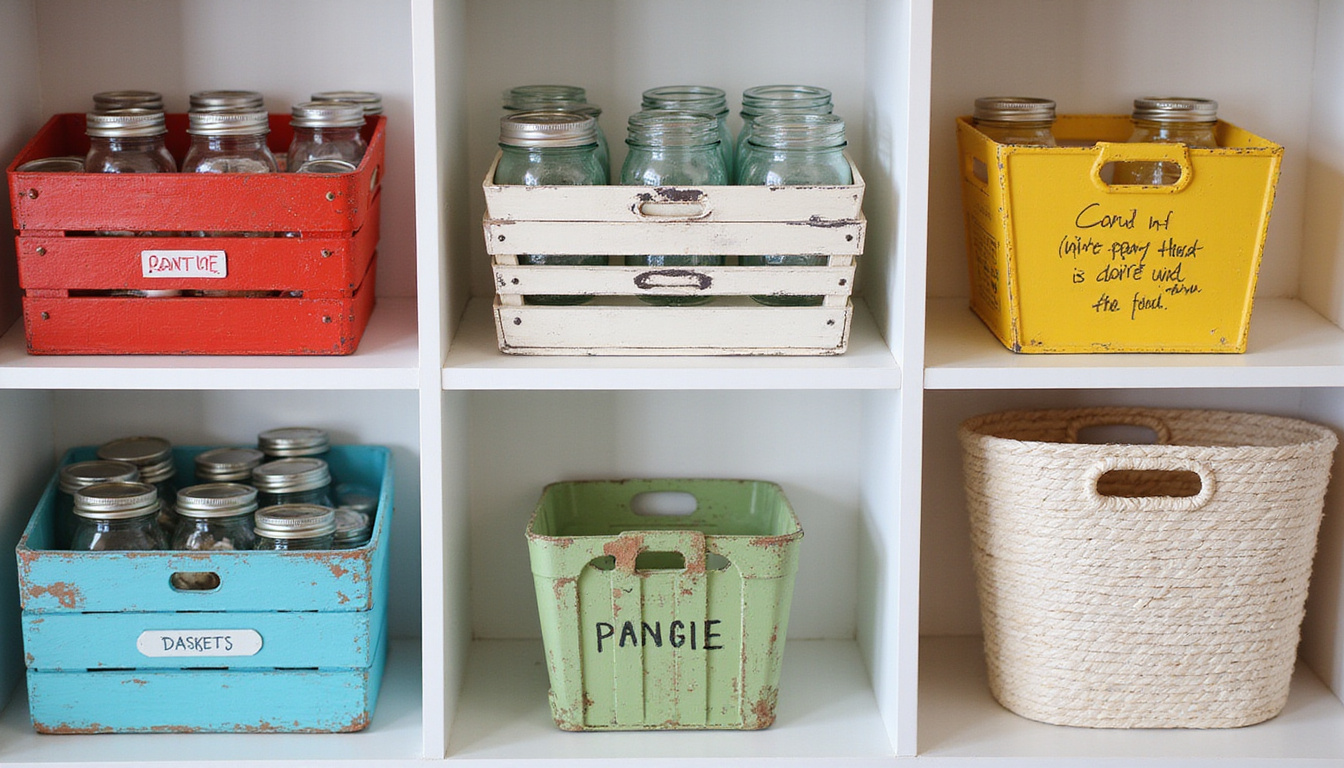
Add clearly labeled bins or boxes for categories you know your local sites accept, such as:
- Cardboard & mixed paper
- Glass (sorted by clear, green, brown if required)
- Rigid plastics (like #2, #5, or specific items your center allows)
- Metal cans & scrap metal
- Electronics / e-waste
- Textiles / clothing (donation-ready vs. rags)
- Household batteries & small electronics (for retail or special event drop offs)
Use simple, low-cost containers: old totes, cardboard boxes, or thrifted crates. The key is making it easy for everyone in the household to know where things go.
Hack #3: Sync Recycling Drop Off Runs with Existing Errands
A dedicated drive just to drop off recycling can feel like a chore. Locals who stick with it long-term rarely do that. Instead, they weave drop offs into trips they already take.
Examples:
- Heading to the grocery store near a big-box retailer? Bring soft plastic bags, batteries, or light bulbs for that store’s take-back kiosk.
- Visiting a friend on the other side of town? Swing by the municipal recycling drop off site nearby.
- Going to the hardware store or garden center? Many accept propane cylinders, plant pots, or used motor oil.
Create a simple rule like:
“If I’m passing within 5 minutes of a center that takes something in the staging area, I stop and unload one bin.”
Over time, this keeps your staging area from overflowing and turns recycling into a habit instead of a once-a-year project.
Hack #4: Learn “High-Value” Items That Can Save or Earn You Money
Some items cost money to throw away but are free—or even profitable—to recycle or drop off. Smart locals track these and prioritize them.
Common high-value categories
-
Metals
- Copper pipes, aluminum, brass, steel, and even old appliances often have scrap value.
- Many scrap yards or recycling drop off centers pay by weight.
-
Electronics
- City e-waste events sometimes offer free drop off versus high disposal fees at the regular transfer station.
- Some retailers offer store credit for phones or cartridges.
-
Cardboard & Paper
- Reducing these from your trash can let you downsize your garbage cart or cut back on extra pickups.
-
Yard Waste & Organics
- Drop off centers often accept branches, leaves, and grass clippings for free or cheaper than trash.
- This can significantly reduce your garbage volume, especially in fall and spring.
Before paying to dispose of anything bulky or heavy, check whether a nearby recycling drop off option is cheaper—or free.
Hack #5: Pre-Sort and Prep Materials to Avoid Rejection
Recycling centers reject loads when contaminated (e.g., food-covered items, mixed materials). Locals avoid wasted trips with a few habits:
- Rinse containers lightly: A quick swish with leftover dishwater or tap water is enough; no need to scrub.
- Remove obvious non-recyclable parts: For example, plastic film around a cardboard box, foam inserts, or food-soiled liners.
- Flatten cardboard: Saves space in your vehicle and at the drop off.
- Know what’s not accepted: Broken glass, ceramics, greasy pizza boxes, and certain plastics can contaminate loads.
Check your center’s “accepted materials” list online, print it, and tape it near your staging area. When in doubt, keep questionable items out rather than risk having an entire batch rejected.
Hack #6: Use Specialty Drop Off Programs for Problem Materials
Many of the hardest-to-dispose-of items do have recycling or safe disposal options—you just need the right program.
Look for:
- Household hazardous waste (HHW) days: For paint, chemicals, pesticides, solvents, and some cleaners.
- Electronics collection events: For TVs, monitors, printers, cords, and more.
- Medication drop off bins: Often at pharmacies or police stations for expired or unused medicines.
- Tire & appliance amnesty days: Limited-time events where dropping off is free or discounted.
Your municipal website usually lists a calendar of these special recycling drop off opportunities. Locals often:
- Add key events to their phone calendar
- Start a small HHW box at home and only deal with it 1–2 times a year
This keeps dangerous items out of regular trash while avoiding last-minute stress when you discover a cabinet full of old products.
Hack #7: Combine Recycling Drop Off with Reuse and Donation
Recycling is important, but reuse often saves more resources and money. Before tossing something into the “recycle” bin at a drop off site, ask whether reuse is possible.
Some ideas:
- Clothing & textiles: Many donation centers accept worn items for rag recycling.
- Household items: Working small appliances, tools, kitchenware, and furniture may be accepted at thrift stores or reuse centers.
- Building materials: Habitat for Humanity ReStores and similar nonprofits accept doors, cabinets, fixtures, and surplus materials.
- Books & media: Libraries, schools, or local “little free libraries” may take them.
Build a separate donation box next to your recycling staging area. When you plan a recycling drop off run, schedule a donation drop at the same time. You reduce waste, support your community, and clear clutter all in one trip.
Hack #8: Track What You Divert from the Trash
Tracking your efforts makes them more motivating and helps you spot new opportunities to reduce waste.
Simple ways to track
- Weigh bins: If you have a bathroom scale, weigh your recycling or donation boxes before drop off.
- Count bags or boxes: Log “3 large boxes of cardboard,” “2 bags of clothing,” etc.
- Note impacts: For example, “Downsized from 96-gallon to 64-gallon trash cart,” or “Skipped one extra pickup per month.”
In a note-taking app or spreadsheet, jot down:
- Date
- Which recycling drop off site you used
- What you dropped off
- Any cost savings (avoided fees, reduced trash volume)
Over time, this becomes a powerful reminder that your small habits really add up.
Hack #9: Coordinate with Neighbors for Bigger Savings
Some locals make recycling drop off even more efficient by teaming up with neighbors or friends.
Ways to collaborate:
- Shared trips: One household drives to the recycling center and collects bags or boxes from nearby neighbors.
- Bulk drop offs: Organize a mini “recycling day” on your street for electronics, scrap metal, or cardboard.
- Information sharing: Swap tips in a group chat about new drop off options, fee changes, or special events.
Neighborhood collaboration is especially helpful for:
- Elderly or mobility-limited neighbors who can’t easily reach a recycling drop off site
- Rural communities where centers are farther away
- Apartment dwellers with limited storage space
You build community while cuting down on individual trips and costs.
Quick Checklist: Local Recycling Drop Off Habits to Start This Month
Use this list to put the hacks into action:
- Find and list all nearby recycling drop off centers and specialty locations.
- Set up a simple, labeled staging area at home.
- Add one or two drop off stops to routes you already drive each week.
- Learn your top 3–5 high-value items (scrap metal, e-waste, cardboard, yard waste).
- Print or save your center’s acceptable materials list.
- Add upcoming HHW or special event dates to your calendar.
- Start a donation box alongside your recycling staging area.
- Track your first month of drop offs and note any trash volume or cost changes.
FAQ: Getting the Most from Local Recycling Drop Off Services
Q1: What can I typically bring to a local recycling drop off center?
Most centers accept paper, cardboard, metal cans, and certain plastics. Many also take glass, scrap metal, electronics, appliances, yard waste, and sometimes mattresses or bulky items. Exact lists vary by location, so always check your local facility’s guidelines first.
Q2: How do I know if a recycling drop off location is free or charges fees?
Municipal recycling drop off sites are often free for residents for standard materials, while some may charge for items like mattresses, tires, or certain electronics. Private facilities and transfer stations may have both free and paid options. Your city or county waste services page usually lists fees, and staff at the facility can confirm before you unload.
Q3: Are recycling drop off programs better than curbside recycling?
They’re complementary. Curbside is best for everyday recyclables and convenience. A recycling drop off program fills the gaps—handling items curbside won’t take, offering specialty recycling, and sometimes providing options to recycle more types of materials or in larger quantities. Using both gives you the highest overall recycling rate.
Turn Your Local Recycling Drop Off into a Money- and Waste-Saving Habit
Small, consistent habits around how you use your local recycling drop off centers can transform your trash, your budget, and your home’s clutter. By mapping all available locations, setting up a smart staging area, combining trips with existing errands, and focusing on high-value materials, you can dramatically cut landfill waste without dramatically changing your lifestyle.
Start today by looking up the closest recycling drop off sites in your area and setting up a simple collection spot at home. With your first few trips, you’ll see how easy it is to recycle more, spend less on trash, and feel better about where your stuff ends up.
Junk Guys Inland Empire
Phone: 909-253-0968
Website: www.junkguysie.com
Email: junkguysie@gmail.com