
When disaster strikes—whether it’s a storm, flood, fire, or earthquake—the aftermath can be overwhelming. Piles of damaged materials, fallen trees, mud, and broken belongings make your home feel unrecognizable. Effective disaster debris removal is the foundation of any safe and successful recovery. Done correctly, it helps you protect your health, document losses for insurance, and restore your home as quickly as possible.
This guide walks you through the essential steps of disaster debris removal, from safety and sorting to working with professionals and your insurance company.
Why Disaster Debris Removal Matters So Much
Cleaning up after a disaster isn’t just about appearances. Proper debris removal:
- Protects your health and safety
- Prevents further damage to your home
- Speeds up repairs and reconstruction
- Helps you get accurate insurance payouts
- Reduces mold, pests, and structural risks
Skipping steps or rushing the process can lead to long-term problems, including structural damage, health issues from mold and contaminants, or denied insurance claims.
Step 1: Make Safety Your First Priority
Before any disaster debris removal begins, protect yourself and your family.
Check for Immediate Hazards
Do not enter your property until it is confirmed safe. When in doubt, wait for local authorities or licensed professionals to inspect for:
- Downed power lines or exposed wiring
- Gas leaks (rotten egg odor, hissing sounds)
- Unstable structures (collapsed roofs, leaning walls, sagging floors)
- Standing water with unknown contaminants
- Sharp objects, broken glass, and metal
If you suspect a gas leak, leave immediately and call your utility company or emergency services.
Use Proper Protective Gear
When you begin clearing debris, wear:
- Hard hat (if there’s any overhead damage)
- Heavy-duty work gloves
- Sturdy boots with thick soles or steel toes
- N95 or better respirator (especially after floods, fires, or mold growth)
- Eye protection
- Long sleeves and long pants
This gear reduces your risk of cuts, punctures, respiratory problems, and contact with hazardous materials.
Step 2: Document Everything for Insurance Before You Move It
One of the most overlooked but critical parts of disaster debris removal is documentation.
Take Comprehensive Photos and Videos
Before you start moving or discarding anything:
- Photograph every room from multiple angles
- Get close-up shots of damaged items, including serial numbers when available
- Capture damage to structural elements (walls, floors, roof, foundation)
- Take wide shots of exterior debris, downed trees, and damage to sheds, garages, fences, and vehicles
Back up your photos and videos to the cloud or an external drive.
Make a Detailed Inventory
Create a list of damaged items, including:
- Item name and description
- Brand/model
- Approximate purchase date
- Original cost (estimate if needed)
- Condition before the disaster
This documentation supports your insurance claim and can significantly affect your payout (source: FEMA – After the Disaster).
Step 3: Understand What Type of Debris You’re Dealing With
Not all debris is the same. Correctly identifying debris types helps you dispose of them safely and comply with local regulations.
Common categories in disaster debris removal include:
- Vegetative debris: Trees, branches, shrubs, leaves, and other plant material
- Construction and demolition debris: Drywall, insulation, roofing, lumber, flooring, siding
- Household goods: Furniture, mattresses, carpets, clothing, personal items
- Appliances and electronics: Refrigerators, freezers, HVAC units, computers, TVs
- Hazardous materials: Paints, solvents, pesticides, fuels, batteries, propane tanks, cleaners
- Contaminated materials: Items soaked by floodwater, sewage, chemicals, or smoke residues
Hazardous and contaminated materials typically require special handling and must not be tossed in regular trash.
Step 4: Separate and Sort Debris for Safe Disposal
Once you know what you’re dealing with, organize the debris for removal.
Set Up Clearly Marked Piles
If permitted by local guidelines, sort debris into separate piles at the curb or in a designated area:
- Vegetative debris (branches, logs, leaves)
- Construction materials (wood, drywall, roofing)
- Metals (appliances, metal frames, tools)
- Electronics (TVs, computers, small devices)
- Household items (furniture, carpets, mattresses)
- Hazardous waste (chemicals, paints, fuels, propane tanks)
Never mix hazardous waste with other debris. Store dangerous materials in sturdy, clearly labeled containers away from children and pets.
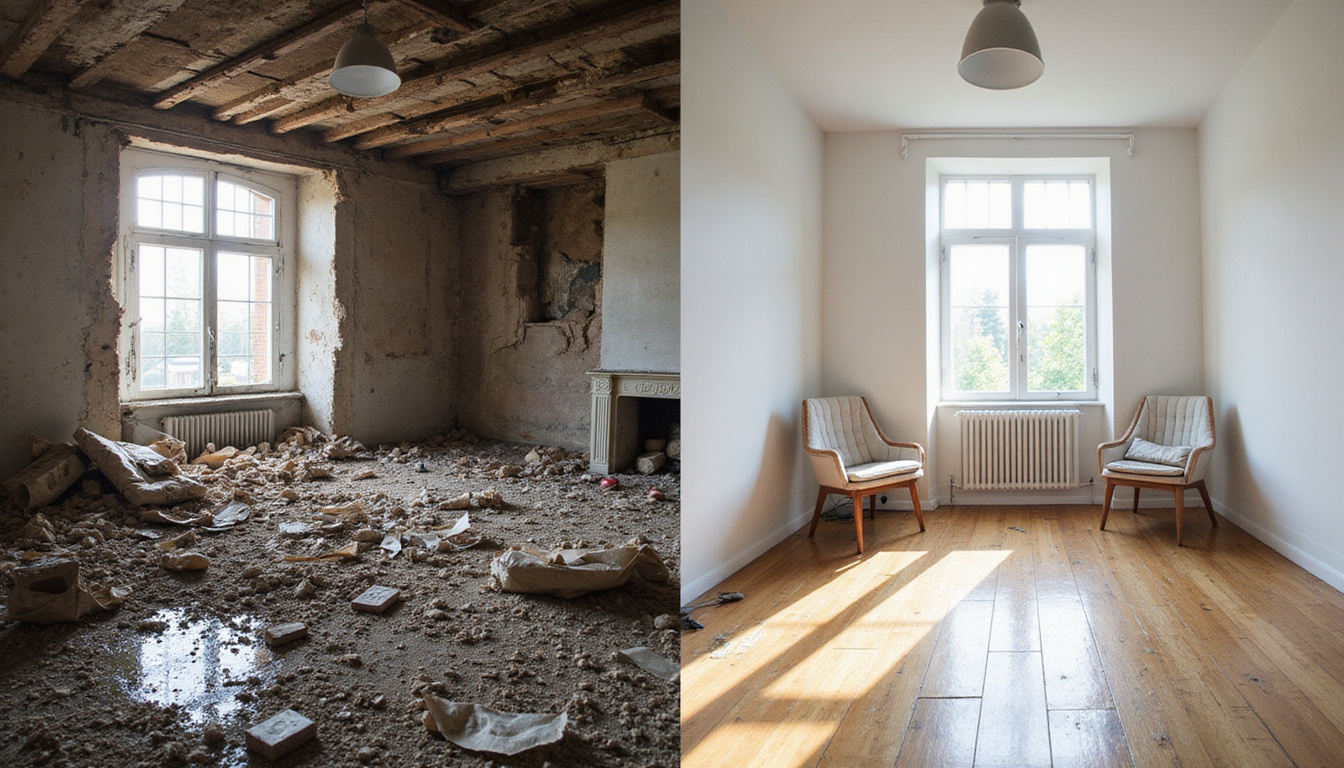
Follow Local Rules and Pickup Schedules
Check your city or county’s website or contact public works to learn:
- What can go to the curb and what must go to a special facility
- Size and weight limits for debris piles
- Special disaster debris removal programs or free drop-off sites
- Rules for appliances that contain refrigerants (freon)
Improper disposal can result in fines or delays in your cleanup and reconstruction.
Step 5: Remove Water, Mud, and Contaminants Quickly
In floods or water-related disasters, time is critical. Moisture left in your home can cause mold growth within 24–48 hours.
Pump and Extract Standing Water
Use:
- Submersible pumps for large amounts of water
- Wet/dry vacuums for smaller areas and puddles
Be sure the electricity is safe to use; if not, rely on battery- or generator-powered equipment until an electrician inspects the system.
Shovel Out Mud and Debris
After floods or landslides:
- Shovel out thick mud before it dries and hardens
- Rinse hard surfaces with clean water, if available
- Remove waterlogged carpets, rugs, and padding—they rarely can be salvaged
Place heavily contaminated materials in heavy-duty contractor bags or in designated piles for hazardous or contaminated waste.
Step 6: Strip Out Unsalvageable Materials
Some materials become unsafe or structurally compromised after a disaster and must be removed.
Common items that often require removal:
- Drywall and insulation that have been wet or smoke-damaged
- Carpet and padding exposed to floodwater or sewage
- Warped flooring and subflooring
- Burned or charred framing and structural elements
- Ceiling tiles and damaged drop ceilings
Cut drywall at least 12 inches above the visible water or damage line to ensure all compromised material is removed.
Step 7: Clean, Disinfect, and Dry the Structure
Once the bulk of the disaster debris removal is done, focus on cleaning and drying to prevent mold and further deterioration.
Disinfect All Surfaces
Use EPA-registered disinfectants or a bleach solution (if safe for the material) on:
- Walls, floors, and framing studs
- Hard furniture surfaces
- Non-porous items like dishes and metal tools
Avoid mixing cleaners, especially bleach and ammonia.
Promote Thorough Drying
To dry your home:
- Open windows and doors, weather permitting
- Use fans and dehumidifiers continuously
- Remove baseboards to allow wall cavities to dry
- Have moisture levels tested, if possible, before rebuilding finishes
Drying may take days or weeks, depending on the severity of the damage.
Step 8: Decide When to Hire Professional Disaster Debris Removal Services
Some homeowners can handle light cleanup, but many disasters create debris that is too dangerous or extensive for a DIY approach.
Situations Where Pros Are Strongly Recommended
Consider hiring licensed disaster debris removal or restoration professionals if:
- There is significant structural damage or collapse
- You suspect asbestos, lead paint, or extensive mold
- Floodwater came from sewage backups or contaminated sources
- Debris includes hazardous chemicals, fuel spills, or industrial waste
- You lack the equipment or physical capacity for heavy lifting and hauling
- Local regulations require certified handling or disposal
Professionals have specialized tools, trucks, safety equipment, and training to remove debris quickly and legally, often working directly with your insurer.
Step 9: Coordinate with Your Insurance Company
Proper debris removal and documentation can significantly impact your coverage.
Notify Your Insurer Immediately
- Report the event and start a claim as soon as it’s safe
- Ask if they require approval before hiring debris removal services
- Confirm what debris removal expenses are covered under your policy
Keep every receipt for:
- Dump fees
- Contractor services
- Equipment rentals (pumps, fans, dumpsters)
- Protective gear and cleaning supplies
Meet with the Adjuster
When your adjuster visits:
- Share your photo and video documentation
- Show your inventory list of damaged items
- Point out structural damage and areas already cleaned
If you had to remove debris for safety before the adjuster arrived, your documentation will help support the claim.
Step 10: Prepare Your Home for Repairs and Reconstruction
After disaster debris removal is complete and your home is dry and disinfected, you can move into the restoration phase.
Key steps:
- Have a licensed contractor inspect structural elements
- Get multiple repair estimates and check references
- Confirm that all debris has been properly removed from wall cavities, attics, crawl spaces, and under flooring
- Store any salvageable belongings in a clean, dry area or off-site storage
- Work with your contractor to sequence repairs efficiently (e.g., structural work before finish materials)
A clean, debris-free, and dry structure is essential for high-quality, long-lasting repairs.
Quick Checklist: Disaster Debris Removal Essentials
Use this checklist to stay on track:
- Ensure the property is safe to enter; shut off utilities if needed.
- Wear proper protective gear.
- Document all damage with photos, videos, and an inventory list.
- Contact your insurance company and start your claim.
- Identify and segregate debris by type (vegetative, construction, hazardous, etc.).
- Remove standing water and mud; discard contaminated items.
- Strip out unsalvageable building materials (wet drywall, damaged flooring, etc.).
- Clean, disinfect, and dry the structure thoroughly.
- Hire professional disaster debris removal or restoration help when needed.
- Prepare for repairs with inspections, estimates, and a clear plan.
FAQ About Disaster Debris Removal and Cleanup
1. How long does disaster cleanup and debris removal usually take?
Timeframes vary widely based on the size of your home and the severity of the damage. Light storm debris removal might take a day or two, while major flood or fire cleanup can take several weeks, especially if you need professional drying, demolition, and structural repairs before rebuilding.
2. Is storm debris removal covered by homeowners insurance?
Many homeowners policies include some coverage for storm or disaster debris removal, especially when debris damages a covered structure. However, coverage limits and rules differ by insurer and policy. Always read your policy and speak with your adjuster to understand what debris cleanup and hauling costs are reimbursable.
3. Can I handle home disaster debris cleanup myself, or do I need professionals?
You can often handle minor home disaster debris cleanup—like removing small branches, lightly damaged belongings, or surface mud—if it’s safe to do so. For large volumes of debris, structural damage, contamination (sewage, chemicals), heavy items, or suspected mold/asbestos, hiring professional disaster debris removal and restoration specialists is safer and usually more efficient.
Restoring your home after a catastrophe is never easy, but a clear, step-by-step approach to disaster debris removal can turn chaos into a manageable process. By prioritizing safety, documenting thoroughly, sorting and disposing of debris correctly, and calling in professionals when needed, you protect both your health and your financial recovery.
If you’re facing debris and damage right now, don’t wait. Start with safety and documentation today, then reach out to reputable local disaster debris removal and restoration companies for an inspection and estimate. The sooner you clear the debris, the faster you can rebuild—and reclaim your home and peace of mind.
Junk Guys Inland Empire
Phone: 909-253-0968
Website: www.junkguysie.com
Email: junkguysie@gmail.com