
Upholstery Removal Secrets: Transform Old Furniture Into Chic Statement Pieces
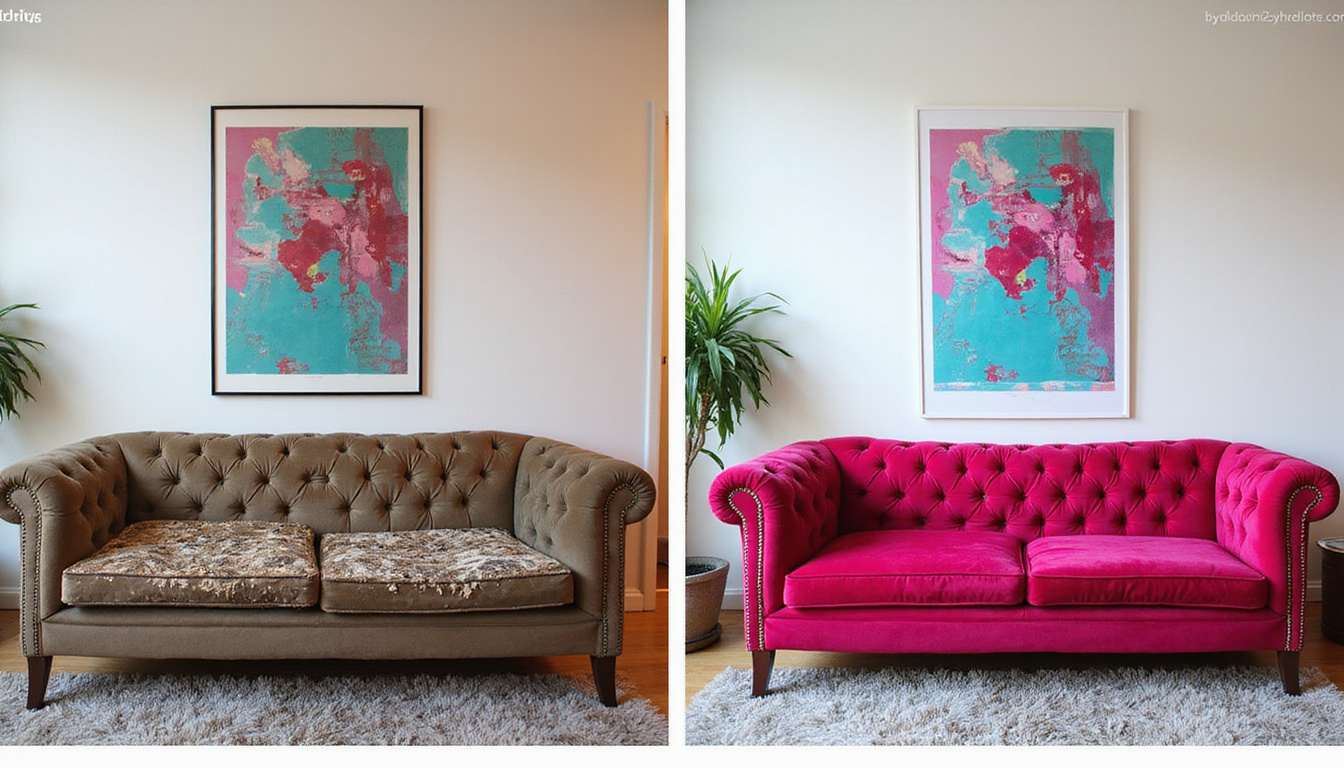
Breathing new life into tired chairs, sofas, and ottomans starts with one crucial skill: upholstery removal. Before you can repaint a frame, refinish wood, or apply fresh fabric, you need to strip away what’s already there—without destroying the piece. Done right, upholstery removal turns old, dated furniture into a clean, blank canvas ready for a chic makeover.
Below is a practical, step‑by‑step guide to safely remove old upholstery, preserve the structure, and prep each piece for a stunning transformation.
Why Upholstery Removal Is the Key to a Successful Makeover
Skipping or rushing upholstery removal is one of the biggest mistakes DIYers make. Peeling back fabric reveals:
- The condition of the frame (wood, metal, or composite)
- Old repairs and weak joints that need attention
- The original padding, springs, and webbing setup
- The construction order—critical for reupholstering
By taking your time and documenting the process, you gain a template for putting everything back together with new materials. It’s not just about stripping fabric; it’s about understanding how your furniture is built.
Tools and Safety Gear You’ll Need
Before starting any upholstery removal project, gather the right tools. They make the job faster and drastically reduce the risk of damage or injury.
Basic tools:
- Flathead screwdriver (for prying up staples and tacks)
- Staple remover or tack lifter
- Needle-nose pliers
- Heavy-duty scissors
- Utility knife with fresh blades
- Rubber mallet (optional but helpful)
- Permanent marker and masking tape (for labeling pieces)
- Zip-top bags or small containers (for hardware)
Safety gear:
- Work gloves
- Safety glasses
- Dust mask or respirator (especially for very old or musty pieces)
- Long sleeves if the fabric is particularly dirty or fragile
If you’re working on antique furniture or very old foam and padding, consider working outdoors or in a well-ventilated area. Older materials can harbor dust mites, mold spores, and decades of debris.
Step 1: Assess the Furniture Before You Start
Take a few minutes to inspect the piece thoroughly:
- Check for structural damage. Wobbly legs, cracked frames, or loose joints may need repair before or after upholstery removal.
- Look underneath. Flip the piece over and inspect the underside fabric (dust cover). This is usually the first layer to remove and often reveals how the rest is attached.
- Take photos from every angle. Photograph edges, corners, seams, and how the fabric wraps around arms and legs. These shots act as a visual map when you reupholster.
If the piece has sentimental or monetary value, it may be worth consulting a professional restorer, especially if you suspect valuable antique construction techniques.
Step 2: Start From the Bottom – Removing the Dust Cover
Nearly all upholstered furniture has a thin fabric on the bottom called a dust cover or cambric. This is your entry point.
- Flip the piece upside-down.
- Use a flathead screwdriver or staple remover to lift the first staple or tack.
- Grasp the loosened edge with pliers or gloved hands and gently pull while removing more staples.
- Save the dust cover as a pattern—set it aside, label it, and note which piece it came from.
Removing the dust cover reveals webbing, springs, straps, and internal construction. It also shows you the direction in which other fabric layers overlap.
Step 3: Remove Fabric in Reverse Order of Installation
The golden rule of upholstery removal: take it off in the opposite order it was put on. Typically, this means:
- Bottom dust cover
- Back panel
- Outside arms
- Seat deck and inside arms
- Inside back
- Cushion covers (if removable)
As you remove each section:
- Label each fabric piece. Write “inside back,” “outside left arm,” or “seat front” on masking tape and stick it to the fabric, or write directly on the back.
- Note staple/tack placement. Take photos or jot quick notes: “fabric wrapped over edge, staples underneath,” etc.
- Keep hardware and trim together. Place tacks, decorative nails, and screws from each area in separate labeled bags.
Treat the fabric you’re removing as your future pattern set. Even if the upholstery is ugly or worn, the shapes and seam lines are valuable.
Step 4: Tackling Staples, Tacks, and Decorative Trim
Most of the effort in upholstery removal comes down to removing staples and tacks—often hundreds of them.
Best practices:
- Slide a flathead screwdriver or staple remover under the staple crown and gently pry up.
- Use needle-nose pliers to pull staples out fully, twisting if needed.
- For old, brittle tacks, work slowly to avoid chipping wood. A tack lifter or claw tool is ideal.
If your piece has decorative nailhead trim:
- Determine whether the nails are individual or a strip (many modern pieces use faux nailhead strips).
- Carefully pry each nail or segment out, protecting the surrounding wood with a thin putty knife if necessary.
Avoid yanking fabric while staples are still deeply embedded; that can tear the frame’s edge or splinter wood.
Step 5: Dealing With Padding, Foam, and Springs
Once fabric is off, you’ll see the “guts” of your furniture: foam, cotton batting, polyester fill, webbing, and springs.
Evaluate what you can keep
- Foam: If it’s yellowed, crumbly, or smells, replace it. Dense, springy foam may be reusable.
- Batting: Dirty, matted, or moldy batting should go. Clean, intact batting can sometimes be salvaged.
- Springs and webbing: Check for sagging, rust, broken ties, or torn webbing strips.
If you plan to reupholster, consider updating interior materials for better comfort and durability. The U.S. Consumer Product Safety Commission offers safety guidance on household materials, including flammability considerations for upholstery (source).
Removing old padding
- Peel off layers carefully and note the order they’re placed.
- Take photos of how padding is glued, stapled, or tied.
- If you’re discarding everything, bag it immediately to minimize dust spread.
For high-end or antique pieces that use hand-tied springs and natural fibers (horsehair, cotton, wool), you may want to preserve or restore rather than replace, especially if historical authenticity matters.
Step 6: Protecting the Frame During Upholstery Removal
Your long-term success depends on keeping the frame intact.
- Avoid prying directly against wood edges. Use a wide, flat tool to distribute pressure.
- Stop if wood splinters. Switch to a gentler angle or tool.
- Tighten joints. Once everything is stripped, check for loose mortise-and-tenon or dowel joints and repair with wood glue and clamps if needed.
- Sand and clean. Now is the time to sand, paint, or stain exposed wood elements before new fabric goes on.
If you plan to change the style—e.g., removing skirted bases to reveal legs—this is your opportunity to trim off unnecessary wooden elements or add new ones (like corner blocks or supports).
Step 7: Using Old Fabric as Perfect Patterns
The real payoff of careful upholstery removal is the set of fabric templates you’ve just created.
- Flatten each piece. Gently pull seams apart if needed and iron the fabric on a low setting (if safe) to remove wrinkles.
- Mark grain direction. Draw arrows indicating the direction of the fabric’s weave; replicate this on new fabric to avoid twisting or sagging.
- Add notes. Mark notches, darts, pleats, and any extra tuck allowance.
- Measure and record. Note overall dimensions and add seam allowance if the original was tight.
Even if you plan to change design details (tufting, piping, skirt length), the original patterns give you a reliable baseline for fit.
Step 8: Style Upgrades After Upholstery Removal
Once your piece is stripped and structurally sound, you can transform it from dated to designer-worthy.
Consider these style decisions:
- Exposed legs vs. skirts: Removing an old skirt and refinishing legs can instantly modernize a piece.
- New paint or stain: A dark, glossy frame or a light, natural finish changes the entire personality.
- Updated silhouette: Add or remove arm padding, change the height of the back cushion, or simplify tufting for a contemporary look.
- Contrasting fabric: Use a statement fabric on the inside back or seat, with a neutral on the outside arms and back for a high-end look.
Because you’ve done careful upholstery removal, you know exactly where fabric can be simplified or emphasized without compromising function.
Common Mistakes to Avoid During Upholstery Removal
Keep your project on track by steering clear of these frequent errors:
- Tearing fabric instead of unfastening it. You lose pattern pieces and risk damaging the frame.
- Skipping labels and notes. You’ll struggle to remember how everything was layered.
- Removing all padding at once with no plan. You may forget where extra support or shaping was originally placed.
- Ignoring structural problems. Wobbles and creaks won’t be fixed by new fabric.
- Underestimating time. Upholstery removal often takes longer than expected; rushing increases mistakes.
Quick Reference Checklist for Upholstery Removal
Use this as a project roadmap:
- [ ] Photograph the piece from all angles
- [ ] Gather tools and safety gear
- [ ] Remove dust cover and label it
- [ ] Work layer by layer, back to front, bottom to top
- [ ] Label each fabric piece as it comes off
- [ ] Bag and label hardware and trim
- [ ] Inspect and document padding and springs
- [ ] Protect the frame and repair joints if needed
- [ ] Clean, sand, and refinish exposed wood
- [ ] Flatten and save all fabric pieces as patterns
FAQ: Upholstery Removal and Furniture Makeovers
Q1: How hard is upholstery removal for beginners?
For simple chairs and ottomans, upholstery removal is very manageable with basic tools and patience. Complex pieces with tufting, curved arms, or intricate trim are more challenging but still doable if you document each step with photos and labels. Start with a small, low-risk piece to build confidence.
Q2: Can I reuse foam and padding after upholstery removal?
You can reuse foam and padding if they’re clean, odor-free, and still resilient. Press firmly—if the foam doesn’t bounce back, or if batting is clumped or dusty, it’s better to replace it for comfort and hygiene. When in doubt, new interior materials will give your finished piece a much fresher feel.
Q3: Should I do DIY upholstery removal on antique furniture?
If your piece is a true antique or potentially valuable, approach upholstery removal carefully. Document every layer, and consider consulting a professional, especially if horsehair stuffing, hand-tied springs, or delicate carvings are involved. In some cases, preserving original materials is part of maintaining value.
Transforming old furniture into chic statement pieces starts the moment you pull that first staple. Careful upholstery removal doesn’t just strip away dated fabric; it reveals the bones, history, and potential of each piece. If you’re ready to turn thrift-store finds or family hand-me-downs into custom, design-forward furniture, start with one chair or ottoman and work through the steps above. Gather your tools, clear your workspace, and begin documenting as you go—your future self (and your future décor) will thank you. When you’re done, you’ll have not only a transformed piece, but also the skills and confidence to tackle your next upholstery project with ease.
Junk Guys Inland Empire
Phone: 909-253-0968
Website: www.junkguysie.com
Email: junkguysie@gmail.com