
If you’re getting ready to move, box spring removal can feel like one of those annoying, awkward tasks that slows everything down. Box springs are bulky, heavy, and often don’t fit easily through doors, hallways, or stairwells. The good news: with a simple plan and a few tools, you can handle it yourself safely and efficiently.
This guide walks you step-by-step through DIY box spring removal, including disassembly, moving tips, disposal and recycling options, and when it’s smarter to call in pros.
Understanding Your Box Spring Before You Start
Not all box springs are built the same, and knowing what you have makes box spring removal much easier.
Common types of box springs
-
Traditional wood box spring
- Wooden frame with springs or slats
- Usually covered in fabric
- Often the easiest to disassemble
-
Metal box spring / foundation
- Steel or metal frame with crossbars
- May fold or bolt together
- Lighter but can have sharp edges
-
Low-profile box spring
- Shorter height but similar construction
- Slightly easier to maneuver but still bulky
-
Split box spring
- Two narrower halves instead of one large unit
- Designed for tight stairways and small doorways
- Often doesn’t need full disassembly
Look at the underside and corners: you’ll usually see staples, fabric, and sometimes visible screws or brackets. This quick inspection will tell you how involved your box spring removal will be.
Essential Tools and Supplies for DIY Box Spring Removal
Having the right tools ready will save you time and frustration.
Basic tools you’ll need
- Screwdriver set (Phillips and flat-head)
- Utility knife or box cutter
- Pliers (regular or needle-nose)
- Hammer or pry bar (for stubborn staples or nails)
- Work gloves
- Safety glasses (recommended when cutting, prying, or dealing with springs)
Helpful moving and cleanup supplies
- Furniture sliders or moving blankets
- Tape (duct or packing tape)
- Heavy-duty trash bags
- Cardboard sheets (to protect floors and walls)
- Zip ties or string (to bundle wood pieces or springs)
Lay a moving blanket or old sheet under the box spring before you start. It will catch fabric, staples, and dust, making cleanup much simpler.
Step-by-Step Guide: How to Disassemble a Box Spring
This is the core of DIY box spring removal. Follow these steps, and you’ll turn one big, awkward piece into manageable parts.
Step 1: Clear the area and position the box spring
- Remove the mattress and any bedding.
- Clear a 3–4 foot working space around the bed frame.
- Place the box spring on its side or upside-down, whichever gives you better access to the underside.
Step 2: Remove the dust cover fabric
Most box springs have a thin black or tan fabric stapled to the bottom.
- Put on gloves and safety glasses.
- Use a utility knife to carefully cut along one edge.
- Peel the fabric back slowly.
- If it’s heavily stapled, use pliers to pull out stubborn staples as you go.
This exposes the internal frame, slats, and springs.
Step 3: Identify the frame structure
Look for:
- Wooden beams or metal crossbars
- Screws or nails at the corners and joints
- Any central support beams
Understanding how it’s built helps you reverse-engineer the assembly.
Step 4: Remove screws, nails, or brackets
- Start with visible screws at the corners and along any center supports.
- Use the appropriate screwdriver, turning slowly to avoid stripping them.
- If nails are used, gently pry them with a hammer or pry bar.
- Keep small hardware (screws, brackets) in a container if you plan to reuse or reassemble later.
Once supports are loosened, sections of the box spring will start to separate.
Step 5: Detach slats and springs
- For wooden slats:
- Pull them out by hand or use a screwdriver/pry bar if they are stapled or nailed.
- For metal springs or wire grids:
- Cut connecting wires with wire cutters if needed, or detach from hooks.
- Bundle sharp metal pieces together with tape or zip ties to avoid injuries.
Step 6: Break down the frame
Most of the bulk of a box spring is its outer frame.
- Remove side rails, head, and foot pieces.
- For long boards that won’t fit easily through your path, you can:
- Cut them in half with a hand saw (if disposal is the goal), or
- Leave them intact if you plan to reuse or donate.
At this point, your box spring should be fully broken down into wood, fabric, and metal components that are much easier to move, recycle, or discard.
Moving a Box Spring Without Full Disassembly
Sometimes you just want to move the box spring intact, not destroy it. For apartment movers or people with narrow stairwells, this can still be tricky.
Assess your path
Before moving:
- Measure the box spring dimensions.
- Measure doorways, hallways, and stairwells along the route.
- Check for low ceilings or sharp turns.
Remember: box springs can sometimes bend slightly, but forcing them too far can break the frame.
Techniques to maneuver a full box spring
-
“Standing diagonal” method
Stand the box spring upright on its short end and tilt it diagonally to clear tight hallways or corners. -
Rotate as you move
Slowly pivot it through doorways instead of trying to go straight through. -
Use moving straps or a harness
These can help share the weight and keep your hands free to steady the box spring. -
Protect your surroundings
Wrap the box spring in a moving blanket or shrink wrap to avoid scuffing walls and snagging fabric.
If it still won’t fit and you don’t have a split foundation, partial disassembly (removing one side rail or cutting the frame) may be your best option.
Safe Lifting and Carrying Tips for Movers
Whether you’re moving the box spring whole or in pieces, avoid injuries with proper technique.
- Lift with your legs, not your back.
- Keep the box spring close to your body.
- Communicate clearly with your moving partner: use simple cues like “up,” “down,” “left,” “stop.”
- Take breaks if you feel strain—fatigue increases the risk of dropping or mishandling.
- Use furniture sliders under one edge for solo moves on hardwood or tile.
For walk-up apartments or long distances, a small dolly or hand truck can be surprisingly helpful if you secure the box spring upright with straps.
Eco-Friendly Box Spring Removal: Disposal, Recycling, and Donation
Once your box spring is out and broken down (or no longer needed in one piece), think about what to do with it responsibly.
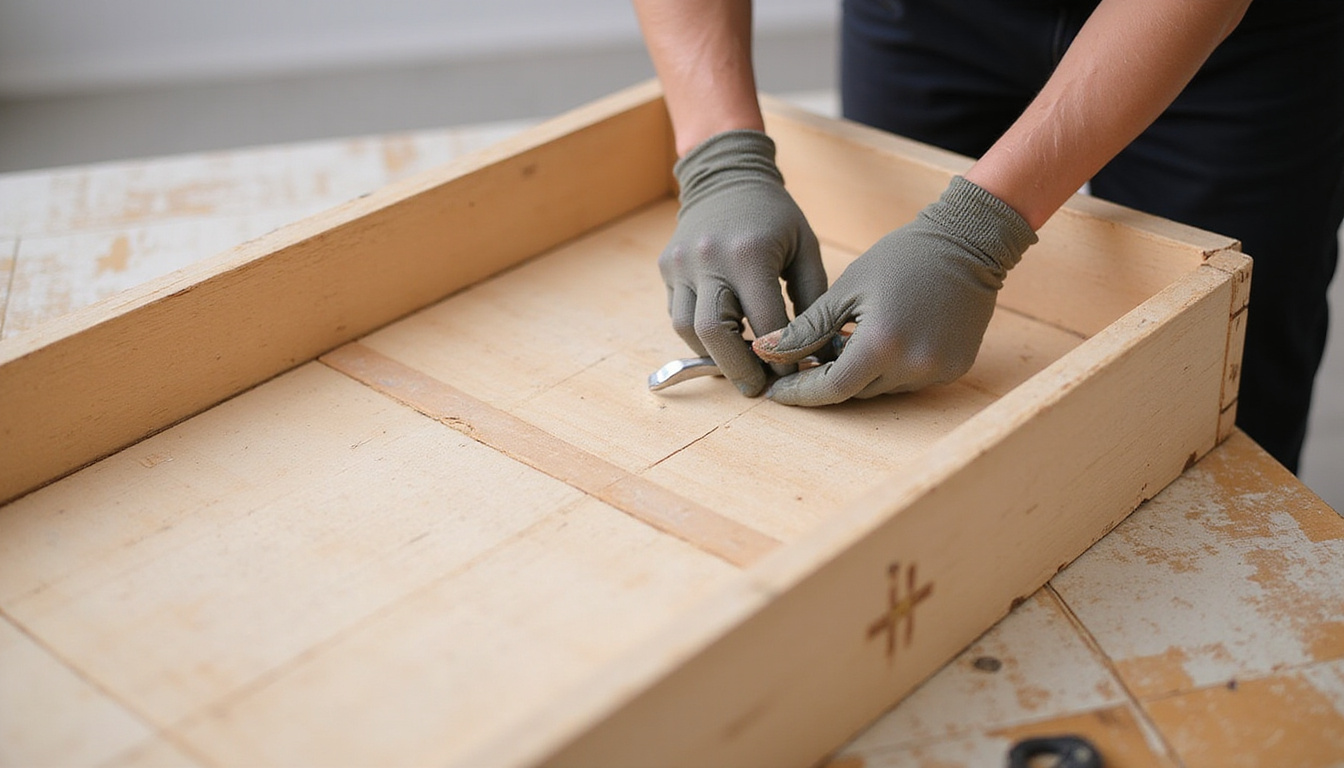
1. Donation
If your box spring is:
- Clean (no stains, odors, or bed bugs)
- Structurally sound (no broken slats or warped frame)
You may be able to donate it to:
- Local charities or shelters
- Habitat for Humanity ReStore locations
- Community reuse centers or thrift stores
Always call first—many organizations have strict policies on accepting bedding.
2. Recycling
Box springs contain wood, metal, and fabric, much of which can be recycled.
Options include:
- Municipal recycling programs: Some cities offer mattress and box spring recycling days or drop-off locations.
- Private recycling facilities: Certain businesses specialize in mattress and box spring recycling and can strip them down into raw materials (metal, foam, wood) for reuse.
The Mattress Recycling Council operates programs like Bye Bye Mattress in certain U.S. states, providing locations for responsible disposal and recycling (source: Mattress Recycling Council).
3. Curbside bulk pickup or landfill
If recycling and donation aren’t possible:
- Check with your local waste management about bulk pickup rules and fees.
- Disassemble the box spring beforehand—smaller pieces are often easier and sometimes cheaper to dispose of.
- Bundle wood and metal separately if required by your local regulations.
Breaking it down first can also reduce the risk of scavengers tearing apart your trash pile and creating a mess.
When to Call Professional Help for Box Spring Removal
DIY isn’t always the best option. Consider hiring pros if:
- You have health or mobility limitations.
- You’re dealing with multiple box springs in a large move.
- Access is extremely tight (steep stairs, tight corners, no elevator).
- You suspect bed bugs or contamination (professionals know how to handle and properly bag contaminated items).
- You’re on a tight schedule and need fast, bulk removal.
You can choose:
- Full-service movers to handle both moving and box spring removal.
- Junk removal services for disposal only.
- Specialized mattress recyclers to ensure eco-friendly handling.
Get at least two quotes and ask if they include disassembly, carrying, and disposal fees in the total.
Quick Checklist: DIY Box Spring Removal in 10 Steps
Use this as a fast reference while you work:
- Clear the room and remove the mattress.
- Lay the box spring on its side or upside-down.
- Cut and remove the bottom fabric dust cover.
- Identify frame type (wood or metal) and fasteners.
- Remove screws, nails, or brackets from corners and supports.
- Pull out slats and detach springs or wire grids.
- Break down frame rails and supports into smaller sections.
- Bundle wood, metal, and fabric separately.
- Decide on donation, recycling, or disposal.
- Clean up staples and debris from the work area.
FAQ: Common Questions About Box Spring Removal
1. How long does box spring removal usually take?
For a standard wooden box spring, complete box spring removal and disassembly typically takes 30–60 minutes for a DIYer with basic tools. Metal frames or heavily stapled fabric can add extra time. If you’ve never done it before, plan for about an hour and work slowly and safely.
2. Can I move without a box spring, or do I need a new one?
Many modern mattresses (especially memory foam and hybrids) can sit on platform beds, slatted frames, or adjustable bases without a traditional box spring. Check your mattress manufacturer’s guidelines—using the wrong foundation can void warranties. If you’re upgrading your bed frame, you might not need to replace the removed box spring at all.
3. What’s the cheapest way to get rid of an old box spring?
The lowest-cost box spring removal and disposal methods usually are:
- DIY disassembly and curbside bulk pickup (if your city offers it).
- Recycling drop-off at a mattress recycling facility (often low-fee or free).
- Giving it away via local marketplaces or community groups, if it’s still in good condition.
Professional junk removal is more convenient but costs more; quotes vary by location and item count.
Make Your Next Move Easier with Smart Box Spring Removal
You don’t have to dread dealing with your box spring when it’s time to move. With a simple plan, a few basic tools, and a little patience, you can:
- Safely disassemble or maneuver it through tight spaces
- Protect your walls, floors, and back
- Dispose of or recycle it responsibly
- Decide whether you even need a new one in your next home
If you’re planning a move soon, start by evaluating your current setup today. Measure your box spring, check your new space, and decide whether you’ll move it intact, break it down, or replace it altogether.
And if you want to save time and stress on moving day, consider lining up professional help or recycling options now—before the chaos starts. Take control of your box spring removal, and your entire move will feel smoother, lighter, and a lot more manageable.
Junk Guys Inland Empire
Phone: 909-253-0968
Website: www.junkguysie.com
Email: junkguysie@gmail.com