
Pressure Washing Secrets: Restore Your Home’s Exterior Like a Pro
Pressure washing is one of the fastest, most satisfying ways to revive a tired-looking home exterior. Done correctly, it can remove years of dirt, mildew, and stains in an afternoon, making siding, driveways, decks, and fences look almost new again. Done incorrectly, it can strip paint, etch concrete, and force water behind siding where it doesn’t belong. This guide walks you through the pressure washing secrets professionals use so you can get pro-level results safely.
Why Pressure Washing Matters for Your Home
Over time, your home’s exterior collects:
- Dirt and dust from wind and traffic
- Mold, mildew, and algae, especially on shaded or damp sides
- Pollution and exhaust residue
- Rust, mineral stains, and tannins from trees
Left alone, these contaminants aren’t just ugly; they can actually damage surfaces. Mold and mildew can slowly break down paint and siding. Algae can get slippery on decks and walkways, creating a safety hazard. Regular pressure washing doesn’t just improve curb appeal — it helps protect your investment and extend the life of your exterior surfaces.
Pressure Washer Basics: PSI, GPM, and Types
Before you start, you need the right equipment and settings. Two key specs matter in pressure washing:
- PSI (Pounds per Square Inch) – how much pressure the washer delivers
- GPM (Gallons per Minute) – how much water it puts out
More PSI means more cleaning power, but also more risk of damage. Professionals choose based on surface type:
- 1,300–2,000 PSI – Suitable for vehicles, outdoor furniture, some soft wood
- 2,000–2,800 PSI – General home use: siding, decks, fences, most driveways
- 3,000+ PSI – Heavy-duty cleaning: stained concrete, masonry, industrial tasks
Gas vs. Electric Pressure Washers
-
Electric pressure washers
- Quieter, lighter, good for light-to-medium duty
- Typically 1,300–2,400 PSI
- Great for small homes, patios, furniture
-
Gas pressure washers
- More powerful, ideal for larger homes and tough stains
- 2,400–4,000+ PSI
- Better for heavy use or big properties
For most homeowners, an electric or mid-range gas unit in the 2,000–3,000 PSI range is a versatile choice.
Choosing the Right Nozzle (This Is Where Many People Go Wrong)
The nozzle controls the spray pattern and effective pressure on the surface. Using the wrong nozzle is one of the fastest ways to damage siding or etch concrete.
Standard color-coding:
- Red (0°) – Pencil jet, maximum cutting power; almost never needed for home exteriors
- Yellow (15°) – Heavy-duty cleaning for tough concrete and metal
- Green (25°) – General-purpose cleaning for driveways, decks, and some siding
- White (40°) – Gentle, wide fan; ideal for most siding and delicate surfaces
- Black (65° / Soap) – Low-pressure; for applying detergents only
Pro secret: Always start with the widest-angle nozzle (usually white 40°) in a small, inconspicuous area. If it’s not cleaning effectively, step down to a more aggressive nozzle. Never start with a red jet tip on home surfaces.
Safety First: Protect Yourself and Your Home
Pressure washing seems simple, but the water stream can cut skin, damage seals, and break glass if mishandled. Take a few critical precautions:
- Wear closed-toe shoes, eye protection, and gloves
- Never point the wand at people, pets, or yourself
- Don’t use a ladder with a pressure washer — the kickback can knock you off
- Protect outdoor outlets and fixtures with plastic and tape
- Close all windows and doors; cover door gaps if needed
- Test a small area first, especially on older wood, paint, or soft stone
According to the CDC, improper use of pressure washers can cause serious injuries from the high-pressure water and flying debris (source: CDC).
Step-by-Step: How to Pressure Wash Your Home’s Siding
Vinyl, fiber cement, and painted wood siding can all be cleaned with pressure washing if you’re careful with pressure and distance.
1. Prep the Area
- Move furniture, planters, and decorations away from the home
- Cover delicate landscaping with breathable fabric or plastic
- Shut off power to exterior outlets if possible
- Remove screens if you plan to clean windows afterward
2. Choose Detergent Wisely
Use a pressure washer–safe exterior cleaner designed for siding. Many are formulated to remove mold and mildew without harsh scrubbing.
- Avoid straight bleach — it can damage plants and finishes if misused
- Check your washer manual for compatible soaps and application methods
3. Apply Detergent
- Switch to the soap (black) nozzle
- Apply from bottom to top to avoid streaks
- Let it sit for 5–10 minutes, but don’t let it dry
4. Rinse Under Pressure
- Switch to a 40° (white) nozzle
- Stand 6–12 feet away to start; move closer only if safe
- Work from top down in smooth, overlapping strokes
- Keep the wand at a slight downward angle to avoid forcing water behind siding
Pro secret: Keep moving. Never hold the spray on one spot for more than a second or two on siding — that’s how paint gets stripped or vinyl gets scarred.
Concrete, Brick, and Driveways: Heavy-Duty Cleaning Without Damage
Driveways, walkways, and brick benefit a lot from pressure washing, but they can be damaged if you go too aggressive.
Recommended Settings
- PSI: 2,500–3,000
- Nozzle: 15° (yellow) or 25° (green), depending on staining and age of concrete
- Distance: Start at least 12–18 inches away and test
Cleaning Process
-
Pre-treat stains
- Use a degreaser on oil spots
- Use a rust remover or specialized cleaner for rust/tannin
-
Apply detergent
- Use concrete-safe cleaner, let it dwell 5–10 minutes
-
Pressure wash in sections
- Overlap passes like mowing a lawn
- Maintain consistent distance and speed for an even look
Pro secret: For large, flat areas, use a surface cleaner attachment. It connects to your pressure washer and greatly reduces streaking while cutting cleaning time.
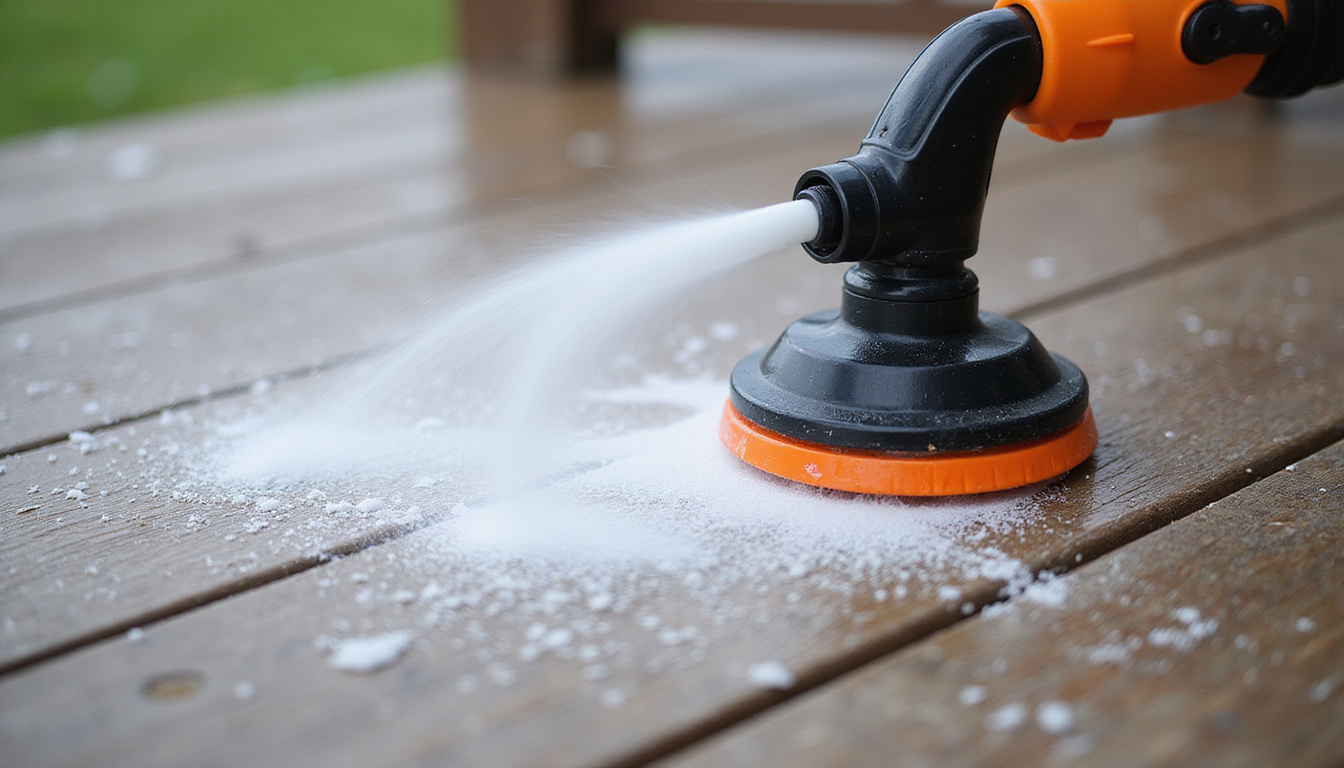
Decks and Fences: Avoiding Splintered Wood
Wood is much easier to damage with pressure washing than many homeowners realize. The goal is to clean, not carve.
Recommended Settings
- PSI: 500–1,500 for softwoods (pine, cedar); up to 2,000 for hardwoods
- Nozzle: 25° (green) or 40° (white)
- Keep the tip 12–18 inches from the surface
Wood Washing Techniques
- Work with the grain, not across it
- Use long, sweeping motions; don’t linger in one spot
- For older, dry wood, lower the pressure and test a hidden area
After cleaning, let wood dry 24–48 hours before sealing or staining. Freshly pressure-washed wood holds finish much better than dirty or moldy surfaces.
Common Pressure Washing Mistakes to Avoid
Many DIYers make the same errors that lead to damage or disappointing results. Avoid these:
-
Too much pressure
- More power isn’t always better; use the lowest effective PSI.
-
Wrong angle
- Spraying upward at siding can push water behind it, leading to mold and rot.
-
Using hot water on sensitive surfaces
- Some washers have hot-water options; avoid on vinyl, some paints, and soft stone.
-
Skipping detergent
- Pressure alone won’t always kill mold or mildew; cleaner helps sanitize and prevent fast regrowth.
-
Ignoring manufacturer instructions
- Always check the washer and surface manufacturer guidelines, especially for composite decking and specialty siding.
When to Hire a Professional Pressure Washing Service
DIY pressure washing is totally feasible for many homeowners, but there are times when calling a pro is the smarter, safer choice:
- Two- or three-story homes where you can’t reach safely from the ground
- Historic or delicate materials (old brick, stucco, soft stone)
- Severe mold, mildew, or algae infestations
- Lack of time, or no desire to buy/maintain equipment
Professionals often use soft washing for delicate surfaces: lower pressure combined with specialized detergents. This method reduces the risk of damage while still achieving deep cleaning.
Simple Maintenance Plan: How Often Should You Pressure Wash?
How frequently you need pressure washing depends on climate, vegetation, and pollution levels, but a general rule of thumb:
- Siding: Every 1–2 years
- Driveways and walkways: Every 1–2 years, or as stains appear
- Decks and fences: Before each major resealing or restaining (usually every 2–3 years)
- Roof (if soft washing is appropriate): Every 2–5 years, and only via proper low-pressure methods
Regular, gentle cleaning is better than letting grime build up for a decade and then blasting it with maximum force.
Quick Checklist: DIY Pressure Washing Like a Pro
Use this brief checklist before you start:
- Choose the right machine (PSI & GPM for your surfaces)
- Select the correct nozzle (start wide, only go narrower if needed)
- Protect outlets, plants, windows, and delicate items
- Use the right detergent for the material
- Test a small, hidden area first
- Keep the wand moving and maintain a safe distance
- Rinse thoroughly from top to bottom
- Allow surfaces to dry before applying any sealers or paint
FAQ: Common Questions About Pressure Washing
Q1: Is pressure washing bad for siding?
It’s safe for most vinyl, fiber cement, and painted siding if you use the correct pressure, nozzle, and technique. Keep the spray at a downward angle, use a wide-tip nozzle, and don’t exceed the manufacturer’s recommended PSI.
Q2: What’s the difference between power washing and pressure washing?
Many people use the terms interchangeably, but technically power washing uses heated water, while pressure washing typically uses unheated water under high pressure. For most home exteriors, standard pressure washing with the right cleaner is sufficient.
Q3: Can I do pressure washing myself or should I hire a pro?
You can handle basic pressure washing yourself if you’re comfortable with the equipment and follow safety guidelines. Hire a professional for multi-story homes, delicate materials, or heavy mold and algae growth where specialized soft washing might be needed.
Bring Your Home Back to Life with Smart Pressure Washing
With the right equipment, technique, and a bit of preparation, pressure washing can transform your home’s exterior in a single weekend. Clean siding looks brighter, driveways look newer, and decks and fences regain their natural beauty — all while you help protect your home from long-term damage caused by dirt, mildew, and algae.
If you’re ready to restore your home’s curb appeal, start planning your pressure washing project now. Gather the right tools, follow the pro tips in this guide, and tackle one area at a time. And if any part of the job feels out of your comfort zone, reach out to a reputable local pressure washing service to handle the heavy lifting while you enjoy the results.
Junk Guys Inland Empire
Phone: 909-253-0968
Website: www.junkguysie.com
Email: junkguysie@gmail.com