
Glass Recycling: Simple Steps to Reduce Waste and Save Money
Glass recycling is one of the simplest and most impactful ways to cut household waste, conserve natural resources, and even save money over time. Unlike many other materials, glass can be recycled endlessly without losing quality, which makes it a powerful tool for anyone looking to live more sustainably without making drastic lifestyle changes.
This guide breaks down how glass recycling works, what you should and shouldn’t do, and practical steps to reduce waste and lower your expenses at home and in your business.
Why Glass Recycling Matters More Than You Think
Most people think of glass as just another item in the recycling bin, but its benefits go much deeper:
- Infinite recyclability: Glass can be melted and reformed over and over without degrading.
- Resource conservation: Recycling glass reduces the need for raw materials like sand, soda ash, and limestone.
- Energy savings: Using recycled glass (called cullet) in manufacturing reduces the energy required to produce new glass.
- Landfill reduction: Glass doesn’t decompose—it just sits in landfills, taking up space indefinitely.
According to the U.S. Environmental Protection Agency, recycling one ton of glass saves over a ton of natural resources, including sand and other raw materials (source: EPA). Those savings ripple through the entire supply chain: fewer trucks hauling raw materials, lower energy usage in factories, and less landfill volume for municipalities to manage.
How Glass Recycling Actually Works
Understanding the process behind glass recycling makes it easier to participate correctly and confidently.
1. Collection and Sorting
Glass is first collected from:
- Curbside recycling programs
- Bottle banks and drop-off points
- Commercial sources (restaurants, bars, hotels, events)
Once collected, glass is sorted by color—typically clear, green, and brown/amber. This is important because different colors of glass have different chemical compositions. Mixing them uncontrollably can lead to weak or discolored new glass products.
Some facilities do color sorting automatically using optical scanners; others still rely on manual sorting.
2. Cleaning and Processing
Next, the glass is:
- Cleaned: Labels, caps, leftover liquids, and contaminants are removed.
- Crushed: The cleaned glass is crushed into small pieces known as cullet.
- Further purified: Metals, plastics, ceramics, and other foreign objects are removed using magnets, screens, and air classifiers.
High-quality cullet is crucial—contaminants can damage furnaces and weaken new glass products.
3. Melting and Remanufacturing
The cullet is then mixed with raw materials (like silica sand) and melted in a furnace at extremely high temperatures. The molten glass is shaped into:
- New bottles and jars
- Windows and glass panels
- Fiberglass insulation
- Tiles and decorative items
This closed-loop cycle—bottle to bottle, jar to jar—is one of the reasons glass is considered a model material for a circular economy.
What You Can and Can’t Put in Glass Recycling
Not all glass is created equal. Some types are perfectly recyclable in standard programs, while others can cause serious problems.
Commonly Accepted in Most Glass Recycling Programs
- Food jars (sauces, jams, pickles)
- Beverage bottles (wine, beer, juice, soda)
- Some cosmetic or toiletry bottles (check the label and local rules)
Rinse these containers lightly to remove food residue—no need for perfection, but avoid leaving liquids or solids inside.
Usually NOT Accepted in Standard Glass Recycling
These types of glass have different melting points or chemical compositions and can contaminate entire batches:
- Ceramics and pottery (mugs, plates, tiles)
- Pyrex and oven-safe glassware
- Drinking glasses and crystal
- Mirrors
- Window glass and windshields
- Light bulbs (LED, CFL, incandescent)
Each of these often requires separate handling. Some hardware stores or local recycling centers may have special programs for light bulbs or window glass—check your municipality’s website.
Simple Steps to Recycle Glass Correctly at Home
You don’t need a complex system to make glass recycling a normal part of your routine. A few small habits go a long way.
Step 1: Set Up a Dedicated Glass Container
Place a sturdy container or bin in your kitchen, pantry, or garage specifically for glass. Clearly label it so that family members or housemates don’t toss in non-glass items.
Step 2: Rinse and Remove Contaminants
Before adding glass to your bin:
- Gently rinse containers to remove leftover food or drink
- Remove caps and lids whenever possible (metal and plastic often have separate recycling streams)
- Avoid breaking glass unnecessarily—intact containers are safer to handle
Labels are usually fine to leave on; most modern recycling facilities can handle them.
Step 3: Check Local Recycling Rules
Recycling rules vary widely by city or region. Look up:
- Whether glass is accepted in curbside recycling
- If glass must be sorted by color at home
- Any specific bans (like small glass items, shot glasses, etc.)
- Availability of drop-off locations or bottle banks
Following local guidelines improves the chances your glass is actually recycled instead of diverted to landfill due to contamination.
Step 4: Drop Off or Set Out on Collection Day
- If you have curbside pickup, place glass where and how your provider specifies.
- If you use a drop-off point, consider combining trips with other errands to save time and fuel.
Small, consistent habits beat occasional large efforts.
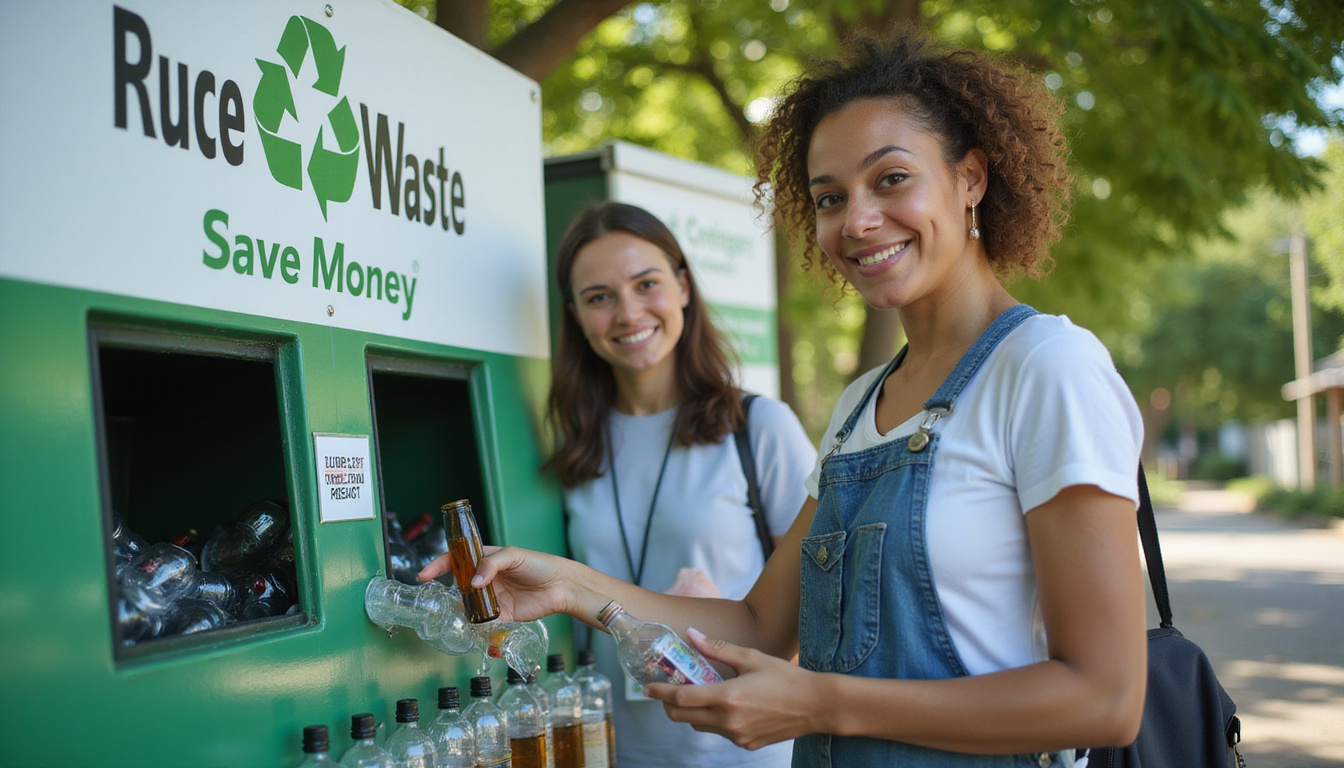
How Glass Recycling Helps You Save Money
While you may not get paid for every glass bottle or jar you recycle, there are several ways that glass recycling and smarter glass usage can directly or indirectly save you money.
Deposit-Return Programs and Refunds
In many regions, beverage containers carry a small deposit fee—you pay a bit extra at purchase and get it back when you return the container. Over a year, returning your bottles can add up to meaningful savings.
Check if your area has:
- Bottle deposit schemes
- Return centers at supermarkets
- Reverse vending machines for bottles and cans
Reusing Glass Containers at Home
Every jar you reuse is one less container you have to buy. Glass jars are perfect for:
- Bulk food storage (grains, nuts, coffee, spices)
- Leftovers and meal prep
- Homemade sauces, dressings, and snacks
- Organizing screws, nails, and craft supplies
By reusing durable glass containers, you buy fewer storage products, plastic containers, and single-use packaging.
Buying in Glass to Reduce Waste and Costs Long-Term
While some glass-packaged products can be slightly more expensive, they often:
- Keep food fresher longer (less spoilage and waste)
- Are available in larger, more economical sizes
- Provide containers that you can later reuse or recycle
Especially for staples like sauces, oils, and pickles, choosing glass can pay off over time.
Reducing Waste Management Costs
In some municipalities or for businesses:
- Waste disposal volume is directly tied to cost.
- Recycling glass instead of sending it to landfill can help reduce overall waste charges.
For restaurants, bars, and cafes, a proper glass recycling system can meaningfully lower waste bills and improve sustainability credentials with customers.
Beyond the Bin: Creative Ways to Reuse Glass
Recycling is excellent, but reuse is even better. Before you toss a glass item into the recycling bin, consider giving it a second life.
Here are some ideas:
-
Food and Pantry Storage
- Store homemade jams, broths, sauces, and dry goods.
- Use uniform jars and label them for a clean, organized pantry.
-
DIY Decor and Gifts
- Turn wine bottles into candle holders or vases.
- Fill jars with homemade mixes (cookie mix, hot chocolate mix) for low-waste gifts.
-
Upcycled Lighting
- Use larger jars for DIY lanterns or string-light displays.
- Convert unique bottles into lamp bases with simple kits.
-
Gardening Helpers
- Use jars as mini greenhouses for seedlings.
- Create self-watering planters using upcycled containers.
Every reuse cycle extends the life of the glass, stretches your budget, and reduces demand for new materials.
Common Glass Recycling Mistakes to Avoid
A few frequent errors can cause big problems in the recycling stream. Watch out for these:
-
Putting heat-resistant glass (like Pyrex) in with bottles and jars
Different melting points can damage furnaces and ruin batches of recycled glass. -
Throwing in ceramics and stones
These can’t be melted with glass and are hard to remove once mixed. -
Leaving metal caps tightly screwed on
Caps are often recyclable, but they’re usually sorted separately—check local guidelines. -
Tossing glass with lots of leftover food
Heavy contamination can cause whole loads to be rejected. -
Breaking glass intentionally
While broken glass can be recycled, excess breakage increases safety risks for workers.
Taking a few seconds to sort and prepare your glass can significantly increase the chances it’s effectively recycled.
Quick Checklist for Smarter Glass Recycling
Use this list to build a simple home or office routine:
- Set up a dedicated, clearly labeled glass collection bin
- Rinse bottles and jars lightly before collection
- Remove caps and lids (recycle separately if accepted locally)
- Avoid mixing glass with ceramics, light bulbs, or Pyrex
- Check local rules for color sorting and accepted items
- Combine recycling drop-offs with other errands to save fuel
- Reuse suitable jars and bottles before sending to recycling
FAQ: Glass Recycling and Waste Reduction
1. How does glass recycling help the environment?
Recycling glass conserves raw materials, reduces mining and quarrying, and uses less energy than making new glass from scratch. It also keeps heavy, non-biodegradable material out of landfills and reduces greenhouse gas emissions associated with manufacturing and waste management.
2. Can all glass be recycled?
Not all glass types are compatible with standard glass recycling systems. Bottles and jars are usually fine, but ovenware, drinking glasses, mirrors, and window glass typically are not. These special types require different processing, so always follow your local glass recycle guidelines.
3. Is it better to reuse or recycle glass?
Reusing glass, when safe and practical, is usually better than recycling because it avoids the energy used in transportation and remanufacturing. For example, reusing jars for food storage or crafts maximizes their value. When reuse isn’t possible, proper glass recycling ensures the material stays in circulation instead of ending up in landfill.
Start Making Glass Recycling a Simple, Money-Saving Habit
You don’t need new gadgets, a big budget, or a major lifestyle overhaul to make a real difference. By understanding how glass recycling works, following local rules, and building a few small habits—like rinsing jars, separating out non-recyclable glass, and reusing containers—you can cut your waste, support a circular economy, and save money at the same time.
Begin today: set up a dedicated glass bin, check your local recycling guidelines, and choose glass-packaged products that you can reuse or return. Each bottle and jar you keep in circulation is a step toward a cleaner home, a lighter environmental footprint, and a more cost-effective way of living.
Junk Guys Inland Empire
Phone: 909-253-0968
Website: www.junkguysie.com
Email: junkguysie@gmail.com