
Recliner Removal: 7 Genius Hacks to Move It Fast
If you’ve ever tried to drag a bulky chair out of a tight doorway, you know recliner removal can quickly turn into an all‑day struggle. Whether you’re upgrading your furniture, decluttering, or prepping for a move, getting that heavy recliner out of your home efficiently—and safely—takes a bit of strategy.
Below are seven smart, practical hacks to help you move a recliner fast without destroying your back, your walls, or your schedule.
1. Measure First, Move Once
Before you so much as budge the recliner, grab a tape measure. Careful planning is the foundation of fast, no‑drama recliner removal.
Measure the recliner:
- Height (floor to tallest point)
- Width (widest part, often arm to arm)
- Depth (front of seat to back)
Then measure these key areas:
- Doorways
- Hallways
- Staircases (width and turning radius)
- Elevator doors (if applicable)
Write these down and compare. If any measurement is too tight, you’ll know in advance whether you need to:
- Tilt the recliner at an angle
- Remove doors from hinges
- Disassemble parts of the recliner (back, legs, or base)
This five‑minute step can save 45 minutes of frustration and reduce the risk of gouged drywall or damaged trim.
2. Lighten the Load by Disassembling
Most modern recliners are designed to come apart more easily than you might think. Disassembling doesn’t just make recliner removal easier—it makes it faster and safer.
Common removable parts:
-
Backrest:
Many recliners have a “slip‑on” back that can be released by:- Pulling fabric up at the back base
- Releasing locking levers or tabs on each side
- Lifting the back straight up and off the metal brackets
-
Footrest or ottoman section:
Some models allow you to remove the footrest by:- Unscrewing bolts underneath
- Detaching pins or clips near the hinge
-
Arm cushions or side panels:
Less common, but some premium models have removable sides secured with screws or hidden zippers. -
Power components (for electric recliners):
- Unplug from the wall
- Disconnect power brick and wiring harnesses
- Secure or remove any dangling cables
Pro tip: Take quick photos during disassembly so reassembly (if needed) is painless. Keep screws and small parts in a labeled bag.
If you’re unsure about your model, check the manufacturer’s manual online for diagrams and instructions (source: many major brands publish digital manuals on their websites).
3. Glide, Don’t Drag: Use Sliders and Simple Tools
Trying to brute‑force a recliner across the floor is a fast way to pull a muscle and scratch your flooring. Instead, use tools that turn heavy lifting into easy sliding.
Helpful tools for easy recliner removal
- Furniture sliders:
Small discs that go under the legs or base of your recliner so it glides across carpet or hard floors. - Moving blankets or a rug:
Tilt the recliner slightly, slide a blanket or rug under it, then pull the blanket instead of the chair. - Dolly or hand truck:
Stand the recliner on its end (if stable), strap it to the dolly, and wheel it out. - Lifting straps:
If you have a helper, shoulder or forearm moving straps redistribute weight, making lifting surprisingly manageable.
Floor protection tip: For hardwood or tile, use soft furniture sliders or a thick moving blanket. For carpet, use hard‑plastic sliders or a dolly.
4. Use the Right Lifting Techniques (Save Your Back)
Speedy recliner removal is pointless if you end up injured. Most recliners weigh between 75–150 lbs, and power models can be even heavier. Proper lifting technique is non‑negotiable.
Smart lifting basics
- Bend at the hips and knees—not your back
- Keep the chair close to your body
- Avoid twisting while lifting or walking
- Lift with your legs, not your lower back
- Communicate with your partner (“1‑2‑3, lift”)
Whenever possible, push rather than pull—you’ll have more control and reduce strain on your shoulders and back.
If the recliner feels even close to unmanageable, don’t “tough it out.” Heavy, awkward furniture is a top cause of moving‑related injuries (source: U.S. Consumer Product Safety Commission).
5. Navigate Tight Spaces with Strategic Angles
The hardest part of recliner removal is often a narrow doorway, hallway, or stairwell. The trick is to think in three dimensions and adjust angles creatively.
Try these maneuvering tactics
-
Go vertical:
Stand the recliner on its side or back if that reduces the width or depth. Many doorways are easier to pass through when the chair is vertical. -
Lead with the narrow end:
Identify which dimension is smallest (top of backrest, side of arm, etc.) and lead with that when going through tight spots. -
Use the “hook” method in doorways:
- Move one end of the recliner partially through the doorway at an angle
- Once the first end is clear, pivot the rest of the chair through
-
Remove doors temporarily:
Popping a door off its hinges can give you an extra ½–1 inch of clearance, which can make all the difference. -
Plan the path in advance:
Walk the entire route before moving:- Remove shoes, toys, rugs, and clutter
- Tape down any loose cords
- Prop doors open
This pre‑planning transforms a 30‑minute struggle into a five‑minute, controlled move.
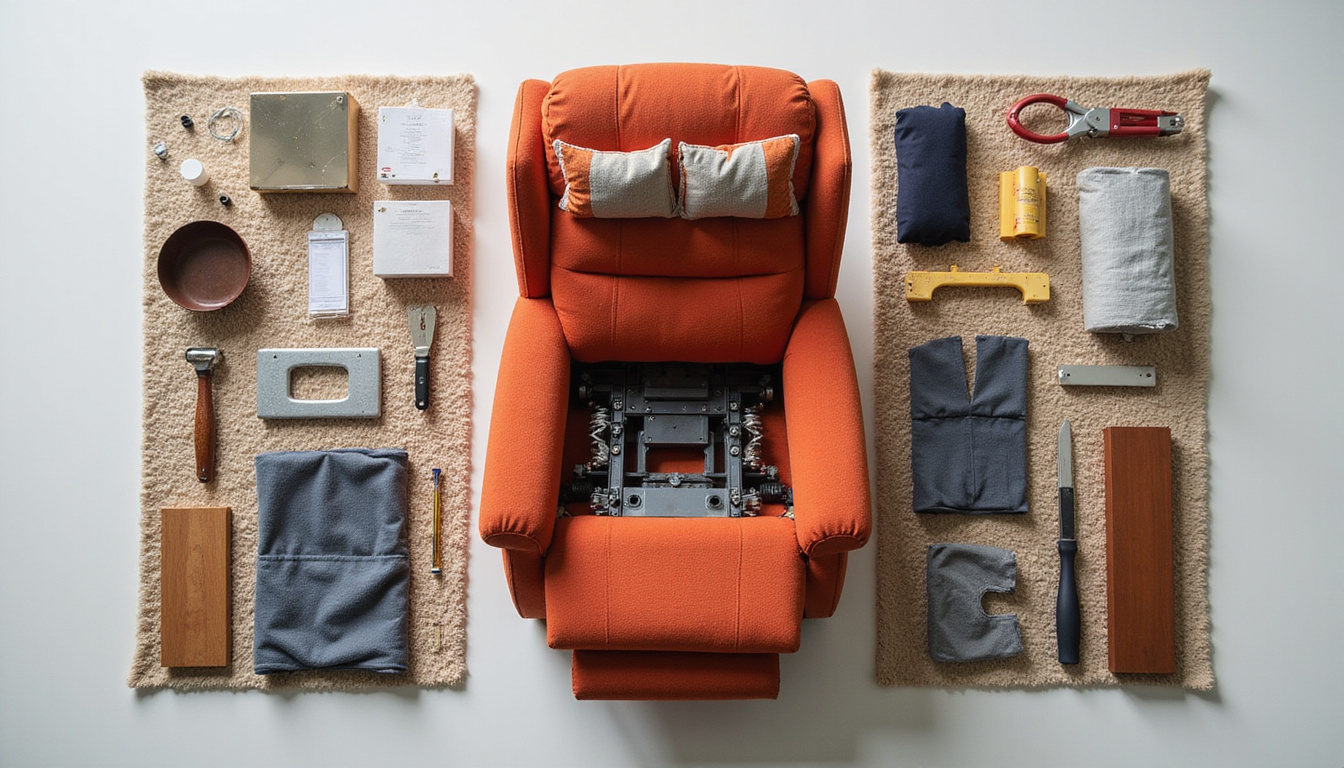
6. Decide: Trash, Donate, Sell, or Recycle?
Once you’ve completed the physical recliner removal from the room, you still need a plan for where it goes. This is where many people lose time, making last‑minute dump runs or scrambling for a buyer.
Think through these four main options:
1. Donate
If the recliner is still in decent shape (clean, functional, no major tears or smells), consider donating:
- Local charities or thrift stores
- Churches or community centers
- Furniture banks
- College housing or shelters
Always call ahead; many organizations have policies about accepting upholstered furniture and may even offer pickup.
2. Sell
If your recliner is in good condition or a higher‑end brand, you can recoup some value by listing it on:
- Facebook Marketplace
- Craigslist
- OfferUp
- Local buy‑nothing or neighborhood groups (if offering free)
Include clear photos from multiple angles, measurements, and a note that it’s already moved to the garage or near the door for easy pickup—this often speeds up responses.
3. Recycle
Some areas have programs to recycle furniture, especially metal components from recliner frames, springs, and mechanisms. Check:
- City or county bulky‑item recycling
- Metal scrap yards
- Specialized furniture recycling facilities
4. Trash / Bulk Pickup
If the recliner is badly damaged, infested, or unsalvageable, bulk trash pickup might be your best option:
- Contact your local waste management provider
- Ask about bulk pickup days and any fees
- Confirm rules (sometimes you must move it curbside or tag it)
Having this exit plan before you start moving ensures the recliner is gone fast, not sitting in your garage for weeks.
7. Call a Professional Recliner Removal Service
Sometimes the true “genius hack” is not doing it yourself at all. Professional junk removal or furniture removal services specialize in fast, efficient recliner removal from your home.
When hiring pros makes sense
- You live alone or don’t have a helper
- You’re dealing with multiple heavy items (sectional, mattress, recliner, etc.)
- There are lots of stairs or tight corners
- You’re short on time or have physical limitations
- The recliner is extremely heavy (e.g., motorized lift chairs)
What to look for in a removal company
- Transparent, upfront pricing (by item or load size)
- Licensed and insured
- Positive, recent reviews
- Clear policies on donation and recycling (many will donate usable items)
Typically, you book a time window, they give you an on‑site quote, and if you agree, they remove the recliner on the spot. For many people, the added cost is worth the saved time, effort, and risk.
Quick Checklist: Fast Recliner Removal in 10 Steps
Use this to keep your removal process efficient and organized:
- Measure recliner + doorways/halls
- Clear the path (rugs, clutter, cords)
- Unplug and disconnect any power components
- Disassemble back, legs, or footrest (if possible)
- Protect floors with sliders or blankets
- Position the recliner at the best angle for each doorway
- Lift with proper technique and a helper
- Load onto dolly or directly into vehicle (if hauling yourself)
- Follow your disposal plan (donate, sell, recycle, or bulk pickup)
- Sweep/vacuum and check for any damage to walls or floors
FAQ: Recliner Removal and Disposal
Q1: What is the easiest way to remove an old recliner from my house?
The easiest way is usually to disassemble the back, use furniture sliders or a dolly, and move it along a pre‑cleared path to the exit. If the recliner is very heavy or you have stairs, hiring a professional recliner removal service is often the simplest and safest option.
Q2: How do I dispose of a broken recliner chair responsibly?
If the chair is broken beyond repair, call your city’s waste management department about large‑item pickup or furniture recycling options. Some areas allow curbside bulky pickup by appointment, while others require drop‑off at a designated facility. Scrap yards may accept the metal parts of a recliner for recycling.
Q3: Can I donate a used recliner, and will anyone pick it up?
Yes—if it’s clean, functional, and free of major damage, many charities, thrift stores, and community organizations accept used recliners. Some will even schedule free pickup, especially for multiple items. Always call ahead to confirm their furniture donation and removal policies.
Ready to Ditch That Recliner for Good?
You don’t have to let an old, bulky chair hold your space hostage. With a bit of planning—measuring your route, disassembling key parts, using sliders or a dolly, and choosing the right disposal option—you can complete recliner removal in under an hour, often much faster.
If the job feels too heavy, too tight, or too time‑consuming, consider booking a local recliner removal service to handle the lifting, navigating, and hauling for you. Take back your room, reclaim your floor space, and make room for the furniture you actually love—starting today.
Junk Guys Inland Empire
Phone: 909-253-0968
Website: www.junkguysie.com
Email: junkguysie@gmail.com