
Yard waste recycling is one of the simplest, most cost‑effective ways to shrink your trash bill while boosting the health and beauty of your landscape. Instead of paying to haul away bags of leaves, grass clippings, and branches, you can turn that “waste” into valuable resources—mulch, compost, and even free garden structures. With a few smart habits and simple tools, your yard can start paying you back.
What Counts as Yard Waste?
Before you can make the most of yard waste recycling, it helps to know what you’re dealing with. Typical yard waste includes:
- Grass clippings
- Leaves and pine needles
- Small branches and twigs
- Pruned shrubs and hedge trimmings
- Garden plants and spent annuals
- Weeds (carefully handled—more on this later)
Most of these materials are rich in nutrients and organic matter. When you send them to the landfill, you’re essentially throwing away fertilizer, soil conditioner, and mulch that you’ve already paid for in water and maintenance.
Why Yard Waste Recycling Saves You Money
Recycling your yard waste isn’t just good for the environment—it’s a real budget helper.
Lower Trash and Disposal Costs
Many municipalities charge extra for yard waste bags, stickers, or special pickup. By composting and reusing material on-site, you can:
- Reduce the number of paid yard waste bags
- Avoid special pickup fees for branches and bulky items
- Cut fuel and time spent hauling material to drop‑off sites
In some areas, organic waste can make up 20–30% of household trash by weight (source: EPA). Every pound you keep out of your trash bin can move you into a smaller, cheaper service level.
Less Money on Store-Bought Products
Yard waste recycling creates:
- Free mulch (no more buying bags every spring)
- Free compost (less need for commercial soil amendments or fertilizers)
- Free garden structures and edging (from branches and logs)
Over a few seasons, these savings add up, especially for larger yards or active gardeners.
Grasscycling: The Easiest Yard Waste Recycling Habit
If you do nothing else, start with grasscycling. It’s the fastest, lowest‑effort way to reduce yard waste.
Grasscycling means leaving grass clippings on the lawn instead of bagging them. Here’s why it works:
- Clippings decompose quickly and return nitrogen to the soil
- You can reduce fertilizer use by up to 25–30% over time
- No more filling and dragging heavy bags to the curb
How to start grasscycling:
- Mow when the grass is dry, taking off no more than one‑third of the blade length.
- Use a mulching mower or set your mower to “mulch” if it has that option.
- Mow a little more frequently in peak growth seasons to keep clippings small.
If you notice clippings clumping, you’re probably mowing when the grass is too tall or too wet. Adjust your schedule rather than giving up on grasscycling—it’s one of the biggest money savers in yard waste recycling.
Turn Leaves into Free Mulch and Compost
Fallen leaves are one of your yard’s most valuable resources. Instead of bagging them, transform them.
Mulching Leaves on the Lawn
Many trees drop leaves rich in nutrients. Running your mower over them a few times breaks them into small pieces that:
- Filter down into the grass
- Decompose over winter
- Improve soil structure and organic content
Research has shown that mulched leaves can enhance soil and help control certain lawn weeds over time.
Shredded Leaves as Garden Mulch
Use shredded leaves around:
- Perennials
- Shrubs and trees
- Vegetable beds (away from stems)
Benefits:
- Suppress weeds
- Moderate soil temperature
- Reduce evaporation and watering needs
- Feed soil life as they break down
You can shred leaves by running them over with a mower or using a leaf shredder. Shredded leaves settle better and decompose faster than whole leaves.
Composting Leaves for Rich Soil
A pile of leaves can become leaf mold or part of a balanced compost pile. Leaf mold is simply leaf piles left to decompose over a year or two into a dark, crumbly soil amendment that excels at moisture retention. It’s especially useful in vegetable gardens and flower beds.
Home Composting: The Heart of Yard Waste Recycling
Composting lets you turn a wide range of yard and kitchen scraps into a powerful soil builder. You don’t need a fancy system—just the right mix and a bit of patience.
What to Compost from Your Yard
Great “brown” (carbon‑rich) materials:
- Dry leaves
- Straw
- Small twigs and shredded branches
- Dried plant stalks
Great “green” (nitrogen‑rich) materials:
- Fresh grass clippings
- Green plant trimmings
- Spent annuals without disease
- Non‑woody garden weeds before they go to seed
Avoid:
- Diseased plants
- Weed seeds and invasive roots (these can survive basic composting)
- Thick, woody branches (unless chipped)
Simple Composting Steps
- Choose a spot or bin: Use a corner of your yard, a pallet bin, or a purchased compost container.
- Layer browns and greens: Aim for roughly 2–3 parts browns to 1 part greens by volume.
- Keep it moist: Like a wrung‑out sponge—not dripping, not bone dry.
- Turn occasionally: Mixing every few weeks speeds decomposition.
- Harvest finished compost: Dark, crumbly, earthy‑smelling material from the bottom or center.
Use compost to top‑dress lawns, amend garden beds, fill containers, and help new plants establish robust root systems.
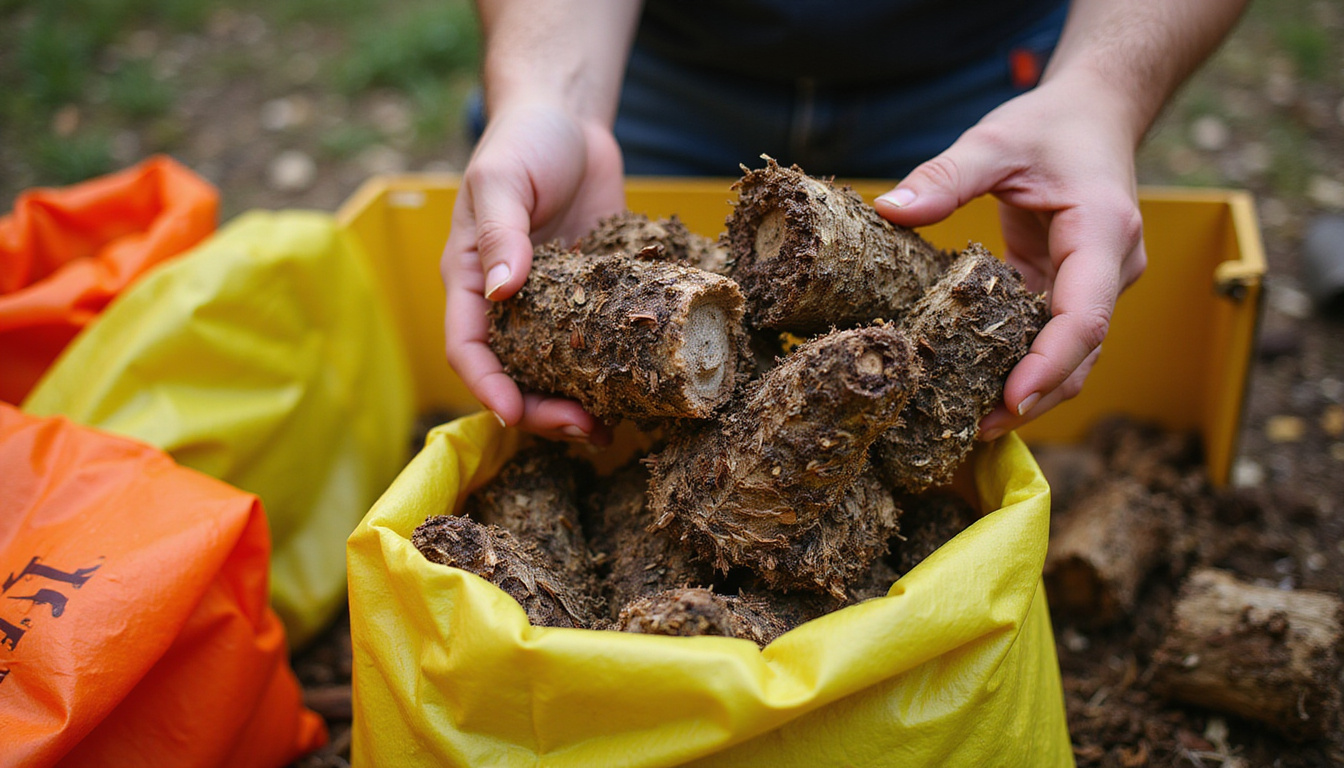
Creative Mulching with Yard Waste
Mulch is one of the best outcomes of yard waste recycling. It saves you money on water, weed control, and replacement plants.
DIY Mulch Materials
- Shredded leaves
- Grass clippings (thin layers only; mix with leaves to prevent matting)
- Chipped branches and small logs
- Pine needles (great under acid‑loving plants)
Tips for using homemade mulch:
- Keep mulch 2–4 inches thick for best weed suppression and moisture retention.
- Pull mulch back 2–3 inches from plant stems and trunks to prevent rot.
- Mix materials (like leaves and chips) for better structure and decomposition.
Upcycling Branches and Logs
Larger yard waste from pruning and storm cleanup doesn’t have to go to the curb. It can become functional or decorative features in your garden.
Practical Uses for Branches
- Brush piles for wildlife: Stack branches loosely in a corner to create habitat for birds, beneficial insects, and small animals.
- Natural edging: Lay straight branches along bed edges and pathways.
- Simple trellises: Lash or tie branches into teepees or ladders for beans, peas, and flowering vines.
Logs as Garden Features
- Informal seating: Larger logs can become rustic benches or stools.
- Raised bed borders: Use them like timbers to outline beds.
- Hugelkultur mounds: Bury logs and branches under soil and compost to create raised mounds that hold moisture and slowly release nutrients.
These projects reduce disposal volume while adding interest and function to your space.
Using Municipal Yard Waste Recycling Programs Wisely
Not every scrap can stay on your property, especially in smaller yards. Municipal and regional programs can fill the gap.
Common offerings include:
- Curbside yard waste collection (for composting, not landfills)
- Community compost drop‑off sites
- Free or low‑cost mulch and compost made from collected yard waste
Check your local guidelines to know:
- What materials are accepted (bagged leaves, bundled branches, etc.)
- Size and weight limits for branches
- Whether biodegradable bags or specific containers are required
Even if you rely on municipal services, combining them with home-based yard waste recycling will maximize your savings and minimize your environmental footprint.
Yard Waste Recycling Mistakes to Avoid
To keep your system efficient and safe, watch out for a few common pitfalls.
- Composting invasive plants: Aggressive species (like certain vines or runners) can regrow from fragments. Bag and dispose of these separately according to local rules.
- Including diseased plants: Some pathogens survive backyard compost temperatures. Remove and discard or follow local extension guidance.
- Overusing grass clippings: Thick layers can mat, smell, and block water. Always mix with drier materials or use thinly.
- Ignoring regulations: Some areas limit open piles or burning. Always check codes before starting large projects.
A bit of care upfront keeps your yard waste recycling system clean, effective, and neighbor‑friendly.
Quick Start: A Simple Yard Waste Recycling Plan
If you’re feeling overwhelmed, start with a basic, low‑effort approach:
- Stop bagging grass: Switch to grasscycling with your existing mower if possible.
- Mulch autumn leaves: Mow them into the lawn; bag only what your lawn can’t handle and use as mulch.
- Set up one compost pile or bin: Add kitchen scraps (no meat or dairy) plus leaves and a portion of your grass clippings.
- Chip or cut branches: Use what you can for edging or trellises; send the rest to municipal chipping or yard waste services.
Within one season, you’ll see a visible drop in trash output and a noticeable improvement in soil and plant health.
FAQ: Common Questions About Yard Waste Recycling
Q1: What is the best method of yard waste recycling for a small yard?
For small spaces, focus on grasscycling and leaf mulching, plus a compact compost bin or tumbler. These methods handle most of your yard waste without needing large piles or heavy equipment.
Q2: Can I use yard debris recycling to improve poor soil quickly?
Yes. Combining compost from yard waste, shredded leaves as mulch, and occasional grass clippings can improve structure, drainage, and fertility. For faster results, layer compost 1–2 inches deep over beds and lightly mix into the top few inches of soil.
Q3: Is it safe to use recycled yard waste like leaves and clippings around vegetables?
Generally yes, as long as the material is free from herbicides and you avoid diseased plants and problem weeds. Fully composted yard waste is safest; use fresh clippings and leaves as surface mulch, not mixed directly into the soil during planting.
Recycling your yard waste is one of the few home projects that saves money, cuts trash, and makes your property healthier and more attractive—all at once. Start by changing just one habit, like leaving grass clippings on the lawn or composting fall leaves, and build from there. If you’re ready to lower your trash bill and grow a greener, more resilient yard, choose one idea from this guide and put it into action in your next weekend yard work session. Your soil, your wallet, and the planet will all benefit from your commitment to smarter yard waste recycling.
Junk Guys Inland Empire
Phone: 909-253-0968
Website: www.junkguysie.com
Email: junkguysie@gmail.com