
Residential appliance recycling is one of the easiest ways to reclaim storage space, cut clutter, and potentially put some extra money in your pocket—all while doing something meaningful for the environment. From aging fridges humming in the garage to broken washing machines collecting dust in the basement, nearly every home has at least one bulky appliance past its prime. Knowing how to recycle these items properly can help you avoid disposal headaches and even earn cash or credits.
This guide explains how residential appliance recycling works, what’s worth money, where to take old units, and how to stay safe and compliant with local rules.
Why Residential Appliance Recycling Matters
Appliances are made of metal, plastic, glass, wiring, and sometimes hazardous materials. When thrown into the trash:
- They take up significant landfill space
- Refrigerants and oils can leak into soil and water
- Valuable metals and components that could be reused are lost
According to the U.S. EPA, appliance recycling conserves natural resources and reduces greenhouse gas emissions by keeping refrigerants and foam blowing agents out of the atmosphere (source: EPA). Residential appliance recycling ensures your old units are handled in a way that protects the environment, meets legal requirements, and maximizes material recovery.
What Counts as a “Residential Appliance”?
Most large and small household appliances can be recycled, but the process differs depending on size and components.
Common large appliances
- Refrigerators and freezers
- Washers and dryers
- Dishwashers
- Ovens, ranges, and cooktops
- Water heaters
- Air conditioners and dehumidifiers
- Furnaces and boilers
Common small appliances
- Microwaves
- Toaster ovens and toasters
- Blenders and mixers
- Coffee makers and electric kettles
- Vacuum cleaners
- Space heaters
- Window fans and exhaust fans
Large appliances often contain refrigerants, oils, and large amounts of metal, while small appliances are mostly metal, plastic, and electronic boards. Both categories can be recycled, but refrigerators, freezers, AC units, and dehumidifiers require special handling by certified professionals.
How Residential Appliance Recycling Works
Understanding the process helps you choose the right option and know what to expect.
-
Collection or Drop-off
- You schedule a curbside pickup, drop the unit at a recycling center, or use a retailer take-back program.
- Many utilities or retailers require the appliance to be in working or near-working condition for incentive programs.
-
Pre-Processing and De-Pollution
- Qualified technicians remove refrigerants (like Freon), compressor oils, and any other regulated substances.
- These materials are either reclaimed and reused or destroyed according to environmental guidelines.
-
Dismantling and Sorting
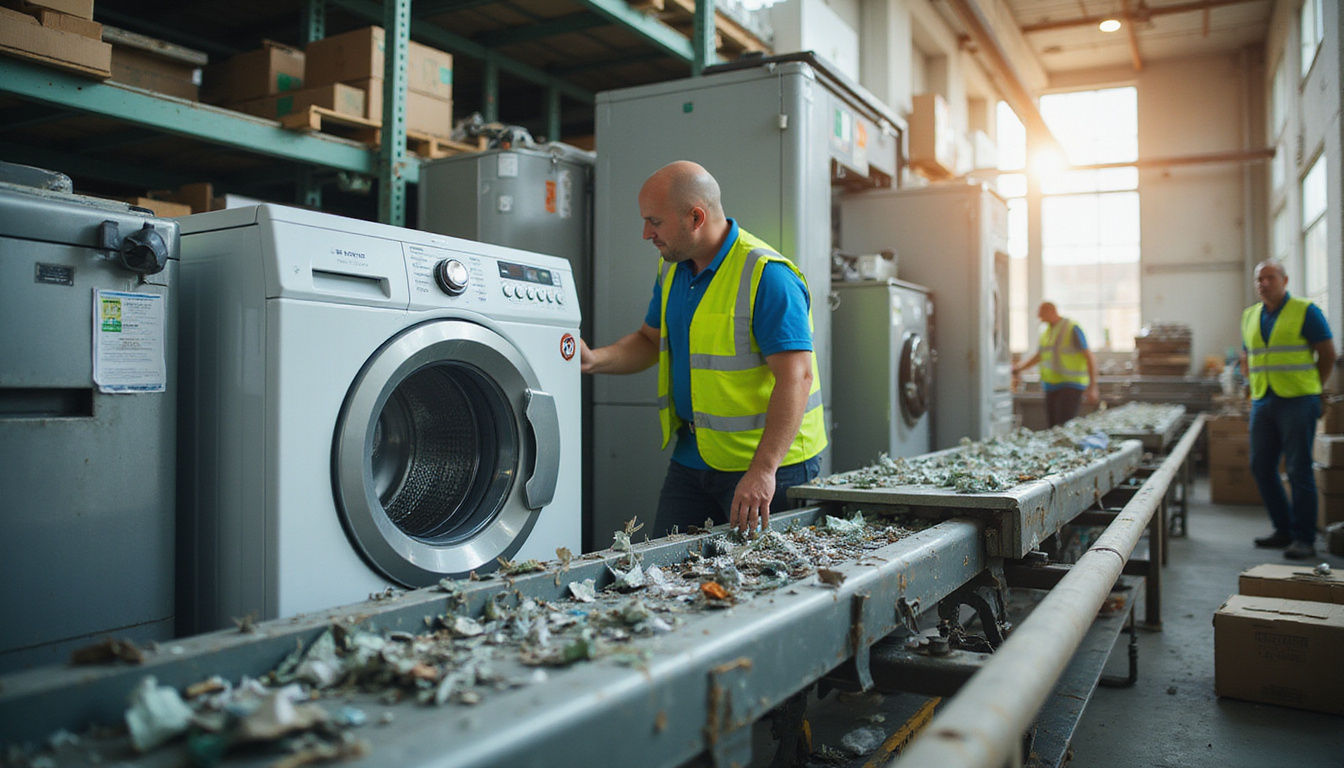
- Appliances are taken apart; metals, plastics, glass, and electronic components are separated.
- Usable parts may be pulled for refurbishment and resale.
-
Shredding and Materials Recovery
- Metal and plastic components are shredded.
- Magnets, eddy current separators, and other methods separate ferrous metals, non-ferrous metals (like copper and aluminum), and plastics.
-
Recycling and Reuse
- Recovered metals are shipped to smelters and mills to be turned into new products.
- Some plastics and glass are also recycled, depending on local markets and technology.
This closed-loop system is the foundation of responsible residential appliance recycling and ensures that much of your old appliance is given a second life.
Can You Turn Old Appliances Into Cash?
Many people are surprised to learn that certain appliances have real monetary value at the end of their life. You might not get rich, but you can offset the hassle of removal and create immediate benefits.
Where the money comes from
-
Scrap Metal Value
Most appliances are primarily steel with some copper, aluminum, and sometimes brass. Scrap yards pay by the pound, and larger appliances can add up quickly. -
Utility or Energy-Efficiency Rebates
Some power companies offer $25–$100 or more for older, working refrigerators or freezers, plus free pick-up, when you upgrade to energy-efficient models. -
Retailer Take-Back Incentives
Appliance retailers sometimes offer haul-away and recycling of your old unit at reduced cost or even pay a small credit when you buy a new appliance. -
Refurbish and Resell
If your appliance still works or needs only minor repairs, local refurbishers or used-appliance dealers may pay more than scrap value.
When it might not be worth much
- Very small appliances (like old toasters or hairdryers) have minimal metal content.
- Severely damaged or stripped units may be accepted but yield lower or no payment.
- Some municipalities or haulers charge a fee for units that contain refrigerants (to cover safe removal).
Still, even if you don’t earn cash directly, free pickup, avoidance of landfill fees, and reclaimed storage space can be valuable benefits of residential appliance recycling.
Options for Recycling Residential Appliances
Depending on where you live, you may have several options. It’s usually best to start with whatever is easiest and most cost-effective.
1. Municipal or Curbside Programs
Many cities and counties offer:
- Bulky-item pickups
- Special drop-off days for large appliances
- Year-round collection at waste transfer stations
Check your local solid waste or public works website. Some programs are free; others charge nominal fees—especially for refrigerators, freezers, or AC units.
2. Appliance Retailers and Big-Box Stores
When you buy a new appliance, ask:
- Do you offer haul-away and recycling for my old unit?
- Is there a fee, or is it included in delivery?
- Do you provide proof that appliances are recycled, not landfilled?
Many national chains participate in take-back programs and partner with certified recyclers to handle old units responsibly.
3. Utility Company Incentive Programs
Search your electric utility’s website for:
- Refrigerator and freezer recycling programs
- Room air conditioner or dehumidifier recycling
- Energy-efficiency rebates tied to old appliance removal
These programs often include free in-home pickup and a check or bill credit, making them one of the most convenient residential appliance recycling options.
4. Scrap Yards and Metal Recyclers
Local scrap yards typically accept:
- Washers, dryers, dishwashers, ovens, water heaters
- Some may accept de-gassed refrigerators or AC units (refrigerant already removed)
Before loading up:
- Call ahead to confirm they accept your specific items
- Ask about current prices and any preparation requirements
- Verify whether they handle refrigerants or require them removed first
5. Specialty and Non-Profit Reuse Centers
Some organizations refurbish and resell used appliances:
- Habitat-style home improvement stores
- Local appliance repair shops
- Non-profit job-training programs
These groups may accept working or repairable appliances, sometimes offering free pick-up and a donation receipt you can use for tax purposes (where applicable).
How to Prepare Appliances for Recycling
Proper preparation makes the process safer and more efficient.
-
Unplug and disconnect carefully
Turn off power at the outlet or breaker. Shut off gas and water lines, and disconnect with appropriate tools. -
Clean and empty the unit
- Remove all food from fridges and freezers.
- Drain any water from washers, dishwashers, or water heaters.
- Wipe down interiors to prevent mold and odors.
-
Remove loose parts
Take out shelves, drawers, filters, and accessories. Some programs require doors to be removed from refrigerators and freezers for safety. -
Secure cords and doors
Tape cords to the side. Use rope or tape to keep doors from swinging open during transport. -
Document model and serial numbers
Some rebates and recycling programs require this information.
For appliances containing refrigerant, never attempt to cut lines or vent gases yourself. Certified technicians must handle these materials.
Environmental and Financial Benefits
Residential appliance recycling offers a rare combination of immediate, visible benefits and long-term environmental impact.
Environmental benefits
- Reduces landfill use and illegal dumping
- Prevents release of ozone-depleting and greenhouse gases
- Conserves raw materials like steel, copper, and aluminum
- Lowers energy demand for manufacturing new metals
Financial and practical benefits
- Potential cash payments or bill credits
- Savings on landfill or bulky-item disposal fees
- More usable space in garages, basements, and sheds
- Opportunities to upgrade to more efficient units that cut utility bills
Over time, replacing a decades-old refrigerator through a utility recycling program can save hundreds of dollars in energy costs alone.
Common Mistakes to Avoid
To ensure your residential appliance recycling efforts are safe and effective, avoid these pitfalls:
-
Leaving appliances on the curb without arrangements
Many municipalities consider this illegal dumping; you may face fines. -
Attempting DIY refrigerant removal
This is dangerous and often illegal without proper certification. -
Paying unnecessarily high haul-away fees
Check for utility or retailer programs first; many offer free or low-cost pickup. -
Ignoring reusable or donate-able appliances
If it still works, consider donation or resale before scrapping. Reuse usually has the smallest environmental footprint. -
Not confirming the recycler’s practices
Choose services that follow local and national environmental regulations and prioritize material recovery.
Quick Residential Appliance Recycling Checklist
Use this simple list when you’re ready to clear out old appliances:
- Identify which appliances to remove
- Check local city/county bulky waste and recycling rules
- Research utility and retailer recycling or rebate programs
- Compare costs, incentives, and pickup timing
- Prepare and clean appliances safely
- Schedule pickup or transport to a drop-off location
- Keep receipts or documentation for rebates or tax purposes
FAQs About Residential Appliance Recycling
1. How do I find residential appliance recycling near me?
Search for “[your city] appliance recycling,” check your local waste management department, and visit your electric or gas utility’s website. Many list approved drop-off sites, curbside collection options, and incentive programs.
2. Is residential refrigerator recycling different from other appliances?
Yes. Refrigerators and freezers contain refrigerants and insulation foam that require certified handling. Most programs use specialized contractors who safely remove and reclaim these materials before dismantling and recycling the remaining metal and plastic.
3. Can I get money for residential washer and dryer recycling?
In many areas, yes. Scrap yards often pay by weight for washers and dryers, and some appliance dealers or refurbishers buy working units. While there may not be utility rebates for washers and dryers, recycling them as scrap metal can still yield a modest payment.
Turn Clutter Into Opportunity With Residential Appliance Recycling
Every unused fridge, broken washer, or outdated stove is taking up space and quietly costing you money in lost opportunities. Residential appliance recycling turns that clutter into cash, tax-deductible donations, and a cleaner, safer home—while helping reduce pollution and conserve natural resources.
If you’re staring at an old appliance in your garage or basement right now, use this guide to take the next step. Check your local recycling and utility programs, compare pickup options, and schedule removal. By acting today, you’ll reclaim space, tap into potential incentives, and make a positive environmental impact—all with a single, smart decision to recycle your residential appliances the right way.
Junk Guys Inland Empire
Phone: 909-253-0968
Website: www.junkguysie.com
Email: junkguysie@gmail.com