
If you’ve ever stared at a broken washer or an old microwave wondering what to do with it, you’re not alone. Appliance dismantling at home can help you save money, recover valuable parts, and reduce what ends up in landfills. Done correctly, it’s also a safe and environmentally responsible way to deal with bulky household items that are past their prime.
This guide walks you through when and how to try appliance dismantling yourself, what you should never handle at home, and how to recycle components the right way.
Why Consider Appliance Dismantling?
Old appliances take up space, cost money to haul away, and contain materials that can be recycled or even reused. With basic tools and some planning, dismantling certain appliances can:
- Save disposal costs: Avoid or reduce pickup and landfill fees.
- Recover spare parts: Motors, switches, screws, and wiring can be reused or sold.
- Earn scrap metal money: Steel, aluminum, and copper have value at scrap yards.
- Reduce environmental impact: Proper dismantling keeps hazardous materials out of landfills (source: U.S. EPA).
However, not all appliance dismantling is safe for DIY. Some devices contain refrigerants, mercury, or high-voltage components that require professional handling.
Safety First: Essential Rules for Appliance Dismantling
Before you pick up a screwdriver, put safety at the center of your plan. Appliances are heavy, sharp, and often store electrical energy or hazardous substances.
Basic Safety Checklist
-
Unplug the appliance
- Confirm it’s disconnected from power.
- For hardwired units (like some dishwashers), turn off the breaker and verify it’s off.
-
Work in a ventilated, clutter-free space
- Garage, driveway, or backyard is ideal.
- Avoid cramped indoor spaces where dust and fumes can accumulate.
-
Wear proper protective gear
- Safety glasses or goggles
- Cut-resistant or work gloves
- Closed-toe shoes or boots
- Long sleeves and pants to protect from sharp edges
-
Use stable support and correct lifting techniques
- Use a dolly or ask for help with heavy units.
- Bend your knees and keep your back straight when lifting.
-
Keep children and pets away
- Dismantling areas are unsafe for curious hands and paws.
Tools You’ll Need for Basic Appliance Dismantling
You don’t need a professional workshop, but a small set of common tools will make dismantling faster, safer, and more efficient.
Recommended tools:
- Phillips and flathead screwdrivers (various sizes)
- Socket set and ratchet
- Adjustable wrench
- Pliers (standard and needle-nose)
- Wire cutters/strippers
- Utility knife
- Pry bar or flat bar
- Rubber mallet
- Permanent marker and small containers for sorting screws and parts
Optional but helpful:
- Power drill/driver with assorted bits
- Magnet (to separate ferrous metals)
- Multimeter (for checking that circuits are dead, if you know how to use it)
Appliances You Can Usually Dismantle at Home
Some appliances are relatively safe for DIY dismantling because they don’t typically contain refrigerants or highly hazardous chemicals. Always check your specific model and local regulations, but the following are often reasonable for home projects:
1. Microwaves (With Caution)
Microwaves have valuable metal, but they also contain a high-voltage capacitor that can hold a charge even when unplugged. If you don’t know how to safely discharge a capacitor, do not open a microwave.
If you’re experienced and cautious:
- Remove the outer housing screws and lift the cover.
- Stay clear of the capacitor and high-voltage components unless you are trained.
- Focus on easily accessible parts like the casing, turntable motor, and wiring.
- When in doubt, stop and take it to an e-waste facility.
2. Washing Machines and Dryers
These are excellent candidates for DIY appliance dismantling:
- Heavy steel casing and drum (valuable as scrap)
- Motors that can be reused or resold
- Copper wiring and fittings
- Belts, pulleys, and electronic boards for spare parts
Basic steps:
- Remove access panels and top covers.
- Disconnect and remove the control panel.
- Detach drum, motor, belts, and counterweights (weights can be very heavy).
- Strip wiring harnesses and separate metals by type.
3. Electric Ovens and Stovetops
Electric (not gas) ovens are generally safer for home dismantling:
- Remove racks, knobs, and doors first.
- Unscrew panels to access heating elements, insulation, and wiring.
- Be careful with insulation, which can be itchy; wear a mask and gloves.
- Separate metal, glass, and electronic parts.
4. Small Countertop Appliances
Toasters, coffee makers, blenders, and similar devices usually don’t contain hazardous materials:
- Remove outer plastic or metal shells.
- Extract motors, heating elements, and wiring.
- Sort metals, plastics, and circuit boards for recycling.
Appliances That Require Professional Handling
Some appliances are dangerous to dismantle at home due to refrigerants, gases, or other hazardous materials. In many regions, it’s actually illegal to vent or mishandle these substances.
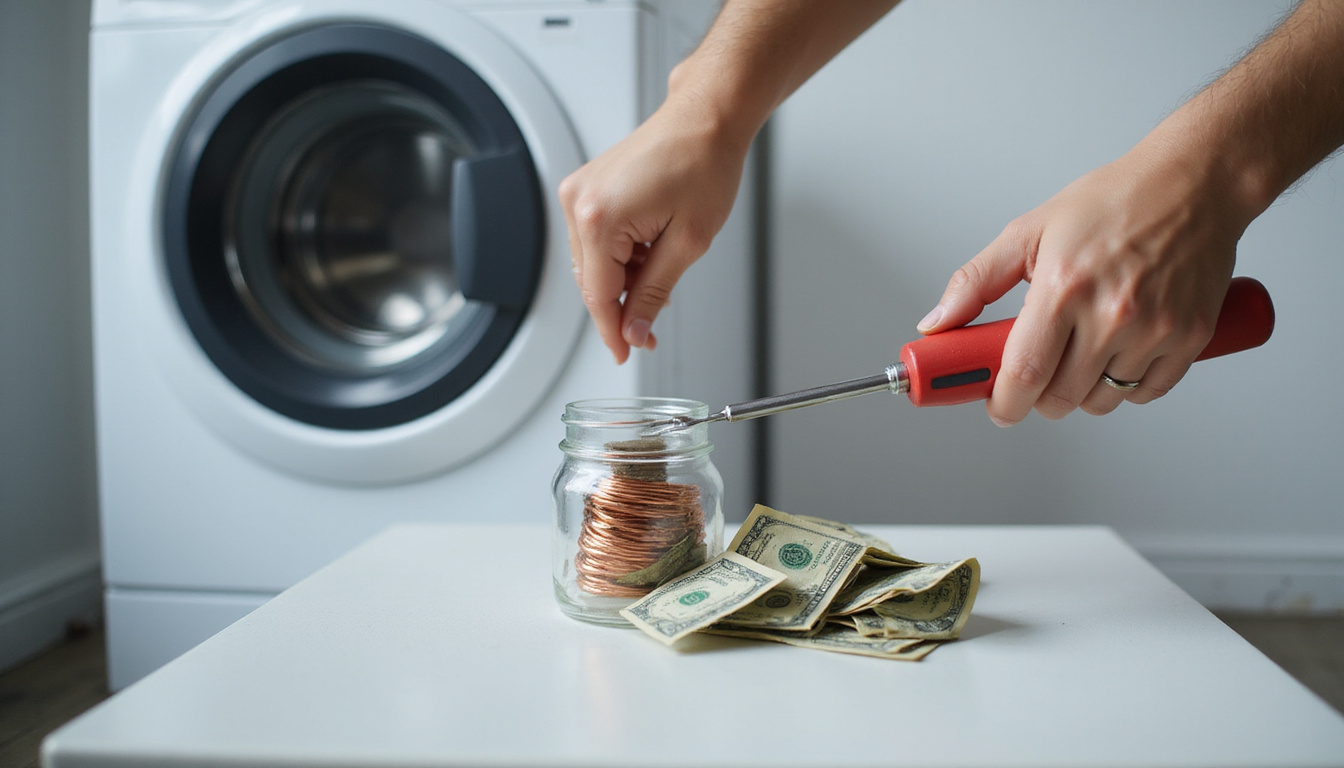
Avoid DIY dismantling for:
- Refrigerators and freezers (contain refrigerants and sometimes foam blowing agents)
- Air conditioners and heat pumps
- Dehumidifiers
- Gas stoves, ovens, and dryers (risk of gas leaks and combustion)
- Fluorescent-lit devices (may contain mercury in ballasts or lamps)
For these, contact:
- Certified HVAC or appliance recycling services
- Municipal household hazardous waste or bulky-item programs
- Retailer take-back programs when buying a new unit
These services are equipped to recover refrigerants, oils, and other substances safely.
Step-by-Step: Dismantling a Washer or Dryer
A washing machine or electric dryer is one of the most common and rewarding appliance dismantling projects at home. Here’s a simplified process to get you started.
Step 1: Preparation
- Unplug and disconnect water hoses and drain lines (for washers).
- Move the appliance to your workspace.
- Lay down a tarp or cardboard to catch debris.
Step 2: Remove External Components
- Take off knobs, detachable panels, and doors.
- Unscrew and remove the top and back panels.
- Set aside screws in labeled containers.
Step 3: Detach the Control Panel
- Unscrew the control panel and carefully disconnect wiring connectors.
- Remove circuit boards and separate them for e-waste recycling.
- Keep multi-function switches and knobs if you plan to reuse them.
Step 4: Access and Remove the Drum and Motor
- For washers, detach the belt or drive assembly.
- Unbolt and carefully lift out concrete or metal counterweights.
- Remove the drum and motor assembly.
- Be wary of springs and suspension parts under tension.
Step 5: Strip Wiring and Smaller Components
- Cut and remove wiring harnesses.
- Separate copper wiring from plastic insulation if you plan to sell it as clean copper (this is more work but yields higher scrap value).
- Remove pumps, sensors, and valves that might be reusable.
Step 6: Separate Materials for Recycling
Use this simple system:
- Ferrous metal (magnetic): steel cabinet, drum, structural parts.
- Non-ferrous metal (non-magnetic): copper wiring, aluminum components.
- Plastics: control panel housings, knobs, small parts.
- Electronics: circuit boards, displays, modules.
Label or bag everything so you can easily drop it off at the appropriate facility.
How to Recycle or Reuse Dismantled Appliance Parts
Appliance dismantling is only truly eco-friendly when the materials are properly reused or recycled.
Where to Take the Materials
- Scrap yards/metal recyclers: Steel, aluminum, and copper.
- E-waste recycling centers: Circuit boards, displays, wiring harnesses.
- Municipal recycling centers: Some plastics, glass, and metals (depending on your area).
- Reuse and maker spaces: Motors, switches, and mechanical parts can be donated or sold.
Call ahead or check websites to confirm what each facility accepts and if there are any preparation requirements (e.g., stripped wiring, separated metals).
Ideas for Reusing Parts at Home
- Washer drum as a fire pit or planter
- Strong motors for DIY tools (e.g., small lathes, grinders)
- Racks and baskets as garage organizers
- Knobs, screws, and brackets for future repairs
If you’re not into DIY projects, selling reusable parts online or donating them can extend their life and reduce waste.
Legal and Environmental Considerations
Before you begin an appliance dismantling project, check:
- Local regulations: Some areas restrict dismantling certain appliances or require certified handlers for items containing refrigerants or hazardous materials.
- HOA or building rules: Outdoor dismantling or temporary storage may be limited.
- Disposal rules: Illegal dumping or improper disposal can result in fines.
Environmentally, the goal is to:
- Minimize what goes to landfill.
- Prevent release of refrigerants, oils, and toxic components.
- Support a circular economy by returning metals and electronics into the manufacturing stream.
Common Mistakes to Avoid
Keep your appliance dismantling safe and efficient by avoiding these pitfalls:
- Cutting into sealed systems (compressors, refrigerant lines, gas lines).
- Forgetting to unplug before opening the case.
- Working without protection when handling sharp metal or insulation.
- Mixing all materials together, making recycling harder and less effective.
- Underestimating weight and risking back injuries or crushed fingers.
Quick Starter Checklist for Safe Appliance Dismantling
Use this list before every project:
- [ ] Confirm appliance is unplugged and disconnected from water/gas.
- [ ] Verify it’s an appliance you can safely dismantle (no refrigerant or gas).
- [ ] Prepare safety gear (gloves, eye protection, sturdy shoes).
- [ ] Gather tools and sorting containers.
- [ ] Set up a well-ventilated, clear workspace.
- [ ] Plan where each material will go (scrap yard, e-waste, etc.).
FAQ: Home Appliance Dismantling and Recycling
1. Is DIY appliance dismantling worth it compared to just hauling it away?
It can be. If you have time and basic tools, dismantling lets you avoid some disposal costs, recover parts, and earn money from scrap metal. It’s especially worthwhile for washers, dryers, and electric ovens. For units with refrigerants or gas, professional removal is usually safer and often required.
2. Can I dismantle a refrigerator or AC unit myself for recycling?
You should not. These appliances contain refrigerants and sometimes oils that are regulated and hazardous if released. Refrigerator and AC dismantling must be done by certified technicians or approved recycling centers that can safely recover and handle these substances.
3. Where can I take dismantled appliance parts for responsible recycling?
Metals (steel, copper, aluminum) can go to local scrap yards or metal recyclers. Circuit boards, wiring harnesses, and electronic controls should go to e-waste facilities or municipal electronics collection events. Check your city’s recycling program and nearby scrap yards to see what they accept and whether there are any preparation requirements.
Appliance dismantling at home is a practical way to save money, reclaim valuable parts, and shrink your environmental footprint—as long as you respect the limits of what’s safe to tackle yourself. Start with simpler, non-refrigerant appliances, work carefully with proper protection, and route each component to the right recycling or reuse channel.
If you’re ready to clear out old appliances and turn waste into value, pick one safe appliance today—like a broken washer, dryer, or toaster—and plan your first dismantling project. Gather your tools, set up your workspace, and take the first step toward a cleaner home and a lighter impact on the planet.
Junk Guys Inland Empire
Phone: 909-253-0968
Website: www.junkguysie.com
Email: junkguysie@gmail.com