
Battery recycling isn’t just an eco-friendly buzzword—it’s one of the simplest ways to cut household costs, reduce fire risks, and protect your local environment. As batteries power more of our lives—from phones and laptops to e-bikes and EVs—smart battery recycling and usage habits can save you real money while shrinking your carbon footprint.
Below are practical, people-first strategies you can start using today, plus insider tips most people never hear about.
Why Battery Recycling Matters More Than You Think
When batteries end up in the trash, they don’t simply “go away.” Many contain heavy metals and corrosive chemicals that can:
- Leach into soil and groundwater in landfills
- Release toxic fumes in incinerators
- Cause fires in garbage trucks and recycling facilities
According to the U.S. Environmental Protection Agency, certain batteries (like lead-acid and some lithium-based types) are considered hazardous waste and must be handled properly to protect human health and the environment (source: U.S. EPA).
Battery recycling:
- Recovers valuable metals (lithium, cobalt, nickel, lead) that can be reused
- Reduces the need for mining new raw materials
- Keeps dangerous materials out of landfills and your local air and water
And with a few hidden hacks, it can also keep more money in your pocket.
Hidden Money-Saving Hacks Before You Even Recycle
Recycling is the last step. The real savings start with how you buy, use, and manage batteries so you get the longest life for every dollar spent.
1. Switch to Rechargeable Batteries for High-Use Devices
If you regularly buy AA or AAA batteries for:
- TV remotes
- Toys
- Game controllers
- Wireless mice and keyboards
you’re leaving money on the table if you’re not using rechargeables.
Nickel-metal hydride (NiMH) rechargeables can be used hundreds of times. Even when you factor in the cost of a charger, the break-even point is usually within the first year for most families.
Hidden hack:
Choose low self-discharge (LSD) NiMH batteries—often marketed as “pre-charged” or “ready to use.” They hold their charge much longer in storage and are ideal for emergency kits and infrequently used devices.
2. Buy the Right Battery for the Right Job
Using the wrong chemistry can waste money and shorten device life:
- Alkaline: Good for low-drain devices (clocks, remotes).
- Lithium (single-use): Best for high-drain and/or extreme temperatures (cameras, outdoor sensors).
- Rechargeable NiMH: Great for moderate to high-drain devices you use often.
- Lithium-ion packs: Found in laptops, phones, power tools, e-bikes, and EVs.
Hidden hack:
For kids’ toys and game controllers that chew through batteries, NiMH rechargeables almost always beat disposables on cost within a few months.
3. Stretch Battery Life with Smart Usage Habits
A few simple habits can extend battery life and reduce how often you need to recycle:
- Turn devices completely off instead of standby mode.
- Lower screen brightness and shorten sleep timers on electronics.
- Disable unused wireless features (Bluetooth, GPS, Wi-Fi) when not needed.
- Store spare batteries in a cool, dry place—heat accelerates capacity loss.
Hidden hack:
Don’t refrigerate ordinary household batteries. Unless the manufacturer specifically recommends it, temperature swings and condensation can damage them.
How Proper Battery Recycling Saves You Money Long-Term
Recycling itself might not hand you cash directly, but it creates a ripple effect of savings and value.
Reduced Fire and Damage Risks at Home
Tossing used batteries—especially lithium-ion packs—into drawers, bags, or junk boxes can be dangerous. Damaged or shorted batteries can overheat and cause fires.
- Tape the terminals of 9V, button cells, and lithium-ion batteries before storing or recycling.
- Avoid tossing batteries loosely into metal containers where they can short-circuit.
Preventing one small household fire or damage to electronics is worth far more than the few seconds it takes to handle batteries properly.
Avoid Fines and Hazard Fees
Many regions have regulations that make it illegal to:
- Throw certain batteries (like lead-acid car batteries) in the trash
- Dump large quantities of batteries in general waste
Improper disposal can result in fines or special hazardous waste fees for businesses—and in some areas, for households.
Hidden hack for small businesses:
If you generate a lot of battery waste (retail, IT, maintenance, or fleet operations), partner with a certified battery recycling service. It can help you stay compliant, avoid penalties, and often reduce waste management costs through bulk programs.
Trade-In and Take-Back Programs
Some retailers and manufacturers offer:
- Trade-in credits for old phones, laptops, and power tool batteries
- Free battery recycling for products purchased at their stores
- Discounts on new purchases when you bring in old rechargeable packs
This effectively turns your old battery into a small rebate on your next device.
Where and How to Recycle Different Types of Batteries
Not all batteries are created equal—and they shouldn’t all go into the same recycling bin. Knowing what you have ensures it’s handled safely and efficiently.
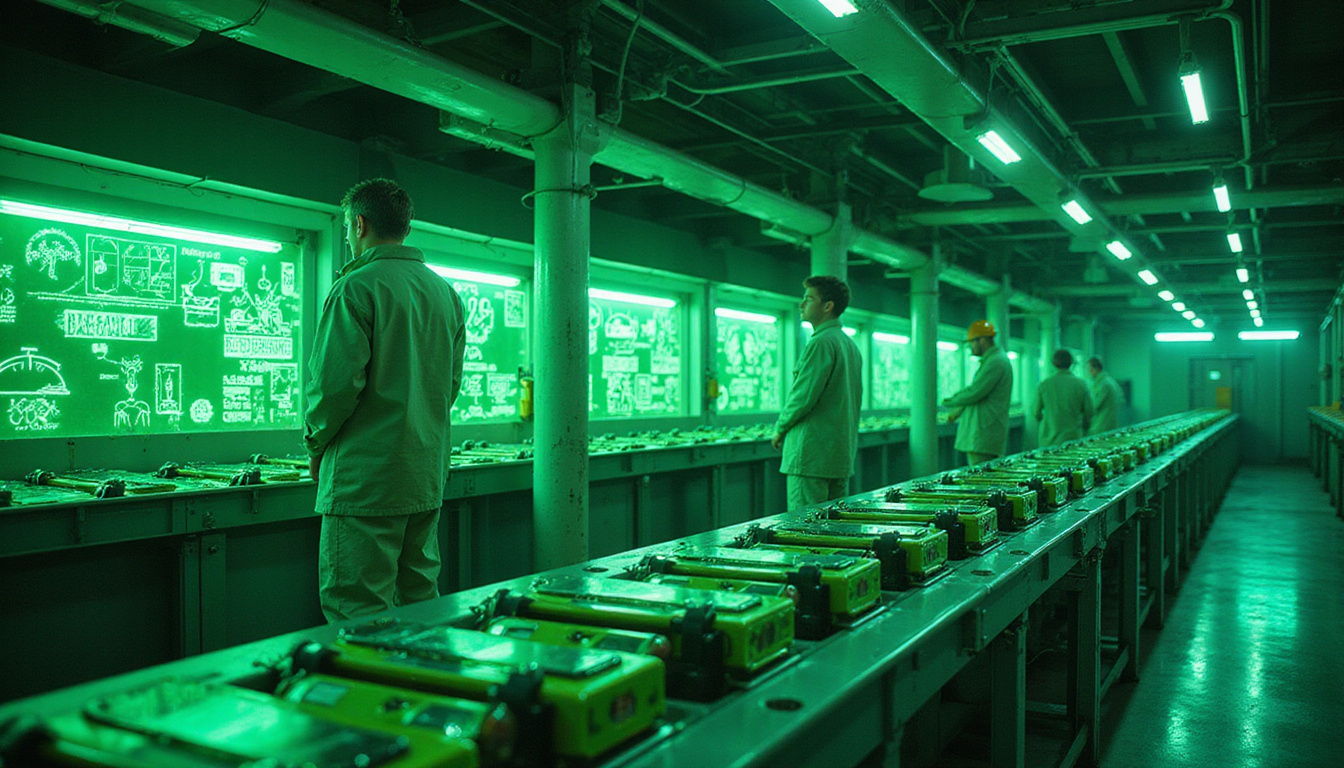
Alkaline Batteries (AA, AAA, C, D, 9V – Non-Rechargeable)
- In some regions, alkaline batteries can be safely landfilled, but recycling them is still preferable.
- Many hardware, electronics, and office supply stores accept small quantities for free.
Hidden hack:
Check your city or county waste website; some offer free mail-in or drop-off alkaline battery recycling events.
Rechargeable Household Batteries (NiMH, NiCd, Some Lithium)
Common in:
- Wireless phones
- Cameras
- Power tools
- Game controllers
These should never go in household trash.
Look for:
- Collection bins at electronics retailers, home improvement stores, or recycling centers
- Mail-in recycling programs for households and small businesses
Lithium-Ion Packs (Phones, Laptops, E-Bikes, Power Tools)
Lithium-ion batteries require special handling:
- Do not crush, puncture, or disassemble.
- If swollen or damaged, place immediately in a fire-resistant area and contact a local hazardous waste facility or authorized retailer.
Hidden hack:
When you upgrade your phone or laptop, always ask if the store will take the old device or battery for safe recycling. Many will, even without a trade-in deal.
Lead-Acid Batteries (Car, Motorcycle, UPS Systems)
These are highly recyclable and often have a monetary value:
- Auto shops and parts stores frequently pay a core charge that you get back when you return your old battery.
- Never throw these in the trash; they contain large amounts of lead and acid.
Money tip:
When buying a new car or motorcycle battery, always return the old one. That core refund is essentially a guaranteed battery recycling rebate.
Step-by-Step: Simple Battery Recycling Routine for Home
To make battery recycling effortless, build it into your normal household habits.
-
Designate a Safe Container
- Use a sturdy, non-metal container with a lid (like a plastic tub).
- For 9V and button cells, tape the terminals to prevent shorting.
-
Separate by Type
- Alkaline in one section/bag
- Rechargeables and lithium-ion in another
- Car or large lead-acid batteries stored safely apart
-
Label the Container
- Add a simple label: “Used Batteries – DO NOT TRASH – For Recycling.”
- This prevents well-meaning family members from tossing them out.
-
Set a Regular Drop-Off Schedule
- Combine battery recycling with monthly errands.
- Drop off at participating retailers or your local recycling center.
-
Track What You Use
- Notice which devices burn through batteries quickly.
- Switch those to rechargeables or more efficient models to save over time.
Advanced Hacks: Getting More from Rechargeables
If you’re already using rechargeables, these advanced tips can squeeze out even more value.
-
Use a smart charger that:
- Detects full charge and switches to trickle or off
- Has individual charging channels for each battery
- Can sometimes “refresh” older NiMH cells
-
Avoid mixing old and new batteries in the same device. Your device will perform only as well as the weakest cell.
-
Label your batteries in sets (e.g., Set A, Set B) to keep similar-age cells together. This helps performance and extends overall lifespan.
Hidden hack:
If a NiMH battery seems “dead,” a quality smart charger’s refresh or recondition mode can sometimes restore much of its lost capacity, delaying the need for recycling.
Environmental Wins: What Really Happens When You Recycle Batteries
A lot of people wonder if battery recycling actually does anything meaningful. The answer is yes—and here’s how:
- Recovered metals like lithium, nickel, cobalt, and lead are reused in new batteries, electronics, and industrial products.
- Plastics and other components are often repurposed into new consumer goods or construction materials.
- Toxic compounds are neutralized or safely contained to keep them out of air, soil, and water.
By closing this loop, battery recycling:
- Reduces demand for new mining and its environmental damage
- Cuts energy use and emissions associated with battery production
- Helps stabilize material supply chains, which can keep future battery prices in check
In other words, your small act of dropping off a bag of used batteries helps support a cleaner, more resilient energy system.
FAQ: Common Questions About Battery Recycling
1. How do I recycle batteries near me?
Search for “battery recycling near me” plus your city name, or check your local government’s waste and recycling page. Many electronics, hardware, and office supply stores offer free drop-off for household batteries, especially rechargeables and lithium-ion packs. Some regions also have periodic hazardous waste collection events that accept batteries.
2. Can I throw away alkaline batteries if battery disposal isn’t mandated?
In some places, single-use alkaline batteries can legally go in the trash, but it’s better to recycle them when possible. Recycling alkaline batteries recovers metals like steel and zinc and reduces landfill waste. Check your local guidelines—many communities encourage or provide services for alkaline battery recycling even if it’s not strictly required.
3. Is lithium battery recycling really necessary for small devices?
Yes. Even small lithium batteries (like those in phones, earbuds, or cameras) can pose fire and environmental risks if trashed. Lithium battery recycling helps prevent fires in garbage trucks and landfills and allows valuable lithium, cobalt, and nickel to be recovered. Always take lithium-based batteries to a proper drop-off or collection point.
Battery recycling is one of those rare habits that hits the jackpot: it protects your home, saves you money in the long run, and dramatically reduces your environmental impact. By switching high-use devices to rechargeables, handling old batteries safely, and using local collection programs, you turn everyday waste into valuable resources.
Start now: gather the loose batteries in your drawers, label a small container for “Used Batteries,” and look up your nearest drop-off location. With a few minutes of effort each month, you’ll be saving money and the planet—one battery at a time.
Junk Guys Inland Empire
Phone: 909-253-0968
Website: www.junkguysie.com
Email: junkguysie@gmail.com