
If you’re facing a scene that requires biohazard cleanup, acting quickly and safely matters for health, legal compliance, and emotional recovery. This emergency checklist walks you through what to do in the first minutes, how to contain hazards, when to call professionals, and how to handle waste and documentation so you can recover faster with less risk.
Why a focused checklist matters
Biohazard incidents — including blood spills, unattended deaths, sewage backups, or chemical exposures — present biological and physical risks that ordinary household cleaning can’t address safely. A clear, prioritized checklist helps you protect people on-site, prevent contamination spread, and preserve evidence when needed.
Immediate actions: first 5–15 minutes
- Keep people and pets away from the area. Establish a cordon and post a sign if possible.
- Call emergency services if anyone is injured, unconscious, or potentially exposed to hazardous materials.
- If there’s active bleeding or a medical emergency, provide first aid only if you are trained and use gloves and a barrier.
- Ventilate the space by opening windows and doors if it’s safe to do so — avoid spreading airborne particles into other occupied areas.
Personal protective equipment (PPE) essentials
Before touching anything, equip suitable PPE. For most biohazard cleanup tasks, you’ll need:
- Disposable nitrile or latex gloves (double-gloving recommended)
- Protective gown or coveralls
- Eye protection (goggles or face shield)
- N95 or higher respirator if airborne risk is present
- Waterproof boot covers or dedicated footwear
Following OSHA and CDC guidance on bloodborne pathogens and PPE is important for protecting yourself and others (https://www.osha.gov/bloodborne-pathogens).
Containment and scene control
Prevent cross-contamination and limit exposure:
- Seal the area using plastic sheeting and tape if practical.
- Designate a single entry/exit point for responders and don’t track through clean spaces.
- Place contaminated materials (cloths, tissues, disposable PPE) into labeled biohazard bags or double-bag in heavy-duty trash bags.
- Keep a log of who enters and leaves the scene for safety and legal purposes.
Cleaning and disinfection: step-by-step
Cleaning must be two-step: remove organic matter, then disinfect.
- Step 1 — Clean: Use paper towels or disposable rags to remove visible blood, bodily fluids, or solids. Avoid using a vacuum or broom that can aerosolize particles.
- Step 2 — Disinfect: Apply an EPA-registered disinfectant appropriate for bloodborne pathogens or use a bleach solution of 1:10 (household bleach to water) for non-porous surfaces. Allow the surface to remain wet for the disinfectant’s recommended contact time.
- For porous materials (carpet, upholstery), containment and professional remediation are often required; do not attempt to fully decontaminate porous items at home.
- After cleaning, place all disposable materials into labeled bags and seal them.
Safe disposal and legal considerations
Biohazardous waste often requires special handling and disposal. Check local regulations — many jurisdictions treat items saturated with blood or bodily fluids as regulated medical waste. Options include:
- Hiring a licensed hazardous waste hauler.
- Contacting local health departments for disposal guidance.
- For small household incidents, sealed and labeled double-bagged waste may be accepted by facilities that handle medical waste; verify first.
When to call professional biohazard cleanup services
Hire professionals when:
- The scene involves large volumes of blood or bodily fluids.
- Chemical hazards, unknown substances, or biological agents are present.
- You encounter biohazards in HVAC systems, porous materials, or hard-to-reach spaces.
- Legal or insurance implications require documented, professional remediation.
Professionally trained technicians have the PPE, containment gear, and approved disinfectants to manage risk and provide documentation for insurers or authorities.
Documentation and communication
Document the scene before cleanup if allowed: take photos, note dates/times, and collect witness statements. This information supports insurance claims and legal needs. Communicate clearly with family members, building managers, and authorities about restricted access and expected timelines for cleanup.
Emotional support and aftercare
Biohazard scenes are often linked to trauma. Make space for emotional recovery:
- Offer counseling resources to anyone affected.
- Limit exposure time for untrained helpers.
- Debrief with professionals who can explain what was done to return the space to safe use.
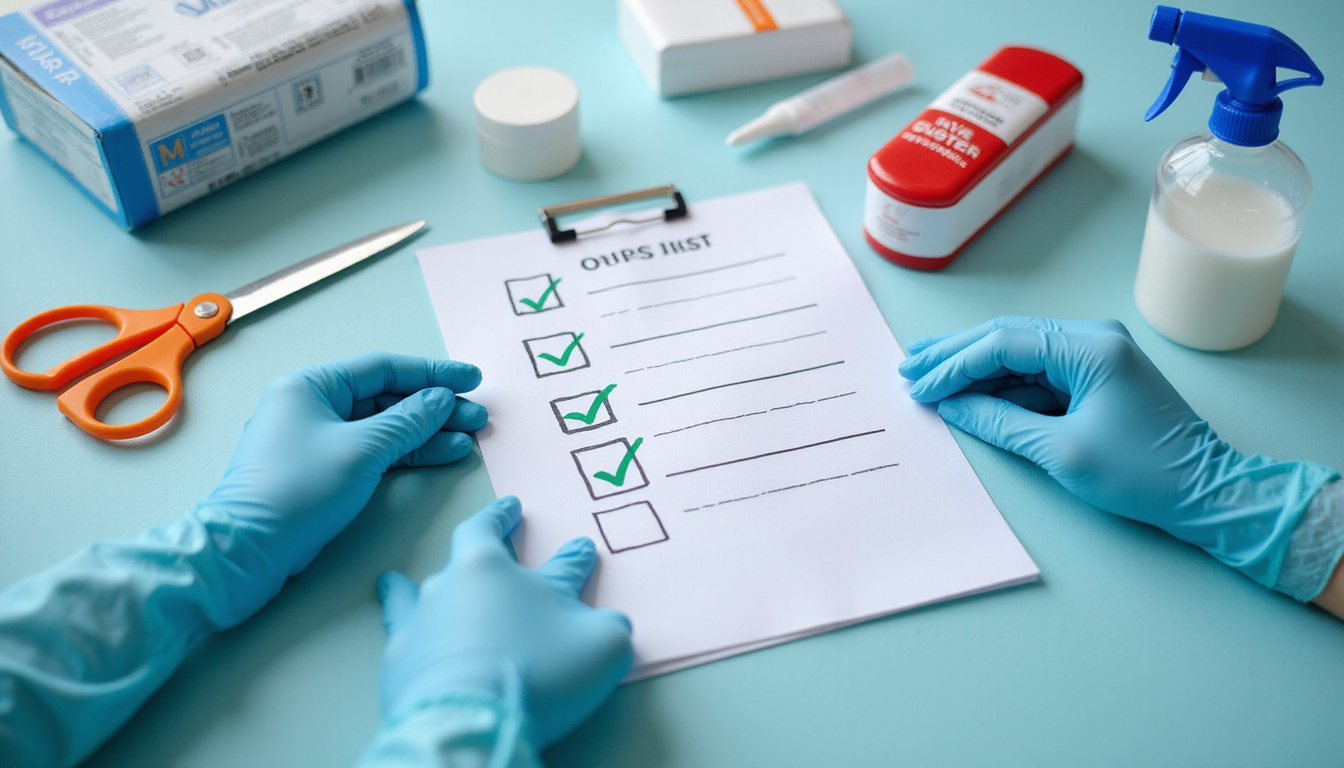
Checklist at a glance (quick reference)
- Evacuate and secure the area.
- Call emergency services if required.
- Put on appropriate PPE.
- Contain the scene and restrict access.
- Remove visible contaminants using disposable materials.
- Disinfect using EPA-registered products or bleach where appropriate.
- Bag and label waste; follow disposal laws.
- Document and notify insurers or authorities.
- Call licensed biohazard cleanup services for complex scenes.
- Seek emotional support as needed.
Preventive tips to reduce future risk
- Install durable, non-porous surfaces in high-risk areas where possible.
- Keep a basic cleanup kit (gloves, disposable rags, bleach, biohazard bags) accessible.
- Train household members or staff in basic spill containment and first aid.
- Develop an emergency contact list including local health department and licensed cleaners.
One authoritative resource to follow
For health and safety rules around bloodborne pathogens and required PPE, consult OSHA’s guidance on bloodborne pathogens and workplace safety (https://www.osha.gov/bloodborne-pathogens) which outlines employer responsibilities, exposure controls, and training recommendations.
Short FAQ (3 Q&A using keyword variations)
Q: What is biohazard cleanup and when is it necessary?
A: Biohazard cleanup refers to the removal and decontamination of biological hazards like blood, bodily fluids, or infectious materials. It’s necessary whenever an incident poses a health risk that ordinary cleaning cannot safely eliminate — for example, large blood spills, unattended deaths, or sewage overflows.
Q: How does biohazard cleaning differ from regular cleaning?
A: Biohazard cleaning uses specialized PPE, containment procedures, and EPA-registered disinfectants to address pathogens. It follows regulated disposal protocols and often requires documentation; regular cleaning lacks these controls and can leave dangerous residues.
Q: Should I hire biohazard cleanup services for a small incident?
A: For small, well-contained incidents where you have training and proper PPE, you may be able to perform cleanup following official guidelines. However, if blood volumes are large, porous materials are affected, or legal/insurance issues exist, hire licensed biohazard cleanup services to ensure safety and compliance.
Final considerations
Biohazard cleanup requires a careful balance of speed and safety. The emergency checklist above prioritizes life-saving actions first, then containment, proper decontamination, and documentation. Rely on professional services when risks exceed household capabilities, and always follow local regulations and authoritative health guidance to protect people and property.
Call to action
If you’re facing a biohazard situation now or want to prepare an emergency plan, contact a licensed biohazard cleanup professional to assess the scene, or download a printable version of this checklist to keep with your emergency supplies. Professional assessment can reduce health risks, protect your legal standing, and help you recover safely and quickly.
Junk Guys Inland Empire
Phone: 909-253-0968
Website: www.junkguysie.com
Email: junkguysie@gmail.com