
Bulk item recycling isn’t just about getting rid of old furniture or broken appliances. Done right, it’s a money‑saving, space‑creating strategy that also shrinks your environmental footprint. Whether you’re a homeowner clearing out a garage, a landlord turning over a unit, or a small business managing inventory, understanding how to handle bulk items efficiently can save you serious time and cash.
Below, you’ll find practical, people-first strategies for bulk item recycling, how to avoid common pitfalls, and ways to turn a clutter problem into an opportunity.
What Counts as “Bulk Items” – And Why Recycling Them Matters
Before you can optimize bulk item recycling, it helps to know exactly what qualifies as “bulk.”
Typical bulk items include:
- Furniture: sofas, mattresses, desks, dressers, bookshelves
- Appliances: refrigerators, stoves, washers, dryers, dishwashers
- Electronics: TVs, printers, computer monitors, stereo systems
- Outdoor items: grills, lawnmowers, patio sets, swing sets
- Construction/renovation debris: doors, cabinets, countertops, large fixtures
These items are generally too large for regular curbside trash bins and often face restrictions if you try to dispose of them as regular waste. Recycling them instead:
- Reduces landfill use and pollution
- Recovers valuable materials like metals, plastics, and glass
- Often costs less than mixed junk disposal
- Helps you reclaim and better use valuable living or working space
Cities and waste authorities are increasingly incentivizing bulk item recycling with dedicated drop‑off days, free pickups, or reduced fees compared with landfill dumping (source: U.S. EPA). Learning how to tap into these options is your first step to saving.
Step One: Audit Your Bulk Items and Set Clear Goals
Effective bulk item recycling starts with a plan. Instead of “get rid of everything,” be specific.
-
List and categorize
Walk through your home or business and list each large item. Tag it as:- Reusable / resellable
- Donatable
- Recyclable
- Trash (only if none of the above apply)
-
Measure your space
Knowing the square footage or cubic footage you want to free up helps you prioritize. For example, clearing one big sectional sofa might open enough space for a home office or extra storage. -
Set a budget
Decide how much you’re willing to spend on pickups, rentals, or disposal fees and balance that with potential resale or tax-deduction benefits.
By auditing first, you avoid paying for full-service junk removal of items you could have sold, donated, or recycled for free or at a much lower cost.
Save Money with Smart Bulk Item Recycling Tactics
Many people assume getting rid of big items is expensive. With the right approach, bulk item recycling can be cheap—or even generate a bit of income.
1. Use Municipal Bulk Pickup and Recycling Events
Most cities offer:
- Scheduled bulk pickup days – You place specific items at the curb and the city hauls them.
- Specialty recycling events – For electronics, appliances, or metals.
- Transfer stations or drop-off centers – Often cheaper than private junk haulers.
How this saves money:
- You avoid pricey per-item or per-volume charges from private companies.
- Some municipalities accept certain materials (like metals or appliances) at no charge because they recover value from them.
Tip: Visit your city or county’s solid waste or public works website and search for “bulk item recycling,” “bulk waste collection,” or “special collection days.” Rules vary: some cities want items separated by material; others limit how many items per pickup.
2. Separate Valuable Materials Before Hauling
If you’re handling bulk items yourself, separating materials pays off:
- Metals (steel, aluminum, copper) – Can often be sold to a scrap yard.
- Electronics – Internal components may have recyclable metals and specialized recyclers sometimes pay for bulk quantities.
- Clean, untreated wood – May be accepted at wood recycling or composting sites.
This is especially effective for:
- Old bed frames, metal shelving, or broken appliances with metal casings
- Renovation debris: metal doors, hardware, and fixtures
Scrap metal prices fluctuate, but for larger loads, the payout can offset fuel or rental costs.
3. Combine Loads to Maximize Each Trip
Every truckload, dumpster rental, or trailer trip has a fixed cost. To optimize:
- Consolidate bulky items from multiple rooms, units, or even neighbors.
- Coordinate with friends or nearby businesses to share a dumpster or truck rental.
- Time your cleanouts so renovations or move-outs line up with a single combined haul.
You cut fuel, rental, and labor costs per unit by filling each trip or container as close to capacity as possible (while staying within legal weight and safety limits).
Turn Clutter into Cash: Resale and Reuse First
The most cost-effective bulk item recycling strategy often starts with avoiding recycling fees altogether by reusing or reselling.
1. Sell Usable Bulk Items Locally
If an item is structurally sound and reasonably clean, try:
- Online marketplaces (Facebook Marketplace, Craigslist, OfferUp)
- Local buy/sell/trade groups
- Consignment shops (for furniture and high-end pieces)
Strategies to move items quickly:
- Take clear photos from multiple angles.
- Be transparent about wear, stains, or minor damage.
- Price modestly—remember your main goal is saving space and disposal fees.
Even a small return ($20–$50) per item can quickly outpace what you’d spend on hauling or dumping.
2. “Free” Listings and Curb Alerts
If selling feels like too much work or items are lower value but still usable:
- List them as “Free – You Haul” online.
- If local rules allow, put items at the curb with a “FREE” sign and post a curb alert.
This strategy:
- Eliminates your hauling effort.
- Keeps usable items out of the waste stream.
- Clears your space, often in hours.
3. Donation for Tax Deductions
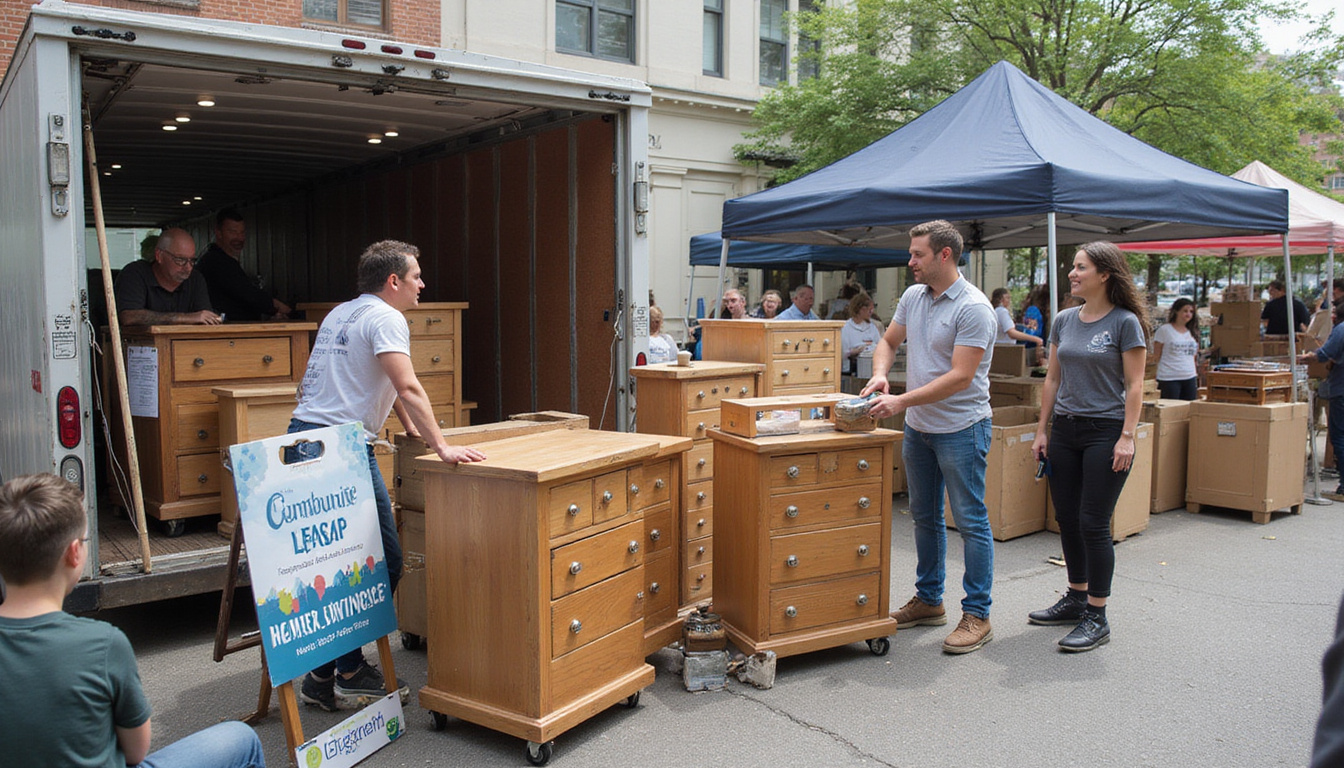
Many non-profits accept furniture, appliances, and other bulk items in good condition and may offer:
- Free pickups, especially for multiple items
- Donation receipts you can use for tax deductions (consult a tax professional)
Before scheduling:
- Confirm what they accept (mattresses and large appliances are often restricted).
- Ensure items are clean and functional.
For businesses, donating office furniture or equipment during upgrades can lower taxable income while minimizing disposal expenditures.
Choosing the Right Kind of Bulk Item Recycling Service
Sometimes DIY isn’t realistic. That’s when professional services come into play.
1. Municipal vs. Private Haulers
Municipal services are usually cheapest but come with limits:
- Fixed pickup days or long lead times
- Item quantity or size restrictions
- Limited assistance with moving items to the curb
Private haulers offer:
- Flexible scheduling, same-day pickups
- Labor included (they carry items out of the building)
- Options for partial or full-property cleanouts
To save money with private haulers:
- Request multiple quotes; ask if they recycle or donate first.
- Clarify volume-based pricing vs. per-item pricing.
- Ask for a discount if items are already sorted or staged in a garage or driveway.
2. Specialty Recyclers for Electronics and Appliances
Electronics and appliances often require special handling due to hazardous materials or refrigerants.
Look for:
- Certified e-waste recyclers for TVs, monitors, and computers.
- Appliance recyclers that safely remove refrigerants and reclaim metals.
Some utilities offer rebates or free pickup for old refrigerators or freezers because efficient replacements reduce overall energy demand. This can turn a disposal cost into a small income source plus lower future utility bills.
Create a Long-Term Bulk Item Recycling Plan
If you manage a property, office, or small business, bulk items are a recurring issue. A proactive system prevents last‑minute, expensive cleanouts.
1. Standardize What You Buy
Choose items that are:
- Modular and easy to disassemble
- Made from recyclable materials (metal frames vs. composite wood)
- Durable enough to avoid frequent replacement
Over time, this reduces bulk waste volume and makes bulk item recycling simpler and cheaper.
2. Schedule Regular Clear-Outs
Instead of waiting for an overwhelming mess:
- Plan annual or semi-annual “bulk item days”
- Offer tenants or employees a chance to bring bulk items for consolidated removal
- Coordinate with haulers or recyclers to handle everything at once
This prevents costly emergency calls and keeps spaces safer and more functional.
3. Track Costs and Savings
Maintain a simple log of:
- Disposal fees and hauling costs
- Income from sales, scrap, and rebates
- Tax-deductible donation values
You’ll quickly see which strategies provide the best return and can adjust accordingly (e.g., more focus on scrap metal, fewer paid hauls).
Practical Bulk Item Recycling Checklist
Use this quick checklist to streamline your next project:
- Audit and categorize all bulk items.
- Identify what you can sell, donate, or give away.
- Check your city’s rules and available bulk item recycling programs.
- Separate metals, electronics, and reusable items.
- Compare municipal and private hauling costs.
- Combine loads and coordinate with others when possible.
- Keep records of any income, rebates, or deductions.
Following this sequence keeps your costs low and your results high, every time.
FAQs on Bulk Item Recycling
Q1: How do I find bulk item recycling near me?
Search your city or county name plus terms like “bulk item recycling,” “bulk waste pickup,” or “household hazardous and bulky waste.” Check local government websites, not just private ads, to find low-cost or free options. Many areas also list certified recyclers for electronics and appliances.
Q2: What bulk items can be recycled instead of trashed?
Common recyclable bulk items include metal bed frames, appliances, bicycles, grills, office furniture, some mattresses (through mattress recycling programs), and many electronics. Clean metal, glass, and certain plastics are often accepted by specialized bulk item recycling centers, while wood and textiles may have limited outlets depending on your region.
Q3: Is bulk item recycling cheaper than junk removal?
Often yes—especially if you use municipal programs, sell items, or separate metals and electronics. Full-service junk removal is convenient but typically costs more per cubic yard. Combining free or low-cost bulk item recycling services with DIY hauling and resale or donation usually delivers the greatest savings.
Unlocking the benefits of bulk item recycling doesn’t require complicated systems—just a smarter strategy. Start by sorting what you own, tapping into local programs, and prioritizing reuse, resale, and specialty recycling over landfilling. The payoff is clear: more space, lower costs, and a cleaner environmental footprint.
If you’re ready to reclaim your home, office, or rental property, take the first step today. Make a list of your bulk items, check your local recycling options, and schedule a targeted cleanout. With a thoughtful bulk item recycling plan in place, your next “big stuff” project can be faster, cheaper, and surprisingly satisfying.
Junk Guys Inland Empire
Phone: 909-253-0968
Website: www.junkguysie.com
Email: junkguysie@gmail.com