
A thoughtful, strategic closet cleanout can completely change how you get dressed, how your bedroom feels, and even how you shop in the future. Instead of wrestling with overstuffed hangers and shoes that spill onto the floor, you can create a streamlined space where everything has a purpose and a place. Whether your goal is to downsize, embrace a capsule wardrobe, or simply stop living with closet chaos, these expert-backed tips will help you declutter and maximize every inch of space.
Step 1: Prepare for a Successful Closet Cleanout
Before you touch a hanger, set yourself up to succeed. A closet cleanout is easier—and more effective—when you have a plan.
Gather your tools
Have these on hand:
- 3–4 large bags or boxes (Keep, Donate, Sell, Trash/Recycle)
- A full-length mirror
- A tape measure (for storage planning)
- Sticky notes or masking tape (to label piles and shelves)
- Cleaning supplies (microfiber cloth, vacuum, all-purpose cleaner)
Set your intention and time limit
Decide:
- Your goal: Less visual clutter? A capsule wardrobe? Seasonal reset?
- Your time block: A small closet can take 2–3 hours; a large walk-in may need half a day.
Turning your closet cleanout into a scheduled project instead of a vague weekend “maybe” makes you dramatically more likely to finish.
Step 2: Empty the Closet Completely
The most powerful trick: take everything out.
- Remove every item from rods, shelves, and the floor.
- Lay clothes on a bed or clean surface.
- Group similar items together (tops, pants, dresses, jackets, shoes, etc.).
This full reset does two things:
- Forces you to face how much you actually own.
- Gives you a blank slate to design a better storage system, rather than just rearranging clutter.
Use this moment to quickly clean: dust shelves, wipe rods, vacuum or mop the floor. You’ll be more motivated to keep things tidy when the space feels fresh.
Step 3: Edit Your Wardrobe with Clear Criteria
The heart of any closet cleanout: deciding what stays and what goes. Avoid vague “maybe” thinking by using firm guidelines.
Key questions to ask about every item
Stand in front of a mirror and evaluate each piece:
- Fit: Does it fit right now without pinching, gaping, or tugging?
- Condition: Is it free of stains, fading, holes, and pilling?
- Comfort: Would you happily wear it all day?
- Frequency: Have you worn it in the last 12 months?
- Versatility: Does it pair easily with at least 3 other items?
- Identity: Does it match who you are and how you live today?
If you answer “no” to most of these, it’s a strong candidate to let go.
Use the 4-pile method
As you evaluate, sort into:
- Keep – You love it, it fits, and you wear it.
- Donate – It’s in good shape but not right for you.
- Sell – Higher-value pieces that are gently used or designer.
- Trash/Recycle – Worn-out, stained, or damaged beyond repair.
Avoid a “maybe” pile if you can—it usually becomes a clutter trap. If you truly can’t decide on a few items, limit yourself to a small box of “undecided” pieces and revisit in 30 days. If you still haven’t worn or missed them, they go.
Be realistic about your lifestyle
If your closet is full of heels but you live in sneakers, or business suits but you work from home, let your real life—not your aspirational life—guide your choices. A targeted closet cleanout makes daily dressing easier because everything left truly works for the way you live.
Step 4: Maximize Vertical and Hidden Space
Once you know what’s staying, it’s time to design a smarter layout. Most closets are underused vertically and at the back or sides.
Use the full height of the closet
- Install a second hanging rod for shirts and shorter items.
- Add shelves above the top rod for out-of-season clothes, luggage, or bins.
- Use stackable storage cubes for sweaters and jeans.
Optimize doors and awkward corners
- Hang over-the-door organizers for shoes, scarves, or accessories.
- Use hooks on the back wall or sides for bags, hats, belts, or robes.
- Place a slim rolling cart or narrow shelf unit in unused floor areas.
Vertical thinking is one of the simplest expert tricks to stretch a small closet without any construction.
Step 5: Choose Smart Hangers and Storage Solutions
The right tools can double your usable space and keep your freshly completed closet cleanout from unraveling.
Upgrade your hangers
Mismatched, bulky hangers waste space and visually clutter the closet.
Consider:
- Velvet slim hangers – Prevent slipping and increase hanging capacity.
- Suit hangers – For structured jackets and coats.
- Skirt/pant hangers with clips – Keep bottoms wrinkle-free and visible.
Keeping all hangers consistent also makes the space look instantly more streamlined.
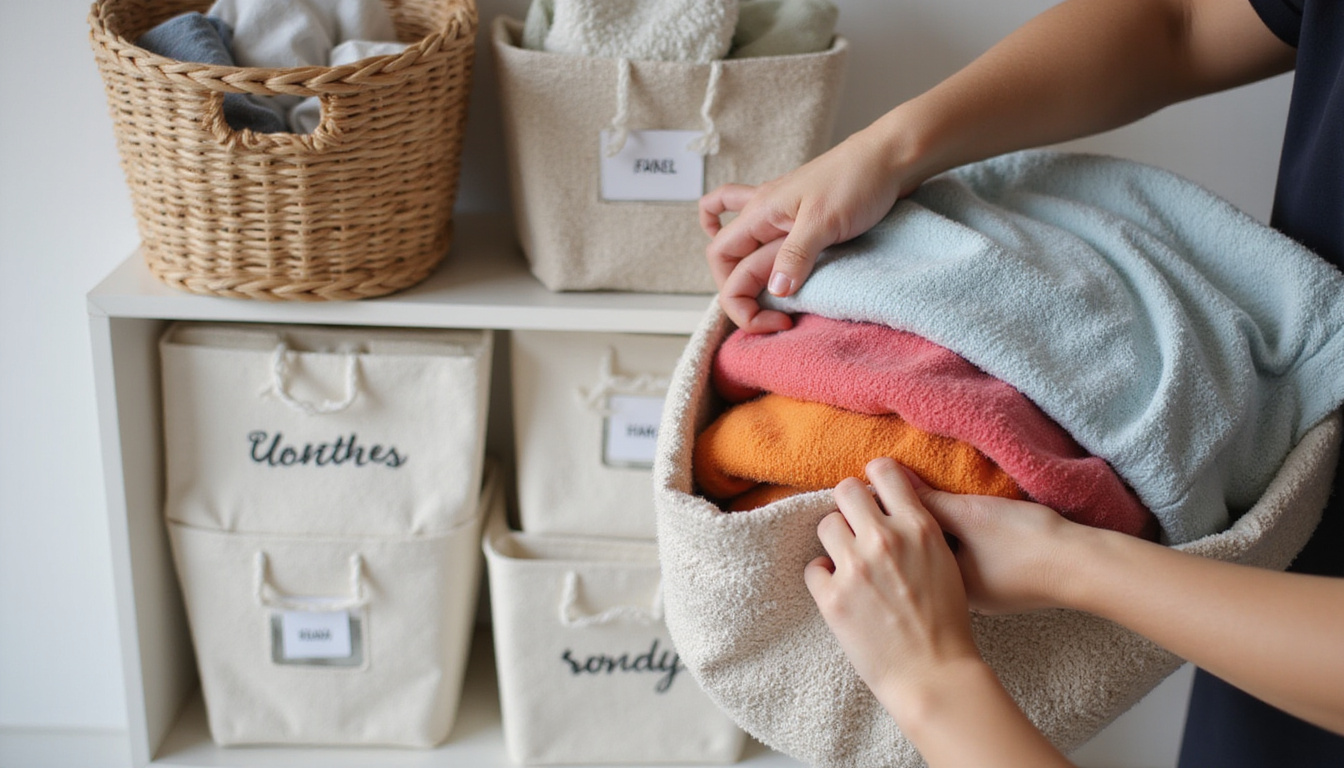
Store folded items strategically
- Sweaters and knits: Fold instead of hanging to avoid shoulder bumps and stretching.
- Jeans and heavy pants: Fold and stack on shelves or in bins.
- T-shirts and workout clothes: Use drawers or baskets; consider file-folding so you see each piece.
Clear or mesh bins are especially helpful so you can see what you have at a glance.
Step 6: Create Logical, Easy-to-Maintain Zones
A closet is most effective when it’s organized around how you actually get dressed.
Group by category, then by use
Try this structure:
- Everyday essentials: Jeans, basic tees, casual dresses, go-to sweaters.
- Workwear or business attire: Blazers, dress pants, button-downs.
- Occasion wear: Formal dresses, suits, special shoes.
- Loungewear and workout gear: Keep them together but separate from daywear.
Within each category, you can further organize by:
- Color: Light to dark creates a boutique-like effect.
- Sleeve length or weight: Sleeveless → short sleeve → long sleeve → outerwear.
Reserve prime real estate for what you wear most
The center of the rod at eye level should hold:
- Your most-used tops and bottoms
- Current-season pieces
- Items you reach for multiple times a week
Less-used or seasonal clothing can live on higher shelves, in bins, or toward the sides.
Step 7: Manage Shoes, Bags, and Accessories
Accessories can easily turn a tidy closet into a mess if you don’t give them structure.
Shoes
- Use tiered shoe racks or under-shelf shoe organizers on the floor.
- For small closets, a hanging shoe organizer or over-the-door rack saves space.
- Store special-occasion shoes in labeled boxes on high shelves.
Keep the shoes you wear daily at the most accessible spot and rotate seasonally.
Bags
- Use hooks or sturdy shelf dividers to keep bags upright.
- Stuff handbags with tissue or soft scarves to maintain shape.
- Store rarely used clutches or evening bags in clear boxes or inside one larger bin.
Belts, scarves, and jewelry
- Install multi-hook hangers or specialty belt/scarf hangers.
- Use a small drawer unit or jewelry organizers for accessories.
- Keep your most-worn pieces near where you dress or do hair/makeup.
Step 8: Handle Sentimental and “Someday” Items with Intention
A closet cleanout often stalls on sentimental pieces or “maybe one day” clothing. Rather than forcing a harsh decision, add structure.
Sentimental items
Limit yourself to a small, clearly defined container (e.g., one keepsake box). Include:
- Wedding attire
- Special concert or event T-shirts
- Heirloom pieces you won’t wear but truly cherish
Store this box on a high shelf or outside the main clothing zone so it doesn’t clutter daily choices.
“Goal” or “someday” sizes
If you keep a few items as motivation:
- Be selective—no more than 5–10 carefully chosen pieces.
- Store them together in a labeled bin (“Goal Wardrobe”).
- Set a date to reevaluate in 6–12 months.
If they still don’t fit or no longer reflect your style, let them go. Your closet should support your current life, not guilt you about a future one.
Step 9: Create Simple Systems to Stay Organized
The most overlooked part of a closet cleanout is maintenance. A few micro-habits can prevent backsliding into chaos.
Try these easy systems
- One in, one out: For every new item you buy, remove one similar item.
- Sunday reset: Spend 5–10 minutes each week rehanging, refolding, and returning strays.
- Seasonal swap: Twice a year, rotate out-of-season clothes to bins or a secondary space.
- Use the “backwards hanger” trick: Hang all items with the hook facing backward; after you wear something, put it back correctly. In 3–6 months, anything still facing backward is a candidate to donate.
Studies suggest that we wear only about 20% of our clothes regularly (source: The Guardian). Systems like these help you keep that 20% front and center and stop wasting space on the rest.
Quick Checklist: Your Closet Cleanout at a Glance
Use this list to guide or review your process:
- Schedule a dedicated block of time.
- Empty the entire closet and clean surfaces.
- Sort everything into Keep / Donate / Sell / Trash.
- Ask clear questions about fit, condition, and lifestyle.
- Upgrade hangers and add vertical storage if needed.
- Group clothes by category and prioritize everyday pieces.
- Give shoes, bags, and accessories dedicated homes.
- Contain sentimental and “someday” items.
- Set up simple weekly and seasonal maintenance routines.
FAQ: Common Questions About Closet Cleanouts
1. How often should I do a full closet cleanout?
Most people benefit from a full closet cleanout once a year, with smaller mini-declutters at the start of each season. If your lifestyle is changing quickly (new job, new climate, major body changes), you might reassess key items every 3–6 months.
2. What should I do with clothes after decluttering my closet?
After a thorough wardrobe cleanout, donate gently used items to local charities or shelters, sell higher-end pieces on resale platforms, and recycle textiles that are too damaged to wear. Many cities have textile recycling programs or bins that accept worn-out fabrics.
3. How do I keep my wardrobe organized after a closet clean out?
Maintain your wardrobe cleanout results by using a one-in-one-out rule, doing a quick weekly tidy, and storing out-of-season clothes separately. Keeping categories clear—tops with tops, pants with pants—and returning everything to its designated spot makes long-term organization almost automatic.
Turn Today’s Closet Cleanout into a Lasting Fresh Start
A well-executed closet cleanout does more than free up hangers—it simplifies your mornings, clarifies your personal style, and can even save you money by curbing impulse buys. You no longer have to dig for that one pair of pants that “actually fits” or wonder what happened to your favorite top.
If you’re ready to stop living with overcrowded rods and mystery piles, choose a date on your calendar, gather your supplies, and work through these steps one by one. By the end of the day, you’ll have a closet that supports your life instead of stressing you out—and a clear system to keep it that way.
Start your closet cleanout this week, and give yourself the daily ease of opening your wardrobe and seeing only pieces you love, wear, and can actually find.
Junk Guys Inland Empire
Phone: 909-253-0968
Website: www.junkguysie.com
Email: junkguysie@gmail.com