
If you’ve been curious about compost pickup but aren’t sure where to start, you’re not alone. More households and businesses are discovering that letting someone else handle their food scraps can cut trash bills, shrink their environmental footprint, and even bring home nutrient‑rich compost for gardens and houseplants. The trick is understanding how these services work, what they really cost, and how to get the most value from them.
This guide breaks down the real secrets behind compost pickup so you can make a smart, money‑saving, soil‑building decision.
What is compost pickup and how does it work?
At its core, compost pickup is simple: instead of throwing your food scraps into the trash, you collect them in a bin, and a service picks them up regularly to turn into compost.
Typical compost pickup process
While details differ by provider, the basic flow is usually:
-
Sign up and receive a bin
You get a bucket or cart (often 4–8 gallons for homes, larger for businesses) with a lid and sometimes compostable liners. -
Fill with accepted materials
You add food scraps and sometimes other organic waste based on the provider’s rules. -
Scheduled pickup
A driver collects your bucket weekly or biweekly, leaves you a clean one, and hauls the scraps to a commercial composting facility or community site. -
Composting and return
Your material is processed into finished compost, and many services offer free or discounted compost back a few times a year.
It’s essentially “trash service for your food waste”—except the end result is a resource, not a problem.
What can you put in a compost pickup bin?
One of the biggest surprises for people switching from backyard composting to a pickup service is how much more you can include. Because many services use commercial composting facilities that reach higher temperatures, they can handle materials that don’t belong in small home piles.
Always follow your local provider’s rules, but here’s a general guide.
Commonly accepted in curbside compost pickup:
- Fruit and vegetable scraps
- Coffee grounds and paper filters
- Tea bags (plastic‑free only)
- Eggshells
- Bread, pasta, grains
- Food leftovers (often including cooked foods)
- Meat, bones, and dairy (many commercial facilities accept these)
- Paper towels and napkins (uncoated, unbleached)
- Uncoated paper plates and pizza boxes (greasy parts only)
- Yard trimmings and leaves (if your provider allows)
Usually NOT accepted:
- Plastic (even “biodegradable” unless specifically allowed)
- Glass or metal
- Styrofoam
- Pet waste (varies; most residential services say no)
- “Compostable” packaging with plastic liners or unknown certification
- Diapers or sanitary products
When in doubt, check your hauler’s website or fridge magnet guide. A contaminated bin can increase costs and might send a whole load to landfill, which defeats the purpose.
How compost pickup saves you money
Many people assume compost pickup is an “extra” expense. In reality, it can often offset or even reduce your existing waste costs—especially if you pay for trash by volume or container size.
1. Smaller trash cans, smaller bills
In cities where trash rates scale with cart size or bag counts, shifting heavy food waste to compost can add up:
- Food scraps make up about 24% of U.S. household trash by weight (source: U.S. EPA – source).
- Removing that weight may let you drop to a smaller trash cart or reduce pickup frequency.
- Some commercial accounts (restaurants, offices, schools) can cut dumpster size once they adopt composting.
Even if your municipality doesn’t offer direct discounts, some haulers give bundled pricing: sign up for compost pickup and get a lower rate on trash.
2. Avoiding extra trash bags and overage fees
Food waste is heavy and wet. That’s why trash bags rip and trash carts overflow after big dinners or events.
By redirecting food scraps:
- You may use fewer trash bags each month.
- You’re less likely to incur over‑weight or “lid‑up” fees where those are enforced.
- Holiday and party waste is easier to manage—most of the mess goes into the compost bucket.
Over a year, those “small” savings can match or exceed the cost of a basic household compost pickup subscription.
3. Free or discounted finished compost
Many services give subscribers a certain amount of finished compost annually:
- Spring and fall compost giveaways
- Discounted bulk compost for raised beds and landscaping
- Occasional free bagged compost for container gardens
Buying high‑quality compost retail can easily cost $5–$10 per bag. If your pickup service provides a few bags a year, that’s tangible value back in your pocket.
The environmental payoff: shrinking your trash and climate impact
Beyond cost, compost pickup significantly reduces your household or business trash footprint.
Sending less to the landfill
When you compost through a pickup program:
- You divert a major portion of your trash—often 20–40% by weight.
- Trash cans stay cleaner and smell less because the smelliest material (food) is gone.
- You may need fewer trash pickups for events or during peak seasons.
For businesses, this can be a visible improvement: cleaner dumpsters, fewer pests, and better impressions for customers and neighbors.
Cutting methane emissions
In landfills, food waste decomposes without oxygen and produces methane—a greenhouse gas far more potent than CO₂ in the short term. A well‑managed composting facility breaks down organic matter in an oxygen‑rich environment, dramatically reducing methane generation.
By using compost pickup:
- You’re not just “recycling” scraps—you’re actively helping cut climate‑warming emissions.
- You’re supporting local composting infrastructure that can handle large volumes of organic waste responsibly.
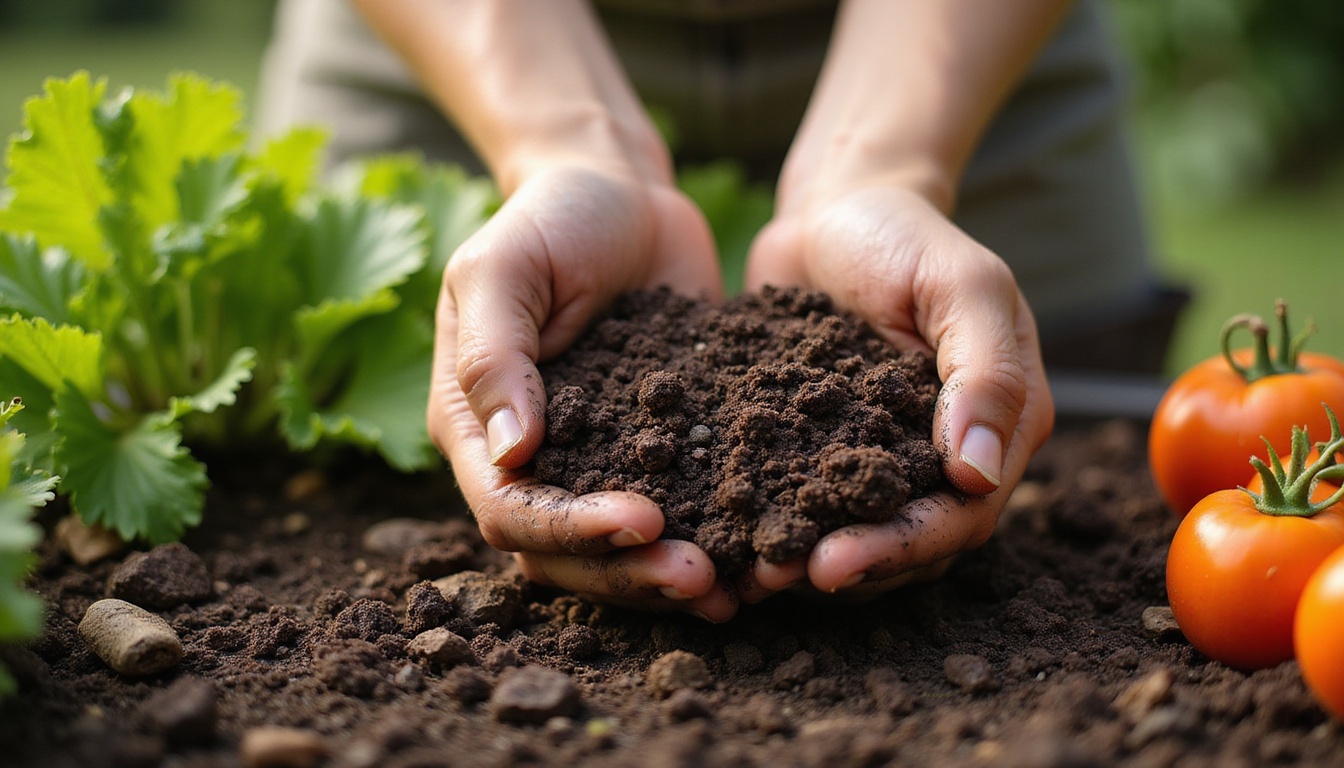
How compost pickup creates richer soil
The “secret” benefit of compost pickup is not just getting rid of waste; it’s creating something incredibly valuable: finished compost.
What finished compost does for soil
Mature compost is dark, crumbly, and smells like forest floor. When added to soil, it:
- Improves structure – makes clay soils looser and sandy soils better at holding water.
- Boosts fertility – adds a slow‑release mix of nutrients plants can use over time.
- Enhances water retention – helps soil hold moisture, reducing watering needs.
- Feeds soil life – supports beneficial microbes, fungi, and earthworms.
- Buffers pH – moderates extremes, making soil more plant‑friendly.
Whether you grow vegetables, ornamentals, or just want a better lawn, regular compost additions are like a multivitamin for your landscape.
Using the compost you earn
If your compost pickup service returns finished compost, here’s how to put it to work:
- Vegetable beds: Mix 1–2 inches into the top 4–6 inches of soil each season.
- Perennial beds: Top‑dress around plants with ½–1 inch annually.
- New lawns: Incorporate into topsoil before seeding or laying sod.
- Existing lawns: Apply a light ¼–½ inch top‑dress and rake in.
- Houseplants: Blend up to 25% compost with potting mix for repotting.
Think of that compost as your “dividend” from all the peels, grounds, and leftovers you kept out of the trash.
Choosing the right compost pickup service
Not all compost pickup options are alike. A little research will help you find the best fit for your home or business.
Key factors to compare
-
Service area
Confirm that your address is within the provider’s pickup zone and whether they service multi‑unit buildings or just single‑family homes. -
Pricing structure
Look at:- Monthly or annual subscription fees
- Frequency (weekly vs biweekly)
- Any extra charges for additional bins, overfilled buckets, or contamination
-
Materials accepted
Decide how important it is to include:- Meat, bones, and dairy
- Compostable serviceware (cups, forks, clamshells)
- Yard waste
The more they accept, the more you can divert—but also the more careful you must be to follow rules.
-
Compost return policy
Do they:- Offer free compost to subscribers?
- Give discounts at partner garden centers?
- Host seasonal pickup events?
-
Bin style and cleanliness
Are lids tight? Do they swap or wash bins regularly? Clean bins can make all the difference in warm weather. -
Transparency and certifications
Some services partner with certified composting facilities (e.g., USCC Seal of Testing Assurance in the U.S.). Check whether they share where your scraps go and how the compost is tested.
Getting started: practical tips for a clean, low‑odor setup
One concern people have about compost pickup is smell or pests. With a few simple habits, your system can be almost as tidy as regular trash—and often less smelly.
Simple habits to keep compost pickup easy
-
Use a small countertop container
Collect peels and scraps while cooking in a small pail or bowl with a lid, then empty into the main pickup bucket once a day. -
Line your bin (if allowed)
Use certified compostable liners (look for BPI or similar certification) or a layer of newspaper/cardboard at the bottom to keep it cleaner. -
Add “browns” occasionally
Toss in a bit of shredded paper, paper towels, or cardboard to absorb moisture and reduce odors. -
Freeze the smelliest items
If you eat a lot of meat or seafood and your service accepts it, keep those scraps in a bag in the freezer and add them just before pickup. -
Keep the lid sealed and shaded
Store the main bin outside or in a cool area, out of direct sun. Make sure the lid latches securely. -
Rinse after pickup
A quick rinse or light scrub after the bin’s emptied once in a while keeps things fresh. Some services do this for you.
With those practices, most households find their compost bin is no more troublesome than a regular trash can—and often far less offensive.
Compost pickup for businesses, schools, and communities
For organizations, compost pickup can deliver outsized benefits:
-
Restaurants and cafes
Divert prep scraps, plate waste, and compostable packaging. Pair with clear bin labels and simple staff training. -
Offices
Collect food waste from break rooms and cafeterias, plus paper towels from bathrooms if your service allows. -
Schools
Turn cafeteria waste and garden trimmings into learning tools, showing students the full loop from food to soil. -
Multi‑family buildings
A shared compost pickup service in an apartment or condo can be a major amenity and a selling point for eco‑conscious tenants.
In many regions, local governments or nonprofits provide support, grants, or discounted compost pickup for organizations that want to get started.
FAQ: compost pickup and common questions
1. How much does compost pickup service cost?
Prices for compost pickup services vary by region and frequency, but most residential plans fall somewhere between $15–$40 per month. Costs depend on how often your bucket is collected, bin size, and whether the service includes finished compost deliveries. Compare that to your current trash costs and any potential for reducing trash cart size.
2. Is curbside compost pickup better than home composting?
Neither is universally “better”—they serve different needs. Curbside compost pickup is ideal if you lack the space, time, or desire to manage a home pile, or if you want to compost meat, dairy, and larger volumes of food waste. Home composting is great for gardeners who enjoy the process and want immediate access to compost. Many people use both: home for yard waste and simple kitchen scraps, and pickup for the rest.
3. What happens to food waste after compost pickup?
After food scrap pickup, haulers bring your material to a composting facility or community site. There, it’s mixed with carbon‑rich materials (like wood chips or leaves), formed into piles or windrows, and managed carefully for moisture, temperature, and airflow. Over weeks to months, microbes break it down into stable, mature compost. The finished product is then screened, tested, and distributed for landscaping, agriculture, gardens, and habitat restoration projects.
Ready to try compost pickup?
Every banana peel and coffee ground is a choice: send it to a landfill where it becomes a climate problem, or send it to a compost pile where it becomes healthy soil.
Compost pickup makes the right choice almost effortless. You can:
- Cut your trash volume and possibly your waste bill
- Reduce your household’s climate impact
- Earn richer compost to feed your soil and plants
If you’re ready to save money, reduce trash, and grow richer soil, search for compost pickup services in your area, compare a few options, and commit to a 3–6‑month trial. A simple bucket on your doorstep can quietly transform your waste—and your garden—for years to come.
Junk Guys Inland Empire
Phone: 909-253-0968
Website: www.junkguysie.com
Email: junkguysie@gmail.com