
Green Waste Removal Secrets: How to Cut Costs and Compost
Managing garden clippings, branches, and yard debris doesn’t have to be expensive or complicated. With a smart approach to green waste removal, you can save money, reduce landfill use, and even create free, nutrient‑rich compost for your garden. Whether you’re a homeowner, renter, or property manager, a few strategic changes can dramatically cut your green waste bill.
What Counts as Green Waste (and Why It Matters)
Before you can optimize your green waste removal, you need to know what you’re actually dealing with.
Typical green waste includes:
- Grass clippings and lawn trimmings
- Leaves and small branches
- Hedge and shrub prunings
- Weeds and plant remains
- Flowers and non‑woody garden plants
- Non‑treated wood chips and sawdust
Some items do not belong in green waste:
- Soil, rocks, and concrete
- Plastic pots and plant labels
- Pet waste
- Treated or painted wood
- Food scraps with oil, meat, or dairy (unless your local service allows it)
Sorting correctly is the foundation of cost‑effective green waste removal. Mixed loads with contamination often mean extra fees from haulers or rejected bins.
Why Green Waste Removal Costs Add Up
Many households treat yard debris as an afterthought—until the bill arrives. Costs can pile up for three main reasons:
-
Overfilled bins or extra bags
If your curbside green bin is constantly overflowing, you might be paying for excess bags, extra pickups, or additional bins. -
Hauling and dumping fees
Hiring a landscaper or junk removal service for periodic cleanups usually includes labor plus transport plus tipping fees at the facility. -
Inefficient disposal habits
Bagging every leaf, placing branches uncut into the bin, or dumping reusable material instead of composting all translate to higher long‑term costs.
Understanding where your money is going makes it much easier to trim the waste—literally and financially.
Strategy #1: Reduce Green Waste at the Source
The cheapest green waste removal is the waste you never produce. A few simple gardening strategies can dramatically reduce volume.
Choose Low‑Maintenance Landscaping
- Replace thirsty lawns with native plants, groundcovers, or gravel features.
- Opt for slow‑growing shrubs and dwarf varieties that need less frequent trimming.
- Use mulch to suppress weeds and reduce the need for constant weeding.
Mow Smarter: Grasscycling
Instead of bagging grass clippings, leave them on the lawn:
- Clippings break down quickly and return nitrogen to the soil.
- You save time and money by skipping bagging and disposal.
- Most lawns look just as tidy if you mow regularly and avoid cutting more than one‑third of the blade height.
Grasscycling alone can cut your green waste volume by up to 25–50% during peak growing seasons.
Prune Less, But Better
- Prune during the right season to reduce stress on plants and avoid constant corrective cuts.
- Train young plants properly so they need less size control later.
- Avoid unnecessary “shaping” just for aesthetics when it doesn’t benefit plant health.
Strategy #2: Optimize Your Bin Use and Collection Schedule
If you already pay for municipal or private green waste removal, use it efficiently.
Right‑Size Your Service
- Check your bill: You may be paying for a larger green cart than you need—or too many.
- Seasonal adjustments: Some providers allow you to upgrade cart size or add pickups only during peak seasons.
Pack Bins Like a Pro
Maximize every pickup:
- Cut or break long branches to fit snugly.
- Put bulky items at the bottom and fill gaps with leaves and smaller trimmings.
- Avoid bagging inside the green bin unless your hauler requires compostable bags.
If your bin is regularly half full, consider downsizing. If it’s always overflowing, combine bin optimization with on‑site composting to avoid paying for extra pickups.
Strategy #3: Use On‑Site Composting to Slash Disposal Costs
Turning yard waste into compost is the single best way to reduce green waste removal expenses while improving your soil. Done right, it saves money on both disposal and fertilizer.
What You Can Compost at Home
Most garden waste is perfect for composting:
- Leaves and grass clippings
- Small branches (chipped or shredded)
- Weeds that have not gone to seed
- Plant trimmings and dead flowers
Avoid:
- Diseased plant material (burn or dispose via curbside green waste if your facility can handle it)
- Tough woody branches unless chipped
- Plants treated with persistent herbicides
The Simple Backyard Compost Setup
You don’t need a fancy system. A basic approach:
-
Choose a location
- Partial shade, good drainage, and easy access from the garden.
-
Pick a container
- Store‑bought bin, DIY pallet bin, or even a simple heap bounded by wire fencing.
-
Layer “greens” and “browns”
- Greens: fresh clippings, green leaves, plant trimmings.
- Browns: dry leaves, straw, shredded cardboard, small amounts of untreated sawdust.
-
Keep it moist, not soggy
- Like a wrung‑out sponge. Water occasionally in dry weather.
-
Turn or mix periodically
- Every few weeks helps speed decomposition and prevents odor.
According to the U.S. Environmental Protection Agency, backyard composting can divert a substantial portion of organic waste from landfills while building healthy soil (source: EPA Composting at Home).
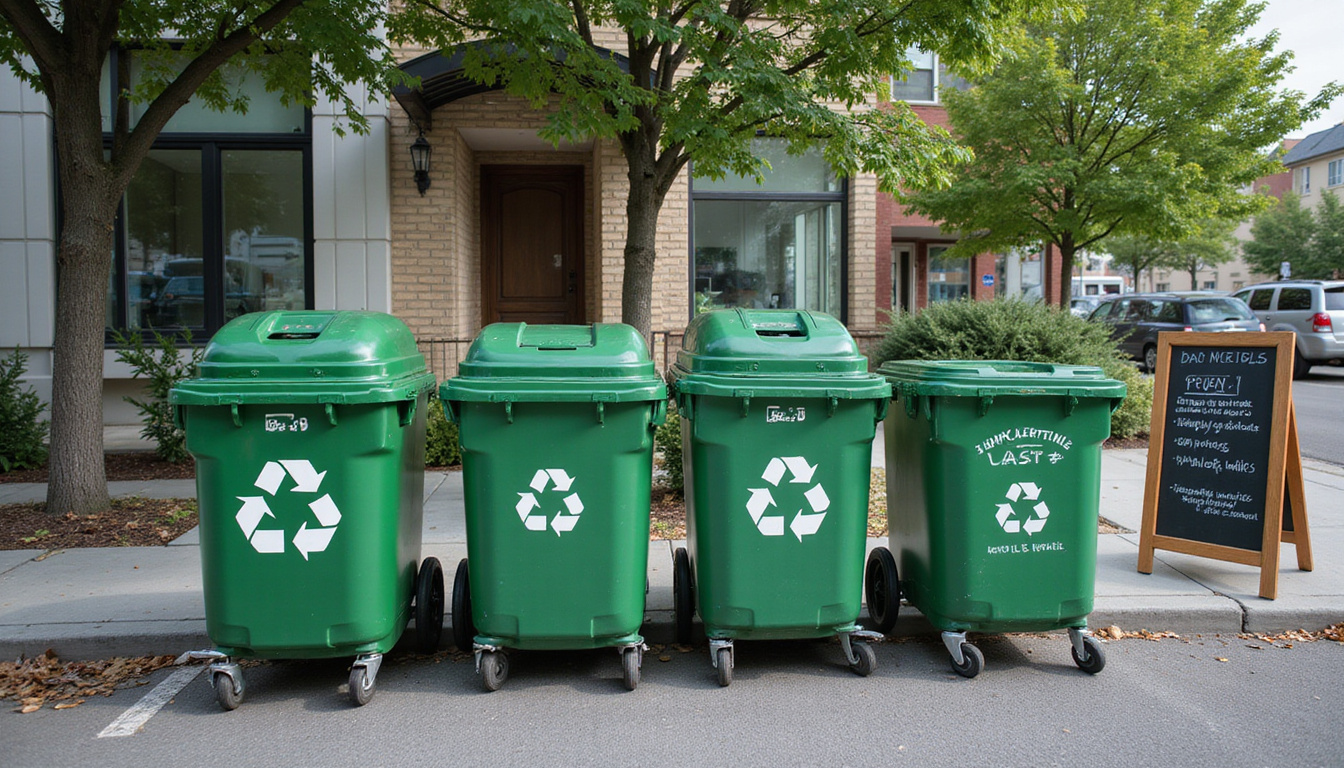
Strategy #4: Mulch In Place Instead of Hauling Away
A large portion of your “waste” can stay right on your property as a resource.
Leaf Mulch
- Shred or mow over leaves and spread them under trees and shrubs.
- They act as a natural weed barrier and slowly enrich the soil.
- This can eliminate dozens of bags of leaves each fall.
Chip Branches for Wood Mulch
Rent or share a chipper for periodic pruning jobs:
- Turn branches into wood chips for garden beds and pathways.
- Save on buying bagged mulch.
- Reduce green waste volume by up to 80–90%.
Many communities also offer free or low‑cost mulch made from collected green waste—another way to benefit from the system you’re helping support.
Strategy #5: Share, Swap, and Reuse Green Materials
Thinking of green waste as a resource opens more opportunities to cut costs.
- Share compost or mulch with neighbors who garden if you have more than you need.
- Join local gardening or zero‑waste groups where people swap leaves, wood chips, and even finished compost.
- Offer bagged leaves or grass clippings (untreated with chemicals) on local community boards—some gardeners seek them specifically as carbon or nitrogen sources.
The more you circulate organic material locally, the less anyone pays for removal and commercial soil products.
Strategy #6: Know When to Hire Professional Green Waste Removal
DIY solutions go a long way, but sometimes you’ll need outside help.
Good Times to Call the Pros
- Post‑storm cleanups with large branches or fallen trees.
- Major landscaping overhauls or yard renovations.
- Elderly or mobility‑limited homeowners who can’t manage heavy yard work.
When comparing services:
- Ask if they divert to composting or mulching facilities rather than landfill.
- Request detailed pricing (labor vs. dump fees vs. travel).
- Check if chipping on‑site and leaving mulch is cheaper than hauling branches away.
Occasional professional help, combined with good everyday habits, is usually more cost‑effective than frequent full‑service cleanups.
Strategy #7: Avoid Common Green Waste Pitfalls
A few mistakes can quickly erase your savings from smart green waste removal.
Contamination Fees
- Don’t toss plastic, glass, or treated lumber into green bins.
- Remove metal plant supports, plastic ties, and labels.
- Follow your local guidelines on what’s allowed in organics.
Burning Yard Waste
In many areas, burning green waste is restricted or banned due to air quality and fire risk. It can also release unnecessary carbon and smoke. Composting or municipal green waste programs are far cleaner and often safer.
Ignoring Local Rules
Different regions have different systems:
- Some accept food scraps with yard waste; others don’t.
- Some provide seasonal curbside leaf collection.
- Some have drop‑off centers for free or low‑cost green waste disposal.
Check your city or county website to align your strategy with available services.
Quick Checklist: How to Cut Green Waste Costs Fast
Use this list to tighten up your green waste routine:
- Audit your yard: Identify the biggest waste sources (lawn, hedges, trees).
- Reduce at the source: Grasscycle, prune smarter, and consider low‑maintenance plants.
- Right‑size your bin: Adjust cart size and pickup frequency as needed.
- Start simple composting: A small bin or heap can handle a lot of material.
- Mulch in place: Leaves and chipped branches stay on site as valuable mulch.
- Avoid contamination: Follow local rules to sidestep extra fees.
- Use pros strategically: Only for large, occasional jobs, not routine light pruning.
FAQ: Green Waste Removal and Composting
1. What is the most cost‑effective green waste removal method for homeowners?
The most cost‑effective approach is a combination of reducing waste at the source, using curbside green waste removal for the overflow, and composting the rest on site. Grasscycling, leaf mulching, and basic backyard compost bins can eliminate much of what would otherwise go in a paid green bin or to a hauling service.
2. Can I compost all my yard clippings instead of using a green waste collection service?
In many cases, yes—especially if you have space for one or two compost bins and are willing to mulch leaves and clippings in place. However, very woody material, large branches, or diseased plants are often better handled via municipal green waste collection or a professional service equipped with chippers and commercial composting facilities.
3. How do I choose between hiring a green waste collection company and doing it myself?
If your green waste is mostly leaves, grass, and small trimmings, DIY composting and regular curbside green waste collection are usually enough. If you’re dealing with heavy, bulky loads or don’t have the time or physical ability, hiring a dedicated green waste removal company for occasional big jobs is more practical and still economical when paired with good everyday yard habits.
Turn Your “Trash” into a Garden Asset
Green waste removal doesn’t have to drain your wallet or send valuable organic matter to the landfill. By cutting waste at the source, packing your bins intelligently, composting what you can, and using professional services only when necessary, you can turn a recurring cost into long‑term savings and healthier soil.
Start with one or two changes this week—try grasscycling, set up a simple compost bin, or adjust your green cart size—and build from there. If you need help planning a low‑waste, low‑cost yard strategy or choosing the right green waste removal options in your area, reach out to a local gardening expert or removal service and ask about compost‑friendly, budget‑conscious solutions. The sooner you shift from “throw away” to “reuse and regenerate,” the faster you’ll see the savings in your yard and your wallet.
Junk Guys Inland Empire
Phone: 909-253-0968
Website: www.junkguysie.com
Email: junkguysie@gmail.com