
Odor Removal Tricks Pros Use to Eliminate Stubborn Home Smells
Persistent smells in a home can be embarrassing, frustrating, and surprisingly hard to track down. Professional cleaners know that effective odor removal isn’t about masking scents with sprays—it’s about identifying the source, treating it correctly, and preventing it from coming back. Whether you’re battling pet accidents, cooking odors, cigarette smoke, or musty mildew, the right strategies can transform your space from “What’s that smell?” to truly fresh.
Below are the proven odor removal tricks professionals rely on, adapted so you can use them safely and effectively at home.
Step One: Find the Real Source of the Smell
Pros never start with air fresheners. They start with detective work.
Common hidden odor sources
- Pet urine in carpet padding or subfloor
- Food particles in garbage disposals, under appliances, or in sink overflows
- Mildew in HVAC systems, basements, or behind walls
- Nicotine and smoke residues on walls, ceilings, and soft furnishings
- Old spills in car interiors, closets, or under furniture
How to track it down like a pro
-
Nose-level walk-through
Walk slowly through each room and note where the smell is strongest. Sniff closer to fabric surfaces, corners, and near vents. -
Check all “porous” surfaces
Carpets, upholstery, drapes, unfinished wood, cardboard boxes, and stored fabrics hold onto odor molecules far longer than hard surfaces. -
Use a flashlight
Shine light under beds, behind couches, and around trash areas. Look for stains, spills, or damp spots. -
For pet owners: try a UV/blacklight
Pros use UV lights to identify old urine spots in carpets and on walls. Dark yellow or green glows usually indicate old accidents.
Once you identify the primary source, you can choose the right odor removal method instead of wasting time on surface solutions.
The Science Behind Professional Odor Removal
Understanding how smells work helps you pick the correct treatment.
Three main odor types
- Biological odors: Pet urine, vomit, sweat, mold, mildew, spoiled food
- Chemical odors: Smoke, paint, solvents, strong cleaning agents
- Environmental/“stale” odors: Closed-up rooms, old fabrics, lingering cooking smells
Why some smells are so stubborn
- Porous materials absorb and hold molecules deeply in fibers and padding.
- Residue remains even after visible stains are gone.
- Humidity reactivates old smells, especially urine, smoke, and mildew.
Professional odor removal usually involves one or more of these tactics:
- Neutralization: Changing the odor-causing molecule (e.g., enzymatic cleaners, oxidizers)
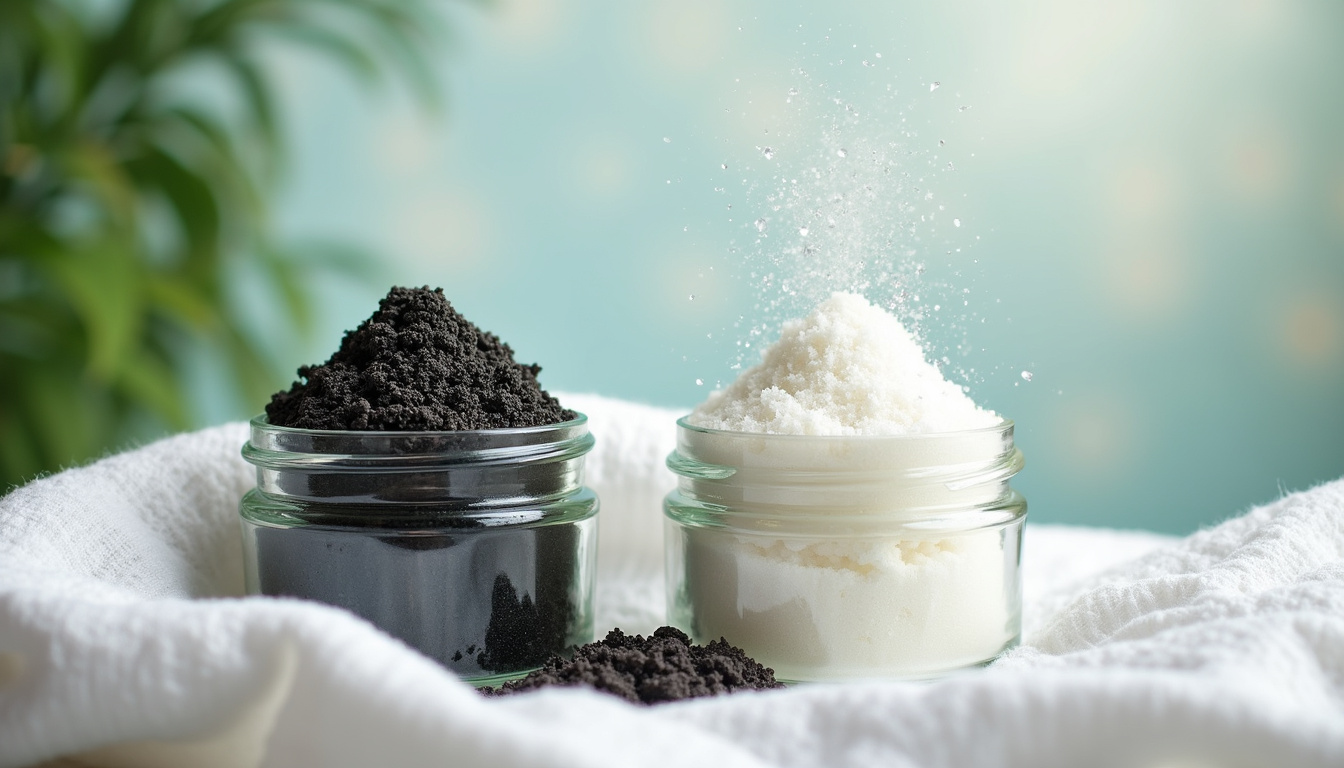
- Adsorption: Trapping molecules (e.g., activated charcoal, baking soda)
- Removal: Physically extracting contaminants (e.g., deep cleaning, vacuuming, washing)
- Sealing: Locking in odors that can’t be fully removed (e.g., on subfloors or smoke-damaged walls)
Pro-Level Odor Removal for Carpets and Rugs
Carpets are odor magnets. Pros treat them differently based on the type of smell.
For pet urine and biological odors
-
Blot, don’t rub (for fresh accidents)
Press with plain white towels or paper towels to remove as much moisture as possible. -
Flood with enzymatic cleaner
Enzyme-based products break down uric acid crystals and organic matter rather than covering them up.- Saturate the stained area, ensuring it reaches the padding.
- Let it dwell for the full recommended time—often 10–30 minutes (or longer for old stains).
-
Weighted towel extraction
Lay a thick towel over the area and place something heavy on top (like books in a plastic bag). Leave a few hours to pull moisture and residue out of the padding. -
Repeat if odor returns
Old urine may require multiple enzyme treatments over several days.
For general musty or “old house” carpet odors
- Deep vacuum with a HEPA filter to remove dust, skin cells, and debris.
- Sprinkle baking soda generously, work it in with a soft brush, and leave overnight.
- Vacuum thoroughly to remove baking soda and trapped odors.
- Follow up with hot water extraction (steam cleaning)—either DIY with a rental machine or via a professional service—to flush out residues.
If carpets still smell after repeated odor removal attempts, the contamination may have reached the subfloor. Pros will sometimes lift carpet, treat or seal the subfloor, then re-install or recommend replacement.
How Pros Deodorize Upholstery and Soft Furnishings
Sofas, chairs, mattresses, and drapes hold onto smoke, pet, and musty odors.
Safe, professional-style routine
-
Thorough vacuuming
Use upholstery tools on every surface, including under cushions and along seams. -
Spot treatment
For specific odor spots (spills, accidents), apply an enzyme-based or fabric-safe deodorizing spray and blot carefully. -
Baking soda treatment (for light odors)
- Lightly dust upholstery or mattresses with baking soda.
- Let sit 4–12 hours.
- Vacuum with an upholstery attachment.
-
Steam or hot-water extraction
Professional upholstery cleaning uses low-moisture, fabric-appropriate equipment to remove deeply embedded particles and residues. -
Air-dry thoroughly
Use fans, open windows, or dehumidifiers. Trapped moisture can create new mildew odors.
Kitchen Odor Removal: From Grease to Garbage
Kitchens develop layered smells from food, grease, trash, and drains. Pros target each source individually.
Key areas to treat
- Trash cans: Wash with hot water and detergent, then disinfect. Let dry in the sun when possible.
- Garbage disposal and drains:
- Pour 1/2 cup baking soda, then 1/2 cup vinegar.
- After fizzing stops, flush with hot water.
- Grind ice cubes with lemon or orange peels in disposals for mechanical scrubbing and light deodorizing.
- Refrigerator:
- Empty and discard expired items.
- Clean shelves with a baking-soda-and-water solution.
- Keep an open box of baking soda or a small jar of activated charcoal inside.
- Range hood and filters: Degrease filters and surfaces; grease traps odors.
- Microwave:
- Heat a bowl of water with lemon slices and a spoonful of vinegar for several minutes.
- Wipe condensed steam and loosened residue from walls and ceiling.
Consistent cleaning and targeted odor removal in these spots prevents that “permanent cooking smell” that can cling to a home.
Bathroom and Laundry Room Odor Solutions
Moist areas are prime territory for mold, mildew, and sewer-like smells.
Bathroom tricks pros rely on
- Ventilation first: Run the exhaust fan during and at least 20 minutes after showers.
- Treat hidden mold around caulk, tile grout, and under sink cabinets with an appropriate mold/mildew cleaner and scrub brush.
- Clean drains: Hair and soap scum trap odor-causing bacteria. Use a drain snake, then a baking soda + vinegar flush, and finish with hot water.
- Toilet base check: A bad wax ring seal can allow sewer gas to leak; this often needs a plumber or handyman.
Laundry room odor removal
- Washer drum:
- Run a hot cycle with no clothes, using a washer cleaner or 2 cups of white vinegar.
- Wipe gasket, detergent drawer, and door seal, especially in front-loaders.
- Leave doors open after washes to let interiors dry.
- Dryer lint and vents: Clean lint traps and have dryer vents professionally cleaned regularly; trapped lint can cause a burnt, musty smell and is also a fire risk.
Smoke and Cigarette Odor Removal: Professional Strategies
Smoke odor is one of the toughest problems, but pros follow a systematic approach.
Multi-step smoke deodorizing plan
-
Remove all loose residues
- Wash or dry-clean curtains, pillows, and removable fabrics.
- Wipe all hard surfaces (walls, ceilings, cabinets) with a degreasing cleaner or a vinegar-and-water mix.
-
Deep clean soft materials
- Professionally clean carpets and upholstery with specialized smoke-deodorizing agents.
- Replace heavily contaminated items (like cheap blinds or old pillows) if cleaning fails.
-
Repaint with sealing primer
Nicotine and smoke can reside in paint layers. Pros often:- Clean walls thoroughly.
- Apply an odor-blocking primer (like shellac- or oil-based).
- Finish with new paint.
-
Deploy advanced tools
Restoration companies use ozone generators and hydroxyl machines to break down smoke molecules in the air and on surfaces. These require strict safety protocols and are best handled by professionals, not DIY.
Persistent smoke smells may require multiple rounds of cleaning plus sealing for complete odor removal.
Musty Basement and “Old House” Odor Removal
That classic musty smell usually signals moisture problems.
Address the moisture first
- Check humidity: Aim for 30–50% indoor humidity (source: U.S. EPA.)
- Use dehumidifiers in basements and closed spaces.
- Fix leaks from foundation cracks, pipes, or appliances.
- Improve airflow with fans and open doors/vents where possible.
Odor removal steps for mustiness
- Remove cardboard boxes and store items in plastic bins.
- Wash or dispose of moldy fabric items.
- Clean surfaces with a mild detergent; use appropriate mold cleaners for visible growth.
- Use activated charcoal, baking soda, or commercial odor absorbers in strategic locations.
If mold growth is extensive (over about 10 square feet) or you suspect it inside walls or HVAC, consult a mold remediation professional.
Professional Products and Tools for Home Use
Many pro-grade odor removal solutions are now accessible to homeowners.
Useful tools to consider
- Enzymatic cleaners for pet and biological odors
- HEPA vacuum for fine particles that hold odor
- Dehumidifier for musty environments
- Air purifier with activated carbon for smoke and cooking odors
- UV/blacklight for tracking hidden pet stains
Safe chemical choices
- Use enzymes instead of heavy fragrances for true odor breakdown.
- Choose hydrogen peroxide or oxygen-based cleaners cautiously on colorfast fabrics and surfaces.
- Always test in an inconspicuous area before large-scale application.
Fast Checklist: Pro-Style Odor Removal Workflow
Use this quick list to tackle stubborn smells systematically:
- Identify the source (walk-through, UV light, check porous areas).
- Remove the cause (clean spills, fix leaks, wash fabrics, declutter).
- Deep clean affected materials (carpet, upholstery, hard surfaces).
- Apply targeted odor removal products (enzymes, oxidizers, absorbers).
- Improve ventilation and humidity control.
- Seal or replace materials when smells are too deeply embedded.
- Maintain regularly so odors don’t build up again.
FAQ: Common Questions About Home Odor Removal
Q1: What is the most effective odor eliminator for homes?
The most effective odor eliminator depends on the source. For organic odors like pet accidents, enzymatic cleaners are best. For general lingering smells, a combination of deep cleaning, activated carbon filters, and proper ventilation offers the most complete odor removal. No single spray or “neutralizer” can fix every type of odor.
Q2: How can I remove bad smells from a house naturally?
Natural odor removal methods include regular ventilation, using baking soda on carpets and in fridges, vinegar and water solutions for cleaning surfaces, lemon and steam for microwaves, and activated charcoal for ongoing odor adsorption. These are effective when combined with good hygiene and moisture control.
Q3: How long does it take to get rid of house odors completely?
Timeline depends on severity and source. Light cooking and everyday odors can often be resolved within hours to a few days with cleaning and airflow. Deep-set smoke, pet urine in subfloors, or mold-related smells may require weeks of repeated odor removal efforts and sometimes professional treatment and material replacement.
Breathe Easier: Put Pro Odor Removal Tactics to Work
You don’t have to live with stubborn smells, and you don’t have to drown your home in perfumes to feel clean. By identifying the true source, choosing the right odor removal techniques, and addressing underlying issues like moisture or residue, you can reclaim a fresh, healthy home environment.
Start with the room that bothers you most, follow the step-by-step approaches above, and give each treatment time to work. If you’re faced with severe smoke damage, recurring mold, or deeply soaked pet odors, consider partnering with a professional cleaner or restoration company to finish the job.
Ready to enjoy a truly fresh home? Choose one space today, apply these pro odor removal tricks, and experience what a difference real, lasting freshness can make.
Junk Guys Inland Empire
Phone: 909-253-0968
Website: www.junkguysie.com
Email: junkguysie@gmail.com