
Roll Off Dumpster Secrets Every Homeowner Needs for Fast Cleanouts
If you’re planning a big cleanout, renovation, or move, a roll off dumpster might be the fastest, least stressful solution you’re not using yet. Whether you’re clearing out a garage that hasn’t seen the floor in years or gutting a kitchen, understanding how roll off dumpsters work—and how to avoid their hidden pitfalls—can save you serious time and money.
This guide breaks down the key “secrets” contractors already know, so you can handle your next cleanout like a pro.
What Is a Roll Off Dumpster and How Does It Work?
A roll off dumpster is a large, open-top container delivered to your property by a special truck. The driver literally “rolls” it off the back of the truck into position. You fill it at your own pace, and when you’re done, the company hauls it away.
Key features:
- Open top for easy loading
- Rectangular metal container
- Typically comes in sizes like 10, 15, 20, 30, and 40 yards
- Short-term use: usually 3–10 days (but this can be extended)
Unlike the small, wheeled trash cans provided by your city, roll off dumpsters are designed for bulk and heavy material. They’re the go-to choice for:
- Whole-house cleanouts
- Renovation debris
- Roofing tear-offs
- Landscaping and yard waste
- Estate and foreclosure cleanouts
Secret #1: Choosing the Right Size Saves You the Most Money
Homeowners often underestimate or wildly overestimate the size they need. Both mistakes are costly.
Common Roll Off Dumpster Sizes (and What They’re Good For)
While exact dimensions vary by company, here’s a useful rule of thumb:
-
10-yard dumpster
- Approx. 10 ft long
- Good for: small attic cleanouts, bathroom remodels, minor decluttering
- Roughly equal to: 3 pickup truck loads
-
15-yard dumpster
- Good for: small kitchen remodels, flooring removal, medium cleanouts
- Roughly equal to: 4–5 pickup truck loads
-
20-yard dumpster (most popular)
- Good for: garage cleanouts, basement cleanouts, mid-size renovations
- Roughly equal to: 6–8 pickup truck loads
-
30-yard dumpster
- Good for: major renovations, multi-room cleanouts, large moves
- Roughly equal to: 9–12 pickup truck loads
-
40-yard dumpster
- Good for: whole-house gut jobs, big construction projects
- Roughly equal to: 13–16 pickup truck loads
How to Estimate Size Accurately
-
Count “truckloads.”
Estimate how many full pickup truck loads your project would create. Then match that to the list above. -
Consider material type.
- Light but bulky (furniture, boxes): you may “fill” a dumpster before you reach the weight limit. Go a size bigger.
- Heavy (concrete, dirt, shingles): you may hit the weight limit early. Ask about special “heavy material” dumpsters.
-
Ask for photos or size guides.
Reputable haulers often have online tools and photos showing each roll off dumpster size next to a person or car to visualize the capacity.
Leaning slightly bigger (within reason) is often cheaper than paying for an overflow fee or a second small dumpster.
Secret #2: Placement Is Everything (Avoid Damage, Fines, and Headaches)
Where you put your roll off dumpster can make your cleanout faster—or a nightmare.
Best Spots to Place a Roll Off Dumpster
- Driveway: The most common and safest option
- Private side yard or pad: If you have accessible flat ground
- Street in front of your house: May require a permit (see below)
To protect your property:
- Use plywood or 2×6 boards under the wheels to prevent driveway scratches or cracks.
- Choose a flat, stable surface—no steep slopes.
- Make sure there’s clear overhead space (no low power lines, tree branches, or balconies).
- Leave enough door swing room at the back of the dumpster if it has a swinging door for easy walk-in loading.
Watch Out for Permit Requirements
Many cities require a permit if a roll off dumpster sits:
- On a public street
- In an alley
- On a public right-of-way
Check your city or county website for “temporary dumpster permit” information, or ask your rental company—they often know local rules and can help you secure permits in advance (source: most municipalities list this under public works or streets departments, such as on the U.S. Conference of Mayors city directory for contacts).
Failing to get a permit can lead to fines or having the dumpster removed before you’re done.
Secret #3: Not Everything Can Go in a Roll Off Dumpster
Load the wrong thing, and you could face extra fees—or a flat refusal to haul your container away.
Typical Prohibited Items
Rules vary, but most companies do not allow:
- Paint, solvents, and chemicals
- Motor oil, fuel, and other automotive fluids
- Batteries (car or household)
- Tires
- Asbestos or suspected asbestos materials
- Appliances with refrigerant (like old fridges/ACs)
- Medical or biohazard waste
- Propane tanks
- Large amounts of electronics (TVs, computers) in some areas
Special Rules for Heavy Materials
Some roll off dumpsters cannot be filled with:
- Concrete
- Dirt or soil
- Bricks, rock, or asphalt
- Roofing shingles (in very large quantities)
Many companies offer dedicated dumpsters for heavy debris with strict fill limits (often only halfway up the sides). Always clarify beforehand if you’re disposing of heavy items.
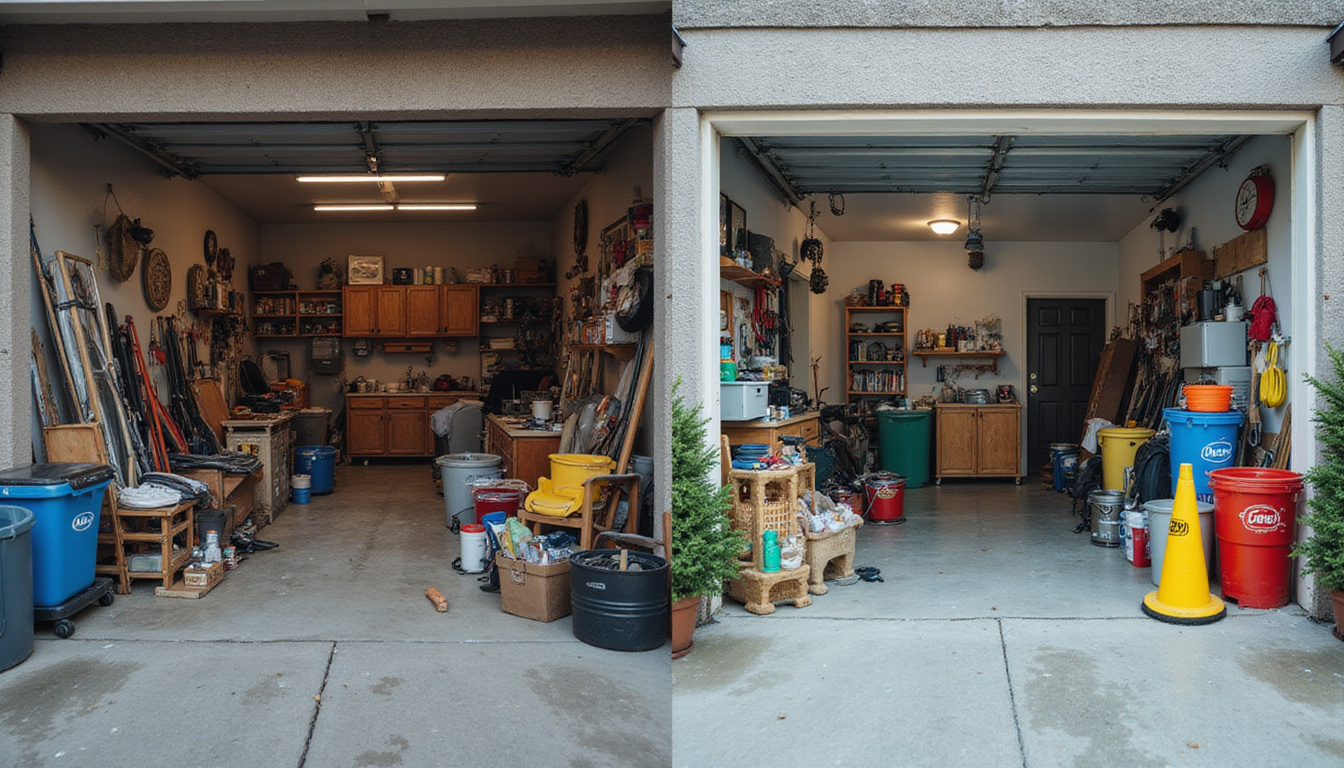
Secret #4: Load It Like a Pro to Use Every Inch of Space
How you load your roll off dumpster can make the difference between fitting everything in one container or paying for a second one.
Smart Loading Tips
-
Start with large, flat items.
Add doors, plywood, broken-down furniture, and flattened boxes on the bottom to create a stable base. -
Break down everything you can.
- Disassemble furniture
- Flatten cardboard
- Cut large branches
The smaller the pieces, the fewer air pockets you have.
-
Load evenly front to back and side to side.
Uneven loads can be unsafe to transport and may be refused. -
Keep heavy items low.
Place dense materials (books, tile, small appliances) near the bottom. -
Don’t overfill.
Debris should not stick up over the top rails of the roll off dumpster. If it does, the driver may charge extra or refuse pickup for safety reasons.
A neatly packed roll off dumpster maximizes your value and reduces hauling issues.
Secret #5: Understand Pricing Before You Book
Dumpster pricing can be confusing if you’ve never rented one. Knowing the main cost drivers will help you compare quotes accurately.
What Affects the Cost of a Roll Off Dumpster?
- Size of the dumpster (10-yard vs. 30-yard, etc.)
- Rental duration (3 days vs. 10 days)
- Weight allowance (e.g., 1 ton, 2 tons, or more included)
- Location (distance from the hauler’s yard and local disposal fees)
- Type of debris (construction debris vs. household junk vs. heavy materials)
Common Fees to Watch For
- Overweight fees: Charged per ton if you exceed the included weight limit
- Extra days: If you keep the container beyond the base rental period
- Trip or “dry run” fees: If the driver comes to pick up and the dumpster is blocked or overfilled
- Contamination fees: For prohibited items that require special handling
When comparing companies, ask for:
- All-inclusive pricing for a specific size, number of days, and weight limit
- A clear list of what’s allowed and not allowed
- Their fees for overages or extra days
Getting this in writing (or email) prevents surprises when the bill arrives.
Secret #6: Time Your Rental for Maximum Efficiency
Every extra day a roll off dumpster sits unused costs money or eats into your rental window.
Plan Backwards from Your Pickup Date
-
Choose your “cleanout weekend” first.
Decide when you’ll have the most help and energy. -
Schedule delivery 1 day before you start.
This gives you a buffer in case the truck is delayed and lets you start first thing in the morning. -
Book pickup for the day after you expect to finish.
If you think it’s a 2-day project, book 3 days just in case.
Combine Projects to Use the Dumpster Fully
While you have a roll off dumpster on-site, consider tackling:
- Garage and shed decluttering
- Basement cleanouts
- Yard debris from tree trimming
- Old furniture and mattresses
- Broken equipment and miscellaneous junk
Combining multiple mini-projects into one rental often costs less than multiple smaller hauls or curbside bulk pickups.
Secret #7: Roll Off Dumpster vs. Junk Removal Service
You might be wondering whether to rent a roll off dumpster or hire a full-service junk removal team.
Choose a Roll Off Dumpster If:
- You want the lowest cost for a large volume of debris
- You’re comfortable doing your own loading
- You have more than a couple of pickup truck loads
- You want flexibility to sort, decide, and load at your own pace
Consider a Junk Removal Service If:
- You can’t or don’t want to do any heavy lifting
- You have limited space for a roll off dumpster
- You only have a small pile of items, not a full cleanout
- You need fast, same-day removal of a modest amount of junk
Many homeowners use a hybrid approach: rent a roll off dumpster for construction debris and big cleanouts, then book a small junk removal pickup for the few remaining items (hazardous, specialty, or donation-worthy).
Quick Roll Off Dumpster Checklist for Homeowners
Before you book, walk through this list:
- [ ] I estimated how many pickup truck loads I have
- [ ] I chose a size (10/15/20/30/40 yard) with a little extra capacity
- [ ] I know where the roll off dumpster will sit
- [ ] I checked if I need a street permit
- [ ] I reviewed the list of prohibited items
- [ ] I understand the weight limit and possible extra fees
- [ ] I planned my cleanout days so the dumpster doesn’t sit empty
- [ ] I have basic tools ready (gloves, dollies, screwdrivers, utility knives, etc.) for breaking things down
FAQ About Roll Off Dumpsters for Homeowners
Q1: How long can I keep a roll off dumpster for a home cleanout?
Most companies offer standard rentals of 5–7 days for a residential roll off dumpster, with the option to add extra days for a daily fee. Some haulers also have 3-day “weekend specials.” Always confirm the included rental period and extension cost before booking.
Q2: What’s the best size residential dumpster for a full-house cleanout?
For an average 2–3 bedroom house, a 20-yard or 30-yard residential roll off dumpster usually works well. If you’re only cleaning the garage and basement, a 20-yard might be enough. If you’re also doing renovation or have very cluttered spaces, a 30-yard gives more breathing room.
Q3: Can I mix yard waste and household junk in the same roll off container?
Often you can, but it depends on local disposal rules and your hauler’s policies. Some areas have separate waste streams for green waste, while others allow mixed loads. When you reserve your roll off dumpster, tell the company exactly what you’ll be throwing away so they can suggest the right container and avoid contamination fees.
Ready for a Fast, Stress-Free Cleanout?
With the right roll off dumpster, even the biggest home cleanout becomes a manageable weekend project instead of a month-long headache. By choosing the right size, placing it wisely, loading it efficiently, and understanding the rules ahead of time, you’ll save money, avoid surprise fees, and reclaim your space faster than you thought possible.
If you’re staring down cluttered rooms, renovation debris, or an overflowing garage, don’t wait for “someday.” Reach out to a reputable local roll off dumpster provider today, get a clear, all-in price, and schedule delivery. A single well-timed rental can transform your home—and your peace of mind—in just a few days.
Junk Guys Inland Empire
Phone: 909-253-0968
Website: www.junkguysie.com
Email: junkguysie@gmail.com