Salvage Services: 7 Proven Strategies to Recover Maximum Value
When assets are damaged, obsolete, or no longer needed, salvage services can mean the difference between a total loss and a meaningful recovery. Whether you manage a construction company, a fleet, a warehouse, or a manufacturing plant, a strategic approach to salvage can unlock hidden value, reduce disposal costs, and improve sustainability. This guide walks through seven proven strategies to help you recover maximum value from salvageable materials, equipment, and inventory.
What Are Salvage Services and Why Do They Matter?
Salvage services encompass the assessment, removal, processing, and resale or recycling of assets that no longer serve their original purpose. This can include:
- Damaged or totaled vehicles and heavy equipment
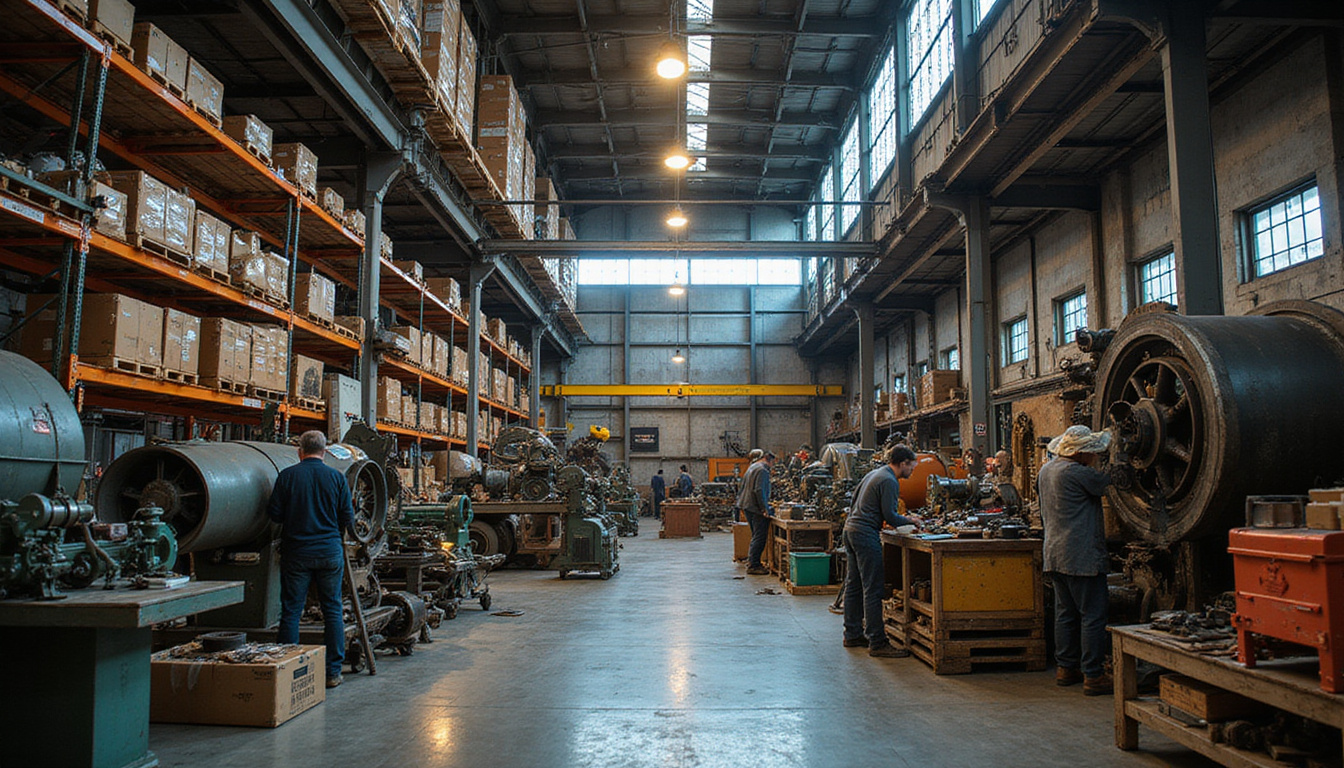
- Machinery from plant closures or line upgrades
- Surplus or obsolete inventory
- Building materials from demolition or renovation
- Marine and cargo recoveries after accidents
The core goal is to extract the highest possible value while minimizing environmental impact and compliance risk. When done well, salvage is not just a cost of doing business—it becomes a source of revenue and a key part of your risk management and ESG strategy.
Strategy 1: Start With a Professional Salvage Assessment
A thorough, expert assessment is the foundation of effective salvage services. Guesswork or quick decisions often leave money on the table.
Key steps in a salvage assessment
- Condition grading: Evaluating whether items can be resold “as is,” refurbished, parted out, or only scrapped.
- Marketability analysis: Identifying current demand, pricing trends, and best channels (wholesale, auction, direct buyers).
- Cost-benefit comparison: Weighing transportation, storage, repair, and processing costs against likely recovery values.
- Regulatory review: Assessing any environmental, safety, or title-related issues that impact how assets can be handled or sold.
Engaging a specialist salvage company or independent appraiser early—especially after a loss event (fire, flood, collision, etc.)—helps prevent hasty disposal and preserves options for higher-value recovery.
Strategy 2: Prioritize Reuse and Refurbishment Over Scrap
Scrap is often the easiest path, but rarely the most lucrative. The best salvage services focus first on reuse and refurbishment opportunities.
Why refurbishment wins
- Higher unit value: A functional unit, even older, typically commands far more than its scrap metal value.
- Expanded buyer pool: Refurbished assets can be sold to smaller firms, contractors, or in developing markets that value cost-effective equipment.
- Sustainability benefits: Extending asset life reduces the need for new manufacturing, lowering your environmental footprint.
Consider refurbishment when:
- Damage is cosmetic or limited to easily replaceable components.
- The brand and model have a strong secondary market.
- Downtime is not critical, and you can afford refurbishment lead times.
Professional salvage services often maintain in-house or partnered refurbishment centers for vehicles, industrial equipment, IT hardware, and more, enabling you to capture that higher value with predictable quality and warranties.
Strategy 3: Segment Assets for Multi-Channel Disposal
Treating all salvaged assets as one homogeneous lot usually results in discounts and missed opportunities. A smarter approach is to segment assets and match them to the most profitable channels.
Common segmentation categories
- Premium resale: High-demand or late-model equipment that can be resold individually.
- Parts harvesting: Items with key components that are valuable on their own (engines, control units, electronics).
- Bulk/lot sales: Mixed lower-value inventory, building materials, or small parts best sold in volume.
- Commodity scrap: Metal, plastics, and other materials where value is primarily weight-based.
Matching segments to the right channels can significantly increase total recovery:
- Online auctions for unique or high-value pieces.
- Dealer or wholesaler networks for mainstream equipment.
- Direct-to-end-user sales for certain specialized items.
- Certified recyclers for metals, e-waste, and regulated materials.
Effective salvage services design this multi-channel strategy for you, managing listings, inspections, buyer inquiries, and logistics.
Strategy 4: Use Data and Market Intelligence to Time Your Sales
Like any market, salvage values fluctuate based on supply, demand, and macroeconomic conditions. Data-driven timing can have a real impact on your bottom line.
What to monitor
- Commodity indexes: Steel, copper, aluminum, and plastics prices directly affect scrap values (source: U.S. Geological Survey).
- Seasonal demand: Construction equipment often fetches more before peak building season; snow and ice control equipment may peak before winter.
- Regulatory changes: Emissions rules, safety standards, and import/export regulations can increase or decrease demand in specific regions.
- Technology cycles: When a new equipment generation launches, demand for older models may temporarily spike or fall.
Leading salvage services firms use historical sale data and real-time market feeds to advise whether to sell immediately, hold briefly, or bundle assets differently to capture better pricing. Even modest timing improvements across a large portfolio can add up to significant additional recovery.
Strategy 5: Integrate Salvage Into Your Risk and Insurance Strategy
Often, salvage events start with a loss—an accident, natural disaster, or equipment failure. When insurance is involved, salvage value becomes a critical component of claims and total cost of risk.
How to align salvage and insurance
- Pre-loss planning: Work with carriers and brokers to include preferred salvage services providers in your loss control plans.
- Clear salvage ownership: Understand when and how salvage rights transfer between you and the insurer; unclear terms can delay recovery.
- Transparent valuation: Use professional, documented salvage assessments to support claim negotiations and avoid disputes.
- Rapid mobilization: Quick deployment of salvage experts after a loss reduces secondary damage (corrosion, theft, mold) and preserves more value.
In complex cases—such as marine cargo, large industrial plants, or catastrophic property losses—insurers often bring in specialized salvage firms to coordinate recovery. Being ready to collaborate with them, rather than waiting passively, can improve both claim outcomes and salvage proceeds.
Strategy 6: Leverage Technology to Track and Optimize Salvage
Modern salvage services rely heavily on digital tools to increase transparency, reduce errors, and streamline decision-making.
Useful technologies in salvage management
- Asset tracking systems: Barcodes or RFID tags to monitor location, status, and condition of salvaged items.
- Digital condition reports: Photo and video documentation shared with buyers to speed up sales and reduce inspection costs.
- Auction and marketplace platforms: Online bidding widens the buyer base and can drive up competition and pricing.
- Analytics dashboards: Visibility into recovery rates, time-to-sale, and channel performance across your salvage portfolio.
By insisting on data-rich reporting and digital workflows, you gain clearer insight into where value is created or lost. Over time, this allows better forecasting and improved internal policies for asset life cycles and maintenance.
Strategy 7: Build Long-Term Partnerships With Specialist Salvage Providers
One-off salvage decisions tend to be reactive and suboptimal. The companies that consistently recover maximum value treat salvage as an ongoing, strategic function and partner with professionals accordingly.
Benefits of a long-term salvage partnership
- Standardized processes: Regular, repeatable workflows for inspections, approvals, and sales.
- Better pricing and terms: Volume-based arrangements and negotiated fee structures that favor your long-term interests.
- Faster response times: Priority treatment when a loss event or large disposition arises.
- Shared learning: Your provider learns your asset mix, risk profile, and market preferences, enabling tailored strategies.
- ESG and compliance alignment: Coordinated documentation and reporting for environmental and social impact metrics.
When evaluating salvage services providers, look for:
- Proven experience in your specific industry and asset types.
- Transparent fee models (commission vs. fixed fee vs. hybrid).
- Strong safety and environmental compliance credentials.
- Robust digital platforms and reporting capabilities.
- References and case studies demonstrating real recovery improvements.
A well-chosen partner converts salvage from a headache into a managed value stream.
Common Mistakes That Undermine Salvage Value
Even with good intentions, organizations often make avoidable errors that erode recovery:
- Disposing of assets too quickly without proper assessment.
- Allowing damaged assets to sit exposed, causing corrosion, mold, or theft.
- Failing to segregate reusable items from true scrap.
- Overlooking secondary or niche markets for specialized equipment.
- Ignoring documentation, which limits buyer confidence and reduces bids.
- Treating salvage solely as a waste function instead of a revenue and risk lever.
Recognizing these pitfalls is the first step; aligning with professional salvage services helps prevent them from recurring.
Practical Checklist: How to Prepare for Successful Salvage
Use this as a quick-reference list when you anticipate a salvage event—planned or unplanned:
- Secure the site and assets to prevent further damage or loss.
- Document conditions early with photos, videos, and serial numbers.
- Notify stakeholders (risk management, insurance, finance, operations).
- Engage a salvage assessment professional as soon as feasible.
- Segregate assets by condition (repairable, parts, scrap, hazardous).
- Review regulatory requirements for transport, storage, and disposal.
- Decide on preferred sales channels (auction, direct sale, scrap buyers).
- Track metrics: recovery percentage, days to convert, costs vs. proceeds.
- Feed learnings back into maintenance, purchasing, and risk planning.
Building these steps into your standard operating procedures streamlines future salvage events and maximizes value.
FAQ About Salvage Services and Value Recovery
1. How do professional salvage services increase recovery compared to handling it in-house?
Specialized salvage providers bring market expertise, buyer networks, refurbishment and recycling partners, and data on comparable sales. This combination often leads to higher sale prices, better segmentation of assets, and reduced holding and processing costs—all of which typically outpace the fees charged.
2. What types of assets benefit most from commercial salvage solutions?
High-value and complex assets tend to benefit most, including heavy machinery, fleet vehicles, industrial equipment, marine vessels, and large inventories after facility closures or disasters. However, even lower-value items like building materials and surplus stock can see improved returns when bundled and marketed properly through structured salvage services.
3. Are salvage and recovery services compatible with sustainability goals?
Yes. Effective salvage programs promote reuse, refurbishment, and material recycling, significantly reducing landfill waste and the need for new manufacturing. Many organizations now report salvage and recovery metrics as part of their ESG or sustainability reporting, and reputable salvage services will provide the documentation needed to support those disclosures.
Turn Salvage From a Loss into a Strategic Advantage
Every damaged asset, retired machine, or surplus inventory lot represents a choice: accept minimal scrap value and added disposal costs, or pursue a structured, expert-led approach that unlocks hidden returns. By combining professional salvage services with the seven strategies above—rigorous assessment, prioritizing refurbishment, smart segmentation, data-driven timing, insurance integration, technology adoption, and long-term partnerships—you can transform salvage from an afterthought into a repeatable source of financial and environmental value.
If you’re facing an upcoming asset disposition, plant closure, or recent loss event, now is the time to act. Engage a qualified salvage specialist, implement a clear process, and start capturing the full value that’s currently slipping away. Your balance sheet—and your sustainability goals—will reflect the difference.
Junk Guys Inland Empire
Phone: 909-253-0968
Website: www.junkguysie.com
Email: junkguysie@gmail.com