
When a severe storm passes, storm debris removal quickly becomes a top priority—not just for aesthetics, but for safety, insurance, and the long-term health of your property. Acting methodically instead of rushing in can save you thousands of dollars, prevent injuries, and reduce the risk of secondary damage like mold, fires, or structural issues.
This step-by-step checklist will help you handle storm debris safely, efficiently, and cost-effectively, whether you’re dealing with a few fallen branches or a major cleanup.
1. Put Safety First Before Touching Any Debris
Storm scenes are unpredictable. Even if your yard looks manageable, hidden hazards can cause serious injuries.
Inspect for immediate dangers
Before starting any storm debris removal work:
- Look for downed power lines. Stay at least 35 feet away and assume every wire is live. Call your utility company and 911 if you see lines on the ground, trees, or vehicles.
- Check for gas leaks. If you smell gas or hear a hissing sound, leave the area immediately and call the gas company and emergency services.
- Scan for unstable trees and limbs. Hanging or split branches can fall without warning, especially in windy conditions.
- Avoid standing water. It could be electrified or hiding sharp objects, open holes, or displaced wildlife.
Protect yourself with basic safety gear
If it’s safe to proceed, gather:
- Sturdy boots with good traction
- Thick work gloves
- Safety glasses or goggles
- Long pants and a long-sleeve shirt
- Hard hat if working under trees or structures
- Hearing protection if using chainsaws or heavy equipment
If you lack proper protective gear or feel unsure about any hazard, delay your storm debris removal and contact professionals.
2. Document All Damage for Insurance Before Cleanup
Cleaning too quickly can cost you later if you don’t have proof of damage for insurance claims.
Take photos and videos from multiple angles
Document:
- Roof, siding, and windows
- Fences, sheds, and other outbuildings
- Vehicles and driveways
- Fallen trees, branches, and large debris
- Interior damage from leaks, breaks, or flooding
Capture wide shots to show context and close-ups to show detail. Walk slowly while recording video to give adjusters a clear view of the overall scene.
Save receipts and track your time
If you purchase tools, tarps, trash bags, fuel, or rent equipment related to storm debris removal, keep:
- Receipts
- Rental contracts
- Invoices from contractors
- A simple log of hours you or helpers spend on cleanup
Many policies allow reimbursement for reasonable cleanup costs (source: FEMA – After the Disaster).
3. Sort Debris by Type to Speed Up Disposal
Sorting as you go makes hauling, recycling, and disposal faster and often cheaper. It also helps you comply with local regulations.
Create separate piles or areas for:
- Vegetative debris
- Branches, logs, leaves, shrubs, tree stumps
- Construction and demolition debris
- Shingles, siding, drywall, bricks, lumber, insulation
- Household items
- Furniture, carpets, mattresses, personal belongings
- Appliances and electronics
- Refrigerators, washers, dryers, TVs, computers, small devices
- Hazardous materials
- Paint, solvents, pesticides, batteries, propane tanks, fuel containers
- Scrap metal
- Gutters, fencing, metal roofing, grills, broken tools
Never burn mixed storm debris. Many materials give off toxic fumes when burned, and some areas strictly prohibit open burning after storms.
4. Handle Tree and Yard Debris Safely
Vegetative debris is usually the most common type after a storm and one of the most dangerous to handle incorrectly.
Decide what you can safely do yourself
You can typically DIY:
- Raking and bagging leaves
- Gathering small branches you can safely lift
- Cutting manageable limbs with hand tools or a small chainsaw, if you’re experienced
Hire a certified arborist or tree service for:
- Large, leaning trees close to your home
- Trees entangled with power or utility lines
- Large limbs hung up high (“widowmakers”)
- Any tree showing root upheaval, trunk cracks, or tilting toward structures
Cut and stack efficiently
For efficient storm debris removal:
- Cut branches into 3–4 foot sections if local guidelines require it.
- Stack limbs in the same direction along the curb or designated area.
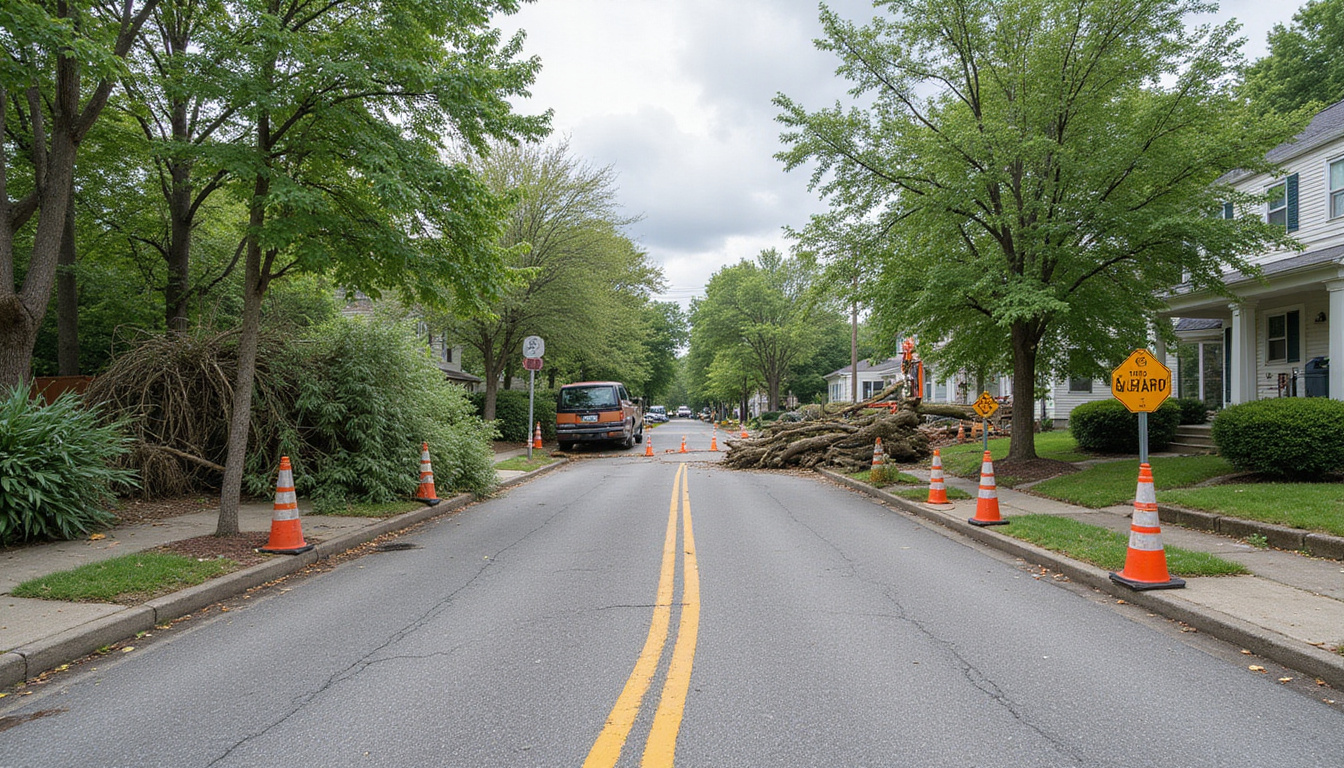
- Keep piles away from fire hydrants, mailboxes, and storm drains.
Check your municipality’s website or social media for post-storm curbside pickup rules, size limits, and schedules.
5. Protect Your Home From Secondary Damage
While you work through debris, also prevent follow-up issues like leaks, mold, or pests.
Secure openings and cover vulnerable areas
- Board up broken windows with plywood and secure from the outside.
- Tarp damaged roofs to prevent further water intrusion until permanent repairs can be made.
- Clear gutters and downspouts of leaves and limbs so water can drain away from the foundation.
Remove waterlogged materials quickly
If parts of your home were flooded or rained in:
- Pull out soaked carpets, rugs, and padding.
- Remove wet drywall at least 12–24 inches above the water line.
- Use fans and dehumidifiers to dry affected areas.
This step isn’t just cleanliness—it’s essential to prevent mold growth, which can begin in as little as 24–48 hours.
6. Know Your Local Rules for Storm Debris Disposal
Every city or county handles storm debris removal a bit differently, especially after a large-scale weather event.
Check:
- City or county website for emergency cleanup guidelines
- Social media announcements from public works or waste management
- Local news for information on temporary debris drop-off sites
Key questions to confirm:
- What items are accepted for curbside pickup and in what quantities?
- Are there special days or zones scheduled for storm debris removal?
- Are there limits on log diameter or bundle size?
- Do you need to bag leaves and small debris, and what kind of bags are allowed?
- Where can you take hazardous materials and electronics?
Avoid illegal dumping at vacant lots, fields, or roadside areas. Fines can be steep, and you may be required to pay for cleanup.
7. Decide When to Hire Professional Help
Doing everything yourself isn’t always the cheapest or safest long-term option.
Situations that call for professionals
- Extensive tree damage or large trees near power lines
- Structural damage to roofs, walls, garages, or sheds
- Significant flooding, sewage backups, or suspected mold
- Large volumes of debris beyond what curbside services will take
When hiring:
- Ask if they are licensed, insured, and bonded.
- Request a written estimate before work begins.
- Check reviews and, if possible, references.
- Be wary of “storm chasers” who appear immediately after disasters with no local presence or credentials.
A reputable storm debris removal or restoration company will explain their process, timeline, and how they coordinate with insurance.
8. Use This Time- and Money-Saving Debris Removal Checklist
To streamline storm debris removal, use this condensed checklist as you move through the process:
- Ensure the area is safe: check for downed power lines, gas leaks, unstable structures.
- Document everything: photos, videos, notes of damage, and receipts.
- Contact your insurance company and follow their claim instructions.
- Wear appropriate safety gear before beginning any physical work.
- Sort debris by type: vegetative, construction, household, appliances/electronics, hazardous, metal.
- Clear walkways and driveways first for safe access.
- Handle trees carefully: DIY only small, safe tasks and call pros for large or dangerous trees.
- Protect your home: board up, tarp, and remove wet materials quickly.
- Follow local disposal rules for curbside pickup and drop-off sites.
- Hire reputable help when debris volume or damage exceeds your capacity.
Keeping this checklist handy—printed or on your phone—reduces stress and prevents costly mistakes when the next storm hits.
9. Plan Ahead to Reduce Future Storm Debris
Reducing the amount of debris a storm can create will save time and money on every future cleanup.
Improve your landscaping
- Prune trees regularly. Remove dead or weak branches and thin dense canopies.
- Choose wind-resistant species. Some trees withstand storms better than others; consult a local arborist.
- Plant away from structures. Keep mature size and root spread in mind when planting.
Secure outdoor items
- Anchor sheds, playsets, and large planters.
- Install wind-rated fencing where feasible.
- Store or tie down grills, furniture, and decorations before storm season.
Simple changes can significantly reduce the volume and danger of debris you’ll face after each storm.
FAQs About Storm Debris Removal
1. How long do I have to complete storm clean up and debris removal?
Timing depends on your area and the scale of the disaster. Many municipalities set specific windows for storm clean up debris removal with free or reduced-fee pickup. Check local announcements as soon as possible; missing those windows may mean paying private haulers or making multiple trips to disposal sites.
2. Can I burn yard waste from storm debris cleanup?
Some areas allow burning of clean vegetative debris (branches, leaves) under strict conditions, while others ban it entirely. Laws on storm debris clean up and burning vary by county and can change during air quality alerts or drought. Always confirm with your fire department or local environmental agency before burning anything.
3. What’s the best way to handle large items during emergency debris removal after a storm?
For heavy items like large logs, appliances, or soaked furniture, prioritize safety. In emergency debris removal after a storm, don’t attempt to lift more than you can safely manage. Use dollies, team lifting, or hire professionals with skid steers or loaders. Many areas set up special collection points or offer bulky item pickup following major storms—take advantage of these programs to avoid injury and reduce cost.
Efficient, safe storm debris removal is one of the most important steps in getting life back to normal after severe weather. With the right checklist, you can protect your family, avoid costly mistakes, and move through cleanup with confidence instead of chaos.
If you’re facing a property full of debris or want a prevention plan before the next storm, reach out to a trusted local storm debris removal service or certified arborist today. A short consultation now can save you days of exhausting work, unexpected expenses, and potential hazards the next time severe weather strikes.
Junk Guys Inland Empire
Phone: 909-253-0968
Website: www.junkguysie.com
Email: junkguysie@gmail.com