
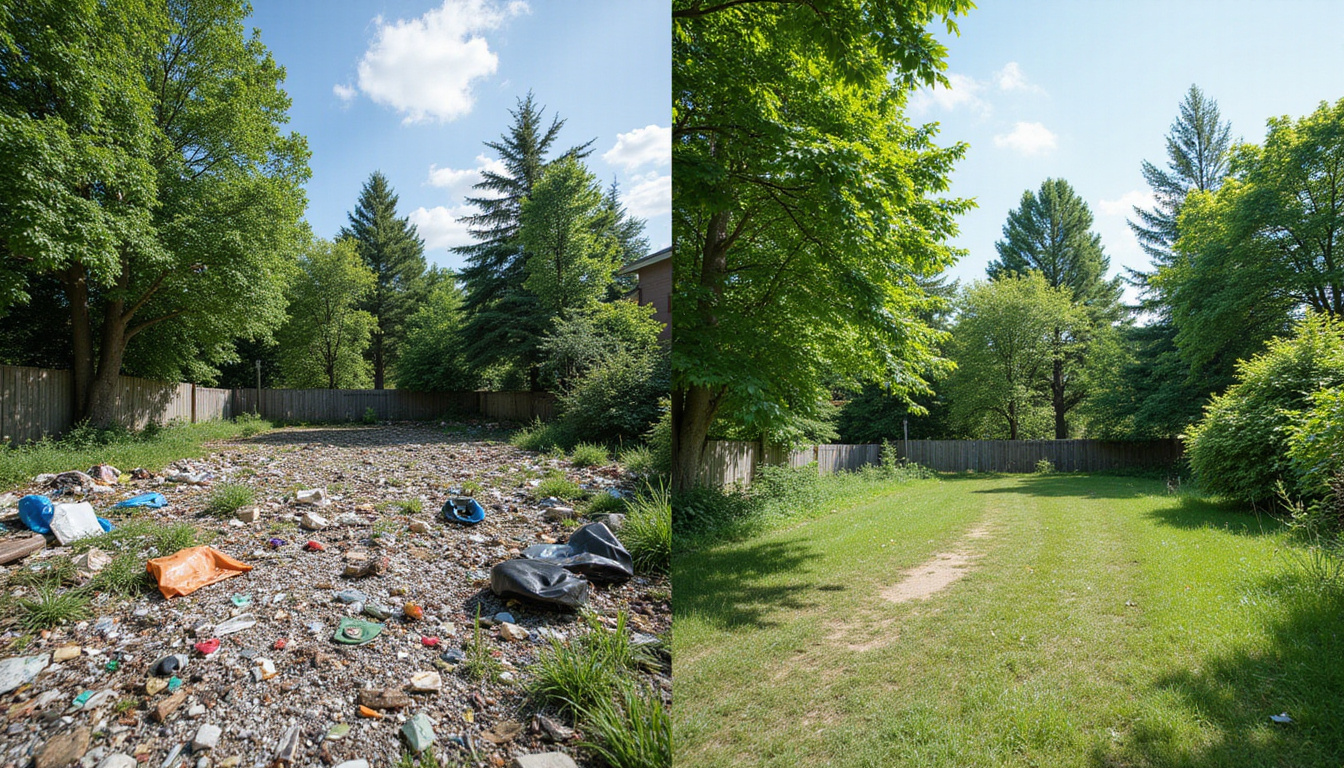
A vacant lot cleanout can transform an overgrown, debris-filled eyesore into a safe, valuable, and usable piece of property. Whether you’re a homeowner, investor, real estate agent, or municipal official, knowing how to clean up a vacant lot quickly and efficiently can save time, reduce liability, and boost neighborhood appeal.
This guide walks through smart, practical strategies for fast property cleanup—without cutting corners on safety, compliance, or long‑term results.
Why Vacant Lot Cleanouts Matter
Before you rent a dumpster or fire up a chainsaw, it helps to understand why a vacant lot cleanup is worth the effort.
Key benefits of a thorough vacant lot cleanout include:
- Higher property value – Clean, level, and accessible land is far more attractive to buyers, tenants, and developers.
- Reduced liability – Trash, broken glass, collapsing sheds, and illegal dumping can lead to injuries and legal issues.
- Fewer pests and hazards – Overgrown vegetation and piles of junk attract rodents, snakes, and insects; debris can also become a fire risk.
- Better curb appeal and community impact – A neat lot encourages neighboring properties to stay maintained and can deter crime and vandalism.
- Easier future development – Builders, surveyors, and contractors can access and assess a cleaned-up space much more easily.
Step 1: Assess the Lot Before You Touch Anything
A fast vacant lot cleanout actually starts with slowing down long enough to assess what you’re dealing with.
Walk the Property Safely
Begin with a cautious walkthrough:
- Wear boots, gloves, long sleeves, and safety glasses.
- Watch for broken glass, metal scraps, syringes, or other hazardous waste.
- Note large items (appliances, furniture, tires, vehicles).
- Look for unstable structures: sheds, decks, retaining walls, or fences.
- Identify steep slopes, sinkholes, or drainage issues.
Take photos and short videos. These will help you plan, get accurate quotes from cleanup services, and document the property’s “before” condition for future buyers or your own records.
Identify Potential Hazards and Special Waste
Not everything can go straight into a dumpster. Watch for:
- Paint cans, chemicals, oil or fuel containers
- Batteries, electronics, and fluorescent bulbs
- Tires and old car parts
- Asbestos‑containing materials (older siding, insulation)
- Medical or biohazard waste
These items often require special handling and disposal under local or federal regulations (for example, the U.S. EPA sets standards for hazardous waste management (source):
https://www.epa.gov/hw/household-hazardous-waste-hhw).
Make a list of anything that appears hazardous so you can plan proper disposal and avoid fines or health risks.
Step 2: Decide: DIY or Professional Vacant Lot Cleanout?
Your strategy hinges on time, budget, and the condition of the property.
When a DIY Approach Makes Sense
A do-it-yourself vacant lot cleanout can work if:
- The lot is under ½ acre and not severely overgrown.
- Debris is mostly household junk, yard waste, or light construction material.
- You have a pickup truck or access to a rented dumpster.
- You can commit a weekend or two and have a couple of helpers.
DIY can save money, especially if you already own basic tools and protective gear.
When to Call Professional Cleanup Services
Hiring a professional crew is often smarter when:
- The property is heavily overgrown with trees, vines, and dense brush.
- There are large or hazardous items (vehicles, oil drums, old sheds).
- You’re up against a tight deadline (sale closing, code enforcement notice, or new construction schedule).
- You’re an out-of-town owner or investor without local resources.
- You want a “turnkey” vacant lot cleanout with hauling, disposal, and final grading.
Professionals bring equipment (skid steers, chippers, saws, trailers), manpower, and experience in local regulations—often turning a weeks-long DIY slog into a one- or two-day job.
Step 3: Plan the Cleanup for Maximum Efficiency
A little planning can dramatically speed up the process and cut costs.
Set a Clear Scope and Timeline
Define:
- What must absolutely be removed (trash, junk, dilapidated structures).
- What should be trimmed vs. completely cleared (trees, shrubs, brush).
- Any grading, leveling, or seeding you need at the end.
- Your ideal completion date.
If you’re hiring help, put the scope in writing and get a detailed estimate that breaks down labor, equipment, and disposal fees.
Arrange Disposal and Recycling in Advance
Fast property cleanup depends on having somewhere to put all the debris.
Consider:
- Dumpster rental – Choose a size based on your walk-through. Many vacant lot cleanouts need 20–30 yard dumpsters; larger or multiple units may be required for bigger properties.
- Local landfill or transfer station rules – Check what’s allowed, weight limits, and fees.
- Metal recycling – Scrap metal, old appliances, and car parts can sometimes be hauled away for free or even earn you small cash.
- Hazardous waste events – Many municipalities hold scheduled drop-off days or have designated facilities for hazardous materials.
Planning disposal first avoids the common mistake of creating big piles that sit on the property for weeks.
Step 4: Tackle the Cleanup in a Logical Order
A systematic workflow keeps your vacant lot cleanout organized and fast.
1. Start with Large, Obvious Debris
Clear out:
- Furniture, mattresses, and bulky junk
- Tires, appliances, and scrap metal
- Old fencing sections, pallets, and lumber piles
Removing big items first opens up sight lines and access paths for equipment and makes the rest of the cleanup safer.
2. Remove or Secure Hazardous Items
Next, carefully deal with:
- Chemicals, paints, and oils (double-bag if necessary and store upright).
- Batteries and electronics (keep dry and intact).
- Sharps or medical waste (use puncture-resistant containers).
Store these in a designated staging area away from traffic and dispose of them per local regulations.
3. Cut Back Overgrowth and Brush
Once major debris is out, you can clearly see the ground and focus on vegetation:
- Mow tall grass with a brush mower or heavy-duty trimmer.
- Cut and remove saplings, vines, and invasive plants.
- Trim low branches that obstruct access or reduce visibility.
For sizable lots or very dense brush, renting a brush hog or hiring a land-clearing service can dramatically speed up the process.
4. Address Trees and Structures
Larger trees and man-made structures require more caution:
- Dead or leaning trees near roads, fences, or neighboring buildings should be evaluated by a professional arborist or tree service.
- Sheds, carports, and small outbuildings may need to be demolished and hauled away if they’re unsafe or beyond repair.
- Fences can be repaired, straightened, or removed entirely, depending on your future plans for the lot.
Always check whether permits are needed for tree removal or demolition in your area.
Step 5: Final Grading, Leveling, and Stabilization
A vacant lot cleanout isn’t just about removing trash; it’s also about leaving the ground in a stable, usable condition.
Level and Smooth the Ground
After debris and major vegetation are gone:
- Fill low spots and minor holes to reduce trip hazards and pooling water.
- Rake out rocks, roots, and smaller debris.
- For larger properties, consider hiring equipment (mini skid steer, compact tractor) for faster grading.
A level surface not only looks better but also makes any future construction, parking, or landscaping work simpler.
Control Erosion and Regrowth
Bare soil can erode quickly and invite rapid weed growth. Consider:
- Spreading grass seed or a low-maintenance ground cover.
- Using straw or erosion-control blankets on slopes.
- Placing gravel in high-traffic or vehicle areas.
This step keeps your vacant lot cleaner for longer and makes maintenance much easier.
Tools and Supplies for a Fast Cleanout
Having the right gear on-site from the start speeds everything up. Common items include:
- Heavy-duty work gloves and safety glasses
- Steel-toe boots or sturdy work shoes
- Long sleeves and durable pants
- Rakes, shovels, and wheelbarrows
- Loppers, pruning saws, and chainsaws (with proper safety gear)
- String trimmers or brush cutters
- Trash bags and contractor bags
- Tarps for consolidating and dragging lighter debris
- Rental equipment (brush mower, skid steer, or mini-excavator, if needed)
Common Mistakes to Avoid in Vacant Lot Cleanouts
Rushed cleanouts often create new problems. Watch out for these pitfalls:
- Ignoring local codes and permits – Some areas regulate tree removal, grading, or large debris piles.
- Mixing hazardous waste with regular trash – This can lead to fines and environmental harm.
- Overclearing trees – Removing every tree can cause erosion, reduce shade, and hurt property appeal.
- Skipping documentation – Before-and-after photos help with resale, insurance, and compliance.
- Not planning for ongoing maintenance – A one-time vacant lot cleanout is only the start; without follow-up, weeds and dumping often return.
Long-Term Maintenance After the Initial Cleanout
Once your lot is cleared, staying ahead of problems is easier and cheaper than doing another full-scale cleanup.
Set a Simple Maintenance Schedule
Consider:
- Mowing or brush-cutting every 4–8 weeks during growing seasons.
- Quarterly walkthroughs to check for new dumping or damage.
- Annual pruning or tree inspections, especially near power lines or structures.
If you’re an investor or out-of-town owner, hiring a local property maintenance service can protect your investment and avoid code violations.
Use Simple Deterrents Against Illegal Dumping
Vacant lots often attract new trash if left unprotected. To discourage it:
- Install a basic fence or barrier at obvious vehicle entry points.
- Use clear “No Dumping” signs and include references to local ordinance numbers and fines.
- Keep the lot visibly maintained; a tidy space is less likely to be targeted.
- Consider motion-triggered lights or cameras if dumping is a recurring issue.
FAQ: Vacant Lot Cleanouts and Property Cleanup
1. How much does a vacant lot cleanout typically cost?
Costs vary widely based on size, location, and debris. A small, lightly cluttered lot might cost a few hundred dollars in DIY expenses, while a heavily overgrown property with structures and hazardous waste can run into the thousands when hiring professionals. Getting multiple quotes and a detailed scope of work is the best way to budget for a vacant land cleanup.
2. How long does a vacant property cleanup usually take?
A basic vacant lot cleanup with light debris and mowing can often be completed in a day or weekend. Larger properties, lots with dense brush or multiple structures, or sites requiring special disposal (like tires and chemicals) may take several days. Professional crews with the right equipment can usually finish faster than DIY efforts.
3. Do I need permits for a vacant land cleanout or lot clearing?
In many areas, simple trash removal and mowing don’t require permits, but tree removal, demolition of structures, or major grading might. Always check with your local building or zoning department before starting a vacant lot clearing project to avoid delays, fines, or needing to redo work.
Turn Your Vacant Lot from Liability to Opportunity
A well-planned vacant lot cleanout can quickly convert an overgrown, trash-strewn parcel into a safer, more valuable, and far more attractive piece of real estate. By assessing risks, choosing between DIY and professional help, organizing your workflow, and planning for long-term maintenance, you turn what looks like a burden into a real opportunity.
If you’re ready to reclaim your property but don’t have the time, tools, or manpower to tackle it alone, consider partnering with a reputable local cleanup and hauling service. Get a few quotes, compare options, and schedule your vacant lot cleanout now—so your property can start working for you instead of dragging you down.
Junk Guys Inland Empire
Phone: 909-253-0968
Website: www.junkguysie.com
Email: junkguysie@gmail.com