Waste Diversion Strategies That Cut Costs and Boost Sustainability
If you’re under pressure to cut operating expenses and hit sustainability targets, waste diversion should be near the top of your priority list. Done well, it doesn’t just keep material out of landfills—it can reduce disposal fees, recover valuable resources, strengthen your brand, and help future‑proof your business against rising compliance and material costs.
This guide walks through practical, cost‑saving waste diversion strategies you can apply in offices, retail, manufacturing, hospitality, education, healthcare, and more.
What Is Waste Diversion (and Why It Matters to Your Bottom Line)?
Waste diversion is the practice of steering materials away from landfills and incineration toward higher‑value pathways such as reuse, recycling, composting, and recovery.
Common diversion channels include:
- Reuse and repair
- Recycling (paper, cardboard, metals, plastics, electronics, etc.)
- Organic waste composting and anaerobic digestion
- Materials recovery and donation
- Industrial symbiosis (one company’s waste becomes another’s feedstock)
For businesses, effective waste diversion can:
- Lower landfill hauling and tipping fees
- Reduce purchasing costs by reusing more and wasting less
- Improve ESG scores and meet regulatory requirements
- Strengthen customer and employee perception
- Provide data to make smarter operational decisions
According to the U.S. EPA, recycling and composting of municipal solid waste already prevents tens of millions of tons of material from going to landfills annually, while supporting jobs and economic activity (source: EPA Sustainable Materials Management).
Step 1: Conduct a Waste Audit to Find Your Biggest Opportunities
Before launching programs, you need to know what you’re throwing away, in what quantities, and where it originates. A simple waste audit can reveal quick wins and structural problems.
Key steps in a basic waste diversion audit:
-
Gather data
- Pull recent invoices from your waste hauler(s): container sizes, pick‑up frequency, material types, and costs.
- Note any contamination surcharges or overage fees.
-
Sort and characterize waste
- On a selected day or week, physically sort a representative sample of your waste stream.
- Categorize by type: paper/cardboard, plastics, metals, glass, organics, textiles, e‑waste, construction debris, etc.
- Estimate the percentage of each type in your total waste.
-
Map waste to locations and processes
- Identify where the largest volumes originate (production lines, shipping/receiving, offices, cafeterias).
- Note any operational practices that generate unnecessary waste (e.g., excess packaging, misprints, spoilage).
-
Quantify financial impact
- Compare current landfill costs vs. potential revenue or cost avoidance from recycling or reuse.
- Flag categories that are both high volume and easy to divert—these are your priority targets.
Your audit becomes the foundation for your waste diversion plan, allowing you to focus on strategies that deliver both environmental and financial benefits.
Step 2: Prioritize Reduction and Reuse Before Recycling
While recycling is central to waste diversion, it isn’t the most powerful cost‑cutter. Material you never buy—or that you reuse multiple times—doesn’t need to be handled or processed at all.
Practical Reduction Strategies
-
Optimize purchasing and inventory
- Switch to bulk purchasing where it reduces packaging and spoilage.
- Improve demand forecasting to cut over‑ordering and expiration.
-
Right‑size packaging
- Redesign packages to use less material and fewer mixed materials.
- Encourage suppliers to ship in reusable totes or pallets instead of single‑use packaging.
-
Go digital
- Reduce printing by defaulting to digital documentation, billing, and marketing.
- Implement e‑signatures to cut paper usage further.
Reuse and Repair Tactics
- Reuse shipping materials (boxes, pallets, cushioning) in your own outbound logistics.
- Set up an internal “materials exchange” where departments can share surplus supplies and equipment.
- Implement repair programs for devices, uniforms, or furniture before replacement.
- Offer reusable dishware and utensils in cafeterias and break rooms.
Every kilogram you avoid purchasing or sending to landfill reduces both material and disposal costs, all while pushing your waste diversion rate higher.
Step 3: Build a Robust Recycling Program That Actually Works
Many organizations technically “offer recycling” but achieve poor diversion because of contamination, confusing signage, and inconsistent processes. To realize financial and sustainability benefits, design recycling with clarity and convenience in mind.
Core Elements of an Effective Recycling Strategy
-
Standardized bins and colors
- Use consistent colors and shapes across your facilities (e.g., blue for recycling, green for organics, black/gray for landfill).
- Place bins together in stations; never put a lone landfill bin by itself.
-
Clear, visual signage
- Use photos of your actual items (your coffee cups, your packaging) rather than generic clip‑art.
- Highlight “YES” items prominently and show the most common “NO” contaminants.
-
Material separation to add value
- Keep cardboard as clean and dry as possible; bale where volumes justify it to improve rebates.
- Separate high‑value metals (aluminum, copper, steel) from mixed waste.
- Work with your hauler on whether single‑stream or source‑separated recycling best suits your operation.
-
Back‑of‑house capture
- Put large, clearly labeled recycling containers where waste is generated in bulk: shipping docks, print rooms, kitchens, production floors.
- Train staff who handle waste as a core part of their role, not as an afterthought.
With the right structure, your recycling program becomes a significant contributor to your overall waste diversion rate and can materially reduce landfill disposal fees.
Step 4: Capture Organics for Composting and Energy
Food scraps, yard trimmings, and other organic waste are often one of the largest and heaviest components of the waste stream—making them expensive to haul and dispose of.
Diverting organics can quickly cut costs and emissions.
How to Divert Organics Effectively
-
Target high‑generation areas
- Cafeterias, break rooms, restaurants, food courts, grocery prep areas, and landscaping operations.
-
Introduce organics bins
- Provide distinct containers for food scraps and compostable items.
- Use compostable liners where required by your hauler or local facility.
-
Simplify what’s allowed
- Start with pre‑consumer organics (kitchen prep waste) where contamination is easier to control.
- Gradually add post‑consumer scraps if you can maintain quality.
-
Explore anaerobic digestion partnerships
- In some regions, organic waste can go to anaerobic digesters to create biogas and digestate for agriculture.
Reducing wet, heavy organic waste in your landfill stream lowers weight‑based hauling charges and supports key sustainability metrics like greenhouse gas reduction.
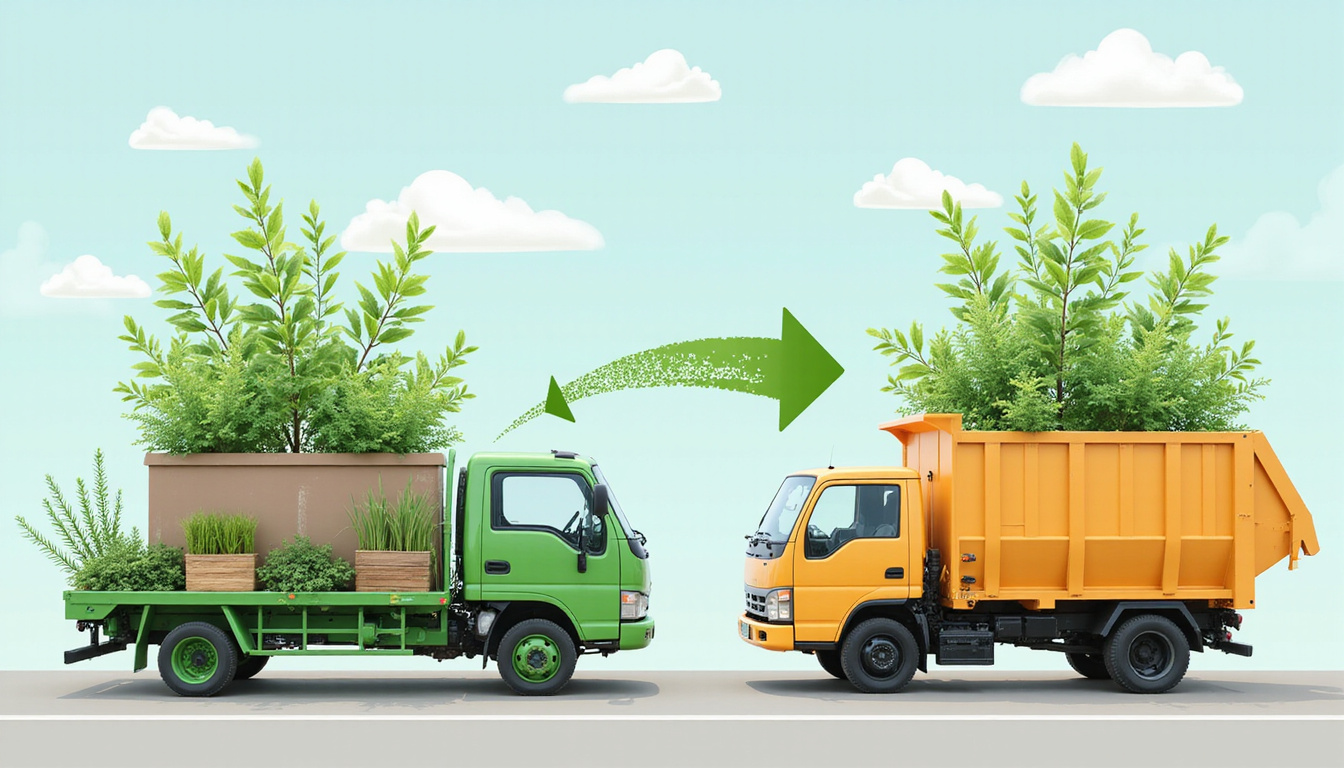
Step 5: Manage Specialty Waste Streams for Maximum Diversion
Beyond standard recyclables, many waste categories have dedicated recovery channels that support higher waste diversion rates and reduce risk.
Common Specialty Streams
-
E‑waste
Partner with certified electronics recyclers for computers, phones, monitors, and peripherals. Ensure data destruction compliance. -
Hazardous and regulated waste
Paints, solvents, chemicals, aerosols, and some cleaning products require specialized handling. Diversion here is about compliance and risk reduction as much as sustainability. -
Textiles and uniforms
Work with textile recyclers or donation partners. For branded uniforms, use secure destruction and fiber recovery. -
Construction and demolition (C&D) debris
Sort out metal, clean wood, concrete, and drywall during renovations or build‑outs. Many of these materials have established recycling markets.
By isolating specialty streams, you prevent contamination of general waste and capture higher value or compliance‑critical materials.
Step 6: Engage Employees and Tenants to Drive Behavior Change
Even the best technical system will fail if people don’t use it correctly. Human behavior is the engine of successful waste diversion.
Proven Engagement Tactics
-
Simple training
- Incorporate short waste diversion training into onboarding.
- Offer quick refreshers annually and whenever systems change.
-
Visual cues in the right place
- Put mini‑posters at eye level above bins.
- Show “what goes where” using items people see daily.
-
Feedback and transparency
- Share monthly diversion rates on intranet sites, break room boards, or lobby displays.
- Celebrate milestones (e.g., “We diverted 70% of waste from landfill this quarter.”).
-
Incentives and recognition
- Run friendly competitions between departments, floors, or locations.
- Recognize “waste champions” who help troubleshoot and improve systems.
When employees understand why waste diversion matters—and see that leadership is committed—participation and performance improve substantially.
Step 7: Measure, Report, and Continuously Improve
To maintain cost savings and sustainability gains, treat your waste diversion program as a continuous improvement effort.
Key Metrics to Track
-
Diversion rate (%)
(Total diverted material ÷ total waste generated) × 100. – Landfill tonnage and cost
Track volume and costs over time to quantify savings. -
Recycling and composting tonnage
Monitor growth and identify plateaus or declines that need investigation. -
Contamination rates
Work with haulers or facility partners to understand contamination issues and target education. -
Cost per ton by stream
Compare landfill, recycling, and organics to guide future investments.
Simple Improvement Cycle
- Review data monthly or quarterly.
- Identify high‑opportunity sites or departments.
- Pilot targeted improvements (new signage, bin changes, training).
- Re‑measure and standardize successful practices.
Over time, you can refine collection routes, right‑size containers, renegotiate hauling contracts, and further reduce total waste generation—amplifying both your financial and environmental returns.
Quick Checklist: Core Waste Diversion Tactics
Use this list to review your current program and spot gaps:
- Completed a waste audit within the last 12–18 months
- Integrated reduction and reuse into purchasing and operations
- Standardized bin colors, signage, and placement across all sites
- Established cardboard and high‑value metal recycling
- Implemented organics collection where feasible
- Set up e‑waste, textile, and C&D diversion channels
- Trained staff and communicated expectations clearly
- Track diversion rate, costs, and contamination regularly
- Engage suppliers to reduce inbound waste and improve recyclability
- Report progress to leadership and stakeholders
The more boxes you can tick, the stronger your waste diversion performance—and the more savings you’re likely to capture.
FAQ: Waste Diversion, Recycling, and Sustainable Waste Management
1. What is a good waste diversion rate for businesses?
Targets vary by industry and region, but many organizations aim for a 50–70% waste diversion rate as a solid baseline. Some sectors, especially offices and campuses, strive for zero waste to landfill (commonly defined as 90%+ diversion). The right goal depends on your starting point, infrastructure, and operational realities.
2. How is waste diversion different from recycling?
Recycling is one component of waste diversion, but waste diversion is broader. It encompasses any strategy that keeps materials out of landfills and incinerators, including reduction, reuse, repair, donation, composting, and material recovery. Focusing only on recycling misses many of the most cost‑effective interventions.
3. How can small businesses improve sustainable waste diversion without big budgets?
Start with low‑cost steps: conduct a simple waste review, right‑size your trash and recycling service, standardize bins and signage, and reduce single‑use items. Work with your existing hauler to understand available recycling and organics options. Even modest changes—like improving cardboard capture or cutting food waste—can deliver noticeable savings and boost your sustainable waste diversion performance.
Turn Waste Diversion into a Competitive Advantage
Waste is no longer just a cost of doing business—it’s a strategic lever. By systematically improving waste diversion, you can lower operating expenses, reduce environmental impact, and demonstrate leadership to customers, employees, and investors.
If you’re ready to move beyond one‑off recycling efforts and build a comprehensive, results‑driven program, now is the time to act. Start with a focused waste audit, engage your team, and implement a few high‑impact changes. Then use your data to refine, scale, and showcase your success.
Take the next step today: map your current waste streams, talk to your hauler and facility partners, and set a clear diversion target. With a practical plan and consistent follow‑through, you can turn yesterday’s trash into tomorrow’s savings—and a more sustainable future for your organization.
Junk Guys Inland Empire
Phone: 909-253-0968
Website: www.junkguysie.com
Email: junkguysie@gmail.com