
If you’re a DIY enthusiast, a small-scale maker, or just someone who hates waste, wood recycling can become both your creative outlet and a real source of profit. From pallet boards to old fence posts, offcuts, and broken furniture, reclaimed wood is one of the most versatile materials you can work with—and people are willing to pay for unique, handmade home goods.
This guide walks you through practical, profitable ways to turn scrap wood into in-demand items, with step‑by‑step ideas, safety and sourcing tips, and simple ways to sell what you make.
Why Wood Recycling Is a Smart (and Profitable) Habit
Wood is one of the easiest materials to reclaim and reuse. When you embrace wood recycling, you:
- Save money on raw materials
- Reduce the amount of wood heading to landfills
- Create unique products with character and story
- Tap into a strong market for rustic, sustainable home decor
According to the EPA, wood makes up a significant portion of construction and demolition waste, but a large share of it can be recovered and reused instead of discarded (source: U.S. EPA). That means you’re not just crafting—you’re diverting valuable resources from the waste stream.
Where to Find Free or Cheap Scrap Wood
To build a profitable side hustle around wood recycling, you need a consistent pipeline of material. Common, low-cost sources include:
1. Construction and Renovation Sites
- Offcuts from framing lumber
- Removed trim, doors, and baseboards
- Old cabinetry and shelving
Always ask the site manager or contractor before taking anything. Many are happy to let you haul away scrap because it saves them disposal costs.
2. Pallets and Crates
Local businesses often give away shipping pallets and crates. Check:
- Hardware stores
- Garden centers
- Warehouses
- Appliance stores
Avoid painted or chemically treated pallets; look for heat-treated (HT) markings for safer, cleaner wood.
3. Furniture Curb Finds and Thrift Stores
Old beds, tables, chairs, and cabinets are often solid wood under the finish. You can:
- Disassemble for usable boards and legs
- Reuse panels for signs, shelves, or art
- Turn spindles and legs into hooks or wall racks
4. Your Own Projects and Neighbors
Don’t overlook:
- Fence replacements
- Deck rebuilds
- Old shelving units
Let friends and neighbors know you’re doing wood recycling projects; they may start offering you materials before they dump them.
Essential Safety Basics for Working with Recycled Wood
Reclaimed wood is rewarding but can be tricky. Before you start turning scrap into sellable home goods, keep these safety principles in mind:
- Inspect for metal: Use a magnet or metal detector to find nails, screws, and staples. Remove them before cutting to protect your tools and yourself.
- Watch for rot and pests: Soft spots, crumbling edges, or small exit holes can indicate rot or insects. Discard anything structurally compromised.
- Know the treatment: Avoid pressure‑treated lumber for indoor projects or items that contact food. It may contain chemicals not suitable for interior use.
- Wear protection: Use eye protection, hearing protection, and a dust mask or respirator when cutting or sanding. Old finishes can produce hazardous dust.
Getting these basics right makes your wood recycling workflow smooth, safer, and more efficient.
Simple, High-Demand Products You Can Make from Scrap Wood
You don’t need a full woodworking shop to turn reclaimed wood into profitable home goods. Focus on simple, desirable items that are easy to replicate and ship.
1. Rustic Shelves and Ledges
Floating shelves and picture ledges are consistently popular. With reclaimed boards, you can offer:
- Minimalist floating shelves: Clean lines, neutral stains
- Rustic farmhouse shelves: Live edges, visible grain, distressed finish
- Bathroom or spice racks: Compact shelves with dedicated storage
These products are:
- Straightforward to build
- Easy to customize for length and color
- Simple to package and ship
2. Wall Art and Decorative Panels
Wood recycling shines when you turn offcuts into art. Ideas include:
- Geometric wall art: Triangles, chevrons, and herringbone patterns from small scraps
- Striped panels: Different species and stains arranged in rows
- Word or quote signs: Stenciled or hand‑painted lettering on reclaimed boards
These items add character to homes and can be made from even small leftover pieces.
3. Planter Boxes and Indoor Garden Accessories
The indoor plant trend isn’t going away. Tap into it by turning scrap wood into:
- Window sill planters
- Herb boxes for kitchens
- Wall‑mounted plant shelves or “plant ladders”
- Small indoor trellises
Use a safe, plant‑friendly finish for anything that may get wet regularly.
4. Trays, Coasters, and Small Decor Items
Smaller decor sells well at markets and online, and they use up the tiniest offcuts:
- Serving trays with handles
- Coasters made from layered strips of wood
- Key holders or entryway organizers
- Tea light candle holders (with metal inserts for safety)
These are great “gateway” products to test your style and pricing.
Turning Pallets into Profitable Home Goods
Pallets are practically synonymous with wood recycling. When handled correctly, they’re a goldmine.
How to Break Down Pallets Efficiently
- Check for markings: Look for “HT” (heat treated), avoid “MB” (methyl bromide).
- Cut, don’t pry (when in doubt): A circular saw or reciprocating saw can slice through nails at the ends and center.
- De‑nail thoroughly: Use a nail puller or punch to remove or sink remaining metal.
- Plane or sand: Smooth the surface while preserving some rustic texture.
Best-Selling Items from Pallet Wood
- Coffee tables and side tables
- Blanket ladders
- Wall‑mounted coat racks
- Headboards
- Large wall art panels
These items appeal to buyers who love a reclaimed, rustic look at a reasonable price.
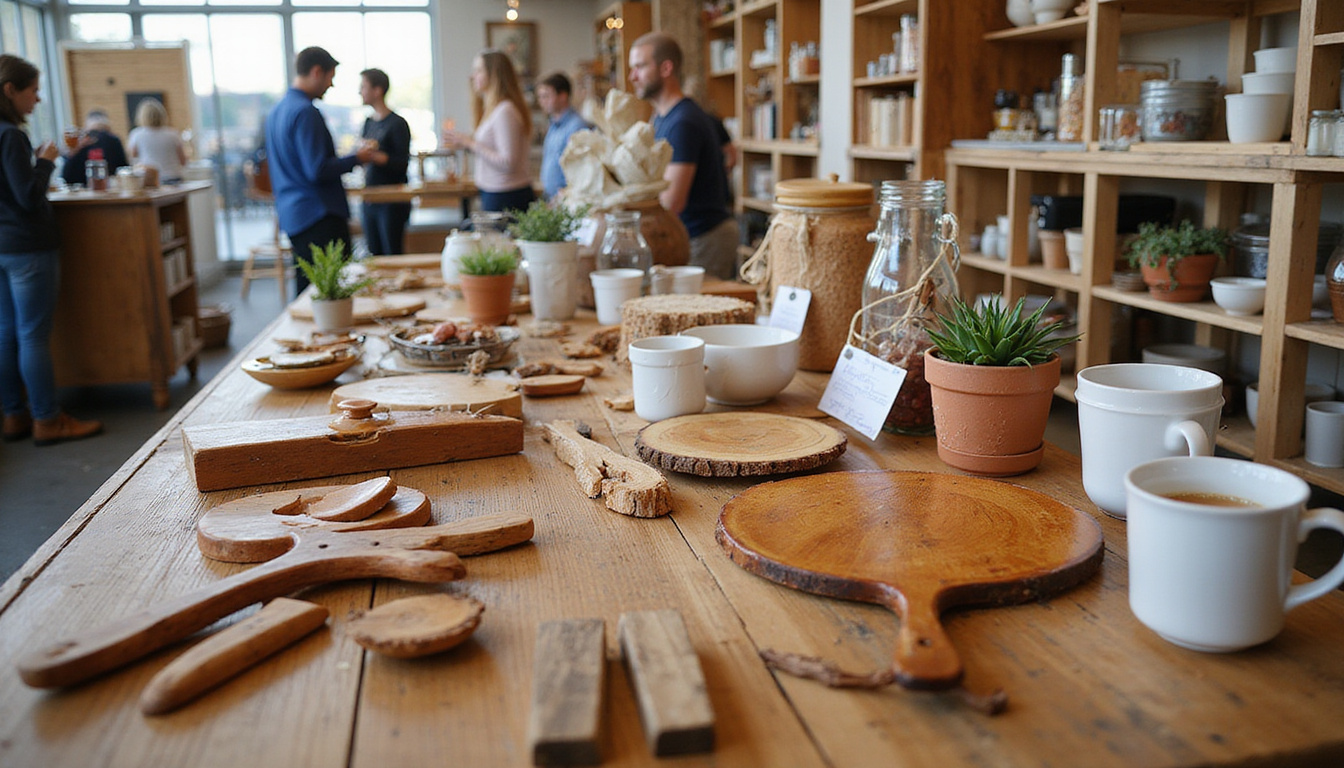
Boosting Value with Smart Design and Finishing Techniques
The difference between “scrap” and “premium reclaimed” is in the details. A few extra steps can significantly increase what customers are willing to pay.
Embrace the Imperfections
Don’t try to make reclaimed wood look brand new. Instead:
- Highlight nail holes and knots
- Use contrasting putty or leave small imperfections visible
- Mix different wood tones for visual interest
The story of your wood recycling process becomes part of the product’s appeal.
Use Thoughtful Finishes
Consider:
- Clear matte poly or oil to keep a natural look
- Water‑based poly for quicker drying and less odor
- Stain plus clear coat for richer color and better protection
- Food‑safe oils (like mineral oil) for boards or items used around food
Always test finishes on scrap pieces first.
Add Hardware and Functional Details
Simple hardware can dramatically raise perceived value:
- Black or brass handles on trays and shelves
- Quality hooks on coat racks and key holders
- Hidden wall mounts for a clean, floating look
- Felt pads on the underside of decor items
People pay more for pieces that are not only beautiful but also practical and ready to use.
How to Price and Sell Your Recycled Wood Creations
If you want your wood recycling hobby to generate regular income, treat it like a small business from the start.
Pricing Basics
Factor in:
- Material cost (even if most wood is free, include screws, glue, finish, hardware)
- Time spent (design, build, sanding, finishing, packaging)
- Overhead (tools, blades, sandpaper, electricity, shop rent if applicable)
- Market value (research similar items on Etsy, local markets, and online shops)
Aim for a price that covers costs and still pays you a fair hourly wage. You can always adjust as you learn what sells best.
Where to Sell
Consider a mix of:
- Online platforms: Etsy, Facebook Marketplace, Instagram Shops, your own website
- Local markets: Craft fairs, farmers markets, holiday bazaars
- Consignment and retail: Local boutiques, home decor shops, garden centers
Show before/after photos of your wood recycling process to give buyers a story they can connect with.
Branding and Presentation
- Use consistent labeling or tags with your logo and care instructions.
- Mention that you use reclaimed wood and note any eco‑friendly finishes.
- Take clear, well‑lit photos that show texture and scale.
People love the idea that they’re buying something both beautiful and environmentally responsible.
Practical Workflow Tips to Maximize Profit
To keep your recycled wood side hustle manageable and profitable:
- Batch your work: Cut and sand multiple pieces at once.
- Standardize sizes: Fewer custom dimensions means faster builds.
- Organize your scrap: Sort by length and thickness to grab what you need quickly.
- Track time: Know how long each item type takes so you can refine your pricing and process.
The more efficient your workflow, the more you earn per hour of effort.
Quick Checklist: Getting Started with Wood Recycling for Profit
Use this checklist as a starting point:
- Identify 1–3 simple products you want to make (e.g., shelves, trays, wall art).
- Source safe reclaimed wood from pallets, renovation sites, or old furniture.
- Invest in or gather basic tools (saw, sander, drill, clamps, safety gear).
- Create prototype pieces and refine your design and finish.
- Photograph your best work in good light with simple styling.
- List items for sale online or plan to attend a local market.
- Keep notes on what sells and which processes are most efficient.
FAQ: Common Questions About Wood Recycling for Home Goods
Q1: Is wood recycling profitable for small home businesses?
Yes. When you source most of your material from reclaimed wood, your primary costs become time, tools, and finishes. Focusing on repeatable, in‑demand home goods—like shelves, trays, planter boxes, and wall art—makes wood recycling a viable side hustle or even a full‑time micro‑business once you streamline your process.
Q2: What types of wood are best for recycled wood projects?
For recycled wood projects, look for solid hardwoods from old furniture (oak, maple, walnut), construction‑grade softwoods (pine, fir, spruce) from framing and pallets, and any clean, dry boards without rot or chemical treatments. Mixed‑species projects can be visually striking and emphasize the reclaimed nature of your products.
Q3: How can I market my reclaimed wood home goods effectively?
Highlight the sustainability angle and craftsmanship in your product descriptions, using phrases like “made from reclaimed lumber” or “crafted through careful wood recycling.” Share before/after photos of the original scrap and finished piece on social media, tell the story of where the wood came from, and target audiences that care about eco‑friendly decor—such as local eco‑shops, green living groups, and home design communities.
Transforming cast‑off boards into desirable home goods is more than just a craft—it’s a way to build a meaningful, profitable venture that reduces waste and fills homes with character. Start small: choose one or two simple product ideas, commit to learning the basics of safe wood recycling, and put your first pieces out into the world. With each shelf, tray, or planter you sell, you’re not only earning income—you’re giving old wood a new, valuable life. Now is the perfect time to grab those scraps, fire up your tools, and turn your recycling habit into a sustainable, income‑generating creative business.
Junk Guys Inland Empire
Phone: 909-253-0968
Website: www.junkguysie.com
Email: junkguysie@gmail.com