
If you’ve ever driven past a boarded-up home and wondered if there’s hidden money inside, you’re not wrong. With the right approach, an abandoned house cleanout can turn a dangerous eyesore into quick profit—while also eliminating serious health and safety risks. Whether you’re an investor, a new property owner, or a side-hustler looking for opportunity, there are repeatable steps you can follow to clean out abandoned homes fast and safely, and actually get paid for the work.
Why abandoned house cleanouts are a goldmine (and a liability)
Abandoned properties often scare people off: broken windows, bad smells, overgrown yards, maybe squatters or animals. But behind the mess, there are three big opportunities:
- Instant value-add to the property – A cleared, broom-clean interior dramatically raises perceived and real value for buyers, tenants, or lenders.
- Resellable items and scrap – From appliances and furniture to metals and random collectibles, there’s often cash sitting in the debris.
- Recurring niche business – Investors, banks, and estates constantly need reliable cleanout services—but there’s less competition than in typical junk removal.
The flip side: abandoned houses can be full of hazards—mold, needles, bio-waste, live electrical, structural problems, and potentially aggressive people or animals. You can make money, but only if you treat this like a professional operation.
Step 1: Confirm who owns the property—before touching anything
Before any abandoned house cleanout, you must be absolutely clear on ownership and permission. Entering without it can be trespassing.
How to verify ownership
- County assessor or property appraiser website
Search the address to find the legal owner (individual, bank, LLC, or estate). - County recorder / clerk of court
Check for foreclosure filings, probate cases, or tax liens that might indicate who controls access. - Real estate agent or investor contact
If you’re doing this for a flipper, lender, or wholesaler, get a signed work order or email agreement.
Never assume that a vacant or open house is “fair game.” Always have written permission to be on-site and to remove items. This protects you from legal issues if an heir or previous owner claims belongings later.
Step 2: Walk-through inspection: find hazards and hidden value
Do not show up with a crew and a big truck on day one. A smart abandoned house cleanout starts with a deliberate, low-speed walk-through.
Safety-focused initial walk
- Check structural issues: sagging floors, roof leaks, soft spots, big cracks.
- Look for signs of current occupancy: bedding, food, fresh trash, candles, drug paraphernalia.
- Identify utilities status: is the power on? Any exposed wires? Gas smell? Running water?
- Note biohazards: human/animal waste, needles, blood, heavy mold, or hoarder-level trash.
If you see issues beyond basic trash, talk to the owner about upgrading to hazard pay or bringing in a specialized remediation company. Mold and biohazard cleanup follow specific regulations in many areas (source: CDC – Mold Cleanup).
Quick value scan
At the same time, look for:
- Appliances (fridges, stoves, washers, dryers)
- Window units or HVAC components
- Solid wood or antique furniture
- Tools, yard equipment, and machinery
- Copper piping, aluminum, and other scrap metals
- Vintage items: records, signs, toys, mid-century décor
Photograph everything. These photos help you:
- Price your cleanout quote
- Negotiate “keep the contents” deals
- Market or appraise resale items later
Step 3: Structure the deal to get paid twice
The smartest way to profit from an abandoned house cleanout is to earn service fees and salvage value.
Common deal structures
-
Flat-fee cleanout plus disposal
- You charge one price to empty the property and handle dump fees.
- You keep anything of value unless otherwise agreed.
-
Tiered pricing (by volume or condition)
- Light cleanout: basic trash and minimal furniture.
- Medium: full house, some hazards, appliances, multiple dump runs.
- Heavy: hoarder level, biohazard, or structural hazards.
This protects you if the job is worse than it looks.
-
Low or no-fee cleanout in exchange for contents
- Good when owner has no cash but house is full of resellable items.
- Works especially well with estates or distant owners.
- Put in writing that you own all removed items.
-
Profit share on high-value finds
- If you expect collectibles, art, or vehicles, use an agreement like:
“You pay the cleanout fee; anything we sell over $X, we split 50/50.”
- If you expect collectibles, art, or vehicles, use an agreement like:
Whatever you choose, your agreement should cover:
- Scope (house only? garage? shed? yard?)
- Hazard exclusions (asbestos, structural repair, specialized mold)
- Timeline for completion
- Ownership of removed items
- Payment schedule (deposit, progress payments, final payment)
Step 4: Gear up—non-negotiable safety equipment
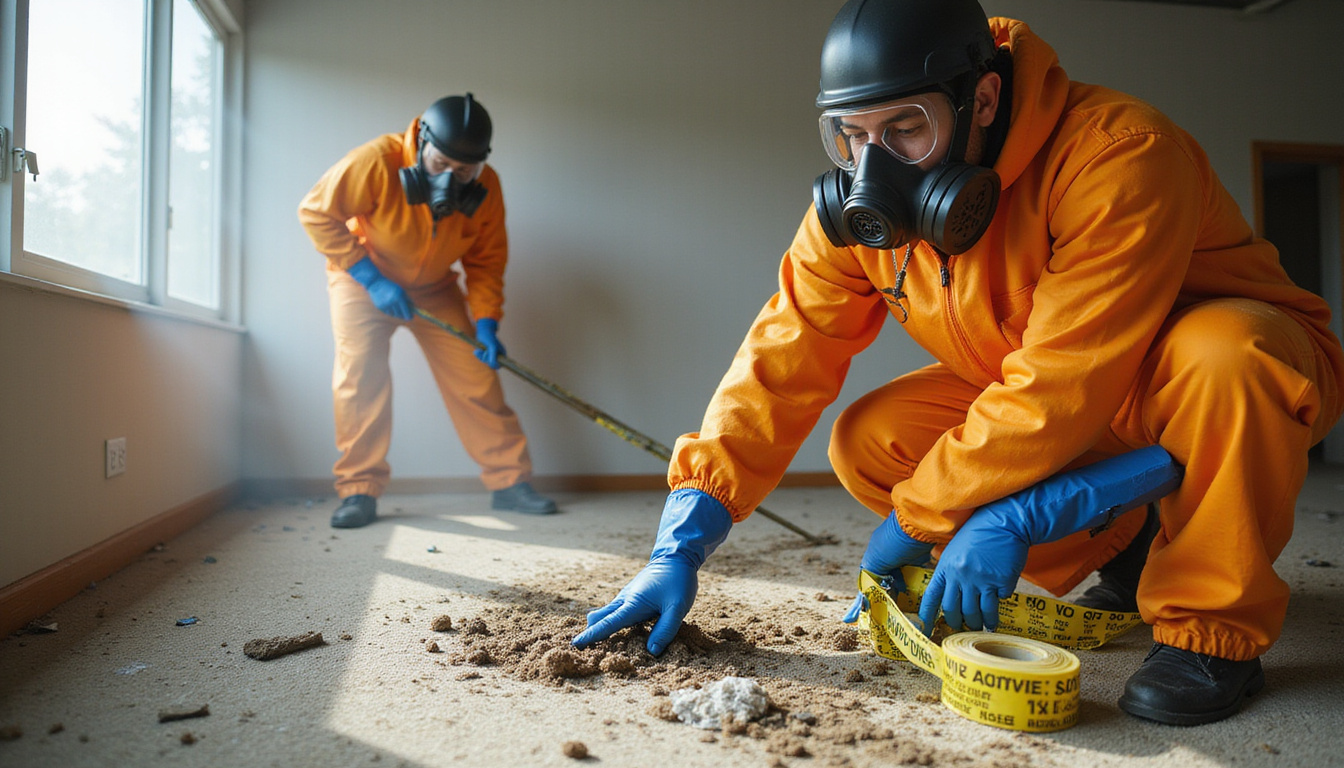
An abandoned house cleanout is not a casual “weekend declutter.” You need proper personal protective equipment (PPE), even for light jobs.
At minimum, bring:
- N95 or better respirators (or half-face respirator with filters)
- Heavy-duty nitrile or work gloves (keep spares)
- Steel-toe or thick-soled boots
- Safety glasses
- Disposable coveralls or work clothing you don’t care about
- Hard hat in older or structurally questionable buildings
- Flashlights / headlamps
Also carry a basic first-aid kit and a charged phone. If the house is truly rundown—or in a rough area—consider bringing a second person for safety.
Step 5: Cleanout strategy: fastest way from disaster to broom-clean
A chaotic approach leads to wasted time and higher costs. Use a simple, repeatable system for every abandoned house cleanout.
1. Clear access and staging areas first
- Start with the front yard, driveway, and entryway.
- Create zones: “trash,” “donate,” “sell,” “scrap metal,” and “hazard/bio.”
- If possible, park your truck or dumpster as close to the door as you safely can.
2. Go room by room—top down
Work in this order:
- Attic/upper floors
- Bedrooms and closets
- Bathrooms
- Kitchen
- Living/dining rooms
- Basement
- Garage and sheds
- Yard and exterior
Why top-down? Gravity. You don’t want dust and debris falling into areas you’ve already cleaned.
3. Sort fast, don’t overthink
As you move through the house, use a simple rule: touch it once. Decide immediately:
- Trash
- Donate / give away
- Keep for resale
- Scrap/recycle
- Needs special handling (paints, chemicals, sharps, biohazard)
The biggest profit-killer is getting bogged down in low-value items. You are not there to reminisce over every book or broken lamp.
Step 6: Turn “junk” into cash—what to resell and what to scrap
The hidden secret of an abandoned house cleanout is how much money you can make after the house is empty.
Items often worth reselling
- Appliances: even older ones can sell locally if working and clean
- Solid wood furniture: tables, dressers, bookshelves
- Tools: hand tools, power tools, garden tools
- Outdoor equipment: mowers, trimmers, snowblowers
- Vintage décor: lighting, mirrors, mid-century pieces
- Collectibles: records, older electronics, signage, toys, comics
List locally on Facebook Marketplace, Craigslist, OfferUp, or sell to used furniture and appliance stores.
Scrap metal that adds up
- Copper pipe and wire
- Aluminum window frames and gutters
- Steel shelving, bed frames, appliances (if not resellable)
- Old radiators and baseboard heaters
Separate metals by type. A few hundred pounds of mixed metal from one abandoned house cleanout can significantly boost your profit.
Step 7: Handling hazardous materials legally and safely
Abandoned houses often contain materials you can’t just toss in a dumpster.
Common problem items:
- Paints, solvents, and automotive fluids
- Pesticides and fertilizers
- Propane tanks
- Car batteries
- Fluorescent light tubes
- Sharps (needles, razor blades)
- Human or animal waste
Check your city or county’s household hazardous waste program. Many areas have free or low-cost drop-off days. Build this time and any fees into your quote.
For significant mold, animal carcasses, or suspected drug labs, do not attempt a DIY cleanup. Refer the owner to a certified remediation or biohazard company and adjust your scope accordingly.
Step 8: Speed tricks for faster, more profitable cleanouts
Time is money. The faster you can complete an abandoned house cleanout, the more jobs you can accept.
Use these proven tactics:
- Bring the right tools: dollies, hand trucks, moving straps, crowbars, reciprocating saw, contractor bags, shovels, rakes, and a broom.
- Bag small stuff, carry big stuff: fill heavy-duty bags for trash and small debris; don’t waste time boxing low-value items.
- Cut, don’t unscrew: if you’re removing cabinets or built-ins for dump, cut them out instead of gently disassembling.
- Schedule dumpster smartly: have it dropped the morning of day one and picked up right after you finish.
- Work in pairs or teams: one person sorts; one person moves; one person loads the truck or dumpster.
Even on your first job, operate like a business—track your hours, dump fees, fuel, and resale income so you know your true profit.
Building a cleanout business around abandoned houses
If you want to do this more than once, treat your abandoned house cleanout process like a specialized service, not just random junk hauling.
Who needs this service consistently?
- Real estate investors and flippers
- Banks and lenders handling foreclosures
- Property managers and landlords
- Estate attorneys and probate executors
- Code enforcement or city programs dealing with nuisance properties
Reach them by:
- Networking at investor meetups and REI groups
- Leaving cards with probate and real estate attorneys
- Partnering with real estate agents who handle distressed properties
- Posting before/after photos on social media and in local groups
Offer fast turnaround, photos documenting the cleanout, and clear pricing. Over time, you can become the go-to abandoned house cleanout specialist in your city.
Quick checklist: abandoned house cleanout essentials
Use this checklist before and during every job:
- [ ] Ownership verified and written permission obtained
- [ ] Utilities checked (power, gas, water)
- [ ] Walk-through completed; hazards and valuables noted
- [ ] Signed agreement with scope, pricing, and item ownership
- [ ] PPE packed (respirators, gloves, boots, eye protection)
- [ ] Tools and supplies ready (bags, dollies, basic tools, lights)
- [ ] Dumpster or disposal plan confirmed
- [ ] Sorting zones set up outside or in garage
- [ ] Resellable items separated and photographed
- [ ] Hazardous waste set aside for proper disposal
- [ ] Final broom-clean and photo documentation completed
Keep this list in your truck or on your phone so every abandoned house cleanout runs the same efficient way.
FAQ about abandoned house cleanouts
1. How much does an abandoned house cleanout cost on average?
Pricing for an abandoned house cleanout service varies by region, size, and condition of the property. A small, lightly filled house might run $500–$1,000, while a large, heavily trashed or hoarded property can easily cost $3,000–$10,000 or more. Hazardous materials, multiple dump runs, or biohazard work increase the price.
2. Can I keep items I find during an abandoned property cleanout?
Only if your agreement clearly states that all contents belong to you once removed. In many abandoned property cleanout jobs—especially with estates—owners are happy for you to take everything as long as the house ends up empty and safe. Always get this in writing to avoid disputes later.
3. Is it safe to DIY an abandoned home cleanout without professionals?
A simple abandoned home cleanout with light trash and no visible hazards may be doable for a handy owner wearing proper PPE. But if there’s heavy mold, needles, suspected drug activity, structural damage, or large amounts of animal/human waste, it’s safer and often cheaper long-term to hire a professional cleanout or remediation company that knows how to handle those risks.
Turn abandoned chaos into fast cash and clean, safe homes
Every boarded-up, trash-filled house in your area is a problem for neighbors—and an opportunity for you. With a systematic process for abandoned house cleanout, you can:
- Eliminate serious health and safety hazards
- Unlock hidden value in scrap and resellable items
- Add thousands in equity to neglected properties
- Build a dependable service business with repeat clients
If you’re ready to stop just driving past these opportunities and start profiting from them, start with one property: verify ownership, walk it carefully, make a clear offer, and document everything. From there, refine your system with each job.
Need help designing your first cleanout plan, pricing your services, or deciding what to resell vs. scrap? Reach out to a local real estate investor group or cleanout professional for guidance today—and turn the next abandoned house you see into your next paycheck instead of another neighborhood eyesore.
Junk Guys Inland Empire
Phone: 909-253-0968
Website: www.junkguysie.com
Email: junkguysie@gmail.com