Appliance decommissioning may sound simple—unplug, remove, and replace—but doing it wrong can lead to safety hazards, compliance issues, data breaches, and unexpected costs. Whether you’re a homeowner replacing a fridge, a facility manager upgrading HVAC systems, or an IT leader retiring old equipment in a data center, following a structured approach protects your budget, people, and the environment.
This guide walks through a practical, step-by-step checklist to help you avoid costly mistakes and stay compliant during appliance decommissioning.
What Is Appliance Decommissioning?
Appliance decommissioning is the process of safely retiring, removing, and disposing of electrical or mechanical equipment that has reached end-of-life or is being replaced. It covers:
- Household appliances (refrigerators, washers, dryers, ovens, AC units)
- Commercial equipment (kitchen ranges, dishwashers, coolers, laundry systems)
- Industrial systems (HVAC, chillers, boilers, compressors)
- IT and network gear (servers, storage, telecom racks—often grouped under “equipment decommissioning”)
Decommissioning isn’t just physical removal. Done correctly, it also includes:
- Isolating power, gas, and water safely
- Removing hazardous materials (refrigerants, oils, batteries)
- Ensuring environmental and regulatory compliance
- Documenting and tracking what’s removed and where it goes
- Managing resale, recycling, or certified destruction
Why Proper Appliance Decommissioning Matters
Cutting corners during appliance decommissioning can create serious—and expensive—problems. Key risks include:
1. Safety Hazards
- Electric shock and arc flash when circuits aren’t isolated properly
- Gas leaks from poorly capped lines
- Water damage and mold from uncapped water feeds
- Heavy-lift injuries and structural damage during removal
2. Regulatory and Environmental Penalties
Many appliances contain substances regulated by environmental laws, such as:
- Refrigerants (CFCs, HCFCs, HFCs) in AC units and refrigerators
- Oils and lubricants in compressors and pumps
- Heavy metals and batteries in certain equipment
In regions like the U.S., improper handling and venting of refrigerants can violate EPA Section 608 rules, leading to significant penalties (source: U.S. EPA – Stationary Refrigeration).
3. Data and Privacy Risks
For certain connected or “smart” appliances and IT-related equipment:
- Built-in storage can retain Wi-Fi credentials, user accounts, and usage logs
- Networked devices may store configuration files, IP addresses, or even customer data
Failing to wipe or destroy data-bearing components can create privacy and security risks.
4. Hidden Costs
- Extra labor and repeat visits if removal wasn’t planned properly
- Emergency repairs when something gets damaged in the process
- Fines or surcharges for contaminant leakage or improper disposal
- Lost resale or recycling value if equipment is damaged unnecessarily
A structured appliance decommissioning checklist prevents these issues before they start.
Step 1: Define Scope and Objectives
Before you touch anything, clarify what’s being decommissioned and why.
Ask:
- Which appliances or systems are being retired?
- Are they being replaced, consolidated, relocated, or simply scrapped?
- Are there uptime or business continuity requirements?
- Are there legal, environmental, or client obligations tied to this equipment?
Create a simple inventory, including:
- Asset ID or serial number
- Make, model, and type
- Location (room, rack, floor, building)
- Ownership (leased, owned, under contract)
- Notable hazards (refrigerants, gas, high voltage, data storage)
This information will drive planning, scheduling, and required specialists.
Step 2: Assess Risks, Regulations, and Permits
Every appliance decommissioning project should start with a quick compliance review.
Check Applicable Regulations
Depending on your region and equipment type, you may need to comply with:
- Environmental laws for refrigerants, oils, and hazardous waste
- E-waste and WEEE (Waste Electrical and Electronic Equipment) rules
- Building codes and fire safety regulations
- Occupational safety standards (e.g., OSHA in the U.S.)
For each appliance, identify:
- Does it contain refrigerants or coolants?
- Is there oil, fuel, or chemical storage?
- Is it hardwired, gas-fed, or connected to high-pressure lines?
- Does it qualify as hazardous or electronic waste?
Confirm Permits and Documentation
You might need:
- Permits for refrigerant recovery or disposal
- Waste manifests or chain-of-custody documents
- Certificates of destruction or recycling from third parties
- Landlord, facility, or local authority approvals for large removals
Skipping this step can derail a project late in the process or trigger fines.
Step 3: Plan Shutdown and Disconnection
A controlled shutdown prevents damage and safety incidents.
Create a Shutdown Plan
Document how each unit will be powered down:
- Normal shutdown: use manufacturer-recommended procedures
- Controlled cooling/warmdown for refrigeration or HVAC systems
- Safe draining for appliances connected to water lines or tanks
Coordinate with:
- Operations teams (to minimize disruption)
- Building management (for access, elevator use, after-hours work)
- IT or controls teams (for network-attached systems)
Schedule the Work
Plan around:
- Peak usage periods
- Seasonal loads (for HVAC and refrigeration)
- Maintenance windows or change-freeze periods in critical facilities
A well-timed shutdown reduces downtime and complaints.
Step 4: Isolate Utilities and Make Safe
Before physical removal, isolate all sources of energy and materials.
Key steps:
-
Disconnect electrical power
- Lockout/tagout according to your safety standards
- Confirm de-energization with appropriate testing tools
-
Shut and cap gas lines (if applicable)
- Use licensed gas professionals where required
- Pressure-test if needed to confirm no leaks
-
Isolate and drain water lines
- Turn off supply valves and relieve pressure
- Drain hoses, pumps, or tanks to avoid spills
-
Release or recover pressure
- Depressurize systems (air, steam, hydraulics) as required
- Never crack open a pressurized system without proper procedure
This is where many costly mistakes happen, especially if a hidden connection is missed.
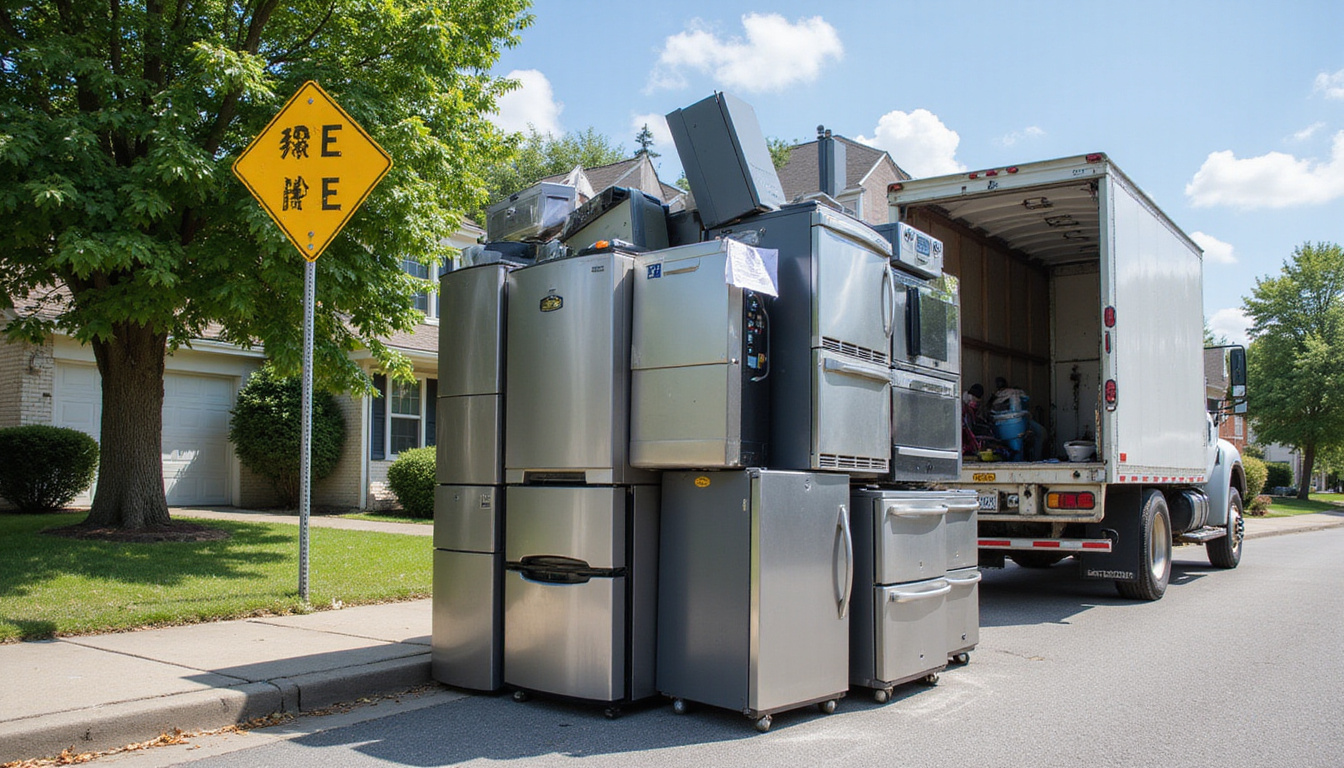
Step 5: Handle Hazardous Materials and Refrigerants
For many appliances, this is the most regulated part of the job.
Refrigerant Recovery
For fridges, freezers, and HVAC units:
- Use certified technicians for refrigerant recovery
- Capture and label recovered gases
- Keep recovery logs and certificates as proof of compliance
It’s illegal in many jurisdictions to intentionally vent refrigerants to the atmosphere, and fines can be substantial.
Oils, Coolants, and Chemicals
- Drain oils and lubricants into approved containers
- Label containers clearly (type, date, source)
- Store and transport according to hazardous waste rules
Batteries and Electronic Components
For appliances with backup batteries or smart controls:
- Remove batteries safely and segregate for recycling
- Treat circuit boards and controllers as e-waste where relevant
Good hazardous materials management protects the environment and greatly reduces liability.
Step 6: Protect Data and Network Security
Modern “smart” appliances and connected systems often store:
- Wi-Fi SSIDs and passwords
- Cloud account tokens
- User profiles and usage logs
- Configuration data for building automation or security systems
Before decommissioning:
- Factory-reset devices according to manufacturer instructions
- Remove them from management consoles or cloud dashboards
- Wipe or destroy any embedded storage (where feasible and required)
- Document serial numbers for your records
For IT-heavy environments (e.g., server room cooling systems with integrated controllers), align appliance decommissioning with your broader data destruction policies.
Step 7: Plan Removal, Transport, and Site Protection
Physical removal is where property damage and injuries most often occur.
Develop a Handling Plan
- Measure doorways, stairwells, and elevator capacities
- Determine if disassembly is needed before removal
- Plan routes to avoid high-traffic or sensitive areas
Protect the Site
Use:
- Floor protection (boards, mats, runners)
- Corner guards and wall protection in tight corridors
- Proper lifting equipment: dollies, pallet jacks, hoists
Ensure your team is trained in manual handling and understands the weight and center of gravity of each appliance.
Arrange Transport
- Use properly rated vehicles and restraints
- Separate hazardous components as required
- Ensure drivers understand any regulatory obligations for the load
A well-planned move prevents damage claims and schedule delays.
Step 8: Decide on Disposal, Recycling, or Resale
Not all decommissioned appliances are scrap. You may be able to recover value or reduce costs.
Options include:
- Refurbish and resell: for newer, still-functional units
- Donate: to charities, schools, or community organizations (if safe and compliant)
- Recycle: through certified e-waste, metal, or appliance recycling providers
- Scrap: for metal recovery when no other option exists
When choosing providers:
- Verify certifications and licenses
- Ask for proof of downstream handling (no illegal dumping or export)
- Obtain certificates of recycling or destruction where necessary
This supports ESG goals and can provide documentation for audits or sustainability reporting.
Step 9: Document Everything
Documentation turns ad-hoc tasks into a defensible, repeatable process.
Capture:
- Inventory of all decommissioned appliances
- Dates and times of shutdown, disconnect, and removal
- Names of technicians or contractors involved
- Serial numbers and asset IDs
- Refrigerant recovery logs and hazardous waste manifests
- Certificates of recycling, resale invoices, or destruction confirmations
This record:
- Proves regulatory compliance
- Supports internal audits and insurance requirements
- Helps with future planning and budgeting
Appliance Decommissioning Checklist
Use this quick checklist to avoid the most common and costly mistakes:
- Define scope and objectives
- Create a detailed asset inventory
- Review regulatory and safety requirements
- Obtain necessary permits and approvals
- Schedule shutdown and coordinate with stakeholders
- Safely power down equipment
- Isolate electricity, gas, water, and pressure sources
- Recover refrigerants via certified personnel
- Drain and contain oils, coolants, and other hazardous materials
- Remove or safely manage batteries and electronic boards
- Reset, wipe, or destroy data-bearing components
- Plan and prepare removal routes and site protection
- Use appropriate lifting and transport equipment
- Select and vet disposal, recycling, or resale partners
- Collect and store all documentation and certificates
Adapting this list for your specific facility and local regulations creates a robust appliance decommissioning standard.
FAQ: Appliance Decommissioning and Related Questions
Q1: What is the proper way to dispose of old appliances during decommissioning?
Proper appliance disposal during decommissioning involves recovering refrigerants and hazardous materials, isolating and capping utilities, and then sending the units to certified recyclers, refurbishers, or scrap processors. Always use licensed providers who can issue documentation proving compliant handling.
Q2: Are there special rules for commercial appliance decommissioning compared to residential?
Yes. Commercial appliance decommissioning usually involves stricter safety, environmental, and documentation requirements. Larger refrigerant charges, hardwired electrical connections, integration with building systems, and contractual obligations (such as leases or service agreements) often apply, requiring more planning and qualified contractors.
Q3: How can I make appliance removal and decommissioning more sustainable?
To make appliance removal and decommissioning more sustainable, prioritize reuse and refurbishment, choose certified recycling partners, maximize material recovery (metals, plastics, electronics), and ensure refrigerants and hazardous substances are captured and treated rather than vented or dumped. Document these actions to support your organization’s ESG and sustainability reporting.
Turn Decommissioning into a Strategic Advantage
When you treat appliance decommissioning as a structured process rather than a one-off chore, you cut risks, control costs, and protect both people and the planet. The essential checklist in this guide gives you a clear, repeatable framework—one you can adapt for homes, commercial buildings, or complex industrial and IT environments.
If you’re planning a decommissioning project or facing a large upgrade, now is the time to formalize your approach. Build your own version of this checklist, align it with local regulations, and set standards for contractors and internal teams. Taking these steps today can prevent accidents, penalties, and expensive surprises tomorrow—while unlocking value from safe recycling, resale, and responsible disposal.
Junk Guys Inland Empire
Phone: 909-253-0968
Website: www.junkguysie.com
Email: junkguysie@gmail.com