
If you’ve ever tried to move a broken fridge or haul an old washer down a narrow staircase, you know appliance disposal is no DIY picnic. That’s why appliance recycling pickup has become the go‑to solution for homeowners who want removal that’s fast, safe, and environmentally responsible. Instead of wrestling with bulky units, you can schedule a professional pickup, protect the planet, and often avoid paying landfill fees.
This guide explains how appliance recycling pickup works, what really happens to your old appliances, how to choose the best provider, and how to prepare for a smooth, stress‑free removal.
Why Appliance Recycling Pickup Matters
Old appliances are more than just eyesores in your garage or basement. They can be:
- Heavy and dangerous to move
- Loaded with refrigerants, oils, and other hazardous materials
- Energy hogs that cost you money when left plugged in
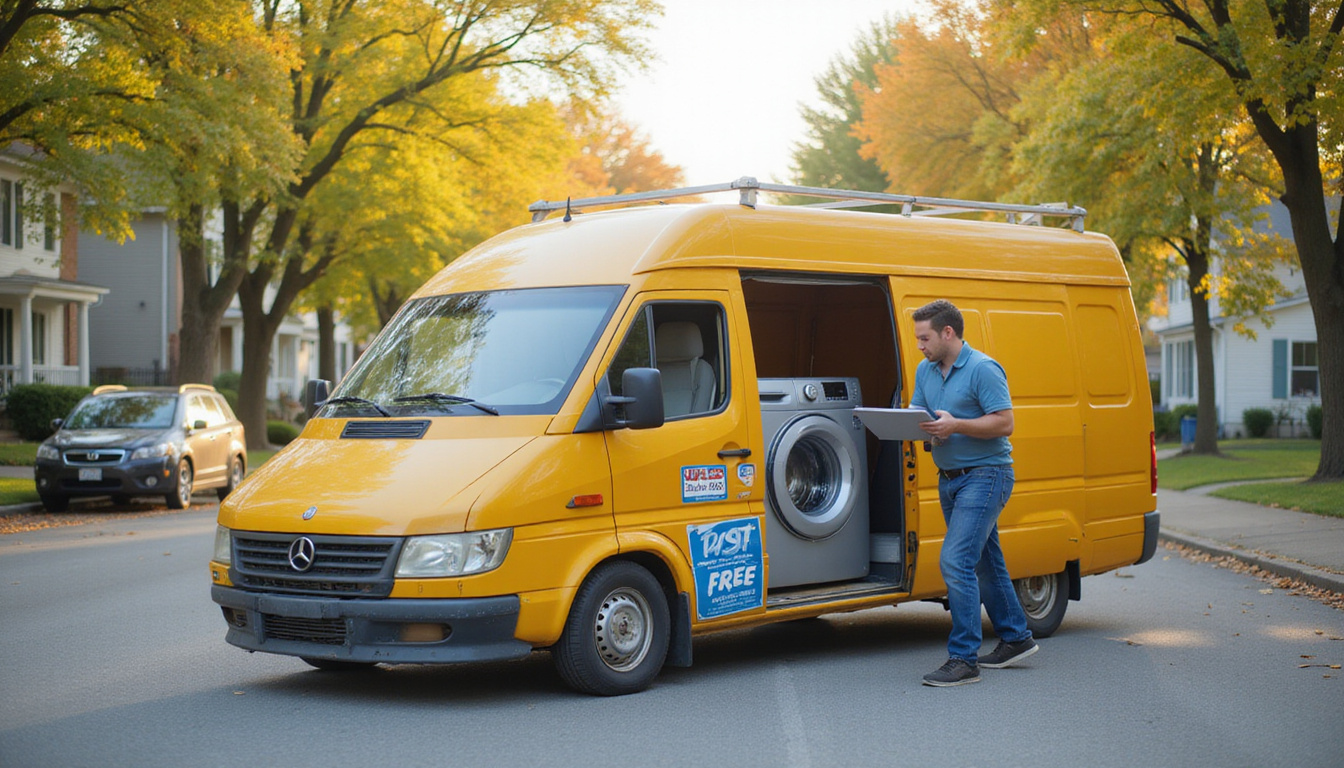
Professional appliance recycling pickup solves these problems in one step. A licensed team arrives at your home, removes the appliance safely, and delivers it to an approved recycling or de-manufacturing facility. There, metals, plastics, glass, and electronics are separated and reused instead of rotting in a landfill.
According to the U.S. EPA, recycling metals from discarded appliances and other sources saves significant energy and reduces greenhouse gas emissions compared with manufacturing new metals from raw ore (source: U.S. EPA). That means every refrigerator or stove you recycle is a real win for the climate.
What Happens During Appliance Recycling Pickup?
While details vary by company and location, a typical appliance recycling pickup follows this general process:
1. Scheduling Your Pickup
You contact a hauler or local program—often online or by phone—and provide:
- Your address and access details
- Appliance type and quantity
- Whether units are inside, outside, or in a basement/upper floor
- Any special concerns (stairs, narrow doors, etc.)
Many services offer flexible time windows, sometimes even same‑day or next‑day pickup.
2. Preparing the Appliance
Before your appointment, you’ll usually be asked to:
- Unplug and clear the appliance of food, water, or clothes
- Defrost freezers and fridges at least 24 hours in advance
- Disconnect water and gas lines (or request a tech who can do this)
- Secure or remove doors on refrigerators and freezers for safety
This preparation makes the pickup faster and reduces the risk of spills or damage.
3. Safe On-Site Removal
On the day of your appliance recycling pickup, the crew will:
- Verify the items and location
- Protect flooring as needed
- Use dollies, straps, and sliders for safe removal
- Navigate stairs and tight spaces without damaging your home
If the appliance is already curbside or in a driveway, the process is even quicker.
4. Transportation to a Recycling Facility
Once loaded, your appliances are taken to:
- A specialized appliance recycler
- A scrap metal yard that partners with certified facilities
- A municipal recycling center
Reputable services prioritize sites that follow environmental rules for handling refrigerants, oils, and other chemicals.
5. De-manufacturing and Material Recovery
At the facility, appliances are typically:
- Drained of refrigerants and hazardous fluids by trained technicians
- Disassembled into major components
- Shredded and sorted into metal, plastic, glass, and electronic fractions
Recovered materials are then sold to manufacturers to be made into new products, conserving natural resources and reducing pollution.
Which Appliances Can Be Recycled?
Most major household appliances can be accepted in a typical appliance recycling pickup program, including:
- Refrigerators and freezers
- Washers and dryers
- Dishwashers
- Ovens, stoves, and ranges (gas or electric)
- Microwaves
- Window and portable air conditioners
- Dehumidifiers
- Water heaters
- Trash compactors
Some companies will also take:
- Built-in or commercial-grade units
- Wine coolers and beverage fridges
- Range hoods and ventilation equipment
Always confirm accepted items when you schedule—certain small appliances or heavily damaged units may have special rules.
The Environmental Benefits of Recycling Appliances
Choosing appliance recycling over landfill disposal makes a measurable difference.
Reduces Landfill Waste
Large appliances are bulky and long‑lasting. Sending them to a landfill wastes valuable space and locks up metals and plastics that could be reused. Recycling allows those materials to reenter the manufacturing cycle.
Prevents Hazardous Leaks
Many appliances contain substances that can harm air, soil, or water if not handled properly:
- Refrigerants (CFCs, HCFCs, HFCs) in fridges, freezers, and ACs
- Oils and lubricants in compressors
- Mercury switches or PCB capacitors in older models
A certified appliance recycling pickup provider ensures these are captured and disposed of according to regulations.
Saves Energy and Cuts Emissions
Producing metals from recycled scrap uses far less energy than mining and refining virgin ore. As the EPA notes, recycling reduces greenhouse gas emissions, conserves natural resources, and supports jobs in the recycling and manufacturing industries (source).
Your decision to recycle an appliance helps reduce demand for high‑impact mining and smelting operations.
Free vs. Paid Appliance Recycling Pickup
You’ll find a mix of free and fee‑based options. Understanding the difference can help you choose the best fit.
Free Appliance Recycling Programs
Common sources of free pickup include:
- Utility company programs offering rebates for old, working fridges or freezers
- Manufacturer or retailer take-back when you buy a new unit
- Municipal bulky waste collection days or scheduled curbside pickups
- Scrap metal recyclers that pick up certain appliances for the salvage value
These programs often have rules:
- Only specific appliances (commonly refrigerators and freezers)
- Must be in working condition
- Limit on number of units per household per year
- Specific pickup locations (curbside vs. inside your home)
Paid Junk Removal and Recycling Services
Professional junk haulers and specialty recyclers usually:
- Take a much wider range of appliances
- Remove items from anywhere in your home
- Offer tighter time windows or same‑day service
- Handle multiple items and other junk at once
Fees depend on:
- Number and type of appliances
- Accessibility (stairs, tight spaces, distance from vehicle)
- Your location and local disposal costs
If convenience, whole‑home cleanout, or complex access are priorities, a paid appliance recycling pickup service may be the easiest choice.
How to Choose a Reliable Appliance Recycling Pickup Service
Not all providers are equal. To avoid headaches or environmentally questionable practices, vet companies before you schedule.
Use this quick checklist:
-
Licensing and Insurance
- Are they licensed to operate in your area?
- Do they carry liability and workers’ comp insurance?
-
Recycling and Disposal Practices
- Do they state that appliances are recycled, not just landfilled?
- Can they name the facilities or general process they use?
-
Environmental Compliance
- Are they familiar with refrigerant recovery rules (e.g., Section 608 in the U.S.)?
- Do they mention certified technicians for handling CFCs/HCFCs/HFCs?
-
Transparent Pricing
- Do they provide clear, upfront quotes (flat rate, per item, or volume)?
- Are there extra fees for stairs, heavy items, or same‑day service?
-
Customer Reviews and Reputation
- Are reviews positive about punctuality and care for property?
- Do customers confirm items were actually recycled?
-
Service Scope
- Will they remove items from inside your home, or only curbside?
- Can they handle multiple appliances and other junk in one visit?
Taking a few minutes to ask these questions helps ensure your appliance recycling pickup is both convenient and genuinely eco‑friendly.
How to Prepare Your Home for Appliance Pickup
A little prep work minimizes risks and speeds up the visit.
-
Clear pathways:
Move furniture, rugs, and clutter away from the route to the door. -
Secure pets and kids:
Keep them in another room so movers can work safely. -
Check measurements:
Make sure appliances can fit through doors and hallways; remove doors if needed. -
Turn off connections in advance:
Shut off water, gas, and electricity to the unit unless your provider offers this service. -
Address parking and access:
Reserve driveway space and mention any access challenges when booking.
These simple steps reduce the chance of damage to your floors, walls, or the appliance itself during removal.
Alternatives to Recycling Pickup: Reuse, Donation, and Resale
Before you schedule appliance recycling pickup, consider whether your appliance still has useful life left.
Donate Working Appliances
If the unit is in good, safe working condition:
- Contact local charities, shelters, thrift stores, or community centers.
- Some organizations offer free pickup for large donations.
- Get a donation receipt for possible tax benefits.
Sell or Give Away
Options include:
- Online marketplaces and local classifieds
- Neighborhood social media groups
- “Free” curb alerts where allowed by local rules
Be honest about the appliance’s age, condition, and any issues.
Upcycle or Repurpose Components
Creative DIYers sometimes repurpose:
- Washer drums as fire pits or planters
- Fridge shelves as storage racks
- Motor components for hobby projects
If none of these options are practical, recycling pickup remains the most responsible end-of-life choice.
FAQ: Appliance Recycling Pickup and Disposal
1. How does free appliance removal and recycling work?
Many utility companies, municipalities, and retailers offer free appliance removal and recycling for specific items—commonly older but working refrigerators and freezers. You schedule a pickup, meet eligibility criteria (such as age and size of the unit), and they haul it away to an approved recycling facility at no cost. Availability and rules vary by region and program.
2. Can I get refrigerator recycling pickup from my local waste service?
In many areas, local waste authorities or contracted haulers provide refrigerator recycling pickup as part of bulky-item collection. Some require curbside placement and charge a small fee to cover refrigerant recovery; others include one or two large-item pickups per year in your regular bill. Check your city or county website for details and scheduling.
3. What’s the safest way to handle old appliances before a recycling pickup?
Before your appliance haul away and recycling appointment, unplug the unit, let it cool or defrost, and disconnect all water or gas lines. Avoid cutting refrigerant lines or attempting to drain fluids yourself—this can be dangerous and illegal. Leave sealed systems and chemical removal to certified technicians at the recycling facility or pickup service.
Ready for Fast, Free, Eco-Friendly Appliance Removal?
That old fridge in the garage or the broken washer in the basement doesn’t have to be a permanent fixture—or a burden on the environment. With professional appliance recycling pickup, you can:
- Clear out bulky, unwanted items in a single visit
- Protect your home and health with safe, insured removal
- Support responsible recycling that conserves resources and cuts emissions
Don’t let outdated appliances hog your space or end up in a landfill. Contact a reputable appliance recycling pickup provider in your area today, schedule a convenient appointment, and turn your clutter into an eco‑friendly success story.
Junk Guys Inland Empire
Phone: 909-253-0968
Website: www.junkguysie.com
Email: junkguysie@gmail.com