
If you’re handy, love a good bargain, or want a practical side hustle, appliance refurbishing can be an excellent way to turn old washers, dryers, fridges, and stoves into real income. With a modest toolkit, a bit of learning, and a smart system, you can buy broken or outdated appliances, repair and clean them, then resell them for a healthy profit.
This guide walks you step by step through how to start, what to buy, how to repair safely, and where to sell–even if you’re new to tools and troubleshooting.
What Is Appliance Refurbishing?
Appliance refurbishing is the process of:
- Buying or acquiring used or broken household appliances
- Diagnosing and repairing mechanical or electrical issues
- Deep cleaning and cosmetically refreshing the unit
- Testing for safe, reliable operation
- Reselling the appliance with an honest description and basic warranty
Unlike simple “flipping,” refurbishing adds real value. You’re not just reselling; you’re extending the life of equipment and reducing waste, which is good for both profit and the environment.
Why Appliance Refurbishing Is a Profitable Side Hustle
Several factors make appliance refurbishing attractive:
- High replacement cost for buyers: New refrigerators, washers, and dryers can cost hundreds or thousands of dollars. Many people gladly pay much less for a refurbished model that works reliably.
- Low acquisition cost for you: Broken or unwanted appliances are often cheap—or even free—if you can pick them up and haul them away.
- Consistent demand: People move, rentals turn over, and appliances fail year-round. Landlords, students, families, and budget-conscious buyers always need replacements.
- Scalable operation: You can start with one or two units in a garage and scale up to a part-time or full-time business as your skills and processes improve.
Appliance refurbishing sits at a profitable intersection of DIY repair, sustainability, and local demand.
Getting Started: Tools, Skills, and Workspace
You don’t need a fully equipped workshop to begin, but a few basics are essential.
Essential Tools
At minimum, plan on:
- Screwdriver set (Phillips, flathead, nut drivers)
- Socket set and ratchet
- Adjustable wrench and pliers (including needle-nose and slip-joint)
- Multimeter (for electrical testing)
- Putty knife / scraper (for opening panels, cleaning gaskets)
- Cordless drill/driver
- Shop vacuum and cleaning brushes
- Basic safety gear: gloves, safety glasses, dust mask
For more advanced work, you may eventually add a dolly with straps, appliance hand truck, soldering iron, and specialized tools like a coil brush or thermal probe.
Skills You Should Develop
You do not need to be an electrician or HVAC technician to start refurbishing basic appliances, but you should build:
- Basic electrical understanding (continuity, voltage, grounding)
- Reading wiring diagrams and schematics (for common appliances)
- Mechanical troubleshooting (identifying worn belts, bearings, pumps)
- Safe disassembly and reassembly procedures
- Effective cleaning and cosmetic repair (removing rust, polishing, touch-up)
Manufacturer service manuals and repair websites like Repair Clinic and AppliancePartsPros are invaluable for step-by-step instructions. Many brands also publish service information and diagrams online (source: U.S. Department of Energy – Appliance Resources).
Workspace Considerations
An ideal workspace for appliance refurbishing:
- Has a flat, dry floor (garage, shed, or small workshop)
- Provides access to 120V and 240V outlets to test different appliances
- Includes good lighting and ventilation
- Has enough room to move and tip units safely
Even a single-car garage is adequate to start with 2–4 appliances at a time.
Sourcing Used Appliances at Low Cost
Your profit hinges on buying right. Aim to pay as little as possible for units you can confidently fix.
Best Places to Find Appliances
-
Local classifieds and marketplace apps
Facebook Marketplace, Craigslist, OfferUp, and Nextdoor often have “broken” appliances cheap or free if you pick them up. -
Property managers and landlords
They frequently replace appliances in rentals and may be glad to have someone haul away their old units regularly. -
Scrap yards and recyclers
Some yards stock appliances that are too good to scrap outright. Build a relationship; you might get first pick. -
Moving sales and estate sales
People moving out of state or liquidating a property will sell appliances quickly at low prices.
What to Look for When Buying
You’re looking for the sweet spot: common problems that are simple and cheap to fix.
Prioritize:
- Units under 10–12 years old for major appliances
- Popular, mainstream brands (easier to find parts)
- Clear owner descriptions like “doesn’t drain” or “no cool” instead of “no idea what’s wrong”
- Appliances that are cosmetically decent (no major dents, heavy rust, or broken doors)
Avoid:
- Severe rust-through on tubs or cabinets
- Burn marks, melted wires, or evidence of serious electrical issues
- Refrigerators with unknown compressor problems (these can be expensive and specialized to repair)
- Units that were submerged in floods
High-ROI Appliances to Refurbish
Some appliances are easier for beginners and offer better predictable returns.
Top Starter Categories
-
Top-Load Washing Machines
- Common issues: bad lid switches, worn belts, drain pump failures, clogged hoses
- Pros: Relatively easy to open and diagnose; parts are cheap and widely available
-
Electric Dryers
- Common issues: broken heating element, thermal fuse, belt or idler pulley
- Pros: Simple design; excellent for learning electrical troubleshooting
-
Dishwashers
- Common issues: clogs, bad drain pumps, door latch issues, simple control problems
- Pros: Light to handle; low part cost
-
Electric Ranges
- Common issues: burned-out elements, bad igniters, failed thermostats
- Pros: Few moving parts; problems are usually straightforward
Refrigerators and gas appliances can be profitable but require more advanced understanding of sealed systems and gas safety; consider them a second phase in your appliance refurbishing journey.
Basic Refurbishing Process: Step by Step
A consistent process protects you from mistakes and keeps your refurbishing efficient.
1. Initial Assessment
Before you load an appliance or pay the seller:
- Confirm the model and serial number
- Ask about the unit’s age and specific symptoms
- If possible, test it on-site (power it up, listen for noises, check for leaks or error codes)
- Snap a few photos for reference
Estimate whether the likely repair cost + your time + transport will leave room for profit.
2. Safe Disassembly and Diagnosis
Once in your workspace:
- Unplug the appliance (and shut off water/gas where applicable)
- Remove accessible panels: back covers, top panels, kick plates
- Visually inspect for:
- Loose or broken wires
- Burn marks on boards or connectors
- Leaks, rust, and physical damage
- Use your multimeter to test key components:
- Fuses and thermal cutoffs
- Heating elements and motors
- Switches and sensors
Always reference the wiring diagram (usually hidden behind a panel) and a service manual or online guide for that specific model.
3. Replace or Repair Components
Once you’ve identified the fault:
- Order OEM or high-quality aftermarket parts from reputable suppliers
- Compare prices across multiple vendors
- Consider whether combining parts (e.g., replace belt, idler pulley, and rollers together) prevents future callbacks
Always retest components as you reinstall them to confirm continuity and proper connection.
4. Deep Cleaning and Cosmetic Improvement
A clean, fresh-looking appliance is dramatically easier to sell.
Focus on:
- Removing lint, dust, and pet hair from internal compartments
- Cleaning gaskets and seals (especially on washers and fridges)
- Deodorizing interiors with mild cleaners and baking soda solution
- Scrubbing control panels and knobs
- Using touch-up paint on chips or minor rust spots
- Polishing stainless steel with appropriate cleaners
Do not leave detergent residue, strong chemical smells, or visible grime; buyers judge heavily on appearance.
5. Testing and Quality Control
Before you list the appliance:
- Run full cycles under load (washers, dryers, dishwashers)
- Check for leaks, abnormal noises, and error codes
- Verify temperature (ovens) and proper function on all settings
- For fridges: allow 24 hours to stabilize and check freezer and fridge temp
Document what you’ve repaired and tested; this becomes part of your listing and simple “warranty” for the buyer.
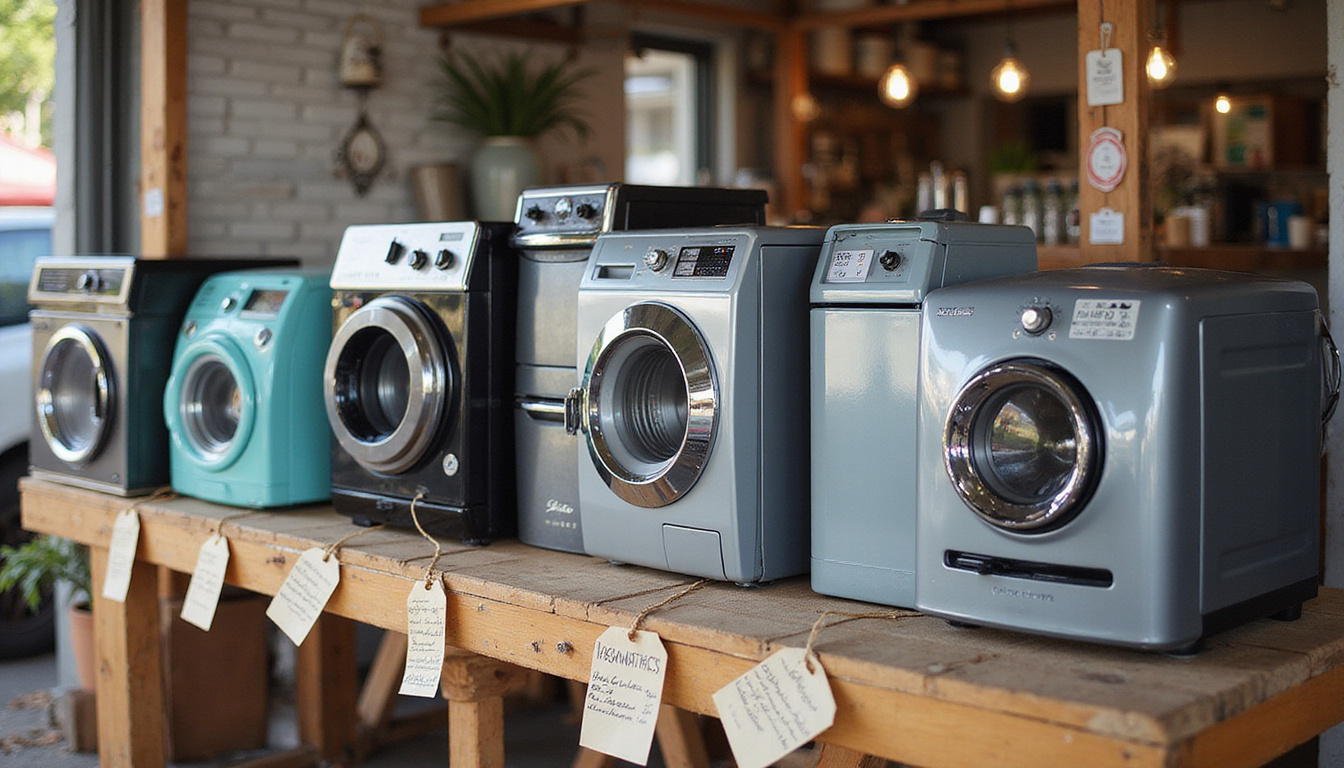
Pricing and Profit Margins
Your goal is to offer a clear value vs. new appliances while leaving room for your time and risk.
A common approach:
- Add up: purchase price + parts + any transport costs
- Decide a minimum hourly rate you want for your time
- Research comparable used listings in your area
As a general rule of thumb:
- Used refurbished: 30–60% of the cost of a comparable new model, depending on age, brand, and condition
- Profit per unit: Many small refurbishers aim for $75–$300 profit per appliance, depending on complexity and market
Be honest about age and condition but emphasize the repairs you’ve performed and that the unit has been tested.
Where and How to Sell Refurbished Appliances
Selling is where you realize the value of your appliance refurbishing efforts.
Best Channels to Sell
- Facebook Marketplace: High visibility and local reach
- Craigslist / OfferUp: Good for price-sensitive buyers
- Local buy/sell groups: Especially helpful in smaller towns or regions
- Direct to landlords and property managers: Build repeat customers for rental turnovers
What to Include in Your Listing
Make your listings stand out with:
- Clear, well-lit photos from multiple angles
- Model number, brand, and approximate age
- Detailed list of repairs performed and parts replaced
- Testing performed (“Ran full wash cycle,” “Heats on all settings,” etc.)
- Delivery and haul-away options (you can charge extra for these)
- Simple guarantee, such as “14-day repair or replace warranty on functionality”
Buyers feel more confident when they see you’ve done genuine refurbishing, not just a quick wipe-down.
Safety and Legal Considerations
Taking safety seriously protects you and your buyers.
Personal and Electrical Safety
- Always unplug before opening panels or touching wiring
- Use a multimeter instead of guessing about live wires
- Respect 240V circuits; they can be dangerous if mishandled
- For gas appliances, if you’re not fully comfortable, partner with a licensed pro
Handling Refrigerants and Hazardous Materials
For refrigerators and freezers:
- Breaking into the sealed system releases refrigerant; in many places, this work is regulated and requires certification.
- If you scrap a unit, many areas require proper refrigerant recovery.
Learn your local rules about refrigerant handling and disposal.
Basic Business Setup
If you scale your appliance refurbishing beyond a casual side hustle, consider:
- Registering a simple business (LLC or similar)
- Tracking income and expenses for taxes
- Liability insurance, especially if delivering and installing heavy appliances
- Local regulations about operating from home and secondhand sales
Simple Starter Checklist for New Refurbishers
Use this quick list when you’re just getting started:
- Acquire basic tools and safety gear
- Choose 1–2 appliance types to focus on (e.g., washers and dryers)
- Study 3–5 common models and their typical failures
- Source your first unit cheaply or free
- Diagnose with service manual + multimeter
- Order and install needed parts
- Deep-clean and cosmetic touch-up
- Test thoroughly under real conditions
- Create a detailed, honest listing with good photos
- Deliver and support a short basic warranty
Repeat this process, refining each step as you gain experience and confidence.
FAQ: Appliance Refurbishing and Resale
1. Is appliance refurbishing profitable for beginners?
Yes, appliance refurbishing can be profitable even at a small scale if you buy cheaply, focus on common models, and learn basic repairs. Start with simple electric dryers and top-load washers, where parts are inexpensive and typical profit margins of $75–$150 per unit are realistic.
2. What appliances are easiest to start refurbishing with?
For people new to appliance reconditioning, electric dryers, basic top-load washing machines, and dishwashers are the easiest. They have straightforward designs, abundant parts, and many free tutorials and manuals available online.
3. Do I need a license or certification to refurbish and resell appliances?
In many areas, you do not need a special license just to refurbish and resell standard appliances. However, working with refrigerants (refrigerators, freezers, some AC units) or gas lines may require certifications or compliance with local codes. Always check your local regulations before scaling your appliance refurbishing operation.
Appliance refurbishing is one of those rare opportunities where practical skills, environmental benefits, and solid profit all align. With a bit of learning and a systematic approach, you can turn “junk” washers, dryers, stoves, and dishwashers into a steady income stream—while helping families and landlords get affordable, reliable appliances.
If you’re ready to get started, pick one appliance type, source a low-risk unit this week, and walk through the refurbishing steps in this guide. As your skills and confidence grow, so will your profits. Now is the perfect time to turn old appliances into a real, sustainable business.
Junk Guys Inland Empire
Phone: 909-253-0968
Website: www.junkguysie.com
Email: junkguysie@gmail.com