
If you’ve ever stared at a garage full of “stuff” and wondered what to do with it all, you’re not alone. From old furniture to broken electronics, bulk item recycling is one of the most confusing parts of decluttering. The good news: with a little strategy, you can clear space, help the planet, support charities, and even make some extra money.
This guide walks you through where to donate, how to haul, and smart ways to profit from bulky items of all kinds.
What counts as bulk items, really?
Before you map out your bulk item recycling plan, it helps to know what actually qualifies as “bulk.”
Common bulk items include:
- Furniture: sofas, mattresses, bed frames, desks, dressers, bookshelves
- Appliances: refrigerators, washers, dryers, stoves, dishwashers
- Electronics: TVs, large monitors, printers, stereo systems
- Outdoor & garage: grills, lawn mowers, bikes, large toys, exercise equipment
- Construction & home improvement waste: doors, cabinets, sinks, bathtubs
Most of these items can’t simply be tossed in your curbside bin. Many cities have rules about how, when, and where you can dispose of large items—and often, those rules are designed to encourage recycling and re-use.
Step one: sort, assess, and plan
The fastest way to turn a chaotic pile into a manageable bulk item recycling project is to sort everything into clear categories:
-
Reusable & donation-ready
Items that are clean, safe, and fully functional. -
Repairable or part-out
Needs a minor fix, or has components that are valuable (e.g., a broken bike with good wheels, an appliance with a working motor). -
Recycle-only
Damaged, unsafe, or at end-of-life, but with recyclable materials (metal frames, e-waste, etc.). -
Landfill as last resort
Items that are unsafe, contaminated, or not accepted by local recyclers (heavily moldy furniture, certain mixed-material goods).
This quick triage lets you decide what to donate, what to list for sale, what to send to specialized bulk item recycling programs, and what you may unfortunately have to discard.
Donation strategies: give bulky items a second life
Many bulky items are still useful. Donating them supports your community, reduces landfill waste, and can offer tax benefits.
Where to donate furniture and household goods
For large, usable items in good condition:
-
Local thrift stores and nonprofit resellers
Organizations like Habitat for Humanity ReStores, Goodwill, and Salvation Army often accept furniture, appliances, and household goods. Some even offer free pickup for larger donations. -
Shelters and community organizations
Domestic violence shelters, refugee resettlement groups, and transitional housing programs often need beds, dressers, and tables. Call ahead—needs and storage capacity change frequently. -
Buy-nothing and local gifting groups
Neighborhood Facebook groups, Buy Nothing Project communities, and local apps are a powerful way to re-home bulky items quickly, especially odd items that charities can’t store.
Tips for donation-focused bulk item recycling:
- Clean items and remove pet hair, odors, or stains.
- Disassemble large pieces (bed frames, modular sofas) if needed for transport.
- Take clear photos and measurements if you’re arranging a pickup or gifting online.
Hauling options: from DIY to full-service junk removal
Once you know what’s reusable and what’s not, you need a hauling plan. The right approach depends on your budget, time, and how much you’re moving.
1. DIY bulk hauling
If you have access to a truck or trailer, DIY hauling can keep your bulk item recycling costs low.
-
Drop-off at local recycling centers
Many cities run transfer stations or recycling depots that accept metal, appliances, e-waste, and sometimes furniture. Fees are often lower than private haulers. -
Scrap yards and metal recyclers
Metal bedframes, exercise equipment, and broken appliances often contain recyclable steel, aluminum, or copper. Some facilities pay by weight, which can offset your fuel costs. -
Municipal bulky item events
Some municipalities host free or low-cost “bulk drop-off days” or offer curbside bulk pickup by appointment. Check your city’s website or solid waste program for details.
2. Renting a dumpster or bag-style container
If you’re clearing an entire house, estate, or renovation site:
- Temporary dumpster rental is ideal for large volumes. Choose separate piles for metal, clean wood, and general junk to maximize recycling.
- Bag-style containers (large, foldable bags picked up by crane truck) work well for smaller jobs or tight driveways.
Ask the provider what portion of the contents they recycle vs. landfill.
3. Full-service junk removal and bulk item recycling
For convenience, you can hire a full-service junk removal company. They:
- Provide labor to remove items from your home
- Sort for donation, recycling, and disposal
- Haul everything away in one visit
When you book, ask:
- Do you donate usable items?
- What percentage is recycled vs. landfilled?
- Can you provide a list or receipt for donated goods?
Choosing a company that prioritizes reuse and bulk item recycling keeps your environmental impact lower while saving you time and effort.
How to profit from bulk item recycling and resale
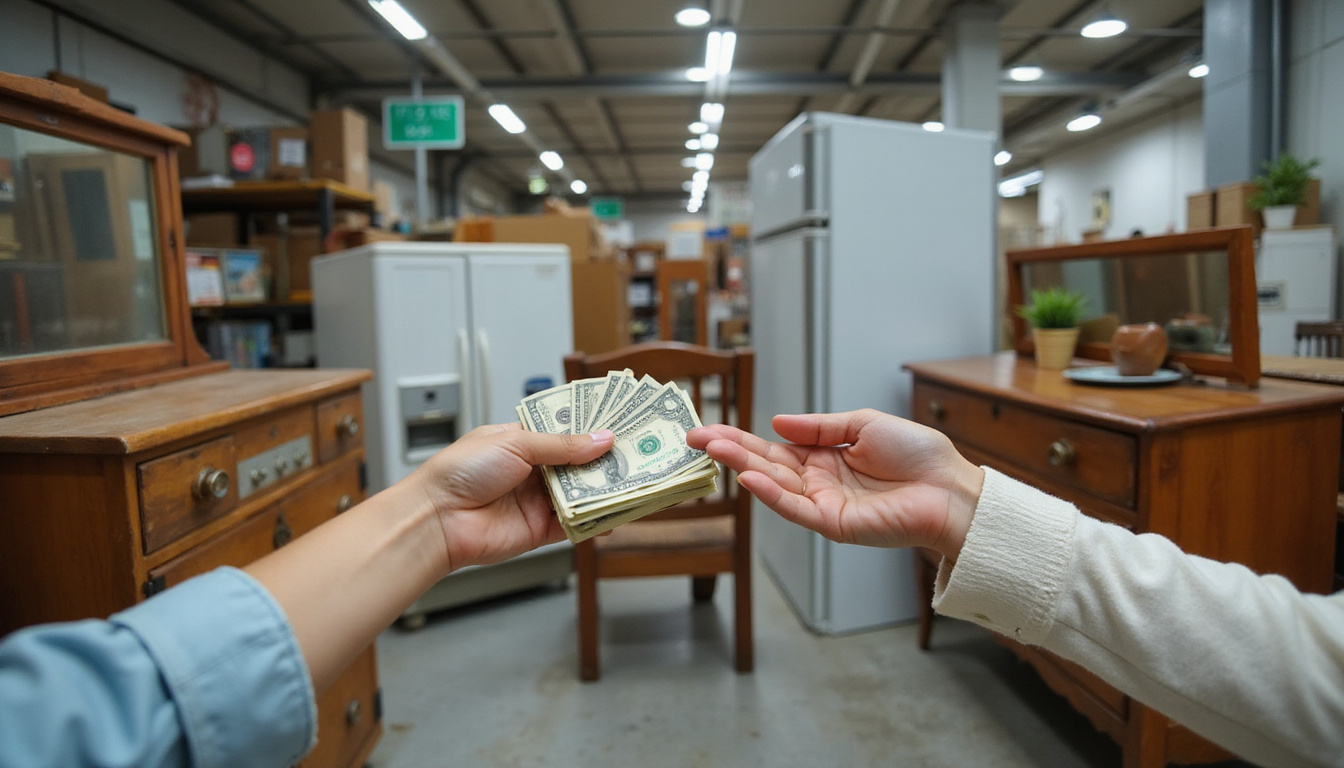
Bulk items aren’t just “junk”—many have real value. With strategic reselling and smart recycling, you can turn a cleanup into a small revenue stream.
Sellable categories to look for
-
Furniture
Solid wood pieces, mid-century styles, and quality dining sets often sell quickly, even if they need minor refinishing. -
Appliances
Working or repairable washers, dryers, stoves, and fridges can bring in good money, particularly in rental-heavy areas or college towns. -
Collectibles & vintage items
Old trunks, metal filing cabinets, industrial carts, and vintage lighting are popular with DIYers and interior designers. -
Scrap metal & e-waste
Broken appliances, exercise machines, and electronics can be harvested for metal and components. Some recyclers and e-waste centers pay per pound.
Where to sell bulky items
- Online marketplaces: Facebook Marketplace, Craigslist, OfferUp, Nextdoor
- Specialized resale apps: For decor and vintage, consider apps focused on home goods or antiques
- Local consignment and used furniture stores: They may pick up higher-end pieces
- Garage and yard sales: Perfect for mixed lots and low-priced items you want gone fast
To maximize profit:
- Clean and lightly repair items when cost-effective.
- Take bright, clear photos and add accurate descriptions.
- Offer curbside pickup or “porch pickup” to reduce your hauling burden.
Recycling by material: a deeper dive
To make bulk item recycling efficient, think in terms of materials rather than whole objects.
Metals
- What to look for: bed frames, grills, exercise equipment, metal desks, appliance shells
- Where to take them: scrap metal yards or municipal metal recycling
- Why it matters: Recycling metals saves significant energy compared with mining and refining new ore (source: EPA).
Wood and furniture
- Solid wood: Can be refinished, repurposed, or sometimes chipped for mulch/landscaping (check local rules).
- Composite/particle board: Harder to recycle; best for donation or creative reuse.
- Mattresses: Many regions now have mattress-specific recycling programs that recover foam, metal, and textiles.
Textiles and soft goods
- Usable: Donate bedding, curtains, and rugs in good condition.
- Worn out: Some textile recyclers and thrift chains accept damaged linens for downcycling into rags or insulation.
Electronics (e-waste)
- What counts: TVs, printers, stereo systems, large monitors, old computers
- Where to take them: e-waste collection events, certified e-recyclers, some electronics retailers
- Important: Wipe personal data from devices before recycling or selling.
Safety and legality: what not to ignore
Bulk item recycling isn’t only about convenience; it’s also about safety and compliance.
-
Check for hazardous materials
Older items may contain lead paint, asbestos, refrigerants, or chemicals. Refrigerators, freezers, and AC units require proper refrigerant recovery by certified technicians. -
Respect local disposal laws
Some places ban dumping certain items (like mattresses, tires, or electronics) in regular landfills. Fines for illegal dumping can be steep. -
Prioritize personal safety
Use gloves, dollies, and lifting straps; don’t move oversized items alone. If stairs or narrow hallways are involved, consider hiring help.
A simple bulk item recycling checklist
Use this quick list to keep your project organized from start to finish:
- [ ] Walk through your space and list all bulk items
- [ ] Sort into: Donate / Sell / Recycle / Trash
- [ ] Research local donation centers and schedule pickups
- [ ] Look up municipal bulk item guidelines and events
- [ ] Identify nearby recycling centers, scrap yards, and e-waste facilities
- [ ] Photograph and list sellable items online
- [ ] Arrange transportation: DIY truck/trailer, dumpster, or junk removal service
- [ ] Keep receipts from donations and recycling for records
- [ ] Do a final sweep to ensure nothing reusable or recyclable is going to landfill unnecessarily
FAQs about bulk item recycling
1. How does bulk item recycling pickup usually work?
Most cities offer some form of bulk item recycling pickup by appointment or during scheduled collection days. You typically place items at the curb or designated area, separated by type (metal, furniture, appliances) according to your city’s rules. Some municipalities partner with charities to pull reusable items before sending the rest to recycling or disposal.
2. Where can I find bulk trash and recycling services near me?
Search for “bulk trash recycling near me” plus your city name. Start with your municipal solid waste or public works department website; they outline what’s accepted, pickup schedules, and drop-off locations. For private options, look up local junk removal companies, dumpster rentals, scrap yards, and e-waste recyclers, then compare prices and recycling policies.
3. What are the best options for bulk waste removal during a move or renovation?
For large moves or remodels, combine bulk waste removal and recycling strategies: rent a dumpster for demolition debris, schedule city bulk pickups for eligible items, donate usable furniture and appliances, and use scrap yards or e-waste events for metals and electronics. If time is short, a full-service junk removal company that emphasizes recycling and donation can be the most efficient, if slightly more expensive, solution.
Turn your bulk clutter into value
Bulk item recycling doesn’t have to be chaotic, expensive, or wasteful. With a bit of planning, you can:
- Clear out heavy, awkward items safely
- Support local charities with valuable donations
- Recover cash through resale and scrap metal
- Dramatically reduce what ends up in landfills
If your home, rental, or workspace is overdue for a cleanup, treat this as your cue. Make a quick inventory of bulky items today, decide what to donate, what to haul, and what you might profit from, and then line up your hauling or pickup options.
Start your bulk item recycling plan now and turn that cluttered space into a cleaner, more functional environment—while doing right by your wallet and the planet.
Junk Guys Inland Empire
Phone: 909-253-0968
Website: www.junkguysie.com
Email: junkguysie@gmail.com