
Bulk item recycling is one of the most efficient ways to regain space in your home while reducing your environmental footprint. Whether you’re clearing out a basement, preparing for a move, or tackling years of clutter, knowing how to recycle large, unwieldy items can save you time, money, and stress—while keeping valuable materials out of the landfill.
This guide walks you through smart, practical steps for bulk item recycling, from planning and sorting to finding the right services and avoiding common mistakes.
Why Bulk Item Recycling Matters
Large items—furniture, appliances, mattresses, electronics, construction debris—make up a significant portion of municipal waste. Many of these materials are recyclable or reusable, yet they’re often dumped because people don’t know where to take them or how to dispose of them properly.
Effective bulk item recycling:
- Frees up storage space and reduces clutter
- Cuts landfill waste and greenhouse gas emissions
- Conserves resources by recovering metals, glass, plastics, and wood
- May reduce disposal costs or even earn you money through resale or rebates
According to the U.S. Environmental Protection Agency, Americans generate hundreds of millions of tons of municipal solid waste every year; recycling and composting significantly reduce that impact (source: EPA).
Step 1: Take Inventory of Your Bulk Items
Before you schedule any pickups, take a structured inventory. This helps you use the right bulk item recycling options for each category.
Walk through your home, yard, garage, attic, and storage areas and list items such as:
- Old sofas, chairs, tables, desks, and bookshelves
- Mattresses, box springs, bed frames
- Appliances (refrigerators, washers, dryers, stoves, microwaves)
- Electronics (TVs, computers, monitors, printers, stereos)
- Exercise equipment and outdoor gear
- Construction materials (doors, cabinets, lumber, tile, fixtures)
- Yard debris (branches, lumber scraps, fencing)
Note three things for each:
- Condition – working, repairable, damaged, or broken
- Material – metal, wood, plastic, glass, upholstery, electronics
- Size/weight – can you move it yourself or will you need help?
This will guide whether items are suitable for donation, resale, or dedicated bulk item recycling services.
Step 2: Separate for Reuse, Donation, and Recycling
Not everything needs to go straight into a recycling stream. The most sustainable hierarchy is:
- Reuse/Resell
- Donate
- Recycle
- Dispose (as a last resort)
Reuse and Resell First
If an item is in good condition:
- List it on local marketplaces (Facebook Marketplace, Craigslist, OfferUp)
- Try neighborhood apps or groups (Nextdoor, Buy Nothing groups)
- Hold a yard or garage sale for multiple pieces
Even if you sell items cheaply—or give them away—you reduce hauling costs and landfill impact.
Donate What Others Can Use
Many organizations accept large items, especially furniture and working appliances:
- Habitat for Humanity ReStores
- Local thrift shops and charity stores
- Religious organizations or community centers
- Nonprofits supporting refugees, shelters, and low-income families
Always call ahead to confirm what they accept and whether they offer free pickup.
Recycle What Can’t Be Reused
Items that are broken, outdated, or not fit for donation should be channeled into proper bulk item recycling streams:
- Scrap metal yards for metal-heavy pieces (bed frames, grills, exercise gear)
- Mattress recyclers that dismantle and reclaim springs, foam, and fabric
- E-waste recyclers for TVs, computers, and electronics
- Municipal bulk waste or transfer stations that sort for recycling
Step 3: Know Your Local Rules and Options
Bulk item recycling is highly location-dependent. Before you move anything to the curb, learn what your city or county offers.
Check Municipal Services
Visit your city’s public works or solid waste website to find:
- Scheduled bulk pickup days or on-demand pickups
- Accepted bulk items and quantity limits
- Fees for curbside pickups or drop-offs
- Special guidelines for refrigerants, chemicals, or electronics
Many municipalities offer:
- Free or low-cost appliance recycling if you’re replacing with a new unit
- Seasonal events for electronics and hazardous materials
- Partnerships with mattress or metal recycling facilities
Use Private and Nonprofit Services
Beyond city services, explore:
- Junk removal companies that sort items for donation and recycling
- Scrap yards that may even pay for metals
- E-waste collection events often run by tech retailers or nonprofits
- Construction and demolition recycling centers for large renovation projects
Search phrases like “bulk item recycling near me,” “mattress recycling + your city,” or “appliance recycling pickup + your zip code” to find local options.
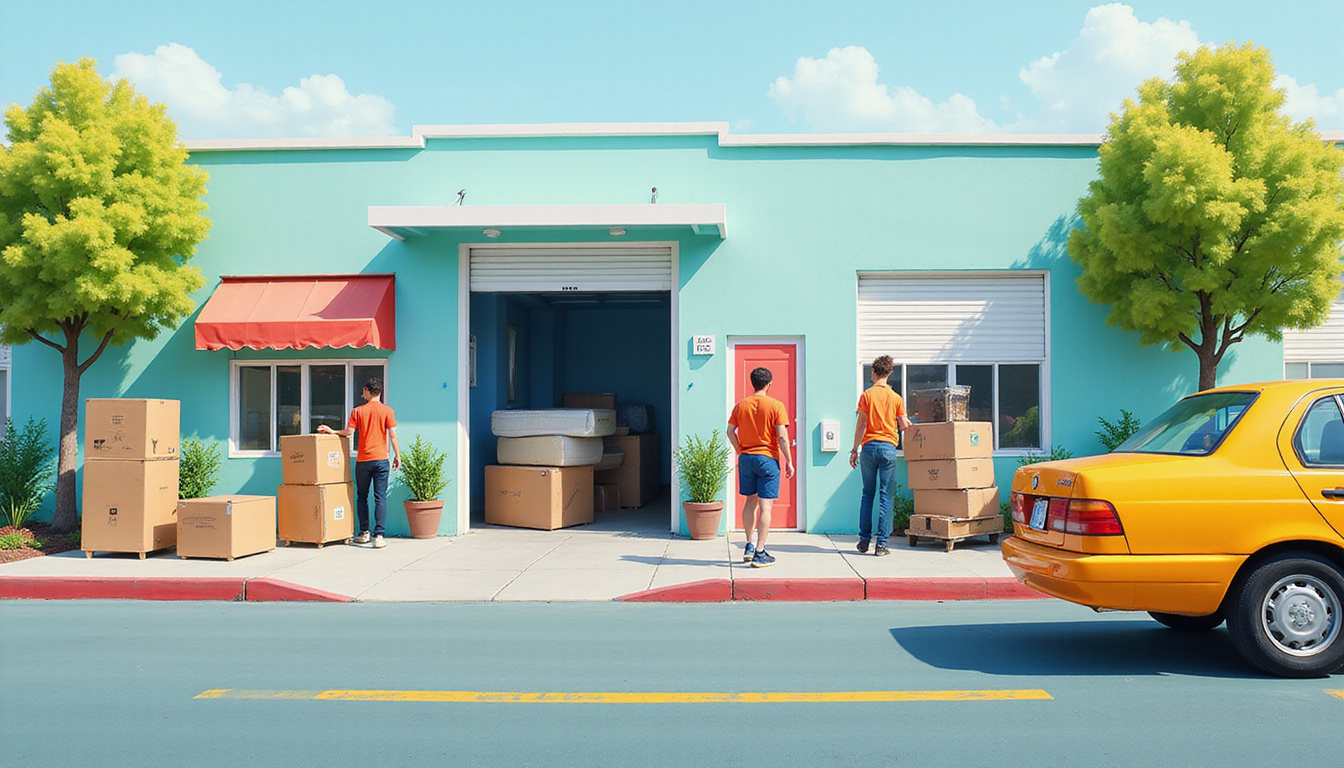
Step 4: Smart Sorting to Maximize Recycling
Once you know your options, sort items in a way that makes bulk item recycling smoother and more effective.
Sort by Material
Where possible, group items by primary material:
- Metal – bed frames, grills, shelving, exercise machines
- Wood – solid wood furniture, clean lumber
- Upholstered – sofas, chairs, mattresses
- Electronics – TVs, computers, peripherals
- Mixed or composite – some can be partially dismantled for better recycling
If you’re comfortable doing basic disassembly, separating metal from wood or plastic can increase recyclability and even get you a better rate at scrap yards.
Remove Contaminants
To keep materials recyclable:
- Empty all drawers and cabinets
- Remove obvious trash, food, or liquids
- Wipe off heavy dirt or spills
- Secure or remove glass panels to prevent breakage and contamination
Little steps like these help recycling facilities recover more usable materials.
Step 5: Handle Special Bulk Items Correctly
Some bulky items require extra care because of safety, legal, or environmental concerns.
Appliances with Refrigerants
Refrigerators, freezers, and some AC units contain refrigerants that must be handled by certified technicians. Options:
- Manufacturer or retailer haul-away when you buy a new unit
- Utility programs that pay or credit you for recycling old fridges
- City programs that schedule special bulk item recycling pickups for appliances
Never cut lines or attempt to vent refrigerant yourself; it’s illegal and hazardous.
Electronics and TVs
E-waste often contains valuable metals and toxic components:
- Use certified e-waste recyclers or collection events
- Many retailers (Best Buy, Staples, etc.) offer drop-off or trade-in programs
- Wipe or remove hard drives from computers and devices for privacy
Mattresses and Box Springs
Mattresses are bulky and hard to compact, but many parts are recyclable:
- Springs (metal), foam, and some fabrics can be reclaimed
- Look up “mattress recycling” plus your location
- Some cities ban mattresses from regular trash due to volume
Construction Debris and DIY Renovation Waste
For large renovations:
- Rent a recycling-focused dumpster that sorts materials
- Separate clean wood, metal, and cardboard from mixed debris
- Take reusable fixtures or doors to local reuse centers
Step 6: Save Space with a Decluttering Strategy
Bulk item recycling is easier and more satisfying when it’s tied to a broader decluttering plan.
Use a Room‑by‑Room Approach
Instead of tackling the entire house at once:
- Start with high-impact areas (garage, basement, spare room)
- Within each room, identify large items first (furniture, appliances)
- Clear those before sorting smaller objects
Removing a few big pieces instantly opens up space, giving you momentum to keep going.
Apply Simple Decision Rules
For each large item, ask:
- Have I used this in the last 12–18 months?
- Would I buy this again today if I didn’t already own it?
- Is it worth the space it occupies?
If the answer is “no,” it’s a strong candidate for resale, donation, or bulk item recycling.
Step 7: Compare Costs and Choose the Best Option
Bulk item recycling can be cost-effective if you plan it right.
Common Cost Factors
- Number and size of items
- Need for stairs or long carries
- Distance to disposal/recycling facilities
- Special handling (refrigerants, heavy equipment, pianos)
Ways to Save Money
- Use city or county pickups whenever possible
- Combine efforts with neighbors to split costs of a dumpster or truck
- Disassemble items yourself to reduce volume and labor time
- Drop items off at recycling or donation centers if you have a suitable vehicle
Sometimes, you can offset costs by selling higher-value items and using the proceeds to fund hauling for the rest.
A Practical Checklist for Bulk Item Recycling
Use this quick list when planning your declutter project:
- Inventory all bulky items (condition, material, location)
- Research local services – city bulk pickup, charities, recyclers
- Decide per item: keep, sell, donate, recycle, or dispose
- Schedule pickups and confirm accepted items and any fees
- Sort and stage items by destination (donation, recycling, scrap)
- Disassemble where appropriate to save space and increase recyclability
- Document donations for potential tax deductions
- Review your space afterward and set simple rules to avoid re‑cluttering
FAQ: Common Questions About Bulk Item Recycling
1. How do I find bulk item pickup and recycling services near me?
Search for phrases like “bulk item recycling near me” or check your city’s solid waste or public works website. Many municipalities list their bulk collection schedules, accepted items, and links to partner recyclers. You can also call local junk removal services and ask specifically how they handle recycling and donations.
2. Can all large items be recycled in bulk?
Not every bulky item is fully recyclable, but many have recyclable components. Metal frames, some woods, certain plastics, electronics, and mattresses often qualify for bulk item recycling. Items contaminated with hazardous materials, heavily soiled upholstery, or mixed, non‑separable materials may need partial recycling and partial disposal. Always confirm with your local facility.
3. Is bulk item recycling more expensive than just throwing things away?
Sometimes a straight landfill drop can be cheaper in the moment, but bulk item recycling can lower long-term costs by reducing landfill fees, avoiding fines for improper disposal, and enabling you to donate or resell items. City bulk programs are often free or subsidized. Comparing fees between landfill-only services and recycling-focused haulers will show you the true cost difference.
Turn Your Clutter into Space and Sustainability
Bulk item recycling is more than a chore—it’s an opportunity. By taking a few organized steps, you can clear out large, space-hogging items, keep valuable materials in circulation, and make your home easier to live in and maintain.
Walk through your space this week, pick one room, and identify just three bulky items you’re ready to move on from. Then, look up your local bulk item recycling options and book a pickup or plan a drop-off. With each piece you let go, you reclaim square footage, peace of mind, and the satisfaction of knowing you’re decluttering in a responsible, sustainable way.
Junk Guys Inland Empire
Phone: 909-253-0968
Website: www.junkguysie.com
Email: junkguysie@gmail.com