
Commercial appliance removal is a task most businesses only think about when a fridge fails, a fit-out happens, or the health inspector is due. Yet handling old equipment the wrong way can lead to safety risks, downtime, and even fines. When done right, though, it becomes a chance to improve efficiency, recover space, and demonstrate your commitment to sustainability.
This guide walks you through everything you need to know about fast, eco-friendly commercial appliance removal: what it involves, why it matters, and how to choose the right partner for your business.
What Is Commercial Appliance Removal?
Commercial appliance removal is the process of safely disconnecting, removing, transporting, and disposing of or recycling large appliances used in business settings. It typically covers:
- Commercial refrigerators and freezers
- Walk-in coolers and display cases
- Ovens, ranges, and cooktops
- Dishwashers and industrial washers/dryers
- Ice machines and beverage coolers
- HVAC units and water heaters
- Vending machines and commercial microwaves
Unlike residential junk removal, commercial appliance removal must consider:
- Health and safety regulations
- Hazardous materials (refrigerants, oils, mercury, etc.)
- Business continuity and minimal downtime
- Data/security in some equipment (e.g., smart devices with storage)
- Landlord and lease requirements
Why Businesses Need Professional Appliance Removal
Relying on your staff to “just get it out of here” can be risky and inefficient. Professional commercial appliance removal services help you:
1. Reduce Liability and Safety Risks
Commercial units are heavy, bulky, and often hard-wired into power or plumbing. Improper removal can cause:
- Back injuries, falls, and crush injuries
- Electrical shocks or short circuits
- Water damage or gas leaks
- Property damage to walls, doors, and floors
Licensed professionals bring the right equipment, protective gear, and training to manage these risks.
2. Protect Your Brand and Compliance
Many commercial appliances contain materials that are regulated by environmental laws, such as refrigerants (CFCs, HCFCs), oils, and certain metals. Improper disposal can violate federal and local regulations (for example, refrigerant handling under the U.S. EPA’s Section 608 rules (source)).
Professional commercial appliance removal ensures:
- Proper evacuation and capture of refrigerants
- Documentation and chain-of-custody where required
- Correct routing to recycling or approved disposal facilities
This protects you from fines and reputational damage.
3. Minimize Downtime and Disruption
Good providers work around your schedule—often early mornings, late nights, or off-peak hours. That means:
- No blocked customer access
- Minimal noise during busy times
- Coordinated removal and installation when you’re upgrading
For restaurants, retail stores, healthcare facilities, and hotels, reduced disruption can directly protect revenue.
The Commercial Appliance Removal Process: Step by Step
While every business is different, a well-run commercial appliance removal typically follows this structure:
Step 1: Assessment and Quoting
The provider gathers key details:
- Type and quantity of appliances
- Building access: stairs, elevators, loading dock
- Electrical, gas, and plumbing connections
- Desired timeline and hours of operation
- Any special building or landlord requirements
They then provide a clear quote and plan, often including recycling or disposal documentation.
Step 2: Scheduling and Coordination
Professionals coordinate with:
- Your operations or facilities manager
- Building management/security (badges, parking, loading dock)
- Any installers delivering new equipment
The goal is a tight window so your old units are out and new ones are in with minimal overlap.
Step 3: Safe Disconnection and Preparation
Depending on the appliance, this can include:
- Shutting off and disconnecting power, gas, and water
- Pumping down and capturing refrigerants
- Draining water lines and reservoirs
- Securing or removing doors and shelves
- Protecting nearby surfaces and pathways with coverings
This stage is crucial for safety and code compliance.
Step 4: Removal and Transport
Using dollies, lift-gates, pallet jacks, and sometimes cranes, the team:
- Moves appliances through the safest route
- Protects walls, doors, floors, and elevators
- Loads units onto trucks or trailers safely and securely
Experienced providers know how to navigate tight spaces, busy lobbies, and shared loading docks.
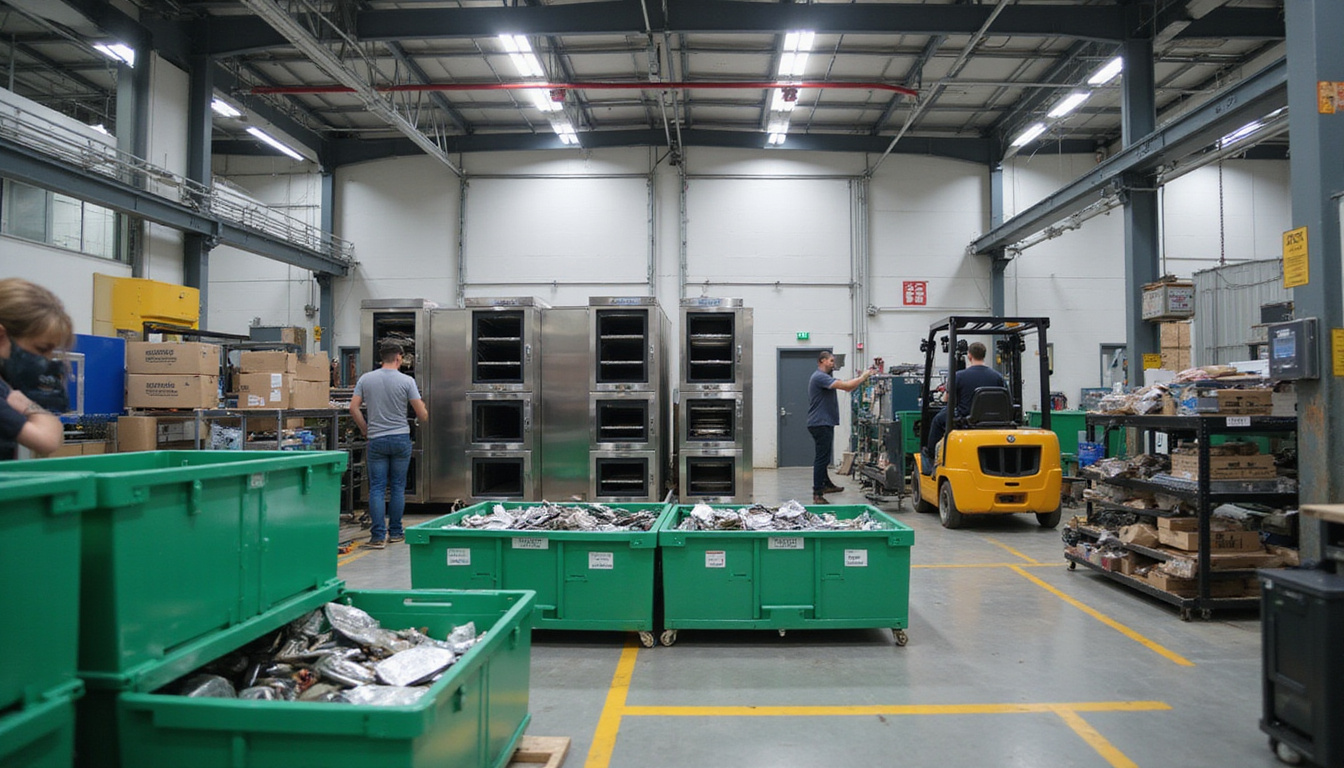
Step 5: Recycling, Donation, or Disposal
Once off-site, appliances may be:
- Reused or donated if still functional
- Dismantled for scrap metal and components
- Processed for refrigerant recovery and safe disposal
- Sent to certified e-waste or hazardous waste facilities as needed
You should be able to request documentation showing where items ended up, particularly for regulated materials.
Eco-Friendly Appliance Removal: What It Really Means
“Eco-friendly” is more than just a marketing label. In commercial appliance removal, it involves:
Responsible Refrigerant Management
Refrigerators, freezers, and HVAC units contain refrigerants that can harm the ozone layer and contribute to climate change if released. Proper handling includes:
- Recovery by certified technicians
- Capturing refrigerants using approved equipment
- Sending them to reclaim or destruction facilities
This is not optional; in many regions, it’s a regulatory requirement.
Maximizing Recycling and Material Recovery
A large portion of most commercial appliances can be recycled:
- Steel and other metals
- Certain plastics and glass
- Copper wiring and components
Eco-conscious providers partner with licensed recyclers to divert as much as possible from landfills.
Reuse and Donation Where Appropriate
If a unit is still safe and compliant, it may be:
- Donated to nonprofits, shelters, or community organizations
- Sold or reused in lower-intensity settings
Not every appliance is a candidate, but prioritizing reuse extends product life and reduces demand for new materials.
Common Business Scenarios Requiring Appliance Removal
Different industries face unique triggers for commercial appliance removal. Some typical examples:
Restaurants, Cafés, and Bars
- Replacing inefficient refrigerators and freezers
- Upgrading to energy-efficient ovens and dishwashers
- Renovations or concept changes
- Closing, relocating, or selling the business
Retail and Grocery Stores
- Swapping out display coolers and freezers
- Updating refrigerated cases for new product lines
- Store closures or relocations
- Chain-wide equipment standardization
Offices and Corporate Campuses
- Removing breakroom fridges, microwaves, and dishwashers
- Decommissioning kitchenettes during renovations
- Upgrading to smart or energy-efficient units
Hotels, Healthcare, and Institutions
- Large-scale, multi-unit replacement projects
- Compliance-driven upgrades (sanitation, safety, energy codes)
- End-of-life removal during facility modernization
In each case, timing, scale, and coordination are key.
How to Choose the Right Commercial Appliance Removal Partner
Not all providers are equipped for commercial environments. When evaluating vendors, ask about:
-
Commercial Experience
- Do they regularly serve businesses like yours?
- Can they provide references or case studies?
-
Licensing, Insurance, and Certifications
- Are they fully insured for property damage and liability?
- Do they have technicians certified for refrigerant handling where required?
-
Environmental Practices
- What percentage of materials do they typically recycle?
- How do they handle hazardous or regulated components?
- Can they provide disposal or recycling documentation?
-
Scheduling Flexibility
- Can they work nights, weekends, or off-hours?
- How quickly can they respond in urgent situations?
-
Pricing Transparency
- Is the quote all-inclusive (labor, transport, disposal fees)?
- Are there extra charges for stairs, long carries, or tight spaces?
-
Project Management and Scale
- Can they handle multi-location or multi-unit projects?
- Do they offer a single point of contact for rollouts?
Preparing Your Business for Appliance Removal Day
A little preparation makes commercial appliance removal smoother and faster. Before the crew arrives:
- Clear access routes: Remove obstacles from hallways and doorways.
- Communicate with staff: Let employees know timing and areas to avoid.
- Empty and defrost units: Clear food, products, or contents; defrost freezers if instructed.
- Secure sensitive areas: If the route passes through customer or patient areas, plan for temporary barriers or signage.
- Review building rules: Confirm elevator reservations, loading dock hours, parking, and any noise restrictions.
These simple steps help avoid delays and protect your property.
Benefits of Fast, Eco-Friendly Removal for Your Business
Fast, environmentally responsible commercial appliance removal delivers more than just a clear space:
- Compliance peace of mind – Reduced risk of environmental or safety violations.
- Improved image – Demonstrates corporate responsibility to customers, staff, and landlords.
- Better energy efficiency – Clearing the way for new, efficient equipment that lowers utility bills.
- Space optimization – Reclaim storage, back-of-house, or production areas.
- Less operational disruption – Professional planning keeps your business running smoothly.
Viewed strategically, it’s part of good facilities management and ESG (environmental, social, and governance) practices.
Quick Checklist: What to Look for in Commercial Appliance Removal
Use this list when comparing providers:
- [ ] Proven commercial track record
- [ ] Full licensing and insurance
- [ ] Certified refrigerant handling (for cooling/HVAC equipment)
- [ ] Clear, written quote with no hidden fees
- [ ] Documented recycling and disposal practices
- [ ] Ability to work during your preferred time windows
- [ ] References or testimonials from similar businesses
- [ ] Options for donation or reuse when appropriate
FAQ: Commercial Appliance Removal for Businesses
1. How much does commercial appliance removal cost?
Costs vary based on quantity, size, access difficulty, and disposal requirements. A single commercial refrigerator might be a few hundred dollars, while multi-unit or multi-site projects are priced per unit or as a project bid. Always ask for an itemized quote for your commercial appliance removal so you know exactly what’s included.
2. Can you provide same-day or next-day business appliance removal?
Many providers offer expedited or emergency services, especially for critical equipment failures in restaurants, healthcare, or grocery. Availability depends on your location and the scale of the job, so specify that you need fast commercial appliance removal when you first contact potential vendors.
3. What happens to my old equipment after commercial kitchen appliance removal?
Typically, units are transported to facilities where recyclable materials are recovered, refrigerants and hazardous components are separated, and remaining waste is disposed of according to local regulations. Some still-working equipment may be refurbished or donated. Ask your provider how they handle commercial appliance disposal and whether they can document recycling or donations.
Ready for Fast, Eco-Friendly Commercial Appliance Removal?
Outdated or broken equipment shouldn’t slow down your business or put you at risk. With the right commercial appliance removal partner, you can clear out heavy, complex units quickly, stay compliant with environmental regulations, and show customers and employees that sustainability matters to you.
If you’re planning a renovation, equipment upgrade, relocation, or closure, now is the ideal time to schedule professional removal. Reach out to a qualified commercial appliance removal service, share your inventory and timeline, and get a tailored plan that keeps your business running smoothly while handling your old equipment responsibly.
Junk Guys Inland Empire
Phone: 909-253-0968
Website: www.junkguysie.com
Email: junkguysie@gmail.com