
If you’re planning a remodel, addition, or tear-down, deconstruction services can transform what looks like “junk” into reusable value. Instead of smashing everything with a wrecking ball, deconstruction carefully dismantles a structure so materials can be salvaged, sold, or reused. The result: less waste, lower costs, faster permitting in some areas, and a greener, more strategic renovation.
This guide explains how deconstruction works, when it makes sense, how much you can save, and how to choose the right provider.
What are deconstruction services?
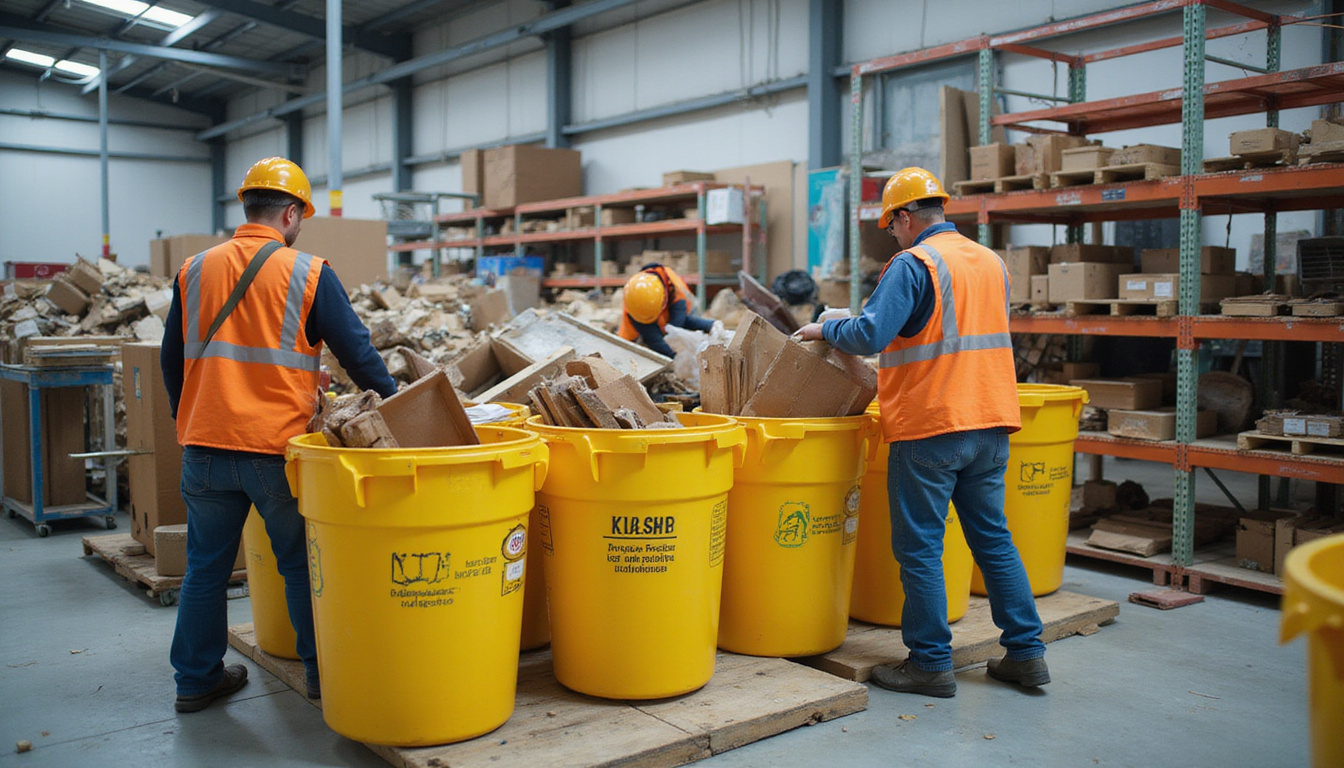
Deconstruction services are the planned, systematic dismantling of a building or interior space to maximize material recovery. Unlike traditional demolition—which prioritizes speed and volume removal—deconstruction focuses on:
- Salvaging valuable materials
- Reducing landfill waste
- Preparing the site efficiently for renovation or new construction
Depending on your project, a deconstruction contractor might:
- Strip out interiors (kitchens, baths, finishes)
- Remove doors, windows, and fixtures
- Pull and denail lumber
- Separate metals, masonry, and architectural elements
- Coordinate hauling to reuse, resale, or donation destinations
In many cases, deconstruction and demolition are combined—first a careful “soft strip” deconstruction, then mechanical demolition for what remains.
Deconstruction vs demolition: what’s the difference?
To understand when to choose deconstruction services, it helps to compare them directly with standard demolition.
Traditional demolition
- Method: Heavy machinery (excavators, bulldozers) quickly knocks down the structure.
- Priority: Speed and lowest upfront labor cost.
- Typical outcome: Mixed debris hauled to landfill or recycling facilities with limited sorting.
- Best for: Buildings with low salvage value, severe damage, or dangerous conditions.
Deconstruction
- Method: Systematic hand and light-machine dismantling, material sorting on-site.
- Priority: Salvage, reuse, and diversion from landfill.
- Typical outcome: High-value materials extracted; waste stream is cleaner, with more recycling and reuse.
- Best for: Older homes with solid wood, high-quality finishes, historic elements, or projects with sustainability and tax goals.
Many projects fall in the middle—using a hybrid approach where high-value components are removed first, and the balance is mechanically demolished.
Key benefits of professional deconstruction services
Done correctly, deconstruction doesn’t just feel good environmentally—it can make financial and operational sense.
1. Reclaim the hidden value in your building
Older and higher-quality structures often contain materials that resale markets and reuse centers actively want, such as:
- Dimensional and old-growth lumber
- Solid wood doors and trim
- Hardwood flooring
- Architectural details (mantels, built-ins, stained glass)
- Vintage lighting and hardware
- Brick, stone, and specialty tile
- High-end cabinetry and fixtures
Recovered materials can be:
- Reused on-site in your renovation
- Sold to salvage yards or directly to buyers
- Donated to nonprofit building material reuse centers, potentially generating tax deductions (consult your tax professional)
With the right project, these recovered values can significantly offset the cost of deconstruction.
2. Reduce construction waste and environmental impact
Construction and demolition waste accounts for hundreds of millions of tons in the U.S. annually (source: U.S. EPA). Deconstruction services target this problem by:
- Diverting usable materials from landfills
- Preserving the embodied energy in existing building components
- Lowering demand for new production of lumber, metals, and finishes
- Cutting transport and disposal volumes
For property owners pursuing LEED or other green building certifications, deconstruction can help meet waste diversion and material reuse credits.
3. Speed up renovation readiness
It may seem like deconstruction would slow down your timeline, but a well-planned approach often speeds up the point at which your renovation work can start:
- Faster permitting in some jurisdictions: Many cities now encourage or mandate deconstruction for certain buildings, streamlining approvals if you follow their guidelines.
- Cleaner, safer site for trades: Electricians, plumbers, and framers benefit from orderly removal of finishes and fixtures, reducing surprises and rework.
- Better documentation: Deconstruction contractors often identify hidden conditions (structural issues, water damage) early, helping your design and build teams adjust before they’re on the clock.
The key is integrating deconstruction into the project plan from the beginning.
4. Support local reuse and community benefits
Many deconstruction services partner with:
- Nonprofit reuse centers
- Workforce development programs
- Local craftspeople and small businesses
By choosing deconstruction, you may be contributing to job training, affordable housing materials, and circular-economy initiatives in your area.
What can typically be salvaged?
Every building is different, but a deconstruction specialist will walk the site and flag what can realistically be recovered. Commonly salvaged materials include:
-
Wood products
- Framing lumber and beams
- Floorboards and subfloor
- Trim, crown moldings, wainscoting
- Solid wood cabinets and shelving
-
Doors and windows
- Solid-core doors and vintage doors
- Quality window units, especially newer, energy-efficient models
- Unique hardware and hinges
-
Fixtures and finishes
- Sinks, tubs, and toilets in good condition
- Light fixtures and ceiling fans
- Radiators and cast iron heating elements
- Stone countertops and tiles
-
Masonry and metals
- Brick, stone, and pavers
- Structural and decorative steel
- Copper piping, wiring, and metal roofing
An experienced provider of deconstruction services will be realistic about demand in your market, not just what’s technically reusable.
How the deconstruction process works
While each company has its own method, most deconstruction projects follow a similar sequence.
-
Initial assessment and bid
- Site visit to evaluate materials, access, hazards, and schedule.
- Identification of high-value or easily reusable components.
- Preliminary estimate of costs, timeline, and potential salvage value.
-
Planning and permits
- Coordination with your architect, GC, or designer.
- Permits submitted with a deconstruction scope (if required by your jurisdiction).
- Logistics planning for staging, trucks, bins, and storage of salvaged items.
-
Soft strip and selective deconstruction
- Removal of furniture, appliances, and loose items.
- Careful dismantling of fixtures, cabinets, doors, and finishes.
- Sorting into categories: reuse, donation, resale, recycling, disposal.
-
Structural deconstruction or hybrid demo
- Salvage of structural lumber, beams, and architectural elements when feasible.
- If using a hybrid model, hand work transitions to mechanical demo for remaining shell.
-
Material handling and documentation
- Transport of materials to reuse or recycling partners.
- Donation receipts and inventory lists for tax purposes, where applicable.
- Final cleanup and turnover to your construction team.
When coordinated well, the handoff from deconstruction crew to builders is almost seamless.
Cost considerations: is deconstruction worth it?
The cost of deconstruction services varies widely based on region, building size, accessibility, and how much labor is needed to safely dismantle materials. As a rule of thumb:
- Labor costs: Often higher than straight mechanical demolition.
- Disposal fees: Typically lower, due to reduced landfill volume and increased recycling.
- Salvage value: Can offset costs through resale or donation deductions.
- Permitting and compliance: In some cities, deconstruction may reduce compliance headaches and fines where demolition bans or deconstruction ordinances exist.
Deconstruction tends to make the most financial sense when:
- The building is rich in reusable/valuable materials.
- You have access to strong reuse/donation markets.
- You or your accountant can leverage charitable contribution deductions.
- You’re pursuing green building certifications or corporate ESG goals.
Before committing, ask for:
- A clear breakdown of estimated costs vs. conventional demo.
- An explanation of what materials are realistically salvageable.
- How they’ll help you document and realize any financial benefits.
When should you choose deconstruction services?
Consider prioritizing deconstruction in these scenarios:
-
Pre-renovation gut of kitchens, baths, or full interiors
You want to remove cabinets, flooring, and fixtures while keeping the structure. -
Whole-house teardown or major addition
The existing home has solid wood framing, quality finishes, or unique architectural elements. -
Commercial tenant improvements
Office, retail, or restaurant spaces with reusable partitions, glass, lighting, and mechanical elements. -
Historic or character homes
Properties with valuable trim, doors, windows, brick, or specialty details. -
Sustainability-driven projects
Developments seeking LEED, WELL, or similar certifications, or owners with internal sustainability mandates.
In some municipalities, you may not have a choice—older homes and certain square footage thresholds may trigger mandatory deconstruction instead of full mechanical demolition.
How to choose a deconstruction contractor
Because deconstruction is more specialized than standard demo, vet your provider carefully. Look for:
-
Experience and references
- How many deconstruction projects have they completed?
- Do they have examples similar to your building type?
-
Salvage and reuse relationships
- Do they partner with reputable reuse centers and recyclers?
- Can they estimate likely diversion rates (e.g., “We typically divert 60–80% by weight”)?
-
Documentation and transparency
- Will they provide itemized lists of salvaged materials?
- How do they handle donation receipts and records?
-
Safety and compliance
- Proper licensing, insurance, and training for hazards (asbestos, lead, mold).
- Understanding of local deconstruction ordinances and building codes.
-
Communication and integration
- Will they coordinate with your GC, architect, and engineer?
- Do they provide a clear start-to-finish schedule?
Ask each candidate how they’ll specifically help you reclaim value, reduce waste, and keep your renovation timeline on track—those are the core promises of professional deconstruction services.
Simple checklist: are deconstruction services a fit for your project?
Use this quick list to start the conversation with your team:
- [ ] Building was constructed or renovated with quality materials
- [ ] You see solid wood, hardwood floors, or unique architectural details
- [ ] Sustainability, ESG, or environmental impact are priorities
- [ ] You’re open to reusing or donating materials
- [ ] Local reuse centers or salvagers are active in your region
- [ ] Your city has deconstruction incentives or requirements
- [ ] You want a cleaner, better-prepared site for trades
If you checked several of these, it’s worth getting a deconstruction quote alongside a standard demolition quote.
FAQ about deconstruction services
1. How do deconstruction and demolition services differ in cost and time?
Deconstruction is often more labor-intensive than straight demolition, so the gross cost can be higher. However, savings on landfill fees plus the potential value of salvaged materials and tax deductions may narrow or even reverse the gap. Time-wise, a full deconstruction can take longer than mechanical demo alone, but when integrated with design and permitting, the overall renovation schedule is often similar.
2. What types of projects benefit most from building deconstruction services?
Projects with high-quality materials and strong reuse potential gain the most: pre-war or mid-century homes, commercial spaces with good fixtures and glass, and properties with hardwood, solid doors, and architectural details. Sustainability-driven developments also benefit, since building deconstruction services contribute to waste diversion and material reuse targets.
3. Can I reuse materials from residential deconstruction services in my own remodel?
Yes. Many homeowners choose to keep salvaged doors, beams, flooring, or fixtures for their new design. Residential deconstruction services can label and store items you want to reincorporate, helping your architect and builder plan around them. This can add character, reduce the need for new materials, and preserve a tangible connection to the original home.
Ready to reclaim value and accelerate your renovation?
Before you default to “just tear it down,” bring in a specialist to discuss deconstruction services. A short site visit can uncover thousands of dollars in reusable materials, lower your disposal footprint, and set your renovation up for a smoother start.
If you’re planning a remodel or teardown in the next 3–12 months, now is the best time to explore your options. Reach out to reputable deconstruction contractors in your area, request a detailed proposal, and compare it side-by-side with conventional demolition. By choosing a smarter, more strategic path, you can reclaim value, reduce waste, and move into your improved space with confidence.
Junk Guys Inland Empire
Phone: 909-253-0968
Website: www.junkguysie.com
Email: junkguysie@gmail.com