
Furniture Recycling Center: Transforming Old Pieces into Profitable Upcycled Treasures
A well-run furniture recycling center is no longer just a drop-off point for bulky waste—it’s a powerful engine for sustainable living, community impact, and even small business profit. As more people look to reduce clutter and live eco-consciously, furniture recycling centers are turning discarded sofas, chairs, cabinets, and tables into stylish upcycled treasures that command real value in the resale market.
This guide walks you through how these centers work, how you can participate, and how to turn unwanted pieces into profitable, planet-friendly products.
What Is a Furniture Recycling Center?
A furniture recycling center is a dedicated facility or program that:
- Collects unwanted furniture from households, businesses, and institutions
- Sorts items for reuse, repair, upcycling, or material recycling
- Resells or redistributes usable pieces, often through thrift stores or online platforms
- Diverts bulk waste from landfills and incineration
Unlike a simple dump or landfill, a furniture recycling center focuses on recovery and value creation, not disposal. Many are run by municipalities, social enterprises, or nonprofits, while others are independent upcycling studios or hybrid models.
Why Furniture Recycling Matters Today
The environmental footprint of furniture is huge. Globally, millions of tons of furniture end up in landfills each year, much of it still structurally sound. In the U.S. alone, furniture and furnishings waste exceeds 12 million tons annually, with the majority landfilled (source: U.S. EPA).
A furniture recycling center tackles this problem on multiple fronts:
- Waste reduction: Extending furniture lifespan significantly reduces landfill volume.
- Resource conservation: Reusing frames, hardware, and materials lowers demand for virgin wood, metal, and plastics.
- Embodied carbon savings: Keeping a sofa in use 5–10 more years can avoid the emissions associated with manufacturing a new one.
- Social value: Many centers create local jobs, training programs, and affordable furniture options for low-income households.
For anyone looking to align their lifestyle or business with sustainability, engaging with a furniture recycling center is a powerful, tangible step.
How a Furniture Recycling Center Works (Step-by-Step)
While every operation is different, most furniture recycling centers follow a similar workflow:
1. Collection and Intake
Sources include:
- Residential drop-offs or scheduled pick-ups
- Office and commercial clear-outs
- Hotel, school, and university renovations
- Estate cleanouts and moving sales
At intake, staff quickly assess whether each item is:
- Reusable with minor cleaning/repairs
- Worth upcycling into a new design
- Only suitable for material recycling (e.g., metal frames, wood panels)
- Unsalvageable (last resort: disposal)
2. Sorting and Triage
Furniture is triaged into categories:
- Ready for resale: Needs just cleaning or small touch-ups
- Repair candidates: Require structural fixes, upholstery, or refinishing
- Upcycling projects: Good bones but outdated styles or finishes
- Parts and materials: Broken items harvested for legs, hardware, panels, etc.
This triage is where profit potential starts: experienced staff or upcyclers spot value that most donors never saw.
3. Cleaning, Repair, and Refurbishment
Common tasks include:
- Tightening joints, replacing screws and brackets
- Steam-cleaning fabrics and sanitizing surfaces
- Replacing missing knobs, handles, or feet
- Repairing drawers and doors
Some furniture recycling centers also offer basic upholstery and woodworking, transforming tired pieces into nearly-new condition.
4. Creative Upcycling
Upcycling is where discarded furniture becomes a treasure:
- Sanding and re-staining an old oak dresser in a modern tone
- Painting outdated nightstands in bold, on-trend colors
- Turning a headboard into a bench, or a door into a dining table
- Combining mismatched chairs into a cohesive, painted set
Upcycled pieces often sell for more than equivalent mass-market flat-pack furniture because they are unique, well-built, and sustainably sourced.
5. Sales and Distribution
Furniture is then sold or distributed through:
- On-site showroom or warehouse
- Nonprofit partner stores and charity shops
- Online marketplaces (Facebook Marketplace, Etsy, eBay, local classifieds)
- Designer partnerships or consignment boutiques
For community-focused centers, some items may be given at low or no cost to families in need, while premium upcycled pieces help fund operations.
Turning Old Furniture into Profitable Upcycled Products
Whether you’re an individual hobbyist or interested in partnering with a furniture recycling center, you can create a profitable side business from upcycled furniture.
Identify the “Good Bones”
Look for:
- Solid wood (heavier, visible grain, not hollow)
- Sturdy frames with minimal wobble
- Classic shapes—mid-century, farmhouse, industrial, or traditional lines
- Quality hardware (solid brass, iron)
Avoid:
- Severe water damage, mold, or extensive rot
- Swollen particleboard or flaking veneer
- Cheap, flimsy flat-pack that’s already failing structurally
A furniture recycling center can help you source these “diamonds in the rough” at low cost.
Choose Projects with Strong Market Demand
Pieces that resell reliably:
- Dressers, sideboards, and buffets
- Coffee tables and side tables
- Dining chairs (especially matched sets)
- Bookshelves and storage solutions
- Desks, especially compact ones for home offices
Think about current trends: neutral palettes, minimalist lines, Japandi, rustic farmhouse, or bold statement colors.
Master a Few High-Impact Techniques
You don’t need to be a master carpenter; a handful of techniques go a long way:
- Sanding and refinishing wood tops
- Using quality primers and durable paints
- Swapping hardware for modern pulls and knobs
- Applying peel-and-stick wallpaper or cane webbing to panels
- Simple reupholstery of dining chairs and benches
Repeatable processes make your workflow faster and your finishes more consistent.
Price for Profit, Not Just Labor
Consider:
- Acquisition cost (often minimal from a furniture recycling center)
- Materials (paint, finish, hardware, sandpaper, fabric)
- Your time (design, labor, marketing, logistics)
- Market comparables (similar items on local platforms)
Unique, well-finished upcycled pieces often command premium pricing compared to generic new items.
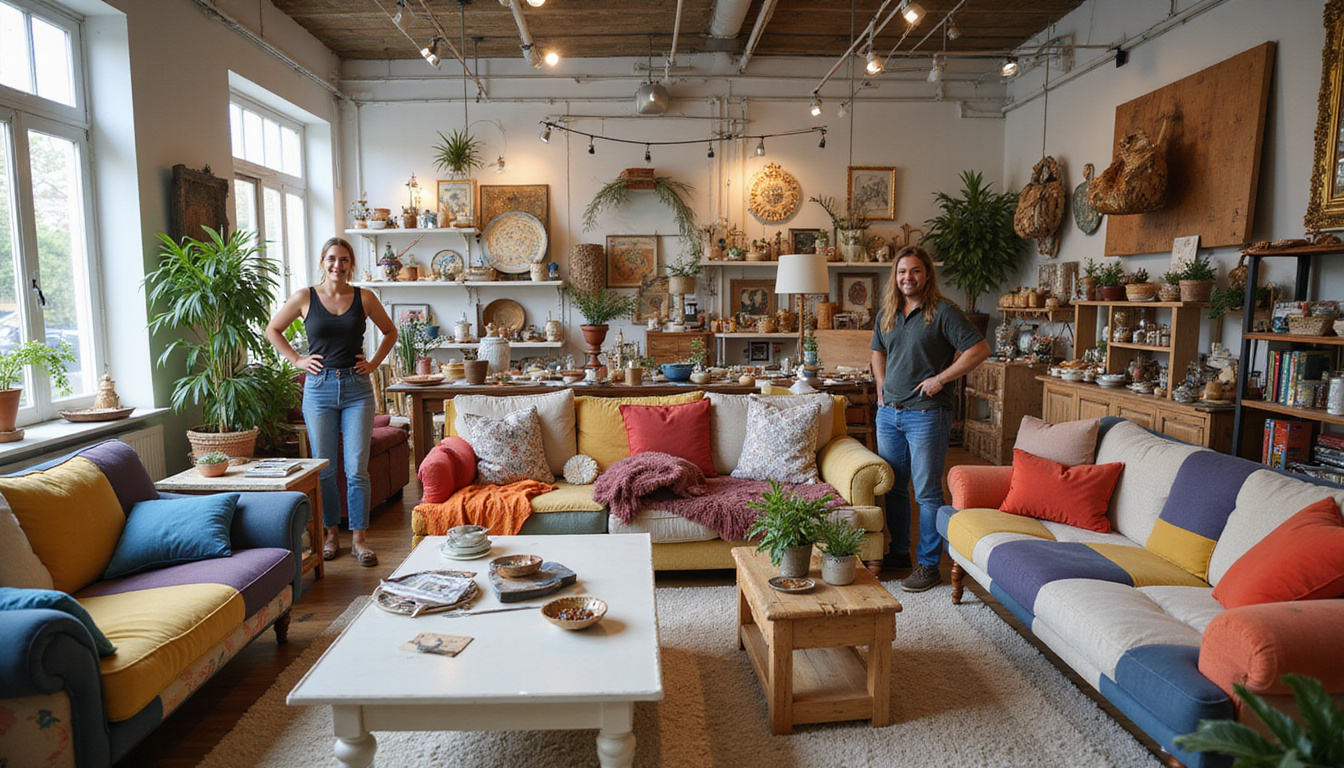
How to Work With a Local Furniture Recycling Center
If you want a steady supply of raw material—or you’d like to donate to support the cause—building a relationship with your local furniture recycling center is key.
For Donors and Households
-
Call ahead or check guidelines
Confirm which items they accept (e.g., they may exclude mattresses, heavily damaged pieces, or items with pests/mold). -
Prepare your furniture
- Wipe down surfaces
- Empty drawers and cabinets
- Photograph pieces (helpful if you’re arranging pickup)
-
Ask about potential tax deductions
Some nonprofit centers provide donation receipts you can use when filing taxes (depending on your country’s rules).
For Upcyclers and Small Businesses
-
Introduce your business or project
Explain you’re an upcycler or designer interested in regular sourcing. -
Offer value in return
- Buy bulk pieces regularly
- Share high-quality “before and after” photos for the center’s marketing
- Collaborate on workshops or DIY classes hosted at the center
-
Arrange priority access
See if you can get early access to incoming furniture that fits your niche (e.g., mid-century, industrial, children’s furniture). -
Explore revenue-sharing
Some centers may consign pieces you upcycle, sharing profits and exposure.
Setting Up a Small Furniture Recycling Center or Studio
If your area lacks a robust furniture recycling center, you can start on a smaller scale and grow.
Key Components
- Space: A garage, workshop, or small warehouse for intake, storage, and work.
- Tools: Basic woodworking tools, paint sprayers or rollers, sanders, clamps.
- Safety equipment: Respirators, eye/ear protection, dust collection.
- Logistics: A van or truck (or partnerships) for pickup and delivery.
- Sales channels: Local outlets plus online platforms.
Basic Operating Model
- Source: Free or low-cost furniture from donations, cleanouts, or municipal drop-offs.
- Sort: Decide what to sell as-is, repair, upcycle, or strip for parts.
- Transform: Apply consistent, branded upcycling styles.
- Sell: Build a recognizable local brand around sustainable, character-filled furniture.
Over time, you can formalize into a full-fledged furniture recycling center, perhaps in collaboration with your municipality or local nonprofits.
Benefits Beyond Profit: Community and Social Impact
A furniture recycling center does much more than generate revenue:
- Job creation and training: Ideal for teaching entry-level skills in carpentry, logistics, retail, and design.
- Low-cost furnishings: Helps students, new families, and low-income households furnish homes affordably.
- Community pride: Visible, tangible projects show what a circular economy looks like in real life.
- Education: Workshops and tours teach residents about waste reduction, repair, and DIY skills.
When you donate, volunteer, or buy from a furniture recycling center, you actively support this larger ecosystem.
Practical Tips for Donating or Buying from a Furniture Recycling Center
Use this checklist to make the most of your next visit:
- Call to confirm accepted items and hours
- Take measurements of your space and the piece you’re donating or buying
- Bring tie-down straps, blankets, or plastic wrap for safe transport
- Wear clothes suitable for moving and light cleaning
- If buying, inspect joints, drawers, and surfaces; minor issues are fine, major damage may not be worth your effort
A little preparation makes the experience smoother and increases the value extracted from each piece.
Frequently Asked Questions About Furniture Recycling Centers
1. How do I find a furniture recycling center near me?
Search for terms like “furniture recycling center near me,” “reuse center,” “building material reuse,” or “charity furniture shop” along with your city. Many municipalities list partner facilities on their waste management websites. Local Facebook groups and community forums are also useful for recommendations.
2. Can a furniture reuse and recycling center take everything?
Most furniture reuse and recycling centers accept a wide range of items but not everything. Common exclusions:
- Items with heavy mold, pests, or severe structural damage
- Soiled or ripped upholstered pieces
- Hazardous materials or built-in electrical components that fail safety checks
Always check their specific guidelines before hauling items over.
3. Is it profitable to work with a recycled furniture center as an upcycler?
Yes, many small businesses and hobbyists profit from flipping items sourced at a recycled furniture center. The key factors are:
- Low acquisition cost
- Efficient, repeatable makeover techniques
- Understanding local design trends and price points
- Professional photos and good marketing on resale platforms
With a reliable supply chain from a furniture recycling center, your margins and output can grow steadily.
Turn “Trash” into Treasures and Be Part of the Change
Every old dresser, wobbly chair, or dated coffee table represents a choice: send it to the landfill, or give it a second life through a furniture recycling center. By choosing reuse and upcycling, you cut waste, conserve resources, and support your community—while unlocking real creative and financial potential.
If you have unwanted furniture, don’t drag it to the curb. Reach out to a local furniture recycling center, donate or partner with them, and see what those pieces can become. And if you’re a maker, designer, or aspiring entrepreneur, start sourcing from these centers today—you might just build a thriving, sustainable business from yesterday’s cast-offs.
Junk Guys Inland Empire
Phone: 909-253-0968
Website: www.junkguysie.com
Email: junkguysie@gmail.com