
Whether you’re finishing a home remodel, tearing down an old deck, or wrapping up a new build, lumber removal is one of those last steps that can feel overwhelming. Piles of boards, broken pallets, offcuts, and nailed 2x4s quickly turn a satisfying project into a stressful cleanup job—especially if you’re not sure where to start or how to get rid of it all responsibly.
This guide walks you through stress-free, safe, and cost-effective ways to handle lumber and construction debris, from DIY methods to pro-level solutions, plus tips to save time and money while staying compliant with local rules.
Why Smart Lumber Removal Matters
Leaving lumber scraps and construction debris lying around isn’t just messy—it can be dangerous and expensive.
Key reasons lumber removal should be done right:
- Safety: Exposed nails, splintered boards, and unstable piles are a major hazard for trips, puncture wounds, and injuries.
- Regulations: Many cities restrict curbside pickup of construction debris. Ignoring rules can lead to fines or rejected trash.
- Environmental impact: Untreated wood can often be reused or recycled. Throwing everything into a landfill wastes resources.
- Project momentum: A clean site boosts morale and makes it easier to finish punch-list tasks, sell a property, or get your deposit back on a rental.
Approaching lumber removal with a plan can turn a chaotic pile into a quick, manageable process.
Step 1: Sort Your Lumber and Construction Debris
Before you think about dumpsters, junk haulers, or recycling centers, you need a simple on-site sorting system. This one step reduces costs and unlocks more disposal options.
Create Sorting Zones
Use tarps, labeled bins, or marked ground areas to separate:
-
Reusable lumber
- Long, straight boards
- Clean plywood sheets
- Solid framing lumber with minimal damage
-
Reclaimable/repurposable wood
- Weathered decking boards
- Pallet wood
- Shorter offcuts suitable for crafts or firewood (if untreated)
-
Construction debris and scrap
- Broken boards and tiny offcuts
- Painted, stained, or pressure-treated lumber
- Rotten, moldy, or termite-damaged wood
-
Non-wood construction waste
- Drywall, insulation, roofing materials
- Metal fasteners, brackets, and nails
- Plastic wrap, strapping, and packaging
Sorting early makes professional lumber removal services cheaper and recycling or donation more viable.
Step 2: Know What Type of Wood You’re Dealing With
Not all lumber is handled the same way. Some can be recycled or burned; some must be treated as hazardous.
Untreated vs. Treated Lumber
- Untreated wood
- No chemicals, stains, or pressure treatment.
- Often recyclable, compostable, or acceptable as firewood (local rules apply).
- Pressure-treated lumber
- Used for decks, fences, outdoor framing; chemically treated to resist rot.
- Typically cannot be burned and often must go to specific disposal sites.
- Painted or stained wood
- May contain old lead-based paint or other finishes.
- Usually not accepted in wood recycling streams; must be landfilled or processed per local guidelines.
Always check with your local waste authority, as regulations vary by region (source: U.S. Environmental Protection Agency).
Step 3: Plan Your Lumber Removal Strategy
You have four main options, and many projects use a combination:
- DIY hauling to a landfill or transfer station
- Renting a dumpster or dump trailer
- Hiring a junk removal or lumber removal service
- Donating, recycling, or selling usable material
1. DIY Hauling
Best for: Small to medium projects, budget-conscious homeowners.
Pros
- Lowest direct cost if you already have a truck or trailer.
- You control the timeframe and can load at your own pace.
Cons
- Multiple trips if you have a lot of debris.
- Requires lifting, loading, and sometimes paying per load or per ton.
Tips for stress-free DIY lumber removal:
- Cut or break long boards so they fit neatly in your vehicle.
- Stack lumber tightly to maximize space and reduce shifting.
- Bring work gloves and a magnet-on-a-stick to sweep up nails afterward.
- Call ahead to confirm the landfill or transfer station accepts construction and demolition (C&D) waste and what the fees are.
2. Renting a Dumpster or Dump Trailer
Best for: Large remodels, full-house gutting, deck or shed demolition.
Pros
- High capacity; everything goes in one container.
- Flexible: keep it on-site for the duration of your project.
- Saves you multiple trips to the dump.
Cons
- Higher upfront cost.
- Limited placement options (driveway or curb, where allowed).
- Some companies restrict mixed materials or charge more for heavy loads.
How to choose the right size:
- 10-yard dumpster: small bathroom/kitchen renovation or deck demo.
- 20-yard dumpster: medium remodels, multiple rooms.
- 30-yard and up: large renovations, additions, or whole-house projects.
Ask if the hauler separates recyclable lumber from mixed debris; some providers offer discounts or “clean wood only” rates.
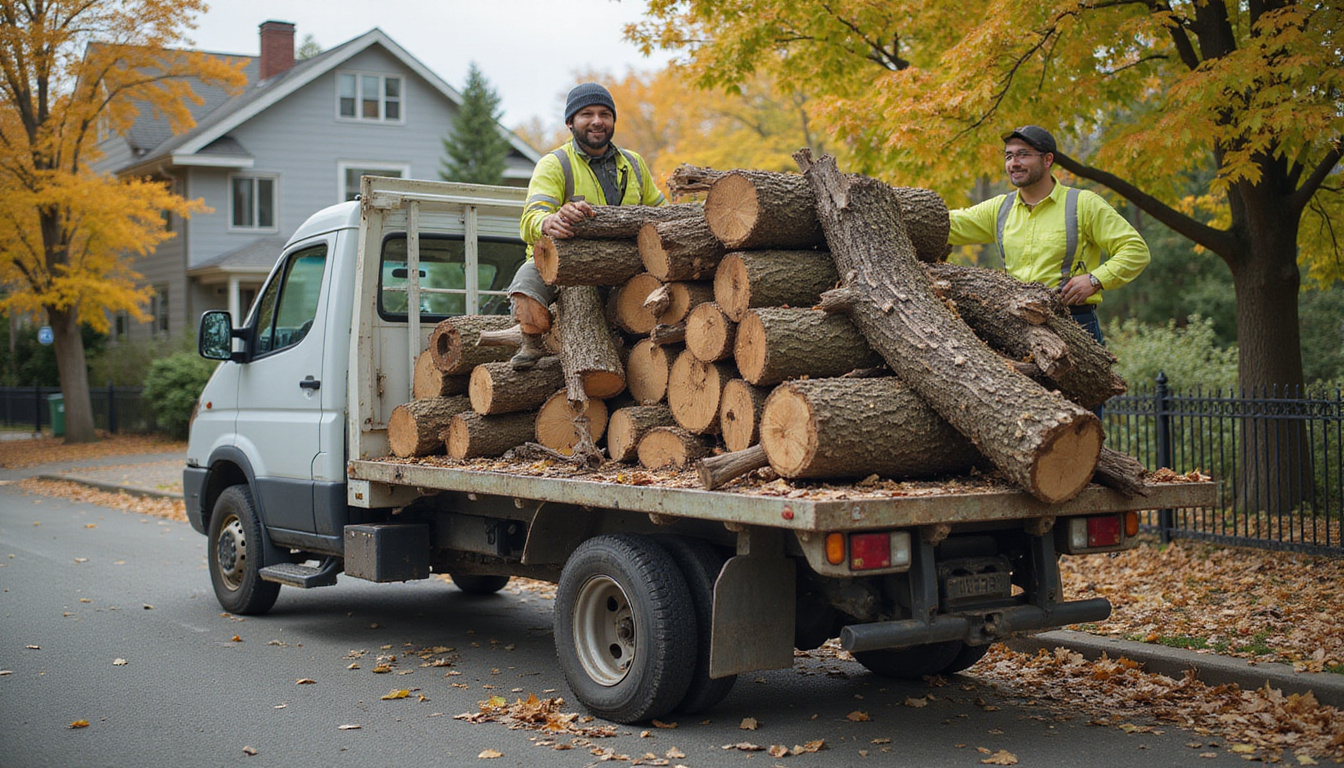
3. Hiring a Professional Lumber Removal or Junk Hauling Service
Best for: Tight timelines, no vehicle access, or when you want minimal effort.
Pros
- They do the loading, hauling, and disposal.
- Often same-day or next-day service.
- Many companies separate recyclables and donations.
Cons
- More expensive than DIY.
- Pricing can be confusing (by volume, half truckload, etc.).
- You’ll still need to prep the area for safe access.
To get the best value:
- Send photos of the lumber pile to get a more accurate estimate.
- Ask if pricing is by volume, weight, or item.
- Confirm what they do with reusable lumber or pallets—recycle, donate, or landfill.
4. Donate, Reuse, or Sell When Possible
Don’t overlook the value in your leftover boards. Smart lumber removal isn’t just about disposal; it’s also about recovery.
Options for reusable wood:
- Building material reuse centers: Organizations like Habitat for Humanity ReStores often accept clean lumber, doors, and trim.
- Local makers and DIYers: Post on community boards or marketplaces for free or low-cost lumber.
- Farmers and gardeners: May want pallets, untreated boards for raised beds, or animal shelters.
Make donations easier by:
- Removing as many nails and screws as you can.
- Bundling similar lengths and sizes together.
- Keeping an inventory list for potential tax deductions (where applicable).
Step 4: Stay Safe While Handling Construction Debris
Lumber removal is physical work and can be risky if you rush.
Essential safety practices:
- Wear heavy-duty gloves, eye protection, and sturdy boots.
- Use a pry bar or cat’s paw to pull stubborn nails—don’t rely on brute force.
- Stack lumber in stable piles; avoid leaning long boards against unstable surfaces.
- Lift with your legs, not your back; get help for heavy beams or loads.
- Secure loads with ratchet straps or rope and use red flags on overhanging boards when driving.
A few extra minutes of safe setup prevents injuries that can derail your project.
Step 5: Reduce Lumber Waste on Future Projects
One of the best secrets of stress-free lumber removal is to prevent excess in the first place.
Practical ways to cut down on wood waste
- Plan cuts efficiently: Use cut lists and layout diagrams to minimize offcuts.
- Save standard sizes: Keep 4-ft and 8-ft pieces for future repairs and projects.
- Order smart: Avoid over-ordering “just in case” by using material calculators and consulting with suppliers.
- Design with reuse in mind: Choose dimensions that align with standard lumber lengths.
The less waste you create, the less time and money you’ll spend on lumber removal later.
A Simple, Stress-Free Lumber Removal Workflow
To tie it all together, here’s a straightforward process you can adapt to almost any job:
- Set up sorting zones before demolition or cutting begins.
- Separate reusable lumber from true waste in real time.
- Decide your primary removal method early (DIY haul, dumpster, or pro service).
- Call local facilities to confirm what they accept: untreated wood, treated wood, and mixed C&D debris.
- Schedule pickups or dumpster delivery to align with project milestones, not just the end.
- Clear pathways and staging areas to make loading efficient and safer.
- Handle special materials carefully, including painted or pressure-treated boards.
- Finish with a magnet sweep to collect stray nails and metal before calling the job done.
Following these steps transforms lumber removal from a dreaded chore into a predictable, controlled part of your project.
FAQ: Common Questions About Lumber Removal and Construction Debris
1. What is the cheapest way to handle lumber hauling and debris removal?
For light to moderate loads, the most budget-friendly approach is often DIY lumber hauling: sorting reusable wood, loading it into a pickup or trailer, and taking it to a local transfer station. Combine this with donating or giving away usable boards so you’re paying to dispose of only true waste. For large jobs, a “clean wood” dumpster (lumber only) can be cheaper than a mixed construction debris container.
2. Can construction lumber be recycled, and how do I find wood disposal options near me?
Untreated, unpainted construction lumber is frequently accepted at wood recycling facilities, mulch producers, or C&D recycling centers. Search for “construction wood recycling near me” or check your city’s solid waste website for lumber disposal guidelines and facility locations. Always confirm accepted materials (untreated vs. treated, painted, or engineered wood).
3. Are there eco-friendly lumber removal services for construction sites?
Yes. Many junk removal companies and specialized lumber removal services now emphasize sustainable practices. Look for providers that advertise recycling, deconstruction, or donation partnerships. Ask specifically what percentage of materials they divert from landfills and whether they offer separate rates for clean wood versus mixed debris.
Turn Your Construction Cleanup Into a Win
You don’t need to dread the end of your project. With a bit of planning, clear sorting, and the right mix of DIY effort and professional help, lumber removal can be efficient, affordable, and surprisingly satisfying.
If you’re staring at a pile of boards and debris right now, start with three quick actions: sort your lumber into reusable vs. waste, call your local disposal or recycling center, and get quotes from at least one dumpster provider and one junk hauling service. From there, you’ll know exactly which option fits your budget, timeline, and effort level.
Don’t let leftover lumber steal the joy from a finished project. Take control of your lumber removal today, clear your space with confidence, and turn that messy jobsite into a clean slate for whatever you’re building next.
Junk Guys Inland Empire
Phone: 909-253-0968
Website: www.junkguysie.com
Email: junkguysie@gmail.com