
Mattress donation is one of the most impactful ways to give a large household item a second life. Instead of sending a bulky mattress to the landfill, you can help a family in need, support a local charity, and reduce waste. This guide walks you through where to donate a mattress, how to prepare it, what conditions are typically required, and what to do if donation isn’t an option.
Why Mattress Donation Matters
Every year, millions of mattresses are discarded, taking up massive space in landfills and contributing to environmental strain. At the same time, many individuals and families go without safe, comfortable beds.
Donating a mattress can:
- Support shelters, transitional housing, and low-income families
- Reduce waste and extend the life cycle of bulky products
- Save you disposal fees and the hassle of special trash pickups
When done thoughtfully, mattress donation turns a difficult-to-dispose-of item into a meaningful resource.
Can You Donate Your Mattress? Basic Eligibility
Before you call a charity, you need to assess whether your mattress is truly suitable for donation. Most organizations have strict standards for health, safety, and usability.
Ask yourself these questions:
-
Is the mattress structurally sound?
- No broken or protruding springs
- No sagging areas, major indentations, or collapsed edges
-
Is it clean and sanitary?
- No visible stains (especially bodily fluids)
- No odors from smoke, pets, or mildew
- No evidence of mold or moisture damage
-
Is it free from pests?
- No sign of bed bugs, eggs, or other insects
- No dark spotting or streaks along seams that could indicate infestations
-
Is it relatively modern?
- Many organizations prefer mattresses under 8–10 years old
- Labels and fire-safety tags still attached
If your mattress fails on any of these points, most charities will not accept it. This protects both the recipient and the organization from health and liability issues.
Where to Donate a Mattress: Top Options
There’s no universal, nationwide mattress donation program, but there are many local and regional options. Availability varies by location.
1. Local Charities and Nonprofits
Start with organizations in your community that directly support people in need:
- Homeless shelters
- Domestic violence shelters
- Transitional housing programs
- Refugee resettlement agencies
- Churches and faith-based charities
These groups often furnish apartments or rooms for clients transitioning to stable housing, and a quality used mattress can be a big help. Always call ahead—shelters may have limited storage or specific size needs (twin or full more than king).
2. Thrift Stores and Resale Charities
Some nonprofit thrift stores accept mattress donations, then resell the items at low costs to fund programs.
Examples may include:
- Regional hospice or hospital thrift stores
- Local charity-run furniture banks
- Some chapters of national thrift store chains (policies vary by location)
Because health regulations differ by state and municipality, not every store can accept mattresses. Always check the policy of a particular location before loading up your vehicle.
3. Furniture Banks and Reuse Centers
Furniture banks specialize in collecting gently used household items and distributing them to families in need, often via referrals from social service agencies.
To find a furniture bank near you, you can search networks like the Furniture Bank Network or contact local social service departments for referrals. Many will accept mattress donations if the items are in excellent condition and meet safety guidelines.
4. College, Community, or Faith-Based Drives
Seasonal drives, especially around:
- Back-to-school and campus move-in/move-out
- Natural disaster relief efforts
- Local housing initiatives
may accept mattress donations temporarily. Keep an eye on flyers, community bulletin boards, and social media pages for postings. Churches and community centers sometimes coordinate bulk pickups or deliveries to families who’ve been screened for need.
5. Online Community Platforms
If formal charities are not accepting mattresses in your area, you may still be able to give yours directly to someone who needs it, as long as it’s clean and safe.
Consider:
- Buy Nothing groups
- Facebook Marketplace (listed as free)
- Craigslist (free section)
- Local community forums or apps
Be honest in your listing description about the mattress’s age and condition, and include clear photos. Even if it’s not perfect, a person may still choose to take it when given full transparency.
How to Prepare a Mattress for Donation
Preparation is a crucial part of responsible mattress donation. It shows respect for the recipient and the organization—and increases the odds your mattress will be accepted.
1. Clean the Surface Thoroughly
- Vacuum the entire mattress, including sides and seams, to remove dust, hair, and debris.
- Spot clean any light stains with:
- A small amount of mild detergent mixed with water
- Gentle blotting (not soaking) with a clean cloth
- Allow the mattress to dry completely before wrapping—moisture can cause mold.
Avoid harsh chemicals or strong fragrances; they can be irritating to sensitive individuals.
2. Inspect Carefully for Damage and Pests
Check:
- Seams and tufts for dark spots or signs of insects
- Underside for any mold or water damage
- Springs and edges for protrusions or structural failure
If you see any indication of bed bugs or mold, do not donate the mattress. It must be disposed of or, in some regions, recycled according to local regulations.
3. Wrap or Bag the Mattress
Many charities require mattresses to be wrapped at pickup or drop-off.
- Use a plastic mattress bag, often available at moving supply stores or online.
- Seal the ends with tape to keep the mattress clean during transport.
- Label the bag with the mattress size (twin, full, queen, king) if it’s not obvious.
This step protects transport vehicles, charity facilities, and the final recipient.
4. Gather Documentation if Needed
Some organizations may ask:
- How old the mattress is
- Whether it has been in a smoke-free, pet-free home
- What type it is (innerspring, hybrid, memory foam, latex)
If you still have receipts or product tags, keep them handy. Otherwise, estimate as accurately as possible.
Pickup vs Drop-off: Which Is Best?
Depending on the organization and your mattress size, you may have either or both options available.
Free or Low-Cost Pickup
Some charities and furniture banks offer pickup services, particularly for larger donations or multiple items.
Pros:
- Convenient; ideal for people without vehicles or with mobility limitations
- Reduces risk of damage during transport
Cons:
- Pickups may be booked out weeks in advance
- Service areas are limited
- Some charge a small fee or request a donation to offset fuel costs
Drop-off Locations
If you have a suitable vehicle, dropping off your mattress can be faster.
Pros:
- Flexible timing during open hours
- Immediate verification of acceptance
Cons:
- You’re responsible for loading, securing, and unloading the mattress
- Not all locations have staff available to assist unloading
When you schedule a mattress donation, ask:
- What condition standards do you enforce?
- Do I need to wrap the mattress?
- Do you offer pickup, and is there a fee?
- What days/times can I drop off?
When Donation Isn’t Possible: Alternatives
Not every mattress can be donated. If yours is too old, damaged, or unsanitary, you still have responsible options beyond sending it straight to the dump.
1. Mattress Recycling Programs
Mattresses contain metal, foam, and fabric that can often be recycled. Some states, such as California, Connecticut, and Rhode Island, have formal mattress recycling programs funded by small fees on new mattress purchases (source: Mattress Recycling Council).
To find recycling options:
- Visit your local waste management or public works website
- Search for “mattress recycling near me”
- Check if retailers participate in take-back programs when you buy a new mattress
Recycling can significantly reduce landfill waste while recovering valuable materials.
2. Retailer Haul-Away Services
When you buy a new mattress, many retailers offer:
- Free haul-away of your old mattress
- Or haul-away for a small fee
Policies differ: some partners recycle, some refurbish and donate, and others dispose. Ask what they do with old mattresses and choose an eco-conscious option if available.
3. Municipal Bulk Pickup or Transfer Stations
If donation and recycling aren’t viable:
- Arrange a bulk trash pickup with your city or town
- Take the mattress to a transfer station or landfill that accepts bulky items
Follow any preparation rules, such as:
- Bagging or wrapping to prevent litter and pests
- Placing at curbside only on designated days
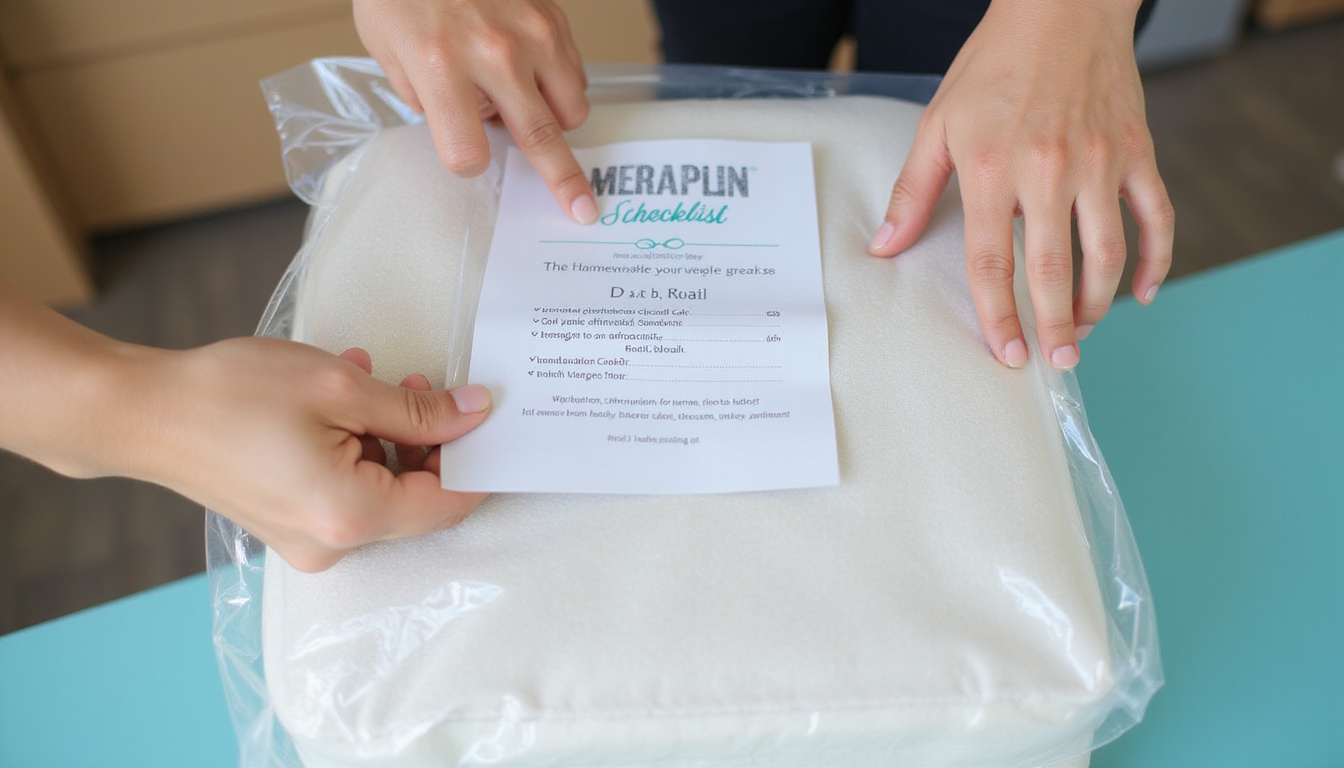
Simple Checklist for Successful Mattress Donation
Before you load the mattress or schedule a pickup, run through this quick list:
- [ ] Mattress is under 8–10 years old (or still in very good shape)
- [ ] No rips, holes, or broken springs
- [ ] No significant stains or odors
- [ ] No signs of mold, bed bugs, or pests
- [ ] Surface vacuumed and spot-cleaned
- [ ] Mattress is wrapped in a plastic bag or securely covered
- [ ] Charity or recipient has confirmed they accept mattresses
- [ ] Pickup/drop-off time and any fees are clearly understood
Completing this checklist helps ensure your mattress donation is smooth and successful.
FAQ About Mattress Donation
1. Where can I donate a mattress near me?
You can usually donate a mattress to local shelters, furniture banks, or community charities, provided the mattress is clean and in good condition. Search for “furniture bank,” “homeless shelter,” or “mattress donation near me,” and call organizations to confirm their policies and availability.
2. What condition does a mattress need to be in for donation?
Most mattress donation programs require items to be free of stains, rips, odors, and pests. They should be structurally sound, with no sagging or broken springs, and typically less than 8–10 years old. Always check the specific guidelines of the organization you’re working with.
3. Can I donate a box spring or bed frame with my mattress?
Many places that accept mattress donations are also happy to receive box springs and basic bed frames, especially metal frames in good working order. When you call about mattress donations, ask whether they also accept box springs, frames, and headboards, and whether any extra preparation is required.
Turn an Old Mattress into a Fresh Start for Someone Else
A thoughtful mattress donation can transform an item you no longer need into a safe, comfortable place to sleep for someone who truly needs it. By checking your mattress’s condition, preparing it correctly, and choosing the right organization or recipient, you reduce waste and directly support your community.
If you have a gently used mattress sitting in your home, don’t let it gather dust or end up in a landfill. Take the next step today: research local charities or furniture banks, make a quick call, and schedule your mattress donation. One simple action on your part can help someone else get a better night’s rest—and a better start tomorrow.
Junk Guys Inland Empire
Phone: 909-253-0968
Website: www.junkguysie.com
Email: junkguysie@gmail.com