
In modern recycling and manufacturing operations, metal shredding is no longer just a back-end process—it’s a strategic productivity lever. The difference between a plant that just “gets by” and one that consistently doubles throughput often comes down to a handful of operational secrets the best operators apply every day.
This guide breaks down those secrets in practical, no-fluff terms so you can boost productivity, reduce downtime, and get more value from every ton of scrap that passes through your yard or facility.
Why metal shredding is the heartbeat of profitable scrap operations
Efficient metal shredding sits at the center of:
- Higher throughput and tonnage per hour
- Better downstream separation and purity
- Lower transportation and handling costs
- Higher revenue per ton of processed metal
By converting bulky, irregular scrap into dense, consistent fragments, shredders:
- Increase load density for shipping
- Improve furnace charging efficiency in foundries and mills
- Enable more precise sorting of ferrous and non-ferrous metals
Industry pros don’t just buy a bigger shredder and hope for better results. They refine the full shredding ecosystem—feedstock, equipment, process controls, and maintenance—to unlock true productivity gains.
Secret #1: Match shredder design to feedstock, not the other way around
The most productive metal shredding operations are obsessive about matching equipment to material. Production losses often start with a simple mismatch between shredder type and feedstock profile.
Understand your primary feedstock
Before selecting or upgrading a shredder, document:
- Average and maximum material size (dimensions and weight)
- Material mix (e.g., light iron, HMS, end-of-life vehicles, aluminum, stainless)
- Contaminants (dirt, plastics, glass, rubber, wood, non-metallics)
- Target output size and density
Choose the right shredding approach
Common metal shredding technologies include:
- Hammermill shredders – Industry standard for high-volume auto scrap and mixed light iron; ideal for rapid size reduction and liberation of metals.
- Dual-shaft (shear) shredders – Excellent for bulky, high-torque applications like bales, profiles, and tough industrial scrap.
- Granulators – Used for secondary downsizing and refining of already-shredded metals.
Pros that consistently double productivity rarely run “generic” setups. They:
- Use high-torque shear shredders upstream for bulky or tangled feed
- Reserve hammermills for rapid fragmentation of pre-conditioned scrap
- Deploy secondary shredders or granulators for high-value refinement steps
When material and machine are aligned, energy use drops and tons-per-hour climb—without stressing the equipment.
Secret #2: Pre-processing is your hidden productivity multiplier
One of the least glamorous, but most impactful, metal shredding secrets is pre-processing. The best operators treat pre-shred handling as an integrated part of the shredding line, not a separate chore.
Key pre-processing tactics
-
De-baling and untangling
Densely packed scrap and tangled material (wire, rebar, sheet bundles) create choke points and shock loads. Mechanical de-balers, grapples, and shears can transform a chaotic infeed into a smooth flow. -
Pre-cutting oversized pieces
Using hydraulic shears to size-reduce extreme pieces before metal shredding reduces rotor stalls and protects wear parts. -
Removing obvious contaminants
Non-metallics and unshreddables (rocks, concrete, large motor blocks without prep, heavy castings) damage hammers, grates, and liners and bring throughput to a standstill. -
Pre-sorting high-value metals
Pulling out obvious non-ferrous or stainless items before primary shredding can reduce cross-contamination and create cleaner downstream streams.
The payoff
Plants that invest in pre-processing typically see:
- Fewer rotor stalls and trips
- Reduced wear part breakage
- More stable amperage and load
- Higher average tons-per-hour
In practice, this can translate into 20–40% higher net productivity without changing the main shredder at all.
Secret #3: Optimize infeed and loading for consistent throughput
Even a perfectly spec’d shredder underperforms if the infeed is erratic. Experienced operators know that how you feed the metal shredding line is as important as what you feed it.
Best practices for steady feeding
- Use metered infeed conveyors: Don’t rely on manual crane feeding alone. Variable-speed conveyors allow you to keep motor load within an ideal range.
- Monitor motor load in real time: Skilled operators watch the load meter and adjust infeed to stay near the optimal power band—high but not spiking.
- Layer material types: Mix light and heavy scrap in the infeed to stabilize density and avoid shocks.
- Avoid “dump and hope” loading: Random, massive dumps into the feed hopper cause uncontrolled surges, tripping systems and damaging components.
The pros treat the shredder like a continuous-flow system, not a batch machine. That mindset shift alone can unlock major throughput gains.
Secret #4: Hammer and wear-part strategy separates amateurs from pros
Wear parts are the beating heart of any metal shredding process. How you select, rotate, and replace them can make or break productivity and costs.
Smart hammer management
-
Choose the right hammer design:
- Cast vs. forged hammers
- Single vs. double or quadruple-life hammers
- Weight and profile matched to material and rotor speed
-
Rotate on a tight schedule, not when they “look worn”:
Pro operators log hammer hours/tonnage and rotate positions proactively to maximize life and keep shredding performance consistent. -
Balance wear life with output quality:
Running hammers to the absolute end of life often reduces liberation and increases oversize, which hurts downstream separation and may increase rework.
Don’t neglect grates, liners, and anvils
- Worn grates can drastically change particle size and allow oversize to slip through.
- Side liners and anvils protect the shredder housing; once compromised, repair costs escalate quickly.
- Strategic use of different grate opening sizes and configurations can fine-tune product size and throughput.
Operators who treat wear parts as a precision tool, not just a consumable, maintain both high productivity and stable product quality.
Secret #5: Dialing in rotor speed, gap, and controls
Beyond mechanical hardware, control parameters are a major lever for productivity in metal shredding.
Key variables to tune
-
Rotor speed (RPM):
Higher speeds increase impact energy and fragmentation but may boost wear and power use. Lower speeds can improve torque and control for difficult materials. -
Anvil and breaker bar gaps:
The distance between the rotor and anvils/breakers affects how aggressively material is gripped and fractured. Adjusting these gaps can stabilize throughput and reduce recirculation. -
Electronic control systems:
Modern shredders use PLC-based controls for:- Automatic load sensing and feed control
- Jam detection and clearing sequences
- Interlocks to protect downstream equipment
Industry pros document “recipes” for different material mixes—pre-set combinations of speed, feed rate, and gap settings—then train operators to select the right recipe by feedstock type.
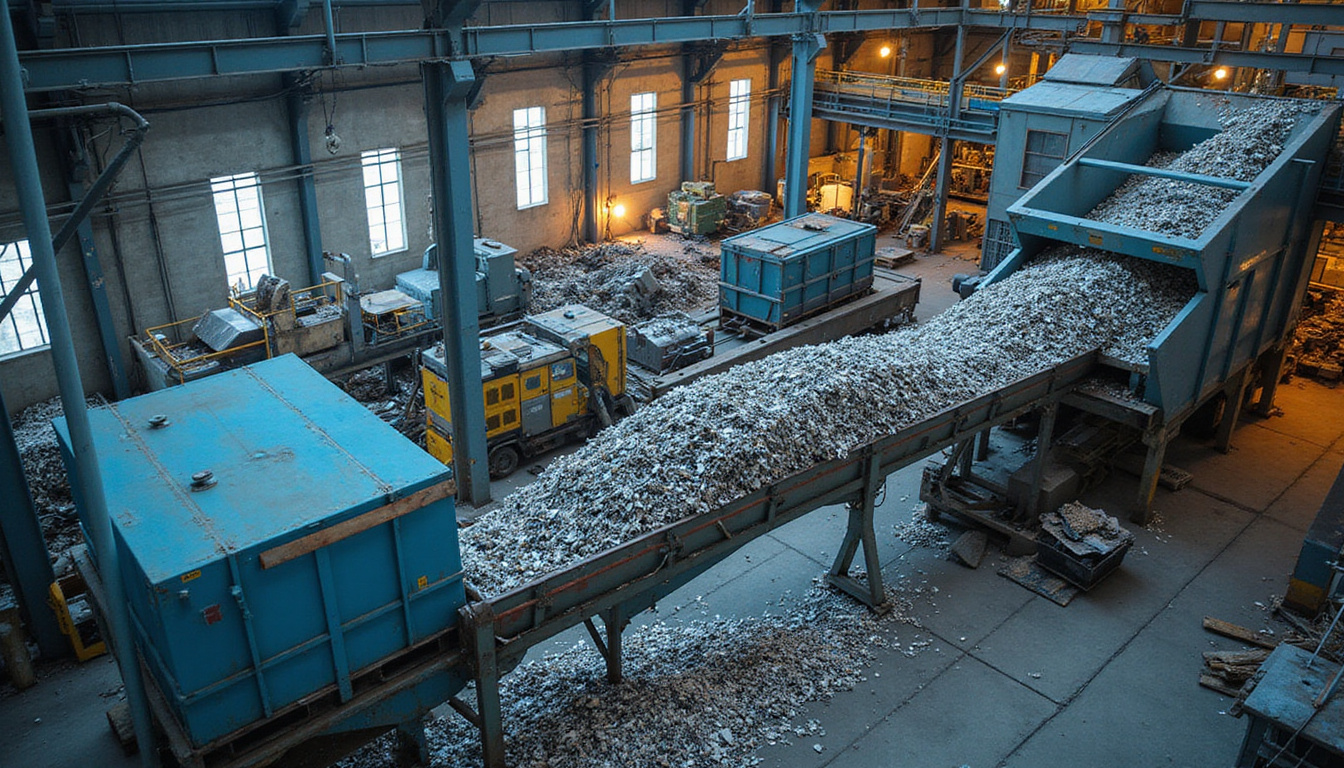
Secret #6: Build an uptime-focused maintenance culture
Doubling productivity isn’t just about running faster. It’s about staying running. Maintenance strategy separates world-class operations from everyone else.
Core elements of a high-uptime maintenance program
-
Daily inspections:
- Check for loose bolts, cracks, and unusual wear
- Inspect bearings, seals, and lubrication systems
- Monitor vibration and noise changes
-
Scheduled, not reactive, downtime:
Plan shutdown windows for hammer rotation, weld repairs, and component change-outs before failure forces emergency stoppages. -
Critical spares strategy:
Maintain inventory of:- Hammers, pins, grates, liners, and anvils
- Key bearings and seals
- Hydraulic components and sensors
-
Data-driven maintenance:
Use logs for:- Tonnage processed per shift/day
- Wear-part life by material type
- Downtime reasons and durations
This allows you to predict failures and refine processes over time instead of repeating the same breakdowns.
Secret #7: Design the full metal shredding line for downstream value
Experienced pros know the shredding chamber is only one part of the value chain. Real profit comes from clean, separated products after metal shredding.
Integrate downstream separation
A high-productivity metal shredding line typically includes:
- Magnetic separation for ferrous removal
- Eddy current separators for non-ferrous metals (e.g., aluminum, copper)
- Air classification to remove light fractions (fluff, plastics, foam)
- Sensor-based sorting (optical, X-ray) for advanced non-ferrous recovery
By designing shredding parameters (particle size, liberation) around downstream separation capabilities, you:
- Increase metal recovery rates
- Improve purity to meet mill and smelter specs
- Reduce landfill-bound residue
The Institute of Scrap Recycling Industries (ISRI) reports that optimized mechanical and sensor-based sorting significantly increases recovery and quality in modern scrap operations (source: ISRI).
Secret #8: Safety and training directly impact productivity
Unsafe metal shredding operations are unstable by definition. Near-misses, lockouts, and unplanned shutdowns destroy productivity.
High-performance sites invest in:
-
Structured operator training:
Not just on “how to run the panel,” but on:- Recognizing dangerous feedstock
- Responding to jams or unusual noises
- Proper lockout/tagout procedures
-
Clear exclusion zones and signage:
No unauthorized access near infeed, conveyors, or discharge points while running. -
Regular safety drills and audits:
Teams who practice their response to incidents handle real situations faster and with less downtime.
A safe crew is a confident crew, and confident operators run the metal shredding line closer to its true capacity with fewer interruptions.
Quick checklist: 10 levers to increase metal shredding productivity
Use this list as a starting audit for your operation:
- Feedstock is well-characterized and matched to shredder type
- Pre-processing (de-baling, cutting, contaminant removal) is in place
- Infeed is metered and control-based, not chaotic or manual-only
- Hammer type and rotation schedule are documented and optimized
- Grates, liners, and anvils are inspected and changed proactively
- Rotor speed and gap settings are tuned for each material mix
- Maintenance is scheduled, data-driven, and adequately staffed
- Critical spares inventory prevents long outages
- Downstream separation is integrated and aligned with shred output
- Operators are trained in both productivity and safety best practices
If you can’t confidently check off several of these, you likely have untapped potential to increase throughput by 20–100% without a complete equipment overhaul.
FAQs about metal shredding productivity
How can I improve efficiency in a metal shredding plant without buying a new shredder?
Start with process optimization: stabilize infeed with conveyors, improve pre-processing to reduce unshreddables, and tighten your hammer and grate maintenance schedule. Often, simply keeping load in the optimal power range and reducing stops and jams can significantly improve metal shredding efficiency.
What’s the best shredder type for heavy industrial scrap metal shredding?
For tough, bulky industrial scrap (heavy plate, beam, thick profiles), a high-torque dual-shaft shear shredder is frequently used as the primary stage, sometimes followed by a hammermill for further size reduction. The ideal solution depends on your exact scrap mix, required output size, and downstream separation goals.
How does metal shredding quality affect downstream recycling and recovery?
Consistent particle size and proper liberation of attached metals (e.g., copper from motors, steel from aluminum components) make magnetic, eddy current, and sensor-based separation more effective. Poor shred quality leads to contamination, lower recovery rates, and discounted prices for the final metal fractions.
Turn your metal shredding line into a competitive advantage
Metal shredding doesn’t have to be a constant battle with downtime, inconsistent output, and unpredictable costs. By applying the same secrets industry pros use—matching machines to materials, tightening pre-processing, refining controls, and building a disciplined maintenance and training culture—you can transform your shredder from a bottleneck into a profit engine.
If you’re ready to uncover where your biggest gains are hiding—whether that’s hammer strategy, feed optimization, or full-line redesign—now is the time to act. Audit your current process against the checklist above, bring your team into the conversation, and start implementing changes this quarter. Every extra ton per hour you unlock compounds into stronger margins, more competitive pricing, and a metal shredding operation that’s built to win in the long term.
Junk Guys Inland Empire
Phone: 909-253-0968
Website: www.junkguysie.com
Email: junkguysie@gmail.com