
Turning food scraps into actual money sounds too good to be true—until you discover how much demand there is for compost, biofuel, and recycled organics. With the right habits and a consistent organic waste pickup routine, your kitchen leftovers can become a valuable resource instead of a smelly problem.
Below, you’ll learn exactly how to set up your home for easy organic waste collection, where and how you can get paid (or save serious money), and simple steps to make the whole process almost automatic.
Why organic waste pickup matters (and how it pays off)
Most people don’t realize food scraps are one of the largest components of household trash. When organic waste ends up in landfills, it breaks down without oxygen and produces methane—a greenhouse gas far more potent than carbon dioxide (source: U.S. EPA).
An organized organic waste pickup habit offers three big benefits:
- Environmental impact – Your banana peels, coffee grounds, and veggie trimmings can become compost, soil amendments, or renewable energy instead of methane.
- Financial value – Finished compost, worm castings, and even used cooking oil can be sold or traded. Some services pay you or give bill credits.
- Everyday savings – Lower trash bills, less need for synthetic fertilizer, and healthier gardens that produce more food.
In short: your “trash” can directly reduce your costs and, in many cases, generate new income.
What counts as organic waste?
Before you can earn from organics, you need to know what you can reliably collect. Most organic waste pickup programs accept some combination of:
- Kitchen scraps
- Fruit and vegetable peels
- Coffee grounds and filters
- Tea bags (without plastic mesh)
- Eggshells
- Bread, rice, and grains (check local rules)
- Yard waste
- Grass clippings
- Leaves
- Small branches and twigs
- Plant trimmings
- Paper products (if uncoated)
- Paper towels and napkins
- Cardboard egg cartons
- Unbleached paper bags
Items that usually do not belong in organic pickup bins include:
- Plastic of any kind (even “compostable” plastic may not be accepted)
- Metal, glass, and styrofoam
- Synthetic fabrics
- Heavily coated or glossy paper
- Pet waste (unless explicitly accepted by your service)
Some programs take meat, dairy, and bones; others don’t. Always check your municipal or private service guidelines.
Step 1: Set up a no-fuss kitchen collection system
The easier it is, the more likely you are to stick with it. A good home system for organic waste pickup starts in your kitchen.
Choose a countertop or under-sink bin
Look for:
- A tight-fitting lid to control odors
- A size that matches your cooking frequency (2–3 liters suits most households)
- Easy-to-clean surfaces (stainless steel or smooth plastic)
- Optional charcoal filter for extra odor control
Place the bin where you naturally prep food—beside the cutting board, not across the room.
Adopt a “scraps go here” routine
Train yourself and others in the house to:
- Sweep peels, stems, and coffee grounds straight into the bin as you cook
- Clear plates into the organics bin instead of the trash (if acceptable)
- Empty the bin regularly into your outdoor container, backyard compost, or collection point
A simple rule helps: if it was once alive or came from a plant or animal, it probably belongs in the organics system (subject to your local program).
Step 2: Keep smells and pests under control
Many people hesitate to start organic waste pickup because they worry about odors or insects. With a few habits, these issues are easy to manage.
Use liners or a “naked bin” correctly
You have two main options:
- Compostable liners
- Convenient to tie up and transfer
- Must be certified (e.g., BPI or EN standards) and approved by your local program
- No liner (“naked bin”)
- Rinse or wash the bin after emptying
- Use a quick spray of vinegar solution to control odors
Keep organic waste cool and contained
- Store the indoor bin away from direct heat.
- If it’s very hot, keep particularly smelly items (like meat scraps if allowed) in a container in the freezer until collection day.
- Empty countertop bins at least every 1–2 days.
Layer “brown” material
If you’re storing scraps for longer or using a backyard system:
- Cover wet kitchen scraps with:
- Shredded cardboard
- Dried leaves
- Paper towels or napkins
- This reduces smell, flies, and mess when you empty the bin.
Step 3: Connect to a local organic waste pickup service
Once your kitchen system is running, you’ll want a reliable way to get scraps out of the house and into a place where they’re turned into value.
Explore your options
-
Municipal curbside programs
Many cities now offer green bins or dedicated organic waste containers. Often:- The cost is included in your existing waste bill.
- Participation can reduce the size (and cost) of your regular trash bin.
-
Private collection services
Subscription services pick up organics weekly or biweekly and often:- Provide clean buckets or bins
- Give you compost back a few times a year
- Sometimes offer loyalty credits or discounts
-
Community composting hubs
Neighborhood gardens, community centers, or local farms may:- Accept drop-offs during certain hours
- Trade your scraps for a share of finished compost or fresh produce
-
Business or restaurant partnerships
If you run a small café, food truck, or catering operation, larger organics collectors may:- Offer customized pickup
- Provide documentation showing your waste diversion (useful for marketing and compliance)
Search terms like “organic waste pickup near me,” “food scrap drop-off,” or “compost collection service” to locate programs in your area.
Step 4: Turn kitchen scraps into cash (direct and indirect)
Here’s where simple habits can start paying off. Your organic waste pickup routine can create value in several ways.
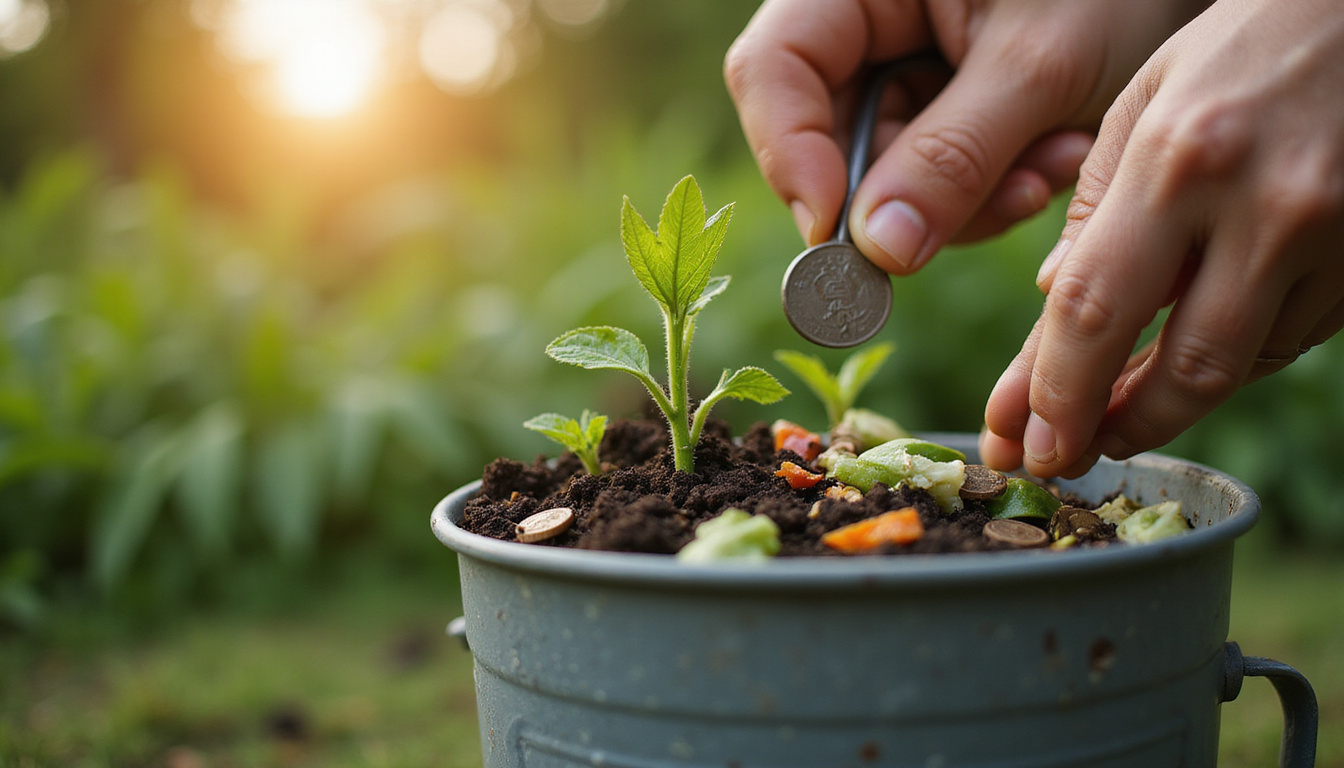
1. Sell or trade finished compost
If you have space to compost at home:
- Use a bin or pile to turn your scraps (plus leaves and cardboard) into rich compost.
- Once cured, you can:
- Sell small bags locally via community boards or farmer’s markets.
- Trade compost with neighbors for seedlings, produce, or other goods.
- Offer compost to community gardens in exchange for a plot discount or harvest share.
High-quality, screened compost is genuinely valuable to gardeners, especially in urban areas.
2. Monetize vermicompost (worm castings)
Vermicomposting uses worms (usually red wigglers) to process food scraps:
- Worm castings are a premium soil amendment often sold at a higher price than regular compost.
- You can:
- Sell castings in small quantities to houseplant enthusiasts, gardeners, or nurseries.
- Sell worm “tea” (liquid extract) as a fertilizer.
- Even sell worm starter kits or breeding stock once your system is established.
3. Earn or save through pickup programs
Some formal organic waste pickup services and recyclers offer:
- Bill credits for consistent participation or low contamination.
- Discounts on bagged compost for program participants.
- Lower trash fees if you reduce how much you send to landfill by separating organics.
Even if there’s no direct payout, shifting organic waste out of your main trash bin can allow you to:
- Downsize your garbage service tier.
- Cut the number of paid pickups (for businesses).
4. Recycle used cooking oil for cash
If you fry foods often or run a small food business:
- Used cooking oil can be collected and sold to recyclers who turn it into biodiesel and industrial products.
- Some companies provide:
- Free collection containers
- Regular pickup schedules
- Payment per gallon of used oil collected
This is especially lucrative for food trucks, restaurants, and commercial kitchens, but even small volumes can be accepted in some regions.
Step 5: Boost savings with a garden or micro-farm
One of the most reliable ways your organic waste system “pays” is by reducing what you need to buy.
Grow food with your own compost
Using your own compost:
- Improves soil structure and water-holding capacity
- Reduces or eliminates the need for synthetic fertilizer
- Supports healthier plants that produce more, higher-quality food
Over a season, even a modest backyard or balcony garden can:
- Cut your grocery bill on herbs, greens, and seasonal vegetables
- Provide surplus produce you can sell or trade locally
Support small-scale producers
If you lack space to garden, your scraps can still be part of a local food economy:
- Partner with a neighbor who gardens; they get compost, you get a share of the harvest.
- Donate to a community garden and volunteer in exchange for produce.
- Connect with urban farmers—many will gladly accept clean organic waste for compost and may offer discounts or barters.
Simple daily habits that make all the difference
To keep organic waste pickup effortless, focus on a few daily micro-habits:
- Keep a dedicated scraps bin within arm’s reach of your food prep area.
- Empty it into your outdoor bin or compost daily or every other day.
- Check your collection schedule and set calendar reminders.
- Rinse your bin quickly after emptying it—don’t let residue dry and cake on.
- Educate everyone in the household on what belongs in the organics system.
Quick-start checklist
Use this simple checklist to get your system running:
- Choose and place a kitchen scraps bin.
- Confirm what your local organic waste pickup program accepts.
- Set up an outdoor bin, compost pile, or collection point.
- Add a weekly reminder for pickup day or drop-off time.
- Track any savings or earnings (reduced trash bill, compost sales, etc.).
Frequently asked questions
How does organic kitchen waste pickup work?
Most organic kitchen waste pickup programs provide a dedicated bin for food scraps and sometimes yard waste. You collect fruit and vegetable peels, coffee grounds, and other approved organics in your indoor container, then transfer them to the outdoor bin for curbside pickup on a set schedule. The collected material is taken to a facility where it’s turned into compost, soil amendments, or energy.
Can I really make money with household organic waste collection?
Yes, household organic waste collection can create income or savings in multiple ways. You can sell or trade finished compost, worm castings, and used cooking oil, and you may qualify for lower trash fees or credits from your waste provider. Even if you don’t receive direct payment, using your compost to grow food and improve soil reduces how much you spend on groceries and garden products.
What is the difference between composting and organic waste pickup services?
Composting and organic waste pickup are complementary. Composting is usually something you do yourself, turning scraps into soil on-site. Organic waste pickup services collect your separated scraps and process them at a larger facility. Many people combine both: using pickup for overflow or items they don’t want in a home compost (like meat, if accepted) and composting the rest in their yard or with a worm bin.
Consistent, well-organized organic waste pickup habits can transform your relationship with “trash.” Instead of paying to throw away valuable material, you can redirect it into compost, energy, and tangible financial benefits. Start with a small kitchen bin, connect to a local pickup or community program, and explore simple ways to sell, trade, or leverage the compost you help create.
Take the next step today: set up your indoor scraps container, look up organic waste collection options in your area, and commit to one month of separating your organics. You’ll quickly see how easy it is—and how those everyday kitchen scraps can start working like a hidden income stream for your home and community.
Junk Guys Inland Empire
Phone: 909-253-0968
Website: www.junkguysie.com
Email: junkguysie@gmail.com