
Fast, efficient post construction cleanup can make the difference between a profitable project and one that drags on, tying up crews and delaying final payment. Clients remember the final impression: dust-free surfaces, sparkling windows, and a move‑in‑ready space. For contractors, mastering cleanup isn’t just about appearances—it’s about speeding up turnover, reducing callbacks, and protecting your reputation.
Below are practical, field-tested hacks to streamline your post construction cleanup process, cut wasted time, and deliver a spotless project every time.
Why post construction cleanup is a profit lever, not an afterthought
Many contractors treat cleanup as a final chore instead of a strategic phase of the project. That mindset can be costly.
Done right, professional post construction cleanup:
- Speeds up punch lists and final inspections
- Reduces rework (such as repainting damaged walls or recaulking)
- Minimizes dust complaints and health issues for new occupants
- Makes clients more likely to refer and rehire you
According to OSHA, construction dust can contribute to respiratory issues if not properly controlled (source), so a thorough cleanup is both a safety and a quality concern.
The goal is simple: put structure and systems behind your cleanup so it’s predictable, repeatable, and fast.
Phase your cleanup: rough, mid, and final
Breaking your post construction cleanup into phases is one of the most effective ways to avoid chaos at the end.
1. Rough cleanup (during and after major trades)
This phase removes large debris and keeps your jobsite safe and workable.
Focus on:
- Removing scrap lumber, drywall pieces, boxes, and packaging
- Consolidating materials and tools to dedicated zones
- Sweeping main walkways and stairs daily
- Keeping entrances and exits clear
Hack: Assign rough cleanup as a daily task to each trade, with quick end‑of‑day inspections. When everyone owns a slice of cleanliness, the final cleanup is much faster.
2. Mid-phase cleanup (pre‑finishes)
Once drywall, major mechanicals, and first coats of paint are in, do a mid‑phase cleanup to control dust before finishes go in.
Focus on:
- Vacuuming drywall dust from floors and baseboards
- Wiping down window frames and sills
- Removing any adhesive residue, stickers, or overspray
- Checking for and addressing paint drips or caulk smears early
Hack: Use a HEPA-filter vacuum instead of dry sweeping. Sweeping just redistributes fine dust onto walls and ceilings, making the final cleanup a headache.
3. Final cleanup (pre-delivery)
The final post construction cleanup is what the client sees—and judges.
Focus on:
- Detailed dusting from ceiling to floor
- Spot cleaning walls, doors, and trim
- Cleaning all glass, mirrors, and fixtures
- Deep cleaning floors per manufacturer guidelines
- Polishing hardware and ensuring bathrooms/kitchens are spotless
Hack: Time final cleanup after all punch list work and touch‑ups are 100% complete. Otherwise, you’ll pay twice to clean the same areas.
Create a room-by-room cleaning sequence
A consistent sequence lets your team work quickly and avoid missed spots. Use a top‑down, back‑to‑front approach.
Standard sequence for each room:
- Start at the ceiling: light fixtures, fans, and vents
- Move to walls: corners, trim, outlets, and switches
- Hit windows and doors: frames, tracks, and glass
- Clean cabinets, closets, and built-ins (inside and out)
- Finish with baseboards and floors
Hack: Always clean from the farthest point toward the exit. That way, you’re not walking over freshly cleaned floors or tracking new dust.
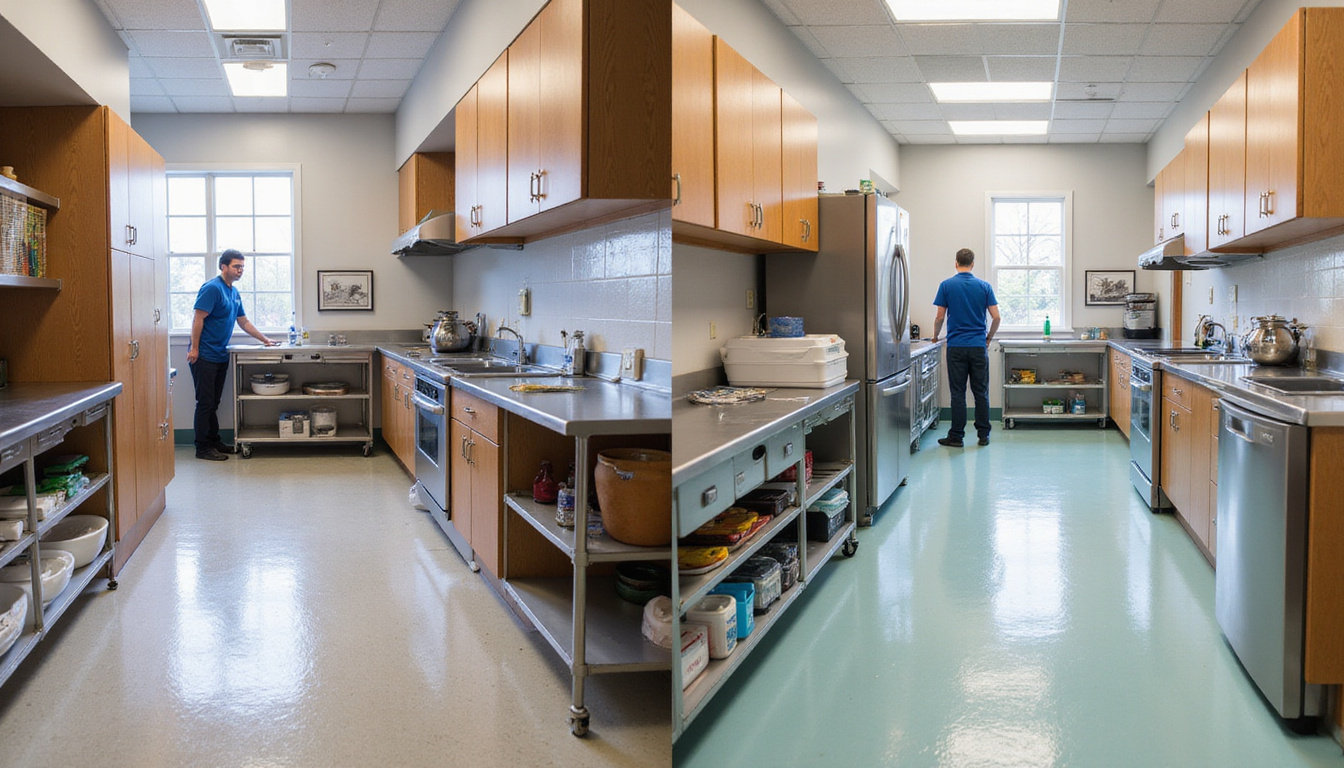
Tools and products that make post construction cleanup faster
The right tools can cut your cleanup time dramatically. Consider standardizing a “cleanup kit” so every job starts equipped.
Recommended essentials:
- HEPA shop vac with brush and crevice attachments
- Microfiber dusters and cloths (better than cotton for trapping fine dust)
- Extendable pole duster for high corners and fixtures
- Plastic razor scrapers for glass and delicate surfaces
- Heavy-duty floor scraper for stuck-on debris
- Low-residue construction tape for labeling and protecting surfaces
- pH-appropriate floor cleaners for wood, tile, and stone
- Magic eraser–type pads for scuffs on walls and doors
Hack: Color-code cloths (e.g., blue for glass, yellow for general surfaces, red for bathrooms) to avoid cross-contamination and keep glass streak‑free.
Dust control hacks that prevent rework
Dust is the #1 enemy in post construction cleanup. Control it early, and final cleaning becomes much faster.
Use negative air and filtration
- Run a box fan in a window blowing out, with a furnace filter taped over it.
- Keep a portable air scrubber running during high‑dust activities.
This pulls airborne dust out instead of letting it settle everywhere.
Seal off “finished” zones
Once a room is complete, seal it:
- Hang plastic with zippers over doorways
- Use painter’s tape and plastic to protect built-ins and appliances
- Add temporary floor protection in corridors and high-traffic areas
Hack: Label zones clearly (“Clean,” “Dirty,” “No Entry”) so trades know not to track dust into finished areas.
Fast glass and window track cleaning
Windows and glass can eat up time if you don’t have a system.
For glass
- Use a dedicated glass scraper with fresh blades to remove paint and stucco splatter.
- Apply a minimal amount of glass cleaner or diluted dish soap.
- Squeegee from top to bottom, wiping blade after each pass.
Hack: Remove stubborn adhesive from stickers with a citrus-based adhesive remover, then finish with glass cleaner. Avoid harsh solvents that can damage low‑E coatings.
For tracks and frames
- Vacuum tracks with a crevice tool first.
- Use a small brush (old toothbrush or nylon detailing brush) to loosen remaining dirt.
- Wipe with a damp microfiber, then a dry one.
Hack: For very dirty tracks, sprinkle a little baking soda, spray lightly with vinegar, let it foam, then scrub and wipe clean.
Smart floor cleaning for every surface
Flooring is the last impression before you hand over the keys. Different materials demand different post construction cleanup strategies.
Tile and grout
- Vacuum thoroughly to remove grit.
- Mop with a neutral pH cleaner; avoid harsh acids on grout.
- Spot clean grout haze with manufacturer-approved products.
Hardwood and engineered wood
- Never soak the floor. Lightly damp-mop only.
- Use cleaners specifically labeled for wood floors.
- Protect with felt pads under furniture installed during turnover.
LVP/LVT and laminate
- Vacuum or broom first, then damp-mop.
- Avoid waxes and polishes unless specified by the manufacturer.
- Remove paint splatters with a plastic scraper, not metal.
Hack: Always check and follow the flooring manufacturer’s post-install cleaning recommendations to avoid voiding warranties.
Time-saving bathroom and kitchen cleanup tricks
These areas have the most fixtures—and the most chances to miss something.
Bathroom cleanup hacks
- Start with vents, light fixtures, and tops of shower enclosures.
- Use a squeegee on shower walls and doors after cleaning to prevent streaks.
- Check and polish all chrome: faucets, shower heads, and handles.
- Clean inside vanity cabinets and drawers; dust collects there fast.
Kitchen cleanup hacks
- Vacuum inside all cabinets and drawers before wiping.
- Remove stickers and protectors from appliances carefully to avoid glue residue.
- Polish stainless steel with a microfiber cloth following the grain.
- Don’t forget the top of cabinets and fridge—they show dust under overhead lighting.
Hack: Keep a simple checklist for each bathroom and kitchen so your crew doesn’t miss details like under-sink plumbing, garbage disposal covers, and inside pantry corners.
Standardize your post construction cleanup checklist
A written checklist is the fastest way to improve speed and consistency. Tailor it to your typical projects, but include at least:
- Entry areas (doors, thresholds, lights)
- Common areas (ceilings, fans, vents, walls, windows, floors)
- Bedrooms (closets, shelving, outlets, switches)
- Bathrooms (fixtures, mirrors, grout lines, exhaust fans)
- Kitchen (appliances, cabinets, counters, backsplash)
- Mechanical spaces (panel doors, filters, floor)
- Exterior touch-ups (porches, siding near work, windows, debris)
Hack: Use digital checklists (e.g., in a project management app) that require photo sign‑off for each room. This creates a record and reduces “you missed this” disputes.
When to hire a professional post construction cleanup crew
Sometimes the fastest way to turn a project is to bring in specialists.
Consider hiring pros when:
- The project is large (multi-unit, commercial, or multi-story)
- You have overlapping deadlines on several jobs
- Client specs demand hospital-level cleanliness or certifications
- Your own crew lacks the time or equipment for deep cleanup
A hybrid approach often works best: your crew handles rough and mid‑phase cleanup; a pro team does the final detailing. Factor this into your bids from the start so it’s never an unplanned cost.
Quick checklist: 10 high-impact post construction cleanup hacks
Use this list as a rapid reminder on your next job:
- Plan three phases: rough, mid, final—not just one big clean at the end.
- Use HEPA vacuums instead of dry sweeping to control fine dust.
- Work top‑down, back‑to‑front in every room to avoid recontamination.
- Standardize cleaning tools and products in a labeled jobsite kit.
- Seal finished areas with plastic and clear signage to keep them clean.
- Use dedicated tools and cloths for glass, bathrooms, and general surfaces.
- Follow manufacturer instructions for floor and fixture cleaning.
- Create room-specific checklists with photo sign‑off.
- Consider pro cleaners for final detailing on large or high‑spec projects.
- Build cleanup time into your schedule and bids—not as an afterthought.
FAQs about post construction cleanup
How long does post construction cleaning take for a typical house?
For a standard single-family home, post construction cleaning can range from 8–20 labor hours depending on the size, level of dust, and number of detailed finishes (glass, tile, trim). Breaking the work into phases and using a well-structured checklist can significantly reduce total time.
What is included in a standard post construction cleaning service?
Most post construction cleaning services include dusting all surfaces, cleaning windows and tracks, wiping down doors and trim, cleaning bathrooms and kitchens, vacuuming and mopping floors, and removing minor adhesive or paint splatters. Heavy debris removal and exterior work may be extra, so clarify the scope in writing.
Is post renovation cleaning different from new construction cleaning?
Yes. Post renovation cleaning often involves working around existing furniture, finishes, and occupied spaces, which requires more protection and care. New construction cleanup is usually more extensive in terms of dust and debris volume but doesn’t need the same level of protection for existing belongings.
Turn cleaner jobs into faster pay and happier clients
Dialed-in post construction cleanup is one of the simplest ways to speed up turnover, reduce punch‑list friction, and leave clients impressed. With phased cleaning, the right tools, smart dust control, and standardized checklists, you can transform cleanup from a rushed afterthought into a competitive advantage.
If you’re ready to tighten up your handover process, start by implementing just a few of the hacks above on your next project. Then, refine your checklist and tools based on what works best for your team. Over a few jobs, you’ll see the impact in fewer callbacks, smoother final inspections, and faster, cleaner turnovers that set you apart from other contractors.
Now is the moment to systematize your post construction cleanup—so every project finishes as strong as it started.
Junk Guys Inland Empire
Phone: 909-253-0968
Website: www.junkguysie.com
Email: junkguysie@gmail.com