
If you love fashion but not full-price tags, mastering the self haul is a game changer. Instead of splurging on huge brand-sponsored hauls, a self haul is about curating your own smart, budget‑friendly finds from multiple places and sharing (or simply enjoying) the results. With a little strategy, you can score genuine designer or designer-level pieces for a fraction of retail—without sacrificing quality or style.
Below are practical, people-tested ways to build a luxe wardrobe on a realistic budget.
What Is a self haul, Really?
A self haul is a haul you fund and plan yourself, focused on intentional shopping rather than impulse buying. It’s about:
- Setting a budget
- Strategically mixing high-end and affordable pieces
- Hunting deals across outlets, secondhand platforms, and sales
- Reviewing what you buy so you (and your audience, if you share online) learn from every purchase
Unlike traditional hauls that show everything a brand sends in one go, a self haul is curated. You’re the stylist, buyer, and critic.
Step 1: Set Your Designer Strategy Before You Shop
Before you click “add to cart,” decide what you’re actually aiming for in your self haul.
Define Your Priority Categories
Designer is not always the smartest place to splurge. For long-term value, focus your higher-end budget on:
- Shoes you’ll wear weekly
- Everyday bags or backpacks
- Outerwear (coats, leather jackets, trench coats)
- Tailoring (blazers, trousers you can wear to work and events)
Fast trends (viral colors, micro-bags, novelty heels) are better from midrange or high-street brands. Use your self haul to build a base of timeless pieces first.
Create a Realistic Budget
Look at your finances and pick:
- A total haul budget
- A “max price per item” you won’t cross
- A percentage for pre-loved (often the biggest savings)
Knowing your ceiling keeps you from impulse buying just because something says 60% off.
Step 2: Choose the Right Places to Hunt for Designer Deals
Your self haul is only as good as your sources. Mix new and secondhand for the best results.
Outlets and Off-Price Retailers
Factory outlets and off-price retailers can offer major discounts on past-season designer:
- Official brand outlets (in-person or online)
- Off-price chains like Nordstrom Rack, Saks OFF 5TH, etc.
- Flash sale sites and sample sale events
Check policies: some outlets produce “made for outlet” lines, which aren’t the same quality as mainline. Inspect fabrics, stitching, and hardware before you commit.
Secondhand and Resale Platforms
Pre-loved is where designer becomes realistically affordable. Look at:
- Dedicated luxury resale sites (The RealReal, Vestiaire Collective, Fashionphile)
- Peer-to-peer apps (Poshmark, Depop, Vinted, Mercari)
- Local consignment boutiques and curated thrift
Good resale can cut prices 40–80% off retail, especially for last-season colors or gently used items that were barely worn.
Sample Sales and Archive Sales
If you live in or visit fashion-centered cities, sample and archive sales can be gold:
- Follow brands and PR agencies on Instagram for announcements
- Join mailing lists for your favorite designers
- Be ready to line up early and move fast
Pieces might be runway samples, press pieces, or slight seconds, often at deep discounts.
Step 3: Learn to Verify Authenticity
Scoring a designer deal in a self haul is exciting; getting scammed is not. Protect yourself with basic authentication habits.
Know the Brand Signatures
Before shopping, study:
- Logo shapes, fonts, and placements
- Common materials and lining colors
- Typical hardware finishes and engraving
- Serial number formats and date codes for bags and leather goods
Most reputable brands have basic authenticity guides or FAQs on their sites (source: U.S. Federal Trade Commission – Shopping Online).
Use Trusted Platforms and Services
- Buy from platforms that offer in-house authentication and buyer protection.
- For bigger purchases, use third-party authentication services that review photos or in-person items.
- Be wary of “too good to be true” prices on new releases.
Always keep receipts, listing screenshots, and certificates; these documents help with future resale and protect you if issues arise.
Step 4: Focus on Fabric, Fit, and Longevity
A smart self haul isn’t just “designer for cheap.” It’s designer that actually works in your life.
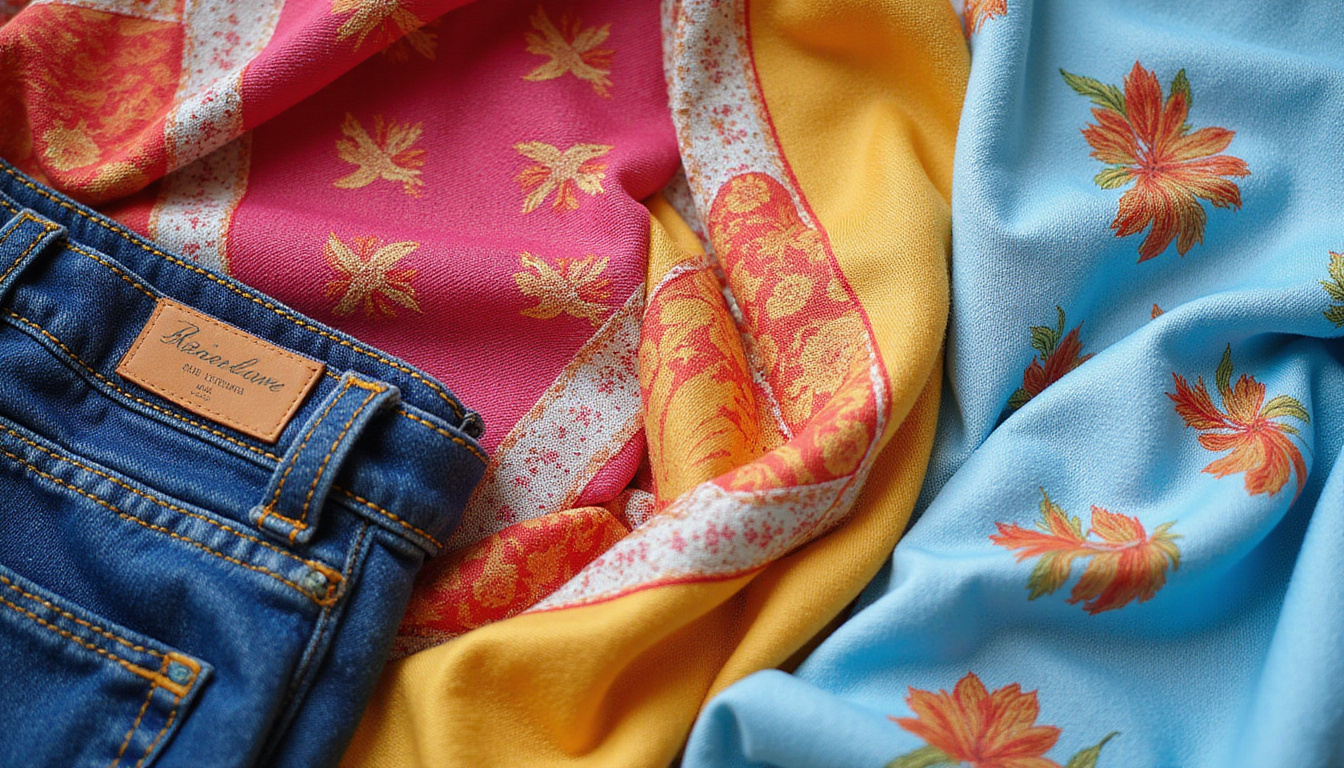
Check Fabric Over Label
A designer tag doesn’t automatically mean quality. Look at:
- Natural fibers: wool, cashmere, silk, cotton, linen
- High-quality blends: wool-cashmere, cotton-silk
- Avoid overly cheap-feeling synthetics at luxury prices (100% polyester at a high markup, unless there’s a performance reason)
Touch the fabric when possible. If you’re shopping online, read full composition details and reviews.
Prioritize Tailoring and Versatility
Ask for each item:
- Can I style this 3–5 ways with what I already own?
- Is the cut timeless or obviously tied to a micro-trend?
- Will this still look good in 3–5 years?
A well-cut black blazer or trench you wear 100+ times is a better designer investment than a flashy dress you wear once.
Step 5: Use a System When You Search
Scrolling endlessly can lead to burnout and bad purchases. Systematize your self haul research.
Filter and Save Searches
On resale apps and outlet sites:
- Set alerts for specific brands, sizes, and keywords
- Filter by condition (e.g., “like new,” “excellent”)
- Sort by “lowest price + shipping” to see true costs
Checking alerts daily or weekly is more effective than hours of random scrolling.
Time Your Purchases
You can stack savings by shopping at the right time:
- End-of-season sales (January/February and July/August)
- Holiday and mid-season promotions
- Brand-specific private sales or loyalty events
If you know what you want (say, a navy wool coat), wait for these windows instead of panic-buying at full price when cold weather hits.
Step 6: Build a Balanced self haul (High-Low Styling)
The power of a self haul is how you put the pieces together. A perfectly balanced outfit rarely needs every item to be designer.
Anchor Outfits With One Hero Piece
Choose one standout designer item as the focal point:
- A bag
- A pair of boots or sneakers
- A coat or blazer
Then style around it with high-street basics. This keeps your total cost down while giving the overall look a polished feel.
Invest in Basics That Support Your Designer Finds
Affordable but good-quality basics make your designer pieces shine:
- Plain tees and tanks
- Slim, straight, or wide-leg jeans in classic washes
- Neutral knitwear
- Minimal jewelry
You’ll maximize how often you can wear each designer item, increasing cost per wear value.
Step 7: Film or Document Your self haul Thoughtfully
If you share your self haul on social platforms, a smart approach helps your audience and your future self.
Be Transparent About Costs
Break down:
- Retail price vs. what you paid
- Where you found it (site, store, event)
- Any codes, coupons, or tactics you used
This makes your content genuinely helpful and builds trust.
Do Honest Try-Ons
Show how things actually fit:
- Mention your height and usual sizes
- Note if you sized up or down
- Share how the fabric feels, any issues, and whether you’d buy again
Even if you’re not posting publicly, recording quick try-ons helps you assess what truly works before removing tags.
Step 8: Avoid Common self haul Mistakes
Even experienced shoppers slip up. Watch for these pitfalls:
-
Buying for the logo, not your life
A monogrammed item that doesn’t match your style will just sit in your closet. -
Ignoring return policies
Outlet and resale policies can be strict. Always check if items are final sale before you buy. -
Overlooking tailoring costs
If a blazer is a great deal but needs $70 of alterations, factor that into your decision. -
Chasing trends over wardrobe gaps
Use each self haul to fill true gaps (e.g., everyday sneakers, work trousers) rather than repeating categories you already own.
Quick Checklist for Your Next self haul
Use this list when planning or reviewing your next self haul:
- Defined my budget and top categories before shopping
- Chose a mix of new, outlet, and pre-loved sources
- Researched brand signatures to avoid fakes
- Checked fabric composition and construction details
- Asked if each piece works with at least 3 existing outfits
- Compared prices across at least two platforms
- Checked seller ratings and return policies
- Tried everything on and kept only what fits well now
- Logged what worked and what didn’t for next time
FAQs About self haul Shopping and Designer Deals
What is a self haul in fashion?
A self haul in fashion is a clothing or accessories haul that you plan, pay for, and review yourself. It focuses on intentional, budget-conscious shopping—often mixing designer, midrange, and thrifted pieces—rather than brand-sponsored bulk purchases.
How do I do a self haul on a budget and still get designer pieces?
To do a self haul on a budget, concentrate on high-impact categories like bags, coats, and shoes, then look for them on outlet and resale sites. Set alerts for specific brands, shop end-of-season sales, and be open to pre-loved items in excellent condition. Always compare retail vs. resale prices before buying.
Is a self haul with secondhand designer items worth it?
A self haul with secondhand designer can be one of the best ways to access luxury quality for less. As long as you buy from reputable platforms, verify authenticity, and choose timeless pieces you’ll wear often, pre-loved designer can offer outstanding value compared to buying everything new at full price.
Curating a powerful self haul is less about luck and more about strategy. When you know where to look, how to authenticate, and what actually deserves a place in your wardrobe, designer style becomes far more accessible.
If you’re ready to upgrade your closet without wrecking your budget, start planning your next self haul now: list your priority pieces, set alerts on your favorite platforms, and schedule a weekend to try, compare, and refine. The more intentional you are today, the more your future outfits—and your bank account—will thank you.
Junk Guys Inland Empire
Phone: 909-253-0968
Website: www.junkguysie.com
Email: junkguysie@gmail.com